Ford Starting System Fault and the Car Won't Start: Fort Worth Diagnosis Guide
Quick answer: "Starting System Fault" on a Ford or Lincoln means the vehicle's computers found a problem somewhere in the start sequence. The most common causes are a weak 12-volt battery, a key or fob the vehicle is not accepting, a brake-pedal or gear-position signal, a starter circuit fault, or a module communication or programming problem. Battery and starter faults go to a mechanic. Key, PATS and module programming faults are what we fix at the vehicle: $150–$400 for most immobilizer and module programming in Fort Worth, and $250–$500 if a smart key needs replacing. Call (817) 674-3595.
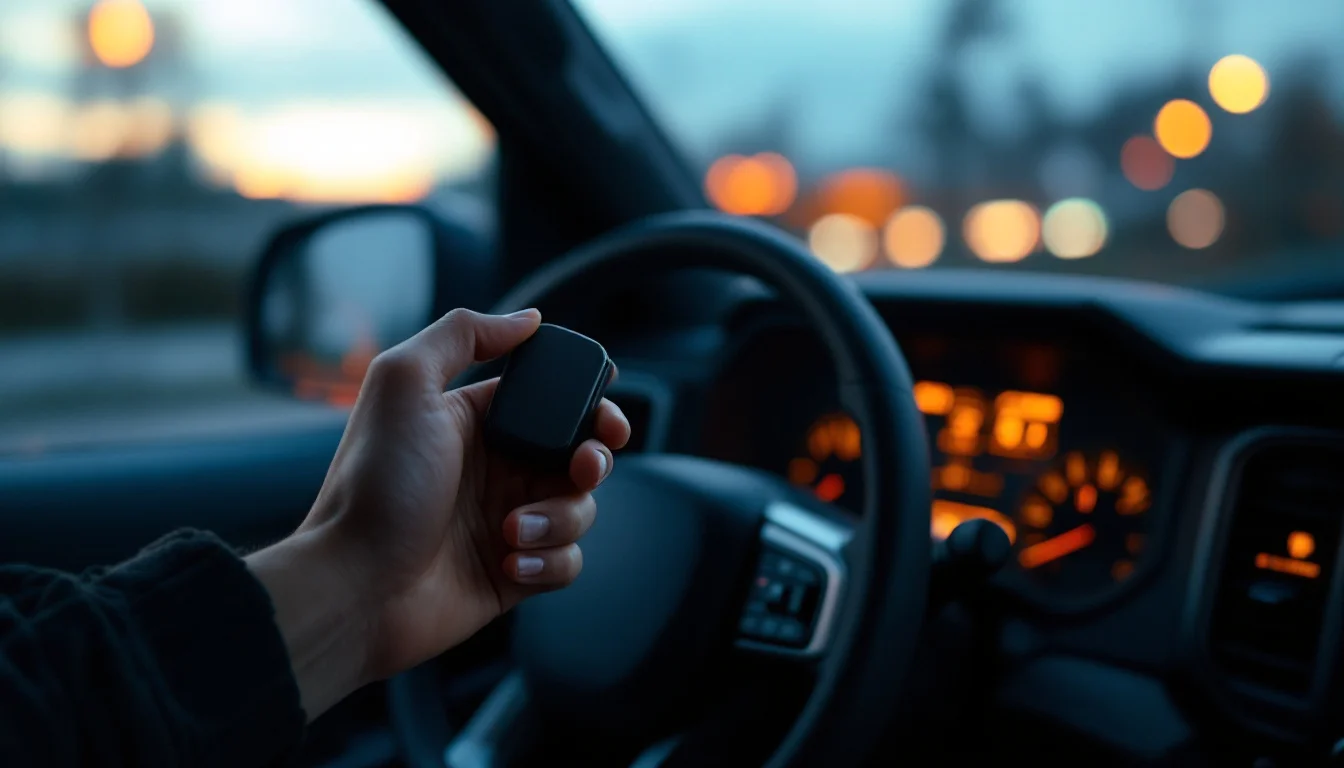
As of October 2026, this message is one we get regular calls about from Ford and Lincoln owners around Fort Worth: F-150s, Explorers, Escapes, Edges, Fusions and their Lincoln cousins. The driver presses the start button, the dash lights up, the engine does not crank, and the message center shows three words that explain almost nothing.
The frustrating part is that "Starting System Fault" is not a diagnosis. It is the vehicle saying that the start did not go the way it expected. Several different faults can trigger it, and they belong to different trades. This guide separates them so you can work out which one you are probably dealing with before you pay anyone.
What the message is really telling you
Starting a modern Ford is a conversation between several computers, not a wire from a switch to a starter.
When you press the button, the vehicle checks that a valid key is present. It checks that the brake pedal is pressed and the transmission is in Park or Neutral. The anti-theft system, which Ford calls PATS, has to approve the key. Only then does the powertrain computer command the starter, and it watches to see whether the engine actually turns.
"Starting System Fault" can appear when any link in that chain reports something wrong. That is why two trucks with the same message can have completely different problems, and why swapping parts based on the message alone gets expensive.
It also helps to know what this message is not. If the dash says "No Key Detected," the vehicle is telling you something more specific: it cannot find the fob. Our guide to F-150 smart key not detected covers that one. If a red anti-theft light is flashing quickly on a turn-key Ford, start with Ford PATS anti-theft light fixes.
Likely causes, in order
1. A weak or failing 12-volt battery
This is the first thing to rule out, every time. Modern Fords are sensitive to voltage. A battery that still runs the lights and radio can sag when the starter is commanded, and the modules see a start that did not happen as expected. Loose or corroded battery terminals produce the same result.
Clues: the message appeared after the vehicle sat for several days, during a temperature swing, or alongside other odd warnings. The dash may flicker or reset when you press start.
This is a mechanic or parts-store fix, not a locksmith fix. But it matters to us, because low voltage also causes genuine key-recognition trouble. See what happens when a dead battery leaves the car unable to recognize its key.
2. The vehicle is not accepting the key
If the fob's own coin battery is weak, if the fob has been damaged, or if the key is not properly programmed to the vehicle, the start request can fail at the authorization step.
Clues: your second key starts the vehicle normally. Or the trouble began right after a new key or fob was added, a fob battery was changed, or a key bought online was programmed. A fob that was fine until its battery was replaced is a pattern of its own, covered in key fob stopped working after a battery change.
This one is squarely a locksmith job.
3. A brake-pedal or gear-position signal
The vehicle will not crank unless it sees the brake pressed and the transmission in Park or Neutral. A brake switch that is out of adjustment or a gear-position signal that does not read cleanly can block the start.
Clues: the brake lights do not come on when you press the pedal, or the vehicle starts in Neutral and not in Park. This is a mechanic repair.
4. The starter circuit
The starter motor, its relay, a fuse or the wiring between them can fail. The computer commands a crank, nothing turns, and it logs a fault.
Clues: a single click or no sound at all with a known good battery, and the message returns on every attempt. This is also a mechanic repair.
5. A PATS or module problem
The modules that handle the start sequence, which on Fords include the powertrain control module and the body control module, have to recognize each other and the keys. That agreement can be lost. It commonly happens when a module is replaced with a new or used unit and not programmed to the vehicle, after a programming attempt that was interrupted, or after collision or water-damage repairs.
Clues: the problem began after module, cluster or body repair work. The engine may crank and not fire, or fire and die. Stored fault codes point to communication or anti-theft faults rather than a part.
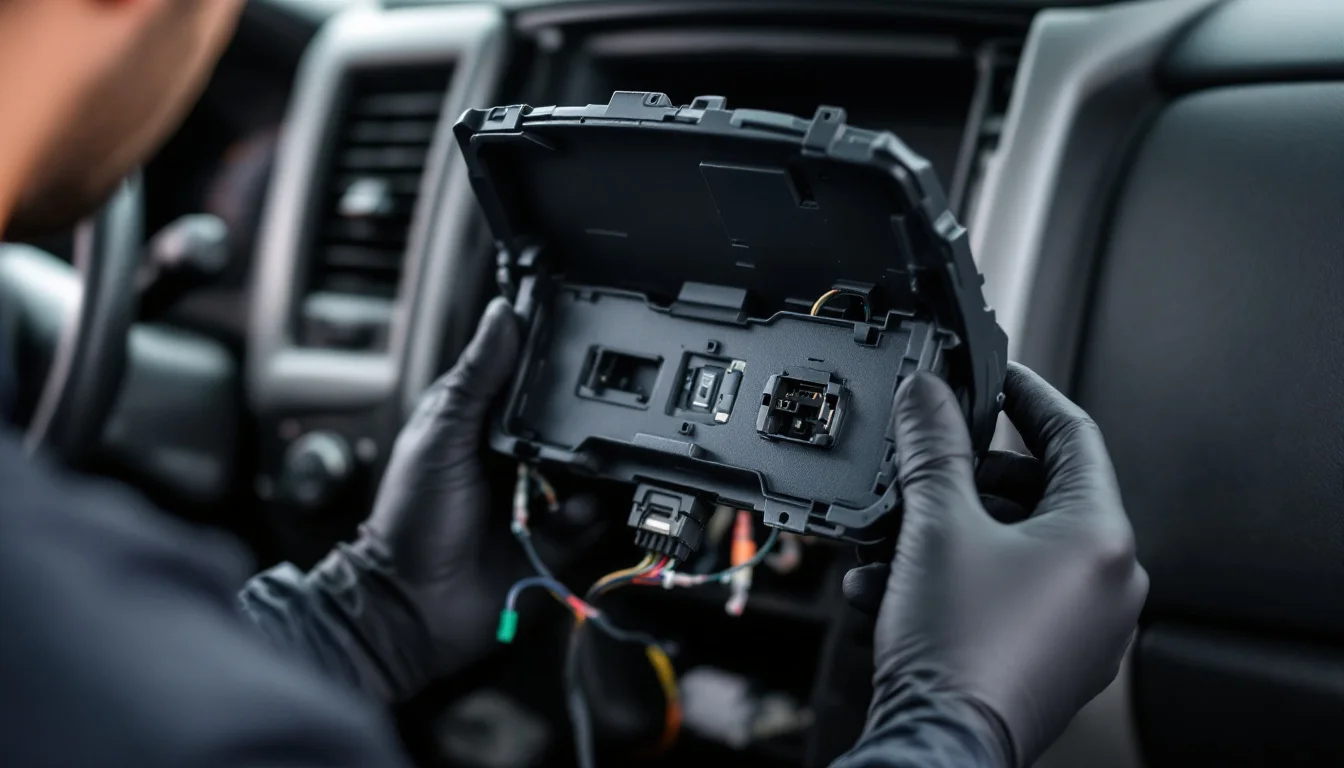
This is module programming, which we do at the vehicle. Our guides to Ford PCM and ECM module programming and Ford BCM and smart junction box programming explain the work.
6. An aftermarket add-on
Remote starters, alarms and tracking devices that splice into the start circuit can interfere with it, sometimes years after installation.
Clues: the vehicle has an aftermarket remote start or alarm, and the fault is intermittent.
Causes, clues and who fixes it
| Likely cause | Strongest clue | Who fixes it | Typical Fort Worth cost (2026) |
|---|---|---|---|
| Weak 12-volt battery or terminals | Sat for days; dash flickers on start | Mechanic or parts store | Quoted by the shop |
| Fob battery weak | Other key works; fob range has dropped | You, or a locksmith | Fob coin battery |
| Key or fob not accepted | Second key starts it; trouble began after a new key | Locksmith | $250–$500 to replace a smart key; $200–$450 as a spare |
| All keys lost or none recognized | No key starts the vehicle | Locksmith | $200–$500 |
| Brake or gear-position signal | No brake lights; starts in Neutral only | Mechanic | Quoted by the shop |
| Starter, relay or wiring | Click or silence with a good battery | Mechanic | Quoted by the shop |
| PATS or module mismatch | Began after module or body repair | Locksmith with programming equipment | $150–$400 |
We only list prices for the work we do. For battery, starter and brake-switch repairs, get the number from the shop doing the work.
Checks you can do in the driveway
Work through these in order. They cost nothing and they narrow the list quickly.
- Try your second key. If the other fob starts the vehicle, the first fob is the problem, not the truck.
- Use the backup start position. Ford and Lincoln push-button vehicles have a backup spot where a fob with a weak battery can still be read. The location varies by model. It may be a pocket in the console, a spot in a cup holder or a place on the steering column. Your owner's manual shows it. If the vehicle starts with the fob there, replace the fob battery. Our guide to a car that only starts with the fob held to the start button explains why this works.
- Press the brake firmly and check the brake lights. Have someone stand behind the vehicle, or back up to a wall or window at night.
- Move the shifter. With your foot on the brake, shift to Neutral and try to start. Then shift firmly back to Park and try again.
- Look at the battery terminals. White or green crust, or a clamp you can twist by hand, is worth fixing before anything else.
- Watch the dash when you press start. If everything dims or resets, suspect voltage.
- Lock the vehicle, walk away for ten minutes and try again. Modules that have gone to sleep and woken up sometimes clear a temporary glitch. If this works, the fault is real and will be back, but you may be able to get home.
Do not keep pressing the start button over and over. Repeated failed start attempts drain a marginal battery further and make the diagnosis harder.
When it is a key problem and when it is not
The fastest way to split this in two is the second key.
If the second key starts the vehicle: the first key or fob is at fault. Either its battery is weak, it is damaged, or it is not properly programmed. A replacement smart key runs $250–$500. See our push-to-start smart key service.
If neither key starts the vehicle and the battery is known to be good: the fault is in the vehicle, not the keys. That is where a scan of the stored fault codes earns its keep. Codes pointing to the starter circuit go to a mechanic. Codes pointing to anti-theft or module communication are programming work.
If you only have one key: you cannot run the best test there is. That is one more reason a spare is worth having. Our Ford and Lincoln spare key cost guide shows what one costs while you still have a working key.
What a locksmith does that a parts swap does not
When the fault is on the key or module side, the repair is not a part. It is getting the vehicle's computers and keys to agree again.
At the vehicle, that means reading the stored fault codes from the modules involved in the start sequence, checking how many keys the vehicle has stored and whether your keys are among them, and testing whether the fob is transmitting. If a key is the problem, a new one is cut and programmed. If the modules have lost their agreement, typically after a replacement, the anti-theft relationship between them is re-established and the keys are programmed back in.
Most immobilizer and module programming of this kind runs $150–$400 in Fort Worth. We confirm the price for your exact vehicle before starting. See our ECU and module programming service, and our post on when a car needs module programming, not just a key.
We will also tell you when it is not our job. If the checks point at the battery or starter, you need a mechanic, and we would rather say so on the phone than charge you for a visit.
A note on cranks-but-won't-start
Some owners see this message on a vehicle that cranks strongly and never fires. That narrows things: the starter circuit and battery are doing their job, and the question becomes whether the anti-theft system is blocking fuel or spark, or whether there is an engine fault. Our guide to an engine that cranks but will not start covers how to tell the two apart.
Before you approve an expensive repair
If a shop quotes a new powertrain or body module for this message, ask two questions.
"What fault codes were stored?" A specific code is evidence. The message alone is not.
"Does the price include programming the module and the keys to the vehicle?" A replacement module that has not been programmed to the vehicle will not start it, and that is one of the ways this message appears in the first place.
It is also worth checking whether your vehicle has an open recall or a software update that applies. NHTSA's recall lookup is free and takes a VIN.
When to call a pro
Call a locksmith when:
- One key starts the vehicle and the other does not.
- The message began right after a new key, a fob battery change or a module replacement.
- No key is recognized and the battery has been tested good.
- A shop has replaced a module and the vehicle still will not start.
Call a mechanic or roadside service when:
- The dash dims or resets on a start attempt.
- There is a click or silence with a weak or old battery.
- The brake lights do not work.
We come to the vehicle anywhere in Fort Worth, from Alliance to Camp Bowie. We verify ownership with a photo ID and registration or insurance before programming any key or module.
Frequently Asked Questions
What does Starting System Fault mean on a Ford?
It means the vehicle's computers detected a problem during the start sequence. It is a general message, not a specific diagnosis. Common causes include a weak 12-volt battery, a key the vehicle is not accepting, a brake or gear-position signal, a starter circuit fault and a module communication or programming problem.
Can a bad key fob cause Starting System Fault?
Yes. If the fob is weak, damaged or not properly programmed, the start can fail at the key-authorization step. The quick test is your second key. If it starts the vehicle normally, the first fob is the problem.
Can a weak battery cause Starting System Fault?
Yes, and it is the first thing to check. A 12-volt battery that still powers the lights can drop too low when the starter is commanded. Have the battery and terminals tested before paying for anything else.
How much does it cost to fix Starting System Fault in Fort Worth?
It depends on the cause. If it is a key or programming problem, most immobilizer and module programming runs $150 to $400, and a replacement smart key runs $250 to $500. Battery, starter and brake-switch repairs are priced by the mechanic doing the work.
Can I drive with the Starting System Fault message?
If the vehicle starts and the message appears only now and then, you can usually drive it, but the fault is likely to return, possibly as a no-start. Get it checked before it leaves you somewhere inconvenient.
Will disconnecting the battery clear it?
It may clear the message for a while, but it does not repair the cause. If the fault is real, it will come back. Disconnecting the battery can also reset other vehicle settings.
References
- NHTSA — vehicle safety recalls lookup
- NHTSA — vehicle theft prevention and anti-theft technology
- NASTF — vehicle security information for the independent repair trade
- ALOA Security Professionals Association
- FTC — consumer guidance on auto repair
- Texas DPS — Private Security Program, which licenses locksmiths in Texas
Ford or Lincoln showing Starting System Fault in Fort Worth? If the battery checks out, call (817) 674-3595. We diagnose key, PATS and module faults at your vehicle, 24/7. See our ECU and module programming service.