Ford PATS Anti-Theft Light Fort Worth | Locksmith
Quick answer: A flashing theft light on a Ford that cranks but won't start means the PATS immobilizer (Ford's SecuriLock system) does not recognize the key. Most of the time the fix is key-side — a worn or damaged transponder key, a dead smart-fob battery, or a key that lost its programming — and a Fort Worth mobile locksmith resolves it on-site for $150–$850 depending on key type. If a known-good key is also rejected, the fault is deeper in the immobilizer and needs diagnosis first; module-level work is quoted after a tech confirms your exact setup. Call (817) 674-3595, 24/7.
As of September 2026, "my Ford cranks but won't start and there's a blinking light on the dash" is one of the most common calls we take across Fort Worth — from F-150s in the Stockyards parking lots to Escapes stranded outside offices near West 7th. Nine times out of ten the culprit is PATS, Ford's Passive Anti-Theft System, doing exactly what it was designed to do — just to the wrong person: you. This guide explains what PATS is at the level a driver actually needs, how to tell a key problem from a real immobilizer fault, and what a mobile locksmith can (and can't) fix at your curb.
What is PATS, in plain English?
PATS — Passive Anti-Theft System, marketed by Ford as SecuriLock — is the electronic immobilizer Ford began rolling out in the mid-1990s and has fitted to essentially every Ford, Lincoln, and Mercury since the early 2000s. The concept is simple: your key contains a small transponder chip. When you turn the ignition (or, on push-to-start Fords, when the smart fob authenticates), the vehicle challenges the chip. If the chip answers with a recognized code, the engine is allowed to start. If not, the engine management disables fuel and spark — the starter still cranks, but the engine never fires.
This is why immobilizers exist at all: research from the Insurance Institute for Highway Safety (iihs.org) has repeatedly shown that engine immobilizers substantially reduced theft rates of the vehicles that carry them, and NHTSA (nhtsa.gov) publishes federal theft-prevention standards that pushed the industry the same direction. PATS is good news overall — the trade-off is that a $2 hardware-store key copy will never start a PATS-equipped Ford, and key problems now look like engine problems.
What the theft light is telling you
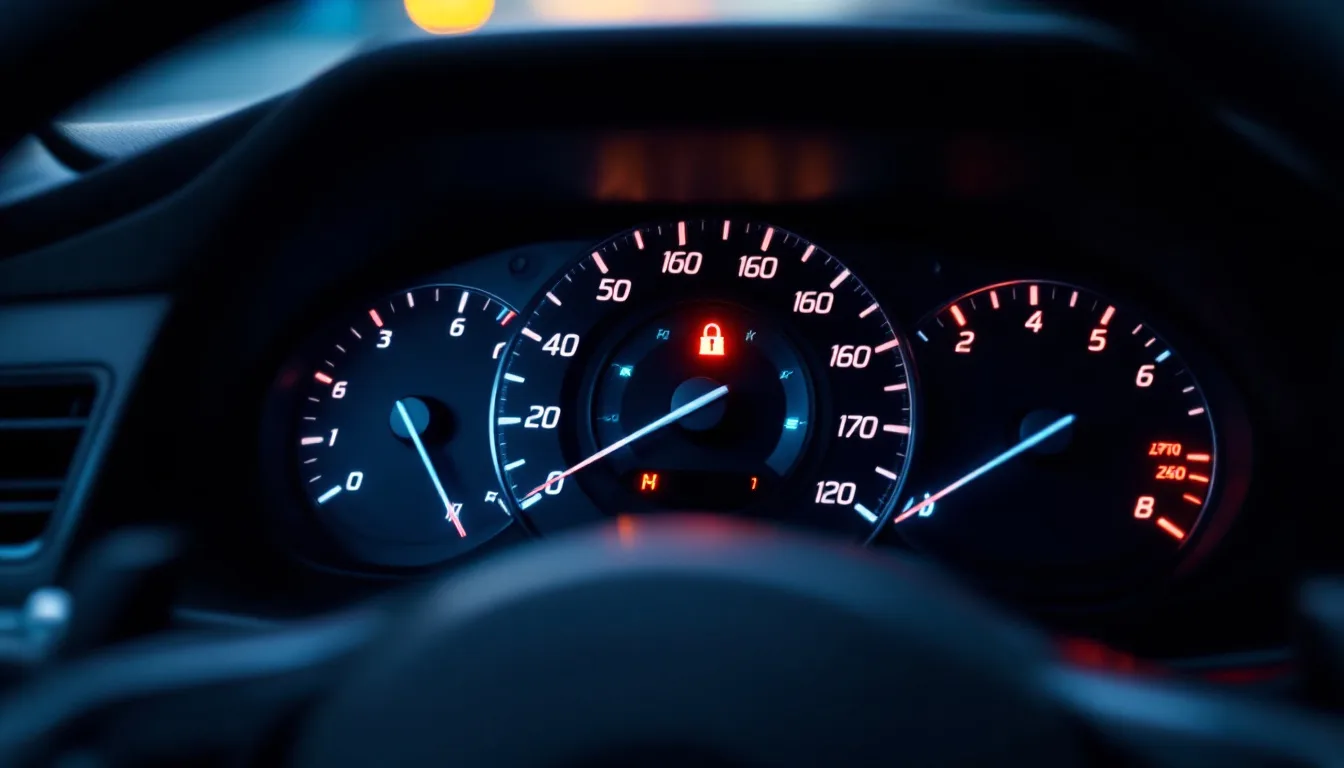
The theft indicator — a car-with-padlock or "THEFT" lamp on the cluster — has three basic behaviors worth knowing:
- Brief flash at key-on, then off: normal. PATS checked the key, approved it, done.
- Rapid or continuous flashing while the engine refuses to start: PATS rejected the key or never heard from it. This is the classic no-start complaint.
- Slow periodic blink with the ignition off: normal arming behavior on many models — the system advertising that it is on guard, not an error.
The pattern that matters is the second one. A Ford that cranks strongly but never fires while the theft light flashes is almost always an immobilizer handshake failure, not a fuel pump, battery, or starter problem. That distinction alone can save you a tow and a misdiagnosis — the FTC's auto-repair guidance (consumer.ftc.gov) is blunt about getting the right diagnosis before authorizing work, and PATS no-starts are a textbook case where the cheap fix (a key) gets misdiagnosed as an expensive one (a fuel system).
Key-side causes vs. vehicle-side causes
Here is the mental model we use on every PATS call. The handshake has two ends: the key and the vehicle. Key-side failures are common, cheap, and fixable at the curb. Vehicle-side failures are rarer and need diagnosis.
Key-side (most common):
- Damaged or dead transponder chip. Keys get dropped, run through washers, chewed by dogs. The blade still turns the cylinder, but the chip is dead — crank, flash, no start.
- Key lost its programming. Uncommon but real, especially after battery-disconnect events or aftermarket electronics installs.
- Cloned or aftermarket key that was never programmed properly. Mall-kiosk and hardware-store "copies" of transponder keys often duplicate the blade but not the chip.
- Dead smart-fob battery on push-to-start models. Many Fords have a backup fob slot or pocket for exactly this; sometimes the fix is a coin-cell battery.
Vehicle-side (less common, more serious):
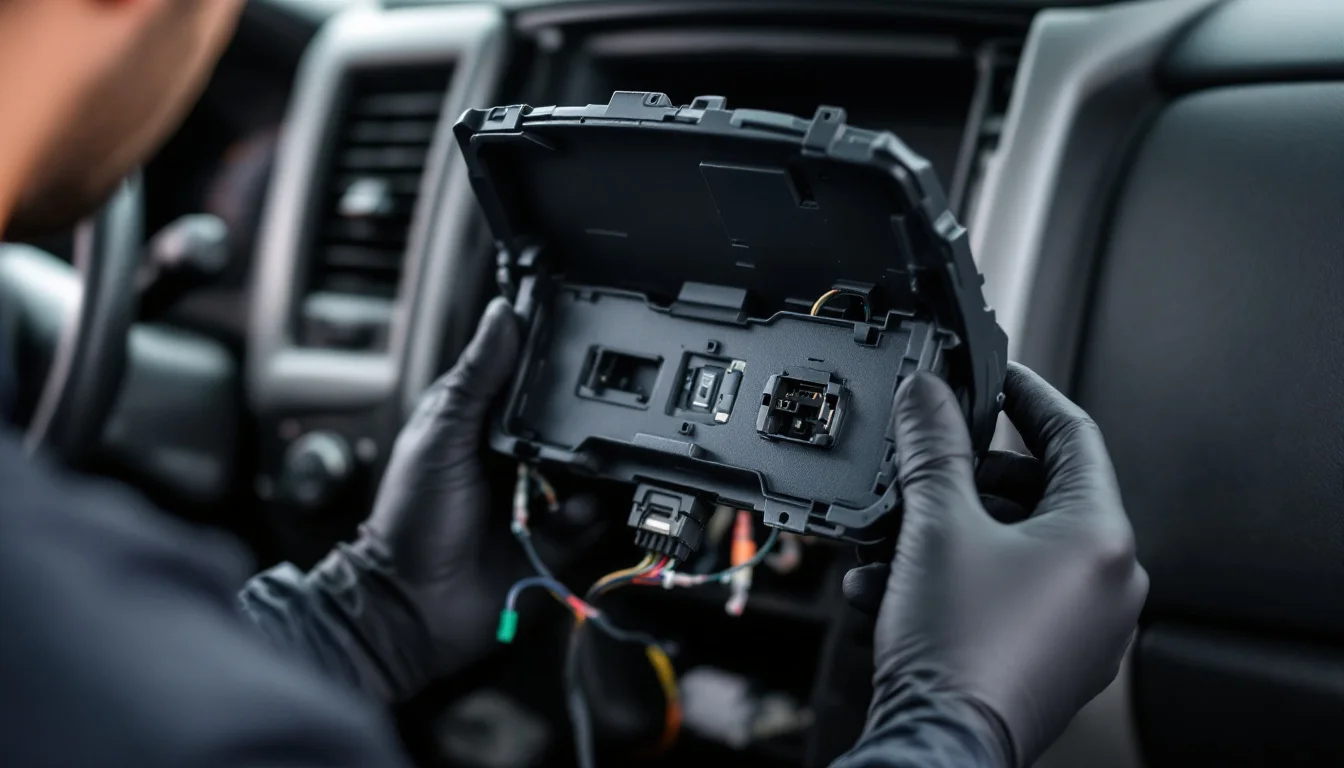
- PATS antenna/transceiver faults. The ring around the ignition cylinder that reads the chip can fail or its connector can loosen — every key gets rejected.
- Wiring or connector damage between the transceiver and the vehicle's modules.
- Module-level faults or lost synchronization between the immobilizer function and the powertrain computer — sometimes after a dead battery, a jump start gone wrong, or a used-module swap that was never matched to the vehicle.
- A worn ignition cylinder confusing the picture: if the key physically sticks, grinds, or won't turn, that is mechanical, not PATS — see our ignition repair service ($150–$550) and the ignition cylinder vs. immobilizer fault guide.
The single most useful test you can do yourself: try your spare key. If the spare starts the truck, the problem is the first key — a straightforward, inexpensive key replacement. If both keys are rejected, the fault is almost certainly vehicle-side. This is also the best argument for keeping a spare at all; our spare key guide does the math.
Symptom → likely cause → typical fix
| Symptom | Likely cause | Typical fix |
|---|---|---|
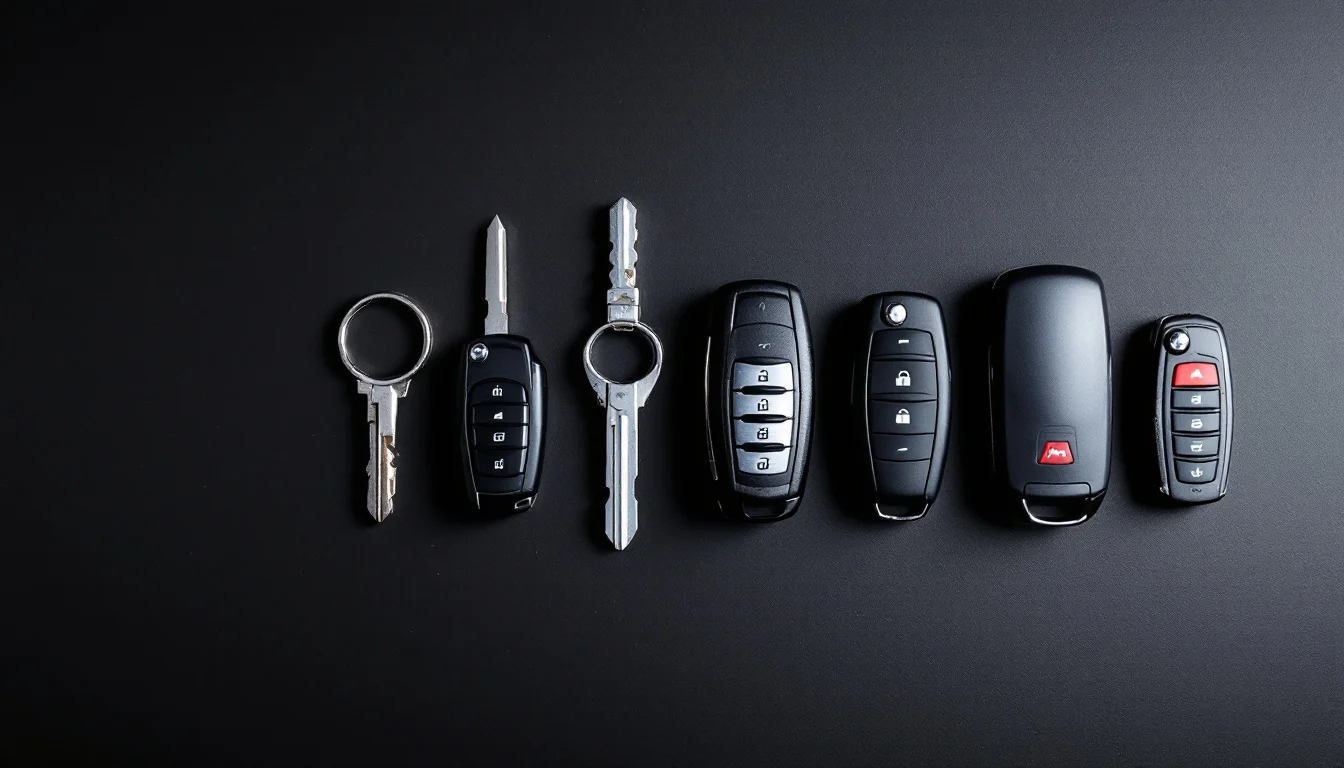
| Cranks, no start, theft light flashing; spare key works | Damaged/unprogrammed transponder in the failed key | Replace and program that key: transponder $150–$250, flip key $200–$350, smart fob $250–$500 |
| Cranks, no start, theft light flashing; ALL keys rejected | PATS transceiver, wiring, or module-side fault | Mobile diagnosis ($75–$150); module work ($150–$400 typical) quoted after a tech confirms your setup |
| Push-to-start Ford says "No key detected" | Dead fob battery or failing fob | Fob battery first; replace/program fob if the fob itself failed |
| Intermittent no-start, jiggling the key sometimes helps | Worn ignition cylinder (mechanical) or loose transceiver ring | Wafer rebuild $150–$280 or cylinder replacement $280–$550 |
| No-start right after buying only ONE new key elsewhere | Programming session incomplete or wrong chip type | Correct-spec key programmed on-site |
| Theft light on after battery died/jump start | Modules lost sync during power loss | Re-sync/diagnostic visit; usually no parts needed |
PATS on the newest Fords: the light becomes a message
On the 2021-2026 F-150 and most current push-button Fords, you may never see the old flashing padlock alone — the cluster also shows a text message such as a key not detected or a no-key warning. The handshake underneath is the same: the truck is refusing a key it cannot verify. What changes is the key itself. A turn-key XL or base XLT still uses a flip key with a transponder chip, while push-button Lariat and higher trucks use an Intelligent Access fob, and the two are priced differently. Our 2021-2026 F-150 keys by trim guide shows how to tell which one you have, and our Ford and Lincoln spare key cost guide shows why adding a second key before a PATS rejection is far cheaper than recovering from one.
What a mobile locksmith actually does at your Ford
When Locksmith Fort Worth takes a PATS call, the visit runs in a fixed order — and because we are mobile-only and 24/7, it happens wherever the truck died, whether that's your driveway near Camp Bowie or a garage downtown in Sundance Square:
- Verify ownership. ID plus registration or insurance matching the vehicle. Legitimate access to Ford security data runs through the National Automotive Service Task Force's Vehicle Security Professional program (nastf.org), which audits every key-code and security transaction — so verification is non-negotiable, and that's a feature.
- Confirm it's really PATS. The tech checks the crank-no-start-plus-flashing-light signature, tests any spare, and scans the vehicle through the OBD-II port for immobilizer trouble codes.
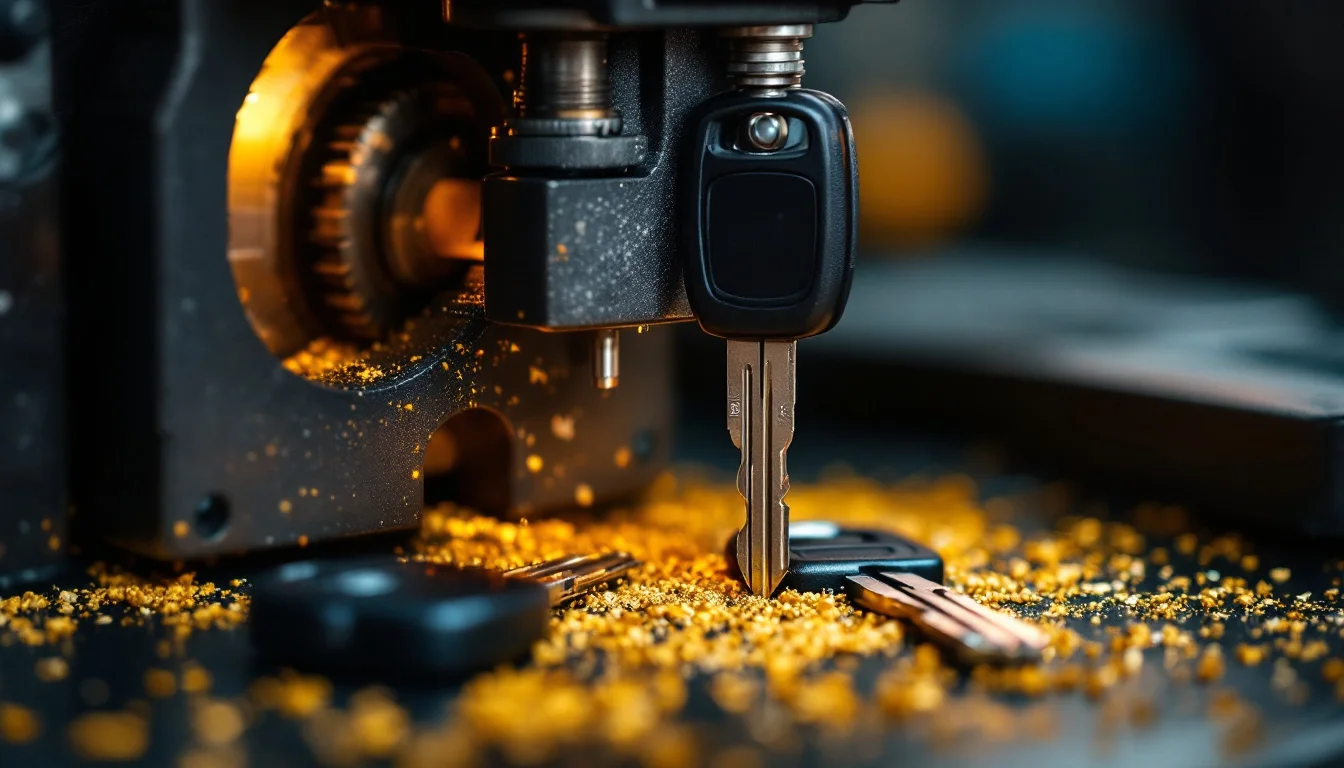
- Fix key-side problems on the spot. If the key or fob is the fault, the tech cuts a new blade (from the working key or from the VIN key code), then programs the transponder or smart fob into PATS at the vehicle. Same-visit, 30–90 minutes typical. This is standard car key replacement — $150–$850 depending on whether you need a basic transponder key or a proximity fob, with all-keys-lost at the upper end (see our Ford key cost breakdown).
- Diagnose vehicle-side problems honestly. If every key is rejected, the tech isolates whether the failure is the transceiver ring, wiring, or a module. Some of this is fixable curbside; genuine module-level programming is quoted only after diagnosis — a tech confirms your exact setup first, because guessing at module work is how owners get charged twice. Our guide on when a car needs module programming, not just a key explains where that line sits.
What we will not do is sell you an "immobilizer delete" or bypass so the truck starts without security. Beyond the legal and insurance problems, the FBI's vehicle-theft resources (fbi.gov) make the obvious point: a defeated immobilizer is a gift to thieves, and DFW's vehicle-theft numbers don't need the help.
Can you "reset" PATS yourself?
The internet is full of Ford anti-theft "reset tricks" — leave the key on for ten minutes, disconnect the battery, lock and unlock the driver's door. Here's the honest version: on some older Fords, a timed relearn behavior exists in limited situations, and a battery disconnect occasionally clears a transient glitch. But none of these procedures programs a new key, none fixes a dead transponder, and none repairs a failed transceiver. If the light keeps flashing after one simple attempt, more YouTube is not the answer — the system is rejecting the key for a reason, and repeated random resets can leave the vehicle harder to recover. The DIY step that is always worth doing on a push-to-start Ford: replace the fob's coin-cell battery and try the backup fob pocket described in your owner's manual.
Also keep basic preparedness in mind — DHS's Ready campaign (ready.gov) recommends households plan for vehicle disruptions the same way they plan for power outages. A working spare key stored at home is the difference between a five-minute inconvenience and a stranded-at-midnight service call. If you're down to one working Ford key today, make the spare key appointment this week, not after the last key dies.
Why choose a licensed local locksmith for PATS work
Texas locksmiths operate under the Texas DPS Private Security Program — ask for license info, and expect the technician to volunteer ownership verification. Industry credentialing through ALOA Security Professionals Association (aloa.org) is another good sign you're dealing with a trained automotive locksmith rather than a lead-generation dispatcher. Locksmith Fort Worth is local, mobile-only, licensed, and reachable 24/7 at (817) 674-3595 or contact@locksmithfortworth.net — and if your PATS problem turns out to be an all-keys-lost situation, we handle that end-to-end too.
Frequently Asked Questions
What does the flashing theft light on my Ford mean?
It means PATS (Ford's SecuriLock immobilizer) did not recognize the key, so it disabled starting. The engine will crank but not fire. Most cases trace to the key itself — a damaged transponder chip, an unprogrammed copy, or a dead smart-fob battery — all fixable on-site by a mobile locksmith.
My Ford cranks but won't start — is it the fuel pump or the anti-theft system?
Check the theft light. A strong crank with no start while the theft indicator flashes rapidly points to PATS, not fuel. Try your spare key: if the spare starts it, the first key is bad. If both keys fail, you need immobilizer diagnosis rather than fuel-system parts.
How much does it cost to fix a Ford PATS problem in Fort Worth?
If the fix is a key or fob, expect $150–$850 all-in depending on key type, with basic transponder keys at the low end and smart fobs or all-keys-lost at the high end. Vehicle-side faults are diagnosed first; module-level work is quoted after a tech confirms your exact setup rather than as a flat price.
Can a locksmith reprogram Ford keys without going to the dealer?
Yes. PATS key programming on the vast majority of Fords is performed through the OBD-II port at the vehicle. A licensed mobile locksmith verifies ownership, cuts the key, and programs it curbside — no tow and no multi-day dealer appointment.
Why did my Ford's anti-theft light come on after a dead battery?
Power loss during a dead battery or jump start can occasionally knock immobilizer components out of sync, so PATS rejects keys that worked yesterday. Sometimes one clean key cycle clears it; if the light keeps flashing, a diagnostic visit re-syncs the system — usually with no new parts required.
Is it safe to bypass or delete the PATS system so my truck just starts?
No. Bypassing the immobilizer undermines the single most effective anti-theft feature on the vehicle, can violate insurance terms, and creates title and resale problems. A reputable licensed locksmith will fix the key or the failed component instead of disabling the security system.
References
- IIHS — Insurance Institute for Highway Safety, theft and immobilizer research
- NHTSA — National Highway Traffic Safety Administration
- NASTF — National Automotive Service Task Force, Vehicle Security Professional program
- FTC Consumer Advice — auto repair guidance
- FBI — vehicle theft resources
- ALOA Security Professionals Association
- Ready.gov — DHS preparedness