Ford F-150 Key Not Detected Fort Worth | Fix Guide
Quick answer: The F-150's "Key Not Detected" message has three common causes, from cheapest to most serious: a dead fob battery (a coin cell you can often swap yourself), a failed or damaged proximity key that needs replacing and programming, or an immobilizer/module fault in the truck itself. Try the backup-start trick first, then a fresh battery. If it still won't recognize the key, you likely need a new smart key programmed or diagnostics — key work runs $150–$850, and any module-side problem is diagnostic-then-quote. Locksmith Fort Worth is mobile and 24/7: (817) 674-3595, push-to-start smart key service.
As of September 2026, "Key Not Detected" is one of the most common F-150 messages we're called about in Fort Worth — and the good news is that it's often the cheapest problem a truck can throw at you. The bad news is that the same three words on your cluster can mean a two-dollar coin cell or a real security-system fault, and the phone quote you get depends entirely on which one it is. This guide walks you through diagnosing it in your own driveway, so you know what you're dealing with before anyone opens a toolkit.
What "Key Not Detected" Actually Means
Your F-150's push-button start works by listening for a low-frequency signal from the smart key. When you press the brake and hit START, the truck's system pings for that key inside the cabin. If it doesn't get a clean answer, it flashes Key Not Detected (some model years phrase it slightly differently) and refuses to crank. That refusal is deliberate anti-theft design — the immobilizer will not let the engine run for a key it can't authenticate.
So the message isn't telling you the key is broken. It's telling you the truck couldn't hear the key. That distinction is the whole diagnosis. The signal can fail for a weak reason (dead battery, bad position, interference) or a serious one (the key's electronics died, or a module in the truck stopped listening). You work from cheapest to most expensive.
Which F-150s Show "Key Not Detected"
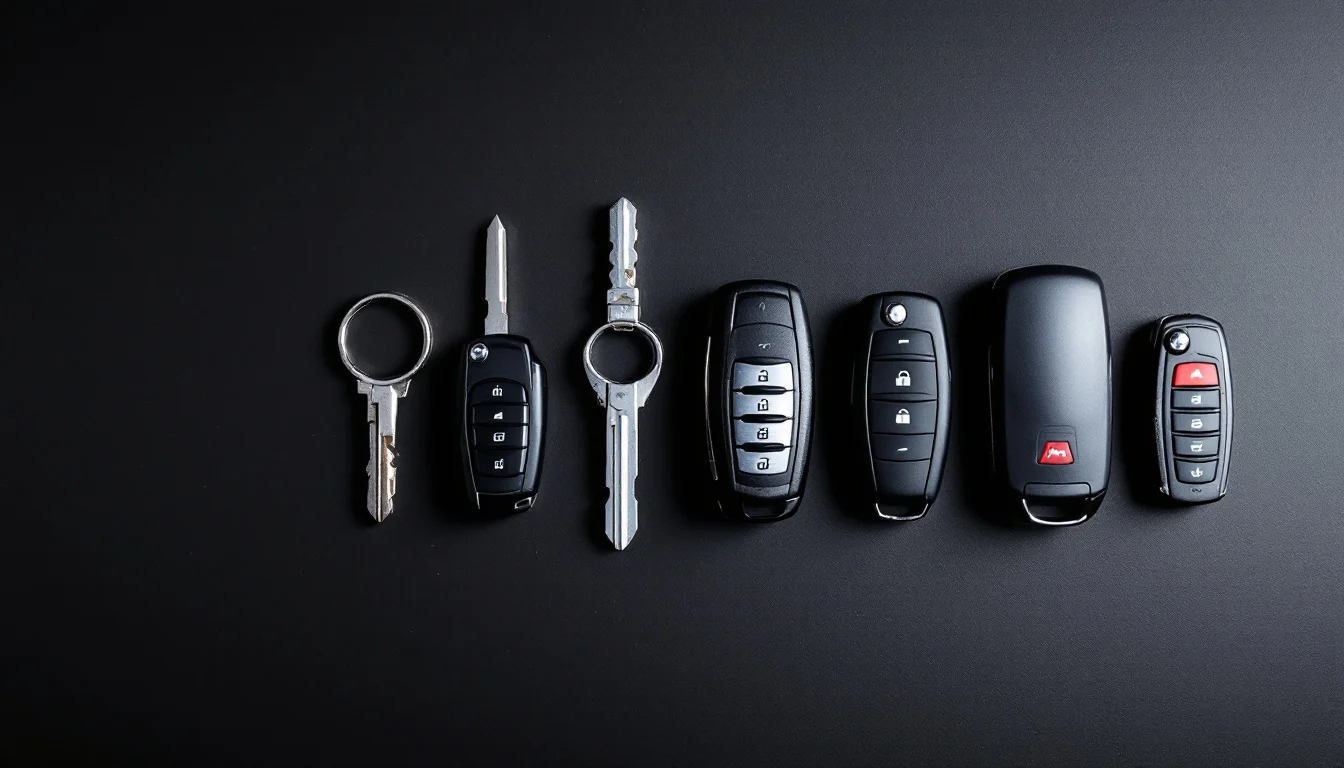
This message belongs to push-button trucks — the ones with an ENGINE START STOP button and an Intelligent Access fob. On the 2021-2026 trucks that is most Lariat, King Ranch, Platinum and Limited builds, plus XLTs with the higher equipment packages. A turn-key XL or base XLT uses a flip key and a transponder chip instead, and its no-start looks different. If you are not sure which key your truck carries, our 2021-2026 F-150 keys by trim guide sorts it out in one look at the dash, and explains why a 2026 F-150 Lariat fob costs more than an XL flip key.
Step 1: The Backup-Start Trick (Free, 30 Seconds)
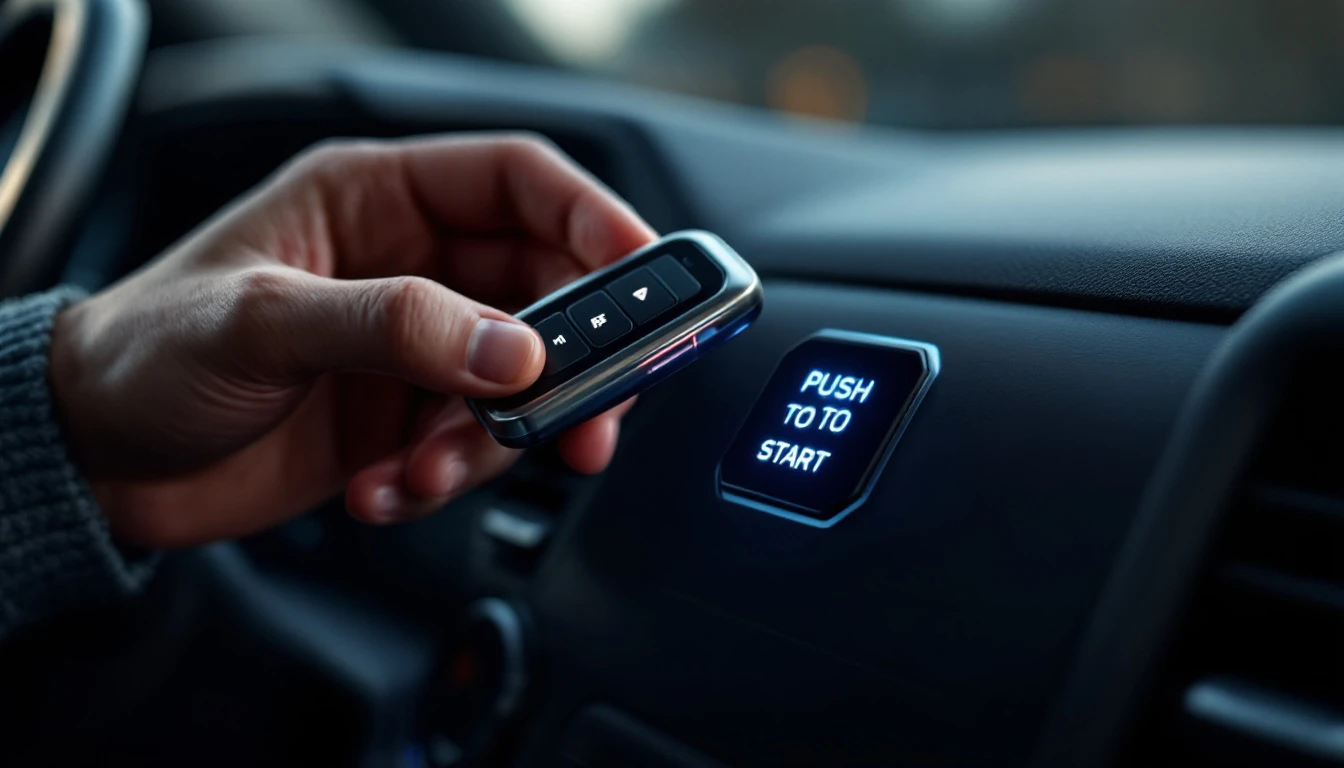
Every push-to-start F-150 has a physical backup so a dead fob battery doesn't strand you. Ford's method: with the message showing, place the smart key against or very near the START button and press it while your foot is on the brake. The truck reads the key's transponder chip at close range even when the fob's own battery is flat. Your exact backup location is printed in the owner's manual — the National Highway Traffic Safety Administration (NHTSA) keeps a searchable database of manuals and safety information by VIN if you've misplaced yours.
If the backup start works and the truck runs, you've just diagnosed the problem yourself: the fob battery is dead. That's a Step 2 fix. If the backup start doesn't work, the key's transponder or the truck's read side is suspect — skip ahead to Step 3.
Step 2: Replace the Fob Battery First
A weak coin cell is the single most common cause of "Key Not Detected," and Fort Worth's summer heat accelerates it — batteries drain faster in a truck that bakes in a parking lot all day. Most F-150 fobs take a common CR-type coin cell available at any grocery or hardware store. Pop the fob open at the seam (many have a physical key blade that levers it apart), note the orientation of the old cell, and drop in a fresh one.
A few honest cautions:
- Buy a name-brand battery. Cheap bulk cells are frequently half-drained on the shelf and will have you back to square one in a week.
- Mind the orientation. Backwards means no signal — an easy mistake that sends people to a locksmith for a problem they'd already solved.
- A brand-new battery that still shows the message points past the battery — the fob electronics or the truck are the issue. Don't keep swapping batteries hoping.
If a fresh battery clears the message, you're done and you spent a couple of dollars. If it doesn't, keep going.
Step 3: Is It the Key or the Truck?
This is the fork in the road, and it decides your cost. Two things can still be wrong: the proximity key itself has failed (physically damaged, water-logged, or its electronics are simply dead), or the truck's immobilizer/receiver side isn't reading a good key. Here's how to separate them.
Do you have a second F-150 key? Try it. If the spare works and the first one doesn't, your original key is the failure — you need a replacement smart key cut and programmed. If neither key works, the odds shift hard toward the truck: two keys rarely die at the same moment, so simultaneous failure points at the vehicle's security system.
Was there a trigger? A key that went through the wash, got crushed, or was dropped in a pool has a mechanical explanation. A truck that "just started doing this" with no key trauma — especially after a battery jump, an accessory install, or a no-start that came and went — leans toward a module or wiring fault. Our companion guide on telling an ignition-cylinder problem from an immobilizer fault walks through those look-alikes in more detail.
Any warning lights alongside it? A flashing anti-theft or security indicator is the truck announcing an immobilizer-chain concern, not a tired key. Ford's system has its own family of behaviors here; we cover them in Ford PATS and the anti-theft light.
Likely Cause, Typical Fix, and What It Costs
Here's the whole diagnosis in one view. Work top to bottom — the cheaper causes are also the common ones.
| Likely cause | How you'd know | Typical fix | Cost band |
|---|---|---|---|
| Dead fob battery | Backup-start against the button works; message clears after a fresh cell | Replace the coin-cell battery yourself | A few dollars (DIY) |
| Fob out of position / interference | Message clears when key is held near the START button | Reposition; keep the key off other fobs and phones | Free |
| Failed or damaged proximity key | A spare key works but this one won't, even with a new battery | New smart key cut and programmed to the truck | $200–$450 as a spare while another key works; $250–$500 replacement |
| All keys lost / no working key | No key starts the truck; you're locked out of starting | All-keys-lost programming from scratch | $200–$500 |
| Immobilizer / module fault | No key works, warning light present, key side rules out | On-site diagnostics ($75–$150), then targeted repair or programming | Diagnostic-then-quote |
Two notes on that table. First, key work is cheapest while you still have one working key: a spare Intelligent Access fob runs $200–$450, while the same fob after every key is lost moves into all-keys-lost service at $200–$500. That gap is the whole argument for adding a second fob before the first one dies. Second, anything on the truck side (a receiver or module that stopped reading good keys) is diagnostic-then-quote — we don't put a dollar figure on module work until a technician confirms your exact setup, because the honest price depends on what the diagnosis finds.
Why We Won't Quote Module Work Over the Phone
You'll notice we happily publish firm bands for keys and ignition repair ($150–$550) but never a number for a suspected module problem. That's not evasiveness — it's the only honest structure. Until diagnostics run on your specific F-150, nobody can tell whether the message is a dead key (bounded, priced) or a receiver fault that needs deeper work. The Federal Trade Commission (FTC consumer guidance) has documented the bait-quote pattern across the service trades for years: an impossibly low number on the phone, then pressure once the tech is on your driveway. The defense is simple — insist on diagnosis first, a firm written quote second, and work only third.
If your truck genuinely needs computer-side work rather than a key, our overview of when a vehicle needs module programming, not just a key explains what that involves in plain terms.
What a Mobile F-150 Visit Looks Like
Locksmith Fort Worth is mobile-only and 24/7, so a truck that won't start doesn't need a tow — the diagnostic gear comes to it, whether you're parked downtown near Sundance Square, at a jobsite off Camp Bowie, or anywhere across Fort Worth:
- Phone triage. Model year, whether a spare key exists, what the message and any lights show, and what happened just before. Some of these we can talk you through for free — no visit needed.
- On-site verification. Photo ID and registration or title matching the truck. Any professional should check ownership before touching a vehicle's security system; the Associated Locksmiths of America (ALOA) treats that verification as standard, and so do we.
- Diagnosis. The tech confirms whether it's the key or the truck — the fork from Step 3, settled with equipment instead of guesswork.
- Firm quote, your call. Full findings and full price before any work.
- Program and verify. A replacement key is cut and married to the truck, then tested — start, lock, unlock — before the tech leaves.
One preparedness note while your truck still runs: keep two working keys. An F-150 that's down to a single smart key is one dead fob away from an all-keys-lost job, which sits at the pricier end of the band. The Department of Homeland Security's Ready.gov already lists spare keys as basic readiness — a spare F-150 key is cheap insurance against a much more expensive week.
Frequently Asked Questions
Why does my F-150 say "Key Not Detected" when the key is right there?
The message means the truck couldn't read a clean signal from the key, not that the key is missing. The most common reason is a dead fob battery — the electronics inside the fob need power to answer the truck's ping. Try holding the key against the START button (the backup-start method) and replacing the coin-cell battery before assuming anything worse.
Can I fix "Key Not Detected" myself?
Often, yes. If the backup-start trick works and a fresh name-brand coin-cell battery clears the message, you've fixed it for a couple of dollars. If a new battery doesn't help and a spare key also fails, the problem is on the truck's side and needs diagnostics — that's not a DIY fix.
How much is a replacement F-150 smart key in Fort Worth?
Key work falls in our $150–$850 band. A straightforward proximity-key replacement when you still have a working spare sits toward the lower part of that range; an all-keys-lost job on a newer F-150, where the key must be built from scratch, sits higher. A technician confirms the exact figure before any work.
None of my F-150 keys work now. What does that mean?
Two keys rarely fail at the same moment, so simultaneous failure usually points at the truck rather than the keys — an immobilizer or module fault in the security chain. That's diagnostic-then-quote work: a tech reads the vehicle on-site to find the actual fault before pricing anything.
Is a flashing security light the same as "Key Not Detected"?
Not quite. "Key Not Detected" is about the truck failing to read the key at that moment. A flashing anti-theft or security indicator is the immobilizer system flagging a deeper concern. They can appear together, and when they do, the odds tilt toward a vehicle-side fault rather than a simple dead battery.
Do you come out at night or on weekends for an F-150 that won't start?
Yes — Locksmith Fort Worth is 24/7 and mobile-only across Fort Worth. A truck that won't crank can't drive to us, so the diagnostic equipment comes to it: home, jobsite, or roadside. Call (817) 674-3595 or email contact@locksmithfortworth.net.