When Your Car Needs Module Programming — Not Just a Key (Fort Worth 2026)
Quick answer: Most Fort Worth "my car won't start" and "my key won't work" jobs are solved by cutting and programming a transponder or smart key against the vehicle's immobilizer — a job a mobile locksmith does on site in 30-120 minutes. But a smaller share of cars genuinely need a computer or module programmed or replaced — the ECU/ECM (engine computer), BCM (body control module), or the immobilizer control unit itself. Telling the two apart before anyone spends money is the whole game. As of July 2026, key-side work in Fort Worth runs $150-$850 depending on make, while true module diagnosis and coding is quoted only after we confirm your VIN and read the vehicle.
Key programming versus module programming — they are not the same thing
There is a lot of loose talk online that treats "programming" as one service. In practice, an automotive locksmith deals with two very different kinds of programming, and the cost, time, and equipment for each are worlds apart.
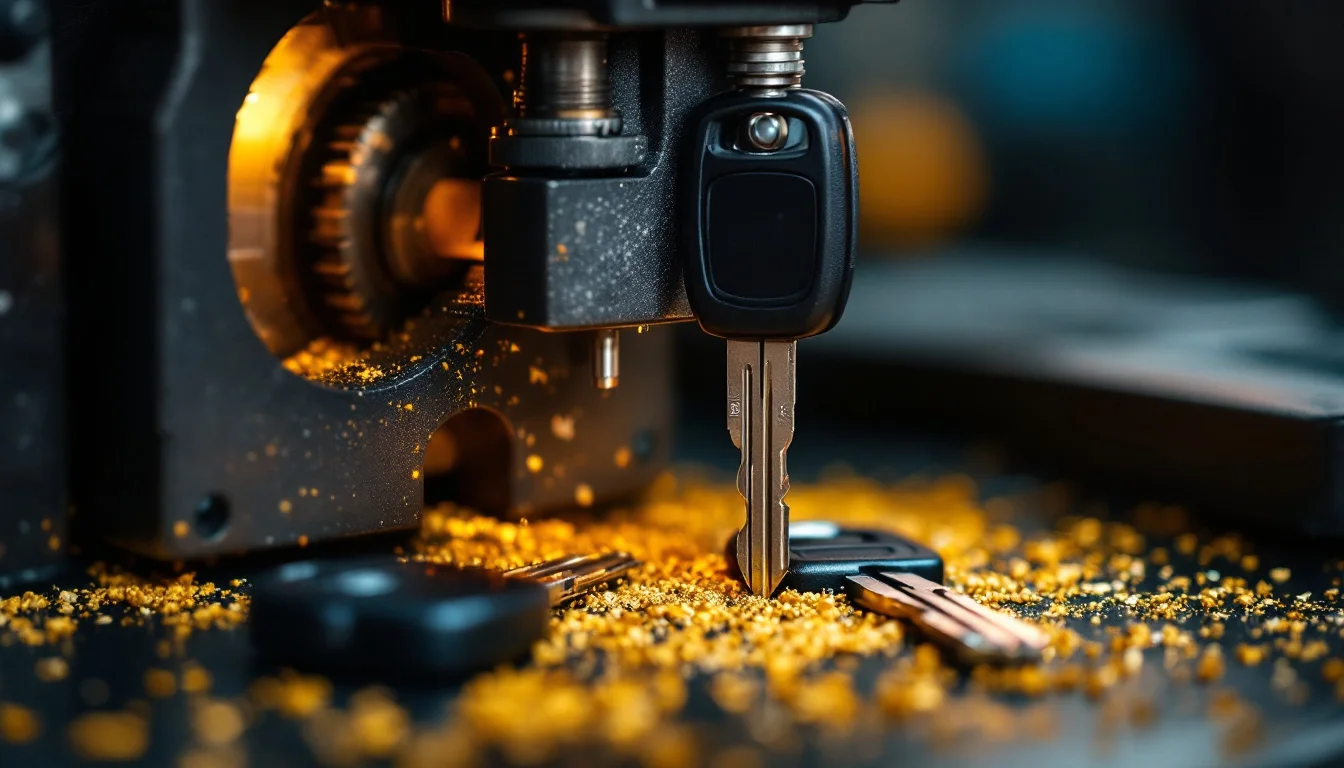
Key programming is the everyday job. Every car built since roughly the late 1990s carries an immobilizer — a theft-deterrent system that will crank the engine but refuse to let it run unless it reads an authorized transponder chip. When you lose a key, break a key, or buy a used car with only one key, the fix is to cut a new mechanical blade to your VIN and then enroll a fresh chip into the immobilizer so the car recognizes it. Nothing inside the car is being rewritten — a new credential is simply being added to a list the car already keeps.
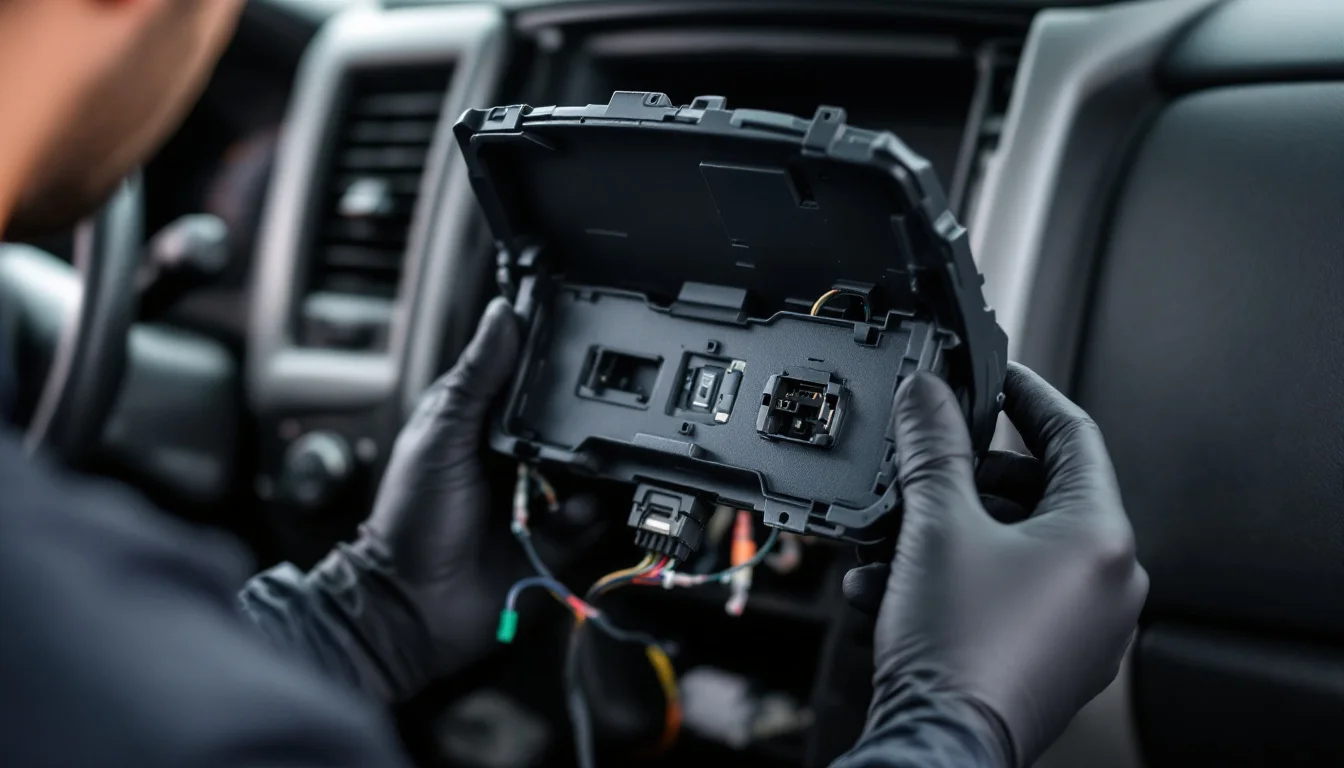
Module programming is the exception. Here the computer itself is the problem. A module is a small networked computer — the ECU/ECM that runs the engine, the BCM that runs doors, lights, and often the immobilizer function, the TCM that runs the transmission, and so on. When one of these is replaced (after theft damage, water damage, or a hardware failure) or when its software is corrupted, a technician has to program, flash, or code the module so it matches your specific vehicle. That is a much heavier operation, often requiring manufacturer software, a stable battery maintainer, and sometimes a dealer-side step no locksmith can perform.
The single most useful thing a Fort Worth driver can know is this: 95% of the time you need key programming, not module programming — but the symptoms can look identical from the driver's seat.
Symptoms that point to a key problem (the common case)
If your situation matches these, you are almost certainly looking at a straightforward car key replacement, not a computer repair:
- You lost your only key or are down to one and want a spare.
- The key turns or the push-button lights up, the engine cranks, but it will not stay running — often with a security or immobilizer light flashing.
- You bought a used car with one key and no history.
- The remote/fob buttons stopped working but the car still starts with the key in the ignition or the fob in the cup holder.
- A worn key blade no longer turns smoothly, but electronics are fine.
In every one of these, the vehicle's computers are healthy. The car is doing exactly what it was designed to do — refuse an unrecognized credential. The remedy is to add a recognized one. On most Toyota, Honda, Ford, Chevrolet, Nissan, Hyundai, Kia, and Jeep models we do this at your location through the OBD-II diagnostic port with no tow and no dealer visit.
Symptoms that point to a real module problem (the rare case)
These are the flags that suggest the computer itself — not the key — is the issue:
- The car recently had theft damage, a break-in, or a punched ignition, and now nothing electronic responds correctly.
- The vehicle sat in flooding or water intrusion (relevant after North Texas storms) and modules are behaving erratically.
- A shop replaced the engine computer, BCM, or cluster and the car now will not accept any key, or throws immobilizer faults it never had before.
- Multiple unrelated systems fail at once — dash warning lights, no communication with scan tools, dead accessories — pointing to a module or network (CAN bus) fault rather than a key.
- The immobilizer light behaves randomly and the fault codes point to the control module, not the transponder.
When we read the vehicle and the scan tool cannot even communicate with the immobilizer or BCM, that tells us the problem is upstream of the key. At that point the honest answer is diagnosis first, quote second — and sometimes a referral to a dealer or a module-repair specialist for the portion no independent locksmith can legally or technically complete.
How a Fort Worth mobile locksmith tells them apart
The diagnosis is not guesswork. When we arrive for a no-start, the sequence is roughly:
- Confirm the VIN and pull the vehicle's security profile. The VIN tells us the exact immobilizer system, the chip type, and whether the make requires a dealer step. This is also why every honest quote is "firm after we confirm your VIN."
- Verify the basics first. A dead 12-volt battery, a blown fuse, or a failed starter mimics an immobilizer fault. We rule out the cheap causes before touching programming.
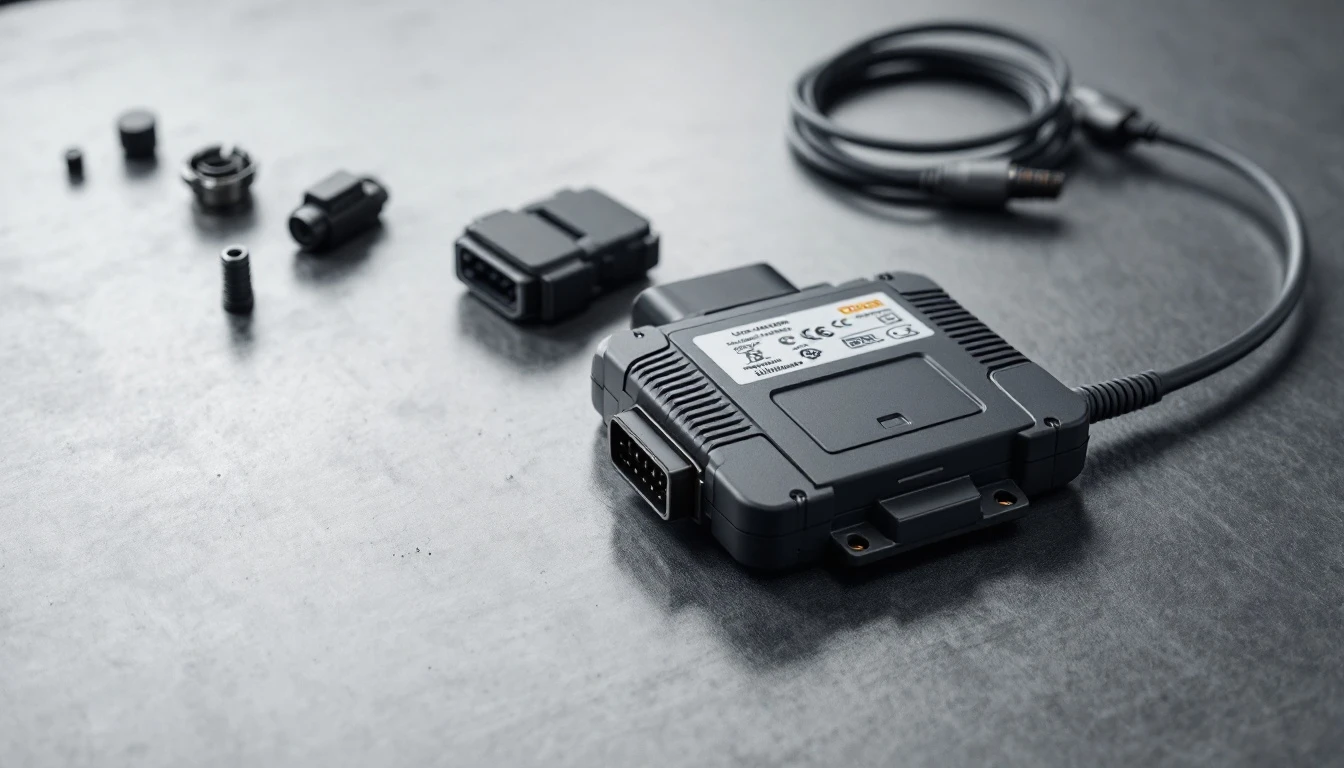
- Read the modules with an OBD-II scan tool. If the tool talks to the immobilizer and simply reports "key not recognized," that is a key job. If the tool cannot reach the module at all, or the module reports internal faults, that is a module job.
- Attempt an enrollment. On a key-side problem, adding a new chip resolves it in minutes. If enrollment fails cleanly and the modules are otherwise healthy, we escalate.
This methodical order matters because it protects your wallet. As the U.S. Federal Trade Commission notes in its consumer guidance on auto repair, you are entitled to an estimate and an explanation before authorizing work — a good locksmith gives you the "key versus module" answer before the meter runs, not after.
What module programming actually involves by brand
Drivers understandably want brand-specific answers. Here is the general-altitude version — enough to set expectations, without pretending every model is identical.
- Domestic (Ford, GM, Chrysler/Dodge/Jeep/Ram): Ford's PATS and GM's anti-theft systems are well-documented. Most key work is on-site. Genuine module work — a replaced PCM or BCM — usually needs the module configured to the VIN. Some GM modules can be programmed via the vehicle; some require a subscription to the manufacturer service portal.
- Asian (Toyota/Lexus, Honda/Acura, Nissan/Infiniti, Hyundai, Kia): These are the friendliest for on-site key programming. Module replacement is less common but, when needed, Toyota and Honda immobilizer resets can require secured seed-key access through the manufacturer's technical portal. Mitsubishi sits slightly apart from the rest of this group — immobilizer programming on the Outlander and Eclipse Cross follows its own process and is worth reading separately if that is your vehicle.
- European (BMW, Mercedes-Benz, Audi/VW, Volvo): The highest complexity. BMW CAS/FEM, Mercedes EZS/EIS, and Audi/VW immobilizer generations often need special tooling even for keys, and true module coding frequently lands partly at the dealer. This is why European key jobs sit at the top of the price band and why we are candid when a step must go to the dealer.
Access to the security data that makes legitimate programming possible is coordinated industry-wide. The National Automotive Service Task Force (NASTF) runs the Vehicle Security Professional (VSP) registry and the Secure Data Release Model that lets vetted, registered locksmiths obtain the codes and access required to cut and program keys legally. If a "locksmith" is doing modern immobilizer work with no NASTF credentials, that is a red flag.
Fort Worth cost and timeline expectations (2026)
The table below sets realistic ranges. Key-side numbers come straight from our published automotive pricing bands; module-side numbers are intentionally shown as "diagnose first" because the honest figure only exists after we read your specific car.
| Scenario | What is actually happening | Typical Fort Worth range (2026) | On-site? |
|---|---|---|---|
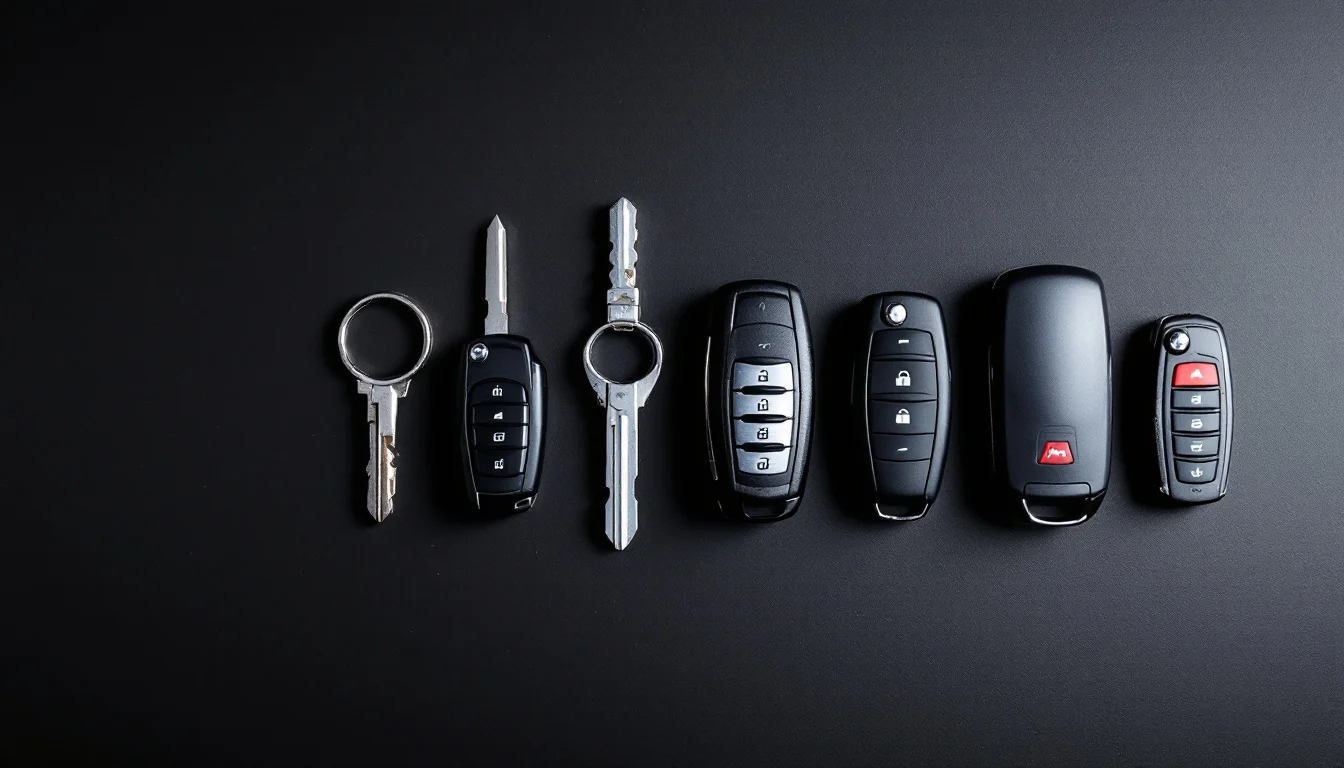
| Spare transponder / basic key | Add one chip to a healthy immobilizer | $150-$250 | Yes |
| Flip key with remote | Cut blade + program chip + remote | $200-$350 | Yes |
| Push-to-start smart key (domestic/Asian) | Enroll proximity fob | $250-$500 | Yes |
| European smart key (BMW/Mercedes/Audi) | Enroll fob, higher tooling/labor | $400-$850 | Usually |
| All-keys-lost | Program with zero working keys present | Upper end of the applicable band | Often |
| BCM/ECU/immobilizer module replaced | Configure/code module to VIN | Quoted after VIN + on-vehicle read | Sometimes |
Timelines follow the same logic: most standard domestic and Asian key jobs finish in 30-60 minutes on site; European push-to-start enrollment runs 60-120 minutes; genuine module configuration is variable and occasionally requires a dealer round-trip we will tell you about upfront. Whatever the job, we serve the whole metro — from Downtown and Sundance Square to the TCU and Berry Street area and Alliance Town Center — and we quote before we cut.
"The immobilizer did its job — it kept the car from running for anyone without the right key. Our job is to add a key it trusts, or to tell you honestly when the computer, not the key, is what's broken."
If your dashboard is throwing a wall of warning lights and multiple systems are dead, read our companion piece on ignition cylinder failure versus an immobilizer or module fault — it walks through the "won't start" decision tree in more detail. And if you are specifically weighing a modern proximity fob, our push-to-start smart-key replacement guide breaks the timelines down by region of origin.
Frequently Asked Questions
How do I know if my car needs module programming or just a new key?
If the engine cranks but won't stay running with a security light on, and a scan tool can still communicate with the immobilizer, it is almost always a key-enrollment job — the common, affordable case. Module programming is only likely when the computer itself was replaced or damaged (theft, flooding, a failed BCM/ECU) or when a scan tool cannot even reach the module. A mobile locksmith confirms which by reading your VIN and the vehicle before quoting, so you are never guessing.
How much does car module or key programming cost in Fort Worth?
As of July 2026, key-side programming in Fort Worth runs $150-$250 for a basic transponder, $200-$350 for a flip key with a remote, $250-$500 for a domestic or Asian push-to-start smart key, and $400-$850 for European brands like BMW, Mercedes-Benz, and Audi. True module configuration (after an ECU, BCM, or immobilizer unit is replaced) is quoted only after we confirm your VIN and read the car, because the honest figure depends on the exact make, model, and whether a dealer step is required.
Can a mobile locksmith program my car's computer at my location?
Most key programming happens on site through the OBD-II diagnostic port — no tow required — across the Fort Worth metro. Genuine module work is different: some modules can be configured on the vehicle, while others require manufacturer software or a dealer-side step that no independent locksmith can perform. We tell you which category your car falls into before starting, so you are not surprised mid-job.
Why does my car crank but not start with a flashing security light?
That specific pattern — cranking, no sustained run, and a blinking immobilizer or security light — is the classic signature of an immobilizer that does not recognize the key's transponder. The engine's computer is deliberately cutting fuel or spark until an authorized chip is read. It usually means you need a key programmed, not a computer repaired. We verify by scanning the immobilizer; if it responds normally, enrolling a new key resolves it.
Do you need the dealer for BMW, Mercedes, or Audi programming?
Often, but not always. European immobilizer generations (BMW CAS/FEM, Mercedes EZS/EIS, Audi/VW) frequently need specialized tooling even for routine key enrollment, and certain module-coding steps genuinely land at the dealer. We handle the on-site portions we can complete legally with our NASTF-registered access and are upfront when a specific step must go to the dealer, so you get a clear plan rather than a runaround.
Is it legal for a locksmith to program my immobilizer?
Yes, when the locksmith is properly registered. Legitimate access to the security data needed to cut and program modern keys is coordinated through the National Automotive Service Task Force (NASTF) Vehicle Security Professional registry and its Secure Data Release Model. A registered mobile locksmith can obtain the codes and access required to program your immobilizer lawfully. Anyone doing modern immobilizer work without NASTF credentials should raise concern.
References
- U.S. Federal Trade Commission — Consumer Advice on Auto Repair and written estimates: https://consumer.ftc.gov/articles/auto-repair-basics
- National Automotive Service Task Force (NASTF) — Vehicle Security Professional registry and Secure Data Release Model: https://wp.nastf.org/
- National Highway Traffic Safety Administration (NHTSA) — Anti-theft and vehicle security information: https://www.nhtsa.gov/
- SAE International — Vehicle network and onboard diagnostics standards: https://www.sae.org/
- Associated Locksmiths of America (ALOA) — Professional standards and consumer resources: https://www.aloa.org/
- Texas Department of Public Safety, Private Security Program — Locksmith licensing and regulation in Texas: https://www.dps.texas.gov/