Ford BCM and Smart Junction Box Programming in Fort Worth — Symptoms, Causes and What Happens Next in 2026
Quick answer: A Ford body control module — the Smart Junction Box on many models — is the computer that runs your interior electronics, exterior lighting, door locks, keyless entry, and the relay of key and immobilizer data between your key and the rest of the vehicle. When it fails, the giveaway is that every fob dies at once, or unrelated electrical systems misbehave together, or a known-good key produces a no-crank. Module work is always diagnose-then-quote — a tech confirms your exact setup and quotes before any work — while a genuine key-side fault is straightforward $150–$850 key replacement. Reach us at (817) 674-3595, 24/7.
As of August 2026, "body control module" is a phrase most Fort Worth drivers first hear at the worst possible moment: after they have already bought two new fobs that did not fix anything. That sequence is the whole reason this guide exists. Ford body modules and key problems produce overlapping symptoms, and the wrong first guess is expensive in a way that a correct diagnosis never is.
This is a customer-facing explanation, not a technician teardown. The goal is that you can look at what your Ford is doing, form a sensible expectation about whether you are in key territory or module territory, and know what a competent mobile tech should be doing at your curb.
What the body control module actually does on your Ford
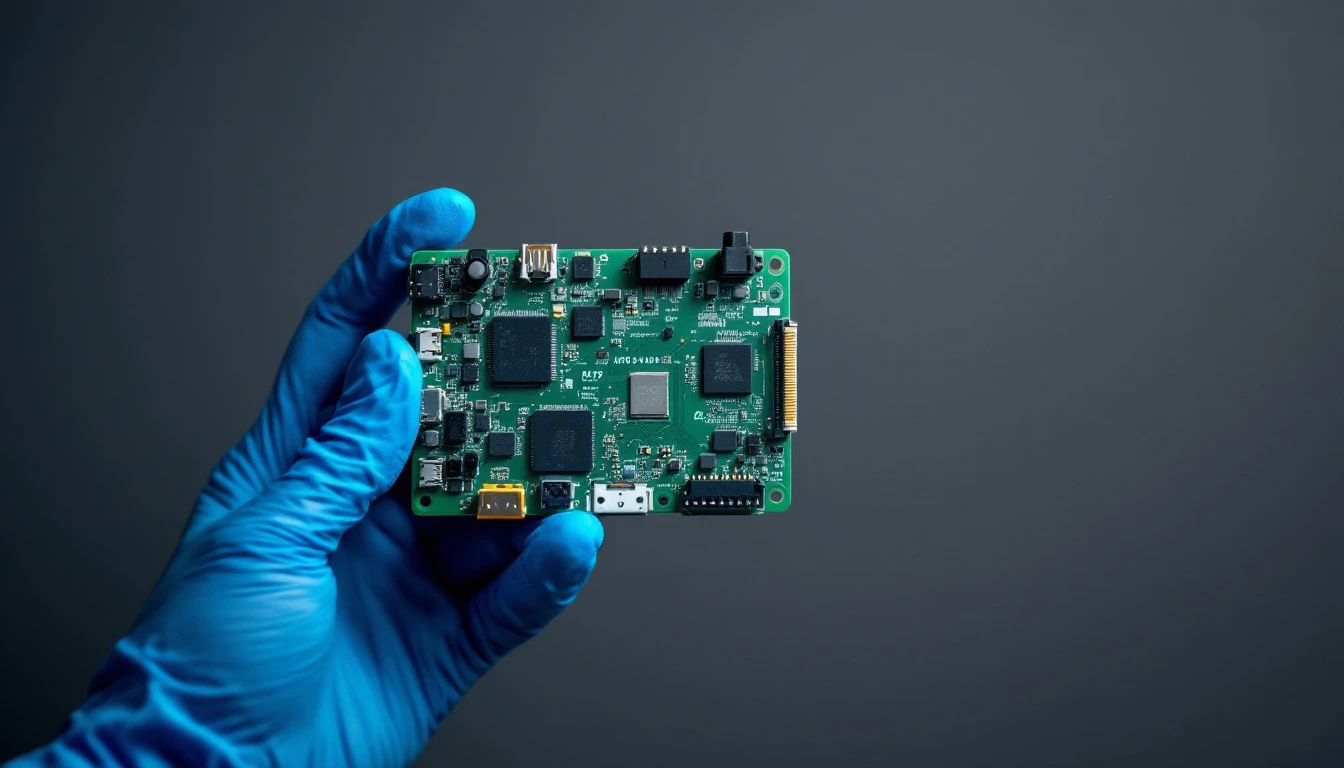
Think of the body control module as the building manager for everything in the vehicle that is not the engine and transmission. Ford has used the name Smart Junction Box on many models because the unit physically combines a fuse-and-relay box with a computer — it does not just decide what should happen, it distributes the power that makes it happen.
In everyday terms it is responsible for:
- Door locks and keyless entry. Every lock, unlock, and remote command routes through it.
- Interior and exterior lighting. Dome lights, courtesy lamps, turn signals, running lights, the dimming behavior of your dash.
- Wipers, chimes, and warning behavior. The systems that seem trivial until several of them go strange in the same week.
- The security handshake. This is the part that matters to a locksmith. On many Fords the body module participates in reading and relaying the credential from your key or proximity fob to the rest of the vehicle. The module is not usually the thing that decides your key is valid, but it is very often part of the conversation, which is why a module fault can present as a key fault.
That last point is the entire diagnostic problem in one sentence. A key that is not being heard looks identical, from the driver's seat, to a key that is not being accepted.
The symptom pattern that points at the module
Individual symptoms mean very little. Patterns mean a lot. Three patterns move a Ford body module to the top of the suspect list.
Every fob failed at the same time. One fob dying is a fob. Both fobs dying on the same afternoon, with fresh batteries in each, is a receiver or a module. This is the single most useful signal you can give us over the phone.
Unrelated electrical systems are misbehaving together. Interior lights that will not shut off, a dome light that stays on, locks that cycle by themselves in a parked vehicle, a chime that fires for no reason, wipers with a mind of their own. Any one of these could be its own switch or relay. Several at once, on a vehicle that was fine a month ago, points at the thing they all have in common.
A known-good key produces a no-crank. Not a slow crank, not a dead battery click — the vehicle simply declines to turn over with a key that worked yesterday and works nowhere differently today. Combined with a theft indicator behaving oddly, this is a security-path problem rather than a mechanical one.
Two extra clues worth mentioning. Ford body modules sit where water can eventually reach them on some models, so a fault that appears after a hard North Texas storm or a flooded parking lot deserves suspicion. And a fault that appears immediately after a dead battery, a jump start, or an aftermarket electronics install has an obvious event to point at, which is genuinely useful information for the tech.
Symptom triage — key side, module side, and what happens next
| What the vehicle is doing | Likely key-side cause | Likely module-side cause | What happens next |
|---|---|---|---|
| One fob stopped working, the other is fine | Dead coin cell, damaged fob, lost pairing | Very unlikely | Battery first, then fob replace and pair on site, $150–$850 by fob type |
| All fobs dead at once, buttons do nothing | Very unlikely | Receiver or body module fault | On-site diagnosis, module work quoted only after the tech confirms your setup |
| Cranks strongly, never fires, theft light flashing | Transponder or fob not recognized | Security-path relay fault | Test the spare key first — if the spare starts it, it is key-side |
| No crank at all with a known-good key | Rare | Module not authorizing or not passing the start request | Scan and diagnose before any parts decision |
| Doors lock and unlock on their own while parked | Not a key fault | Body module output or lock-switch fault | Diagnosis; sometimes a switch, sometimes the module |
| Dome and courtesy lights behaving randomly | Not a key fault | Body module lighting control | Diagnosis; this alone is not a key job |
| Everything went strange right after a jump start | Occasionally lost sync | Power-event damage or lost configuration | Diagnosis, re-sync where possible, quote after |
The row worth memorizing is row three. If the engine cranks hard and never catches while a theft indicator flashes, try your spare before you assume anything expensive. Our guide on the blinking theft light on a Ford walks that test in detail, and it resolves a large majority of these calls in the cheap direction.
Why a replacement Ford BCM is never plug and play
This is the part that surprises owners most, and it is worth being precise about.
A body control module is not a fuse. It leaves the parts shelf as a generic unit that does not yet know anything about your specific vehicle. Before it can run your Ford it has to be configured to that vehicle — told the VIN, told which options and equipment your truck actually has, and brought into the security relationship the vehicle's other computers already share.
Three consequences follow from that.
A used module from a salvage yard carries someone else's identity. It was configured for a different VIN with different options, and on security-linked modules that history does not simply vanish because you unbolted it. Buying a cheap used unit online is one of the most reliable ways to turn a one-visit repair into a three-visit repair.
Configuration is a data operation, not a wrench operation. The physical swap is often the easy half. Making the vehicle recognize and trust the new unit is the skilled half, and it requires proper equipment and legitimate access to manufacturer security data. That access runs through the National Automotive Service Task Force's Vehicle Security Professional framework (nastf.org), which audits security transactions — which is exactly why a real technician asks for your ID and registration before touching a security-linked module.
Your keys may have to be re-established afterward. If the module that participated in the key handshake changes, the keys the vehicle trusted may need to be reintroduced. That is normal and expected, and a competent tech will tell you up front rather than discovering it as a surprise.
Because every one of these variables is vehicle-specific, module work is quoted after diagnosis rather than off a price list. Any provider willing to give you a firm module price over the phone, before anyone has looked at the vehicle, is guessing — and the FTC's auto-repair guidance (consumer.ftc.gov) is direct about insisting on a real diagnosis before you authorize work.
How the visit runs
A module programming call at Locksmith Fort Worth follows the same order every time, wherever the vehicle sits — a driveway, an office deck near the Cultural District, or a lot in the Stockyards.
- Ownership verification. Photo ID plus registration, title, or insurance matching the VIN. Non-negotiable on anything security-linked.
- Reproduce and observe. The tech watches the actual behavior rather than working from a description, because "the locks are weird" covers a dozen different faults.
- Scan. Fault codes, module communication, and whether the modules are even talking to each other on the network.
- Rule out the cheap causes first. Batteries, connectors, a corroded ground, a failed switch, a single bad fob. A surprising share of "module failures" end here, and that is a good outcome for you.
- Quote, then work. If it genuinely is the module, you get a scope and a price before anything is ordered or opened. If it is actually a key, you get key pricing instead — that is standard car key replacement at $150–$850 depending on key type, or an all-keys-lost session if nothing survives.
Ford is not unusual here. Every manufacturer has a body or gateway module that sits in the middle of the security conversation, and the diagnostic logic transfers cleanly — see how the same reasoning plays out on European hardware in our BMW FEM and BDC module guide, and on Korean vehicles in the Hyundai Tucson immobilizer module walkthrough.
One thing that never happens, on any make: we do not disable, delete, or bypass an immobilizer so a vehicle will start without security. Immobilizers work — the Insurance Institute for Highway Safety (iihs.org) has tracked their effect on theft rates for decades, NHTSA (nhtsa.gov) maintains the federal theft-prevention framework behind them, and the FBI's vehicle-theft resources (fbi.gov) make plain what a defeated immobilizer is worth to a thief. Texas locksmiths work under the Texas DPS Private Security Program, and proof of ownership is always required.
Call (817) 674-3595 or write contact@locksmithfortworth.net. We are mobile-only and answer around the clock.
Frequently Asked Questions
What does the body control module do on a Ford?
It manages the vehicle's body electronics — door locks, keyless entry, interior and exterior lighting, wipers, chimes — and on many models it participates in relaying key and immobilizer data to the rest of the vehicle. On Fords that use a Smart Junction Box, it also physically houses fuses and relays, so it distributes the power as well as the commands.
How do I know if my problem is the BCM or just the key?
Count your fobs. If one fob fails and the other works, it is the fob. If every fob dies at the same time, or several unrelated electrical systems act up together, or a known-good key gives you a no-crank, the module moves up the list. A scan at the vehicle settles it.
Can a mobile locksmith program a Ford BCM, or does it have to go to the dealer?
A properly equipped mobile automotive locksmith can diagnose the fault and handle configuration work at your vehicle, including re-establishing keys afterward. What no honest provider can do is quote module work sight unseen — it is diagnose-then-quote, because the scope depends on your exact configuration.
Is a used Ford body control module from a salvage yard a good way to save money?
Usually it costs more in the end. A used module arrives configured for a different VIN with different equipment, and on security-linked units that history creates real problems. The savings on the part frequently disappear into extra labor and return visits.
Why did all my Ford key fobs stop working on the same day?
Two independent fobs rarely fail together, so the shared component is the suspect — the receiver or the body module that processes their signal. Replace both coin cells first to rule out the trivial answer, then have the vehicle scanned rather than buying more fobs.
Will I need new keys after a Ford body module is replaced?
Often the existing keys can be reintroduced to the vehicle rather than replaced outright. Whether that is possible depends on your model and which module was changed, which is one more reason the work is scoped after diagnosis instead of quoted blind.