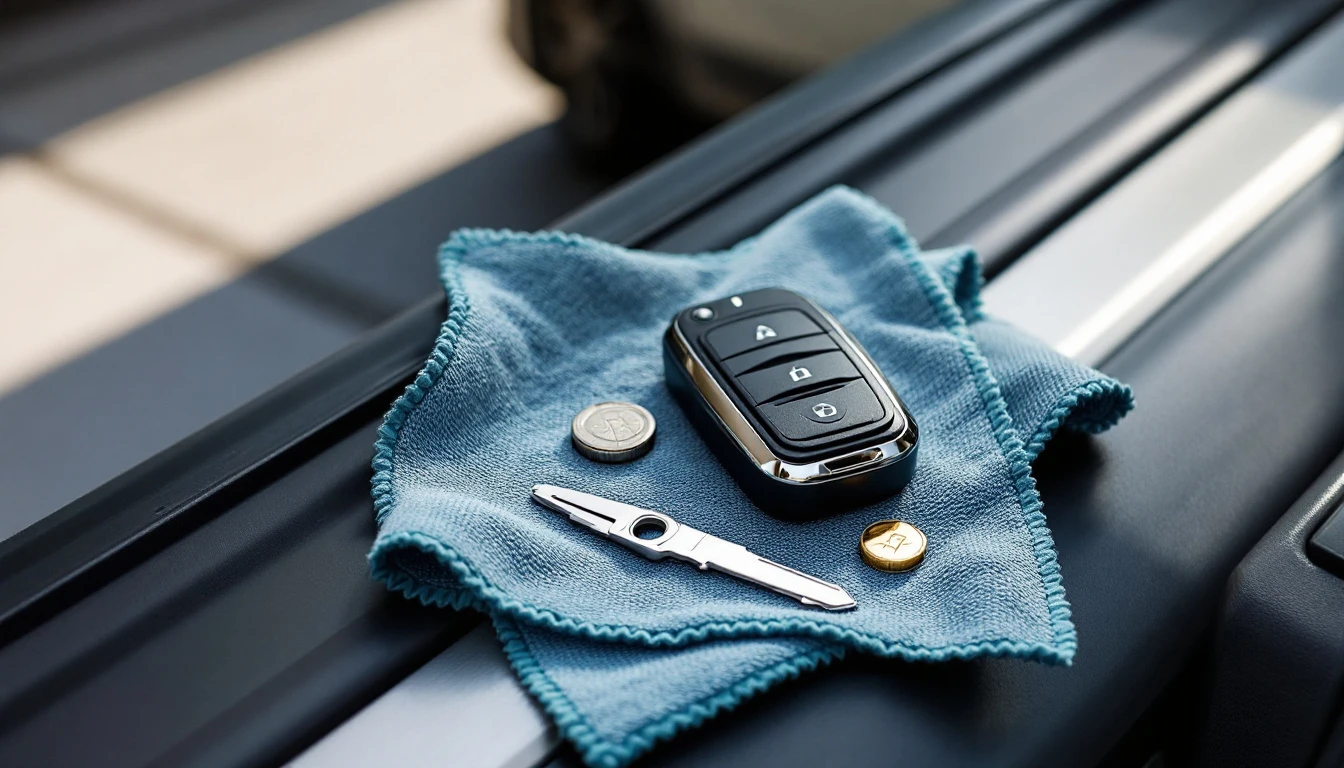
Lincoln MKZ, MKC & MKX Ignition Repair in Fort Worth: Key Will Not Turn (2026)
Quick answer: Ignition lock cylinder repair or replacement on a Lincoln MKZ, MKC, or MKX typically runs $150–$550 in Fort Worth in 2026, depending on whether the cylinder can be rebuilt or has to be replaced and re-keyed to your existing key. Most of these jobs are done curbside in about an hour, with no tow. If the key will not turn at all, do not force it — call (817) 674-3595 first.
As of July 2026, "my key will not turn" is one of the most common non-lockout calls we take, and Lincoln sedans and crossovers show up in that queue regularly. The MKZ, MKC, and MKX are comfortable, well-built vehicles that get driven a lot, and the ignition lock cylinder is one of the few parts in a car that wears out purely from use. Thousands of insertions, a heavy keyring pulling down on the blade, a little dust and grit, and eventually the cylinder stops cooperating.
The important thing to understand up front is that "key will not turn" has at least four different causes, and only some of them are the ignition. Forcing the key is how a bad afternoon becomes an expensive one, because a snapped blade inside the cylinder turns a straightforward repair into an extraction job first. This guide covers how to tell the causes apart, what the repair actually involves, and what it costs.
First: does your Lincoln even have an ignition cylinder?
Not all of these vehicles do, and it changes the whole conversation.
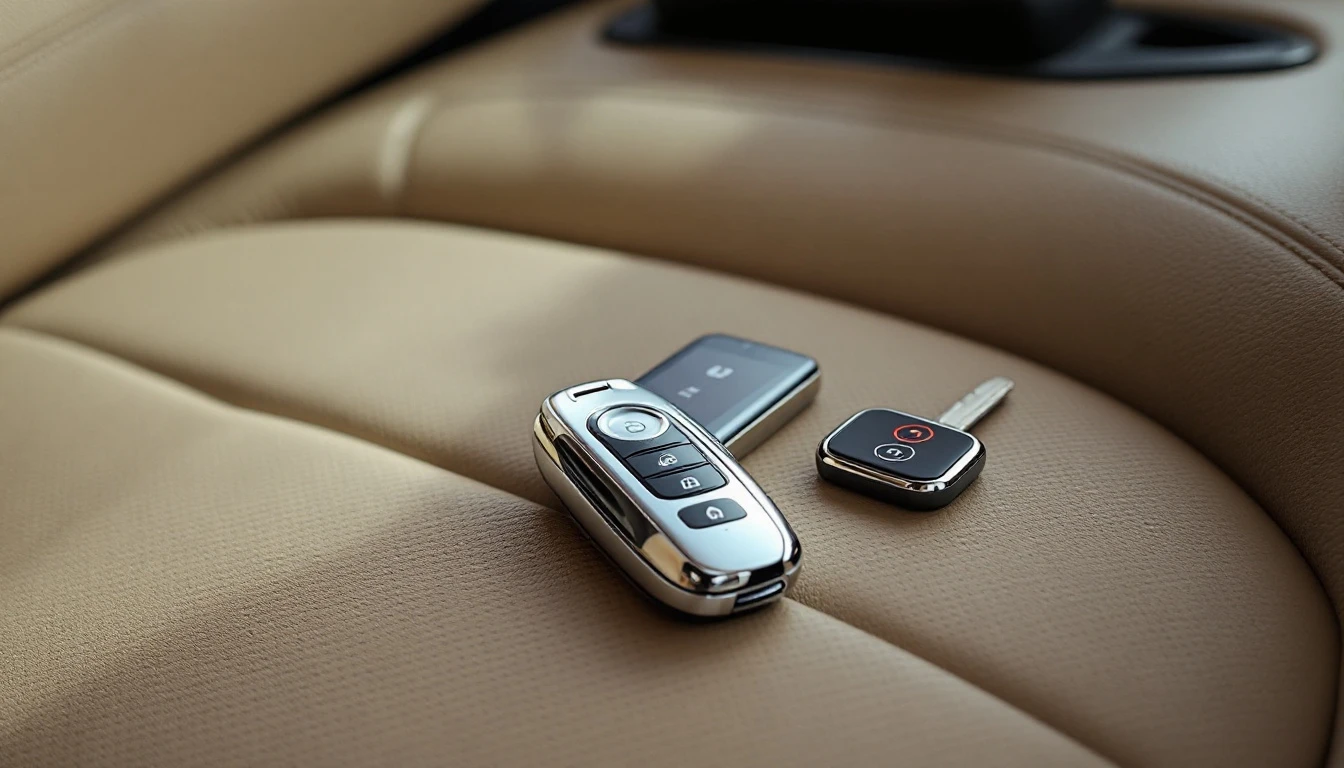
Later MKZ and MKC trims, and many MKX configurations, moved to push-button start with a proximity fob and no key cylinder at all. On those vehicles there is nothing to turn, so a no-start is never a cylinder problem — it is a fob, a battery, a detection issue, or a module. If your Lincoln has a start button, skip ahead to the section on what else causes a no-start.
Earlier MKZ, MKC, and MKX configurations use a conventional cylinder with a bladed key. Those are the vehicles this article is really about. They are also the ones where wear is a genuine failure mode, because every start cycle puts mechanical load on a small stack of precision parts.
Four causes of "the key will not turn," in order of likelihood
1. A worn ignition lock cylinder
This is the most common cause by a wide margin, and it announces itself gradually. The pattern goes: the key needs a little wiggle to turn, then it needs a lot of wiggle, then it only works in one specific position, then it does not work at all. Sometimes it works cold and fails hot, or the other way around.
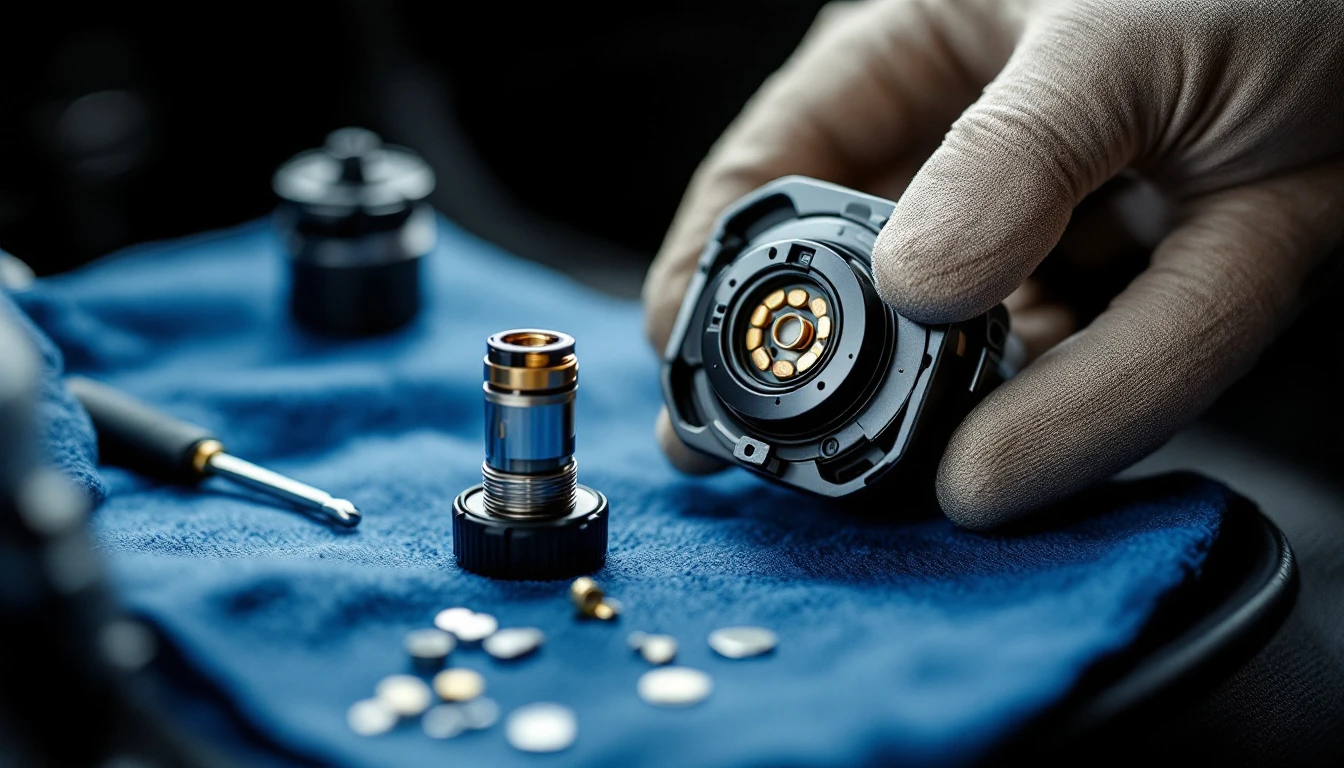
Inside the cylinder is a set of small spring-loaded wafers that read the cuts on your key. Over years those wafers and the surfaces they ride on wear down, and the tolerances that made the mechanism precise stop being precise. It is not a defect — it is a wear item that outlasted most owners' expectations and finally aged out.
2. A worn key, not a worn cylinder
Keys wear too, and a key that has been in daily use for a decade may simply no longer have crisp cuts. The tell: if you have a second key that has lived in a drawer and it turns the ignition normally, your cylinder is fine and your daily key is the problem. That is a cheap fix — cutting a fresh key from code rather than duplicating the worn one, which is genuinely important because duplicating a worn key just copies the wear.
3. A steering-column lock or shifter interlock
Sometimes the key will not turn because the vehicle is not letting it. If the front wheels are turned against a curb, the steering lock loads up against the ignition and the key physically cannot rotate. The fix is free: apply gentle pressure to the steering wheel left and right while turning the key. Similarly, an automatic that is not fully in Park, or a brake-related interlock issue, can block key rotation or removal.
Try those before you assume anything is broken. We would rather tell you that on the phone than charge you to discover it.
4. An immobilizer or electrical fault
This one is different in an important way: if the key turns fine but the vehicle cranks and never starts, the cylinder is doing its job and the problem is downstream — usually the anti-theft system refusing to authorize the key, or a module fault. A flashing theft indicator is the giveaway. Our ignition cylinder vs. immobilizer fault guide walks that fork in detail, and it is the single most useful thing to read before spending money on a no-start.
What a Lincoln ignition repair costs in Fort Worth (2026)
Prices below are all-in mobile pricing at your location in the Fort Worth area, covering parts and labor for the work described.
| Job | What it involves | Fort Worth price (2026) | Typical on-site time |
|---|---|---|---|
| Cylinder service and rebuild | Cleaning, wafer service, and re-tuning a worn cylinder that is still viable | $150–$280 | 40–60 min |
| Cylinder replacement, keyed to your key | New cylinder, re-keyed so your existing key still works | $240–$430 | 60–90 min |
| Cylinder replacement plus new cut key | New cylinder and a freshly cut key when the original is also worn out | $290–$550 | 60–100 min |
| Broken key extraction from the ignition | Removing a snapped blade before any repair can begin | $150–$300 | 20–45 min |
| Fresh key cut from code, cylinder healthy | Worn key only, no ignition work needed | $150–$300 | 25–45 min |
Two notes. First, whenever possible we re-key a new cylinder to your existing key rather than handing you a second key for the same car. A vehicle with two different keys — one for the doors, one for the ignition — is a daily annoyance and a future headache. Second, if a key has already snapped off in the cylinder, extraction comes first and it is its own job; our broken key extraction guide explains why forcing a stuck key is such an expensive instinct.
Repair or replace?
The honest decision comes down to how far the cylinder has gone.
Repair makes sense when the mechanism is worn but intact, the key still enters and exits cleanly, and the failure is intermittent rather than total. A cylinder service — disassembly, cleaning, wafer attention, correct lubrication — can restore years of usable life for the lowest price on the table. It is the right first move on a vehicle that has been slowly getting worse rather than failing suddenly.
Replacement makes sense when the cylinder is seized, when a wafer has broken, when the key has been forced hard enough to damage internals, or when the vehicle has already had a cylinder service and the symptom returned quickly. Throwing good money at a mechanism that is past its life is the most common way owners spend more than they had to.
A technician makes that call at the vehicle, after actually operating the cylinder and inspecting it. Anyone who tells you over the phone that your cylinder definitely needs replacing has not looked at it. The Federal Trade Commission's auto-repair guidance (consumer.ftc.gov) says the same thing in more formal language: get the diagnosis and the price before authorizing the work.
What a curbside ignition job looks like
Ignition work sounds invasive, and it is less dramatic than people expect.
The technician arrives wherever the vehicle is parked — a driveway, a garage, an office lot, a spot near the Cultural District or anywhere else in the Fort Worth area. We verify photo ID and proof of ownership, which is standard on any job that touches vehicle security. Then the technician operates the ignition to reproduce your symptom, checks the key against wear, and rules out the free causes first — steering lock load, shifter position, an obviously bad key.
If the cylinder is the problem, the work happens at the column. The trim around the column comes off, the cylinder comes out, and it is either serviced and reinstalled or replaced and re-keyed to your key. Everything goes back together, and you test it yourself before the technician leaves: key in, turn, start, shut off, key out, several times. That test-cycle matters — an ignition that works once is not a repaired ignition.
Typical on-site time is 40 to 100 minutes depending on the job. We are mobile-only and run 24/7, so an ignition that quit in a parking garage at 11 p.m. is a completely normal call. Our ignition repair service page covers the full scope.
Things not to do
- Do not force the key. A blade snapped inside the cylinder adds an extraction job to whatever you were already going to pay.
- Do not spray household lubricant into the cylinder. Most general-purpose sprays attract dust and gum up a mechanism that depends on clean tolerances. The temporary improvement is followed by a worse failure.
- Do not duplicate a worn key. Copying a worn key copies the wear. A key cut fresh from code gives you correct cuts.
- Do not hang a heavy keyring off the ignition. Weight pulling downward on the blade accelerates wear on both the key and the cylinder. This is the single easiest habit change that extends ignition life.
- Do not assume the cheapest online part is a bargain. Counterfeit and low-quality automotive components are a documented problem that NHTSA (nhtsa.gov) has warned about, and an ignition cylinder is not a component where you want a surprise.
When it is not the ignition at all
If your Lincoln is push-button start, or if the key turns normally and the engine simply will not fire, the cylinder is not your problem. Look at these instead:
- Theft light flashing, engine cranks but never starts. The anti-theft system is refusing to authorize the key. That is either a key issue — solvable with key replacement, $150–$850 depending on type — or an immobilizer fault.
- Multiple unrelated electrical systems misbehaving. That points toward a body module rather than an ignition. Most immobilizer and body module programming runs in the $150–$400 range after diagnosis, and our module programming service covers that lane.
- Push-button vehicle says it cannot detect the key. Usually a fob battery or detection issue rather than anything mechanical.
Texas locksmiths are licensed under the Texas DPS Private Security Program (dps.texas.gov). Ask about licensing before work begins on any job that touches your ignition or your vehicle's security — a legitimate company expects the question.
Frequently Asked Questions
Why will my Lincoln MKZ key not turn in the ignition?
The most common cause is a worn ignition lock cylinder, especially if the key needed jiggling for months before it stopped working entirely. Other causes are a worn key, a steering column lock loaded against a curbed wheel, or a shifter not fully in Park. Try turning the steering wheel gently while turning the key before assuming a repair is needed.
How much does Lincoln ignition repair cost in Fort Worth?
Between $150 and $550 in 2026, depending on the job. A cylinder service on a worn but viable cylinder runs $150 to $280. A replacement cylinder re-keyed to your existing key runs $240 to $430. A replacement plus a freshly cut key runs $290 to $550.
Can you repair the ignition without towing my car?
Yes. Ignition cylinder work is done at the vehicle. A technician removes the column trim, services or replaces the cylinder, re-keys it to your key when possible, and reassembles everything on-site. Most jobs take 40 to 100 minutes and no tow is required.
My key snapped off in the ignition. What now?
Stop immediately and do not try to fish it out with tools. Extraction is its own job, typically $150 to $300, and it has to happen before any cylinder work can begin. Prying at a broken blade usually pushes it deeper and can damage the cylinder, which turns a repair into a replacement.
Will I need a new key after an ignition replacement?
Not usually. Whenever the cylinder can be re-keyed, we match it to the key you already carry so one key still opens the doors and starts the vehicle. A new key is only necessary when the original is too worn to be a reliable reference, in which case we cut a fresh one from code.
The key turns fine but the car will not start. Is that the ignition?
No. If the cylinder rotates normally through its positions, the mechanical side is working. A crank-but-no-start with a flashing theft light points at the anti-theft system rejecting the key, which is a key or immobilizer issue rather than an ignition repair.
References
- NHTSA — National Highway Traffic Safety Administration
- NASTF — National Automotive Service Task Force
- FTC Consumer Advice — auto repair and service
- ALOA — Associated Locksmiths of America
- Texas DPS — Private Security Program
- TxDMV — Texas Department of Motor Vehicles
- Ready.gov — DHS preparedness planning
Key sticking, jiggling, or refusing to turn in your Lincoln? Call Locksmith Fort Worth at (817) 674-3595 before it snaps. We are mobile-only, available 24/7, and we repair ignitions at your curb anywhere in the Fort Worth area.
Written by the technicians at Locksmith Fort Worth, a mobile automotive locksmith service based in 76102 and serving the Fort Worth area 24/7.