Chevrolet Equinox & Traverse Ignition Repair in Fort Worth: Symptom by Symptom (2026)
Quick answer: Ignition work on a Chevrolet Equinox or Traverse in Fort Worth typically falls between $150 and $550, and where you land inside that band depends entirely on which of four very different failures you actually have. A key that refuses to rotate is a mechanical problem. A key that rotates and produces silence is usually an electrical one. A technician diagnoses at the vehicle and confirms the price before any parts come out. Call (817) 674-3595 and describe what the key does.
As of August 2026, ignition complaints on these two Chevrolets arrive described almost identically — "my key won't work" — and then split into completely separate repairs once somebody actually sits in the driver's seat. The Equinox and the Traverse are high-mileage family vehicles that spend a decade being started twice a day, and the ignition assembly is one of the few parts of a car that is physically operated by hand thousands of times. Things wear.
The point of this guide is to help you describe the symptom precisely, because a precise description gets you the right technician, the right parts on the van, and a price that does not change when they arrive.
Three separate systems, one keyhole
Everything that can go wrong at an Equinox or Traverse ignition lives in one of three layers. They sit behind the same opening, which is why owners lump them together, and they fail in ways that feel completely different once you know what to listen for.
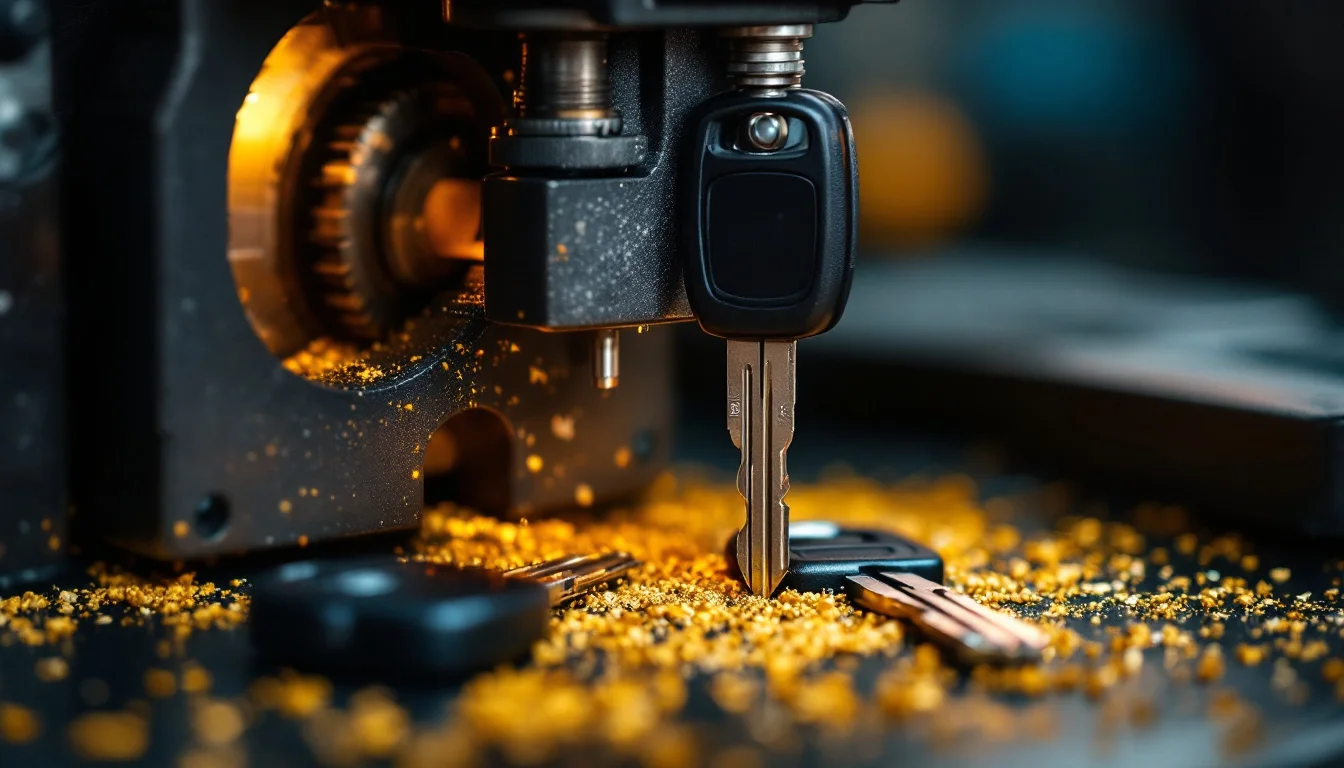
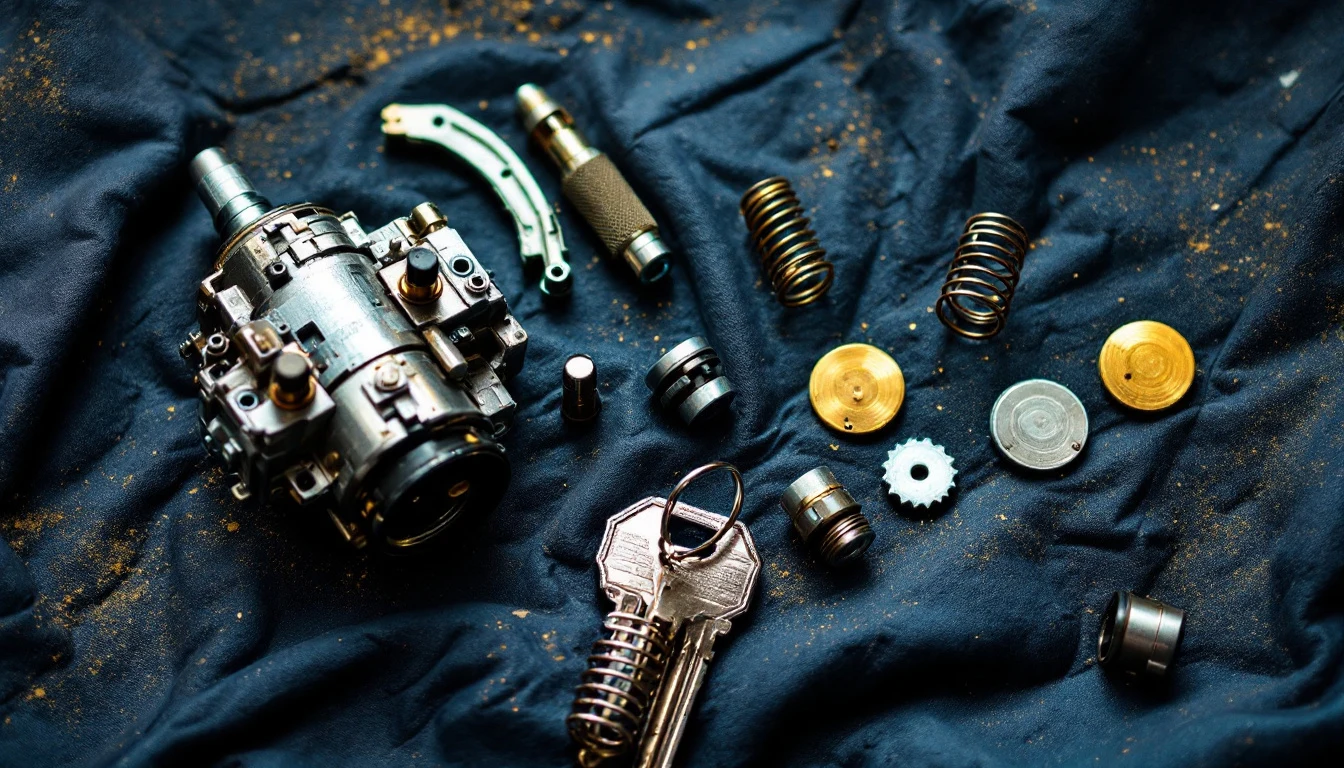
The lock cylinder is the mechanical part. It is the tumbler assembly the key physically enters and rotates. Inside are spring-loaded wafers that read the cuts on your blade. If the cuts and the wafers agree, the cylinder rotates. This layer fails by wear, by contamination, and by force.
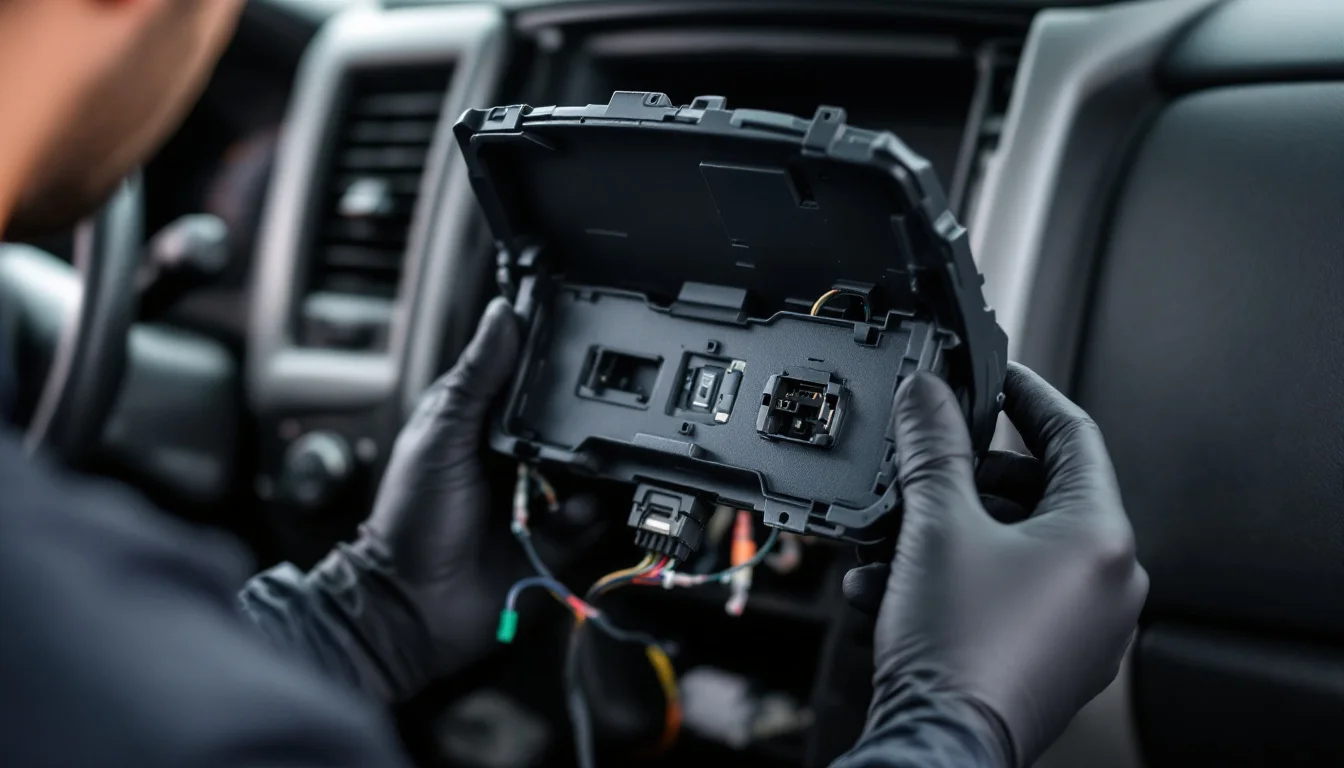
The ignition switch is the electrical part behind the cylinder. When the cylinder rotates, it drives the switch, and the switch is what actually sends power to accessories, then to the run circuit, then to the starter. This layer fails electrically — contacts wear out, positions stop registering, circuits get intermittent.
The anti-theft layer is neither of those. This is the immobilizer function that decides whether the key presented is authorized. It does not care whether the key turns easily. It cares whether the key is the right key, and if it says no, the engine may crank perfectly and never fire.
Owners confuse these constantly, and it costs them. Somebody replaces an ignition cylinder to fix a security-light no-start, and the security light does not care. Our ignition cylinder versus immobilizer fault guide walks that distinction in detail.
Reading your symptom
Here is the diagnostic table. Find the row that matches what your Equinox or Traverse actually does.
| What the key does | Most likely cause | Typical fix | Range |
|---|---|---|---|
| Key will not enter, or enters partway | Debris in the cylinder, or a bent or badly worn blade | Cylinder cleaning, or a correctly cut key | $150–$300 |
| Key enters but will not rotate at all | Worn wafers, a worn key, or a locked steering column | Key cut to code, or cylinder rebuild or replacement | $150–$450 |
| Key rotates but nothing happens electrically | Ignition switch contacts, not the cylinder | Switch replacement | $200–$550 |
| Key rotates, engine cranks, never fires, security light on | Anti-theft layer, not the ignition hardware | Key or immobilizer diagnosis | $150–$550 |
| Key sticks in the accessory position and will not come out | Cylinder wear or a return-mechanism fault | Cylinder repair or replacement | $200–$500 |
| Key turns intermittently, works after wiggling | Early-stage wafer wear, usually with a worn key | Fresh key to code, cylinder if it persists | $150–$400 |
Every figure is a range. A technician confirms the exact price for your vehicle after diagnosis, and nobody should quote you a fixed ignition number over the phone from a symptom alone.
Why wafers wear, and why your keyring is part of the problem
The wafer story is worth understanding because it explains the single most preventable ignition failure we see.
Inside the cylinder, each wafer is a small flat piece of metal held by a spring. Your key's cuts push each wafer to exactly the right depth, and when every wafer lines up, the cylinder is free to turn. This works beautifully when the cuts are crisp. It degrades as both sides soften — the key's cuts round off with use, and the wafers wear where the key rubs them.
Two keys and two cylinders that have been wearing against each other for ten years can reach a point where the truck starts fine but a brand-new key does not fit well, because the cylinder has been reshaped by the old worn key. That is why cutting a replacement by copying the worn original is a mistake and cutting to the vehicle's factory code is the right move. A code-cut key restores the intended geometry.
Now the keyring. A heavy ring hanging off a key in the ignition applies constant downward leverage to the cylinder while you drive over every expansion joint on I-30. Over years, that load accelerates wear in the cylinder and stresses the switch behind it. NHTSA (nhtsa.gov) has published safety communications about ignition switch behavior and heavy key rings, and the underlying mechanical point is simple: your ignition was not designed to carry a carabiner, a bottle opener, twelve loyalty tags, and a house key set. Split your car key onto its own ring. It is free and it works.
Equinox and Traverse specifics
The two models overlap in what fails but not in when.
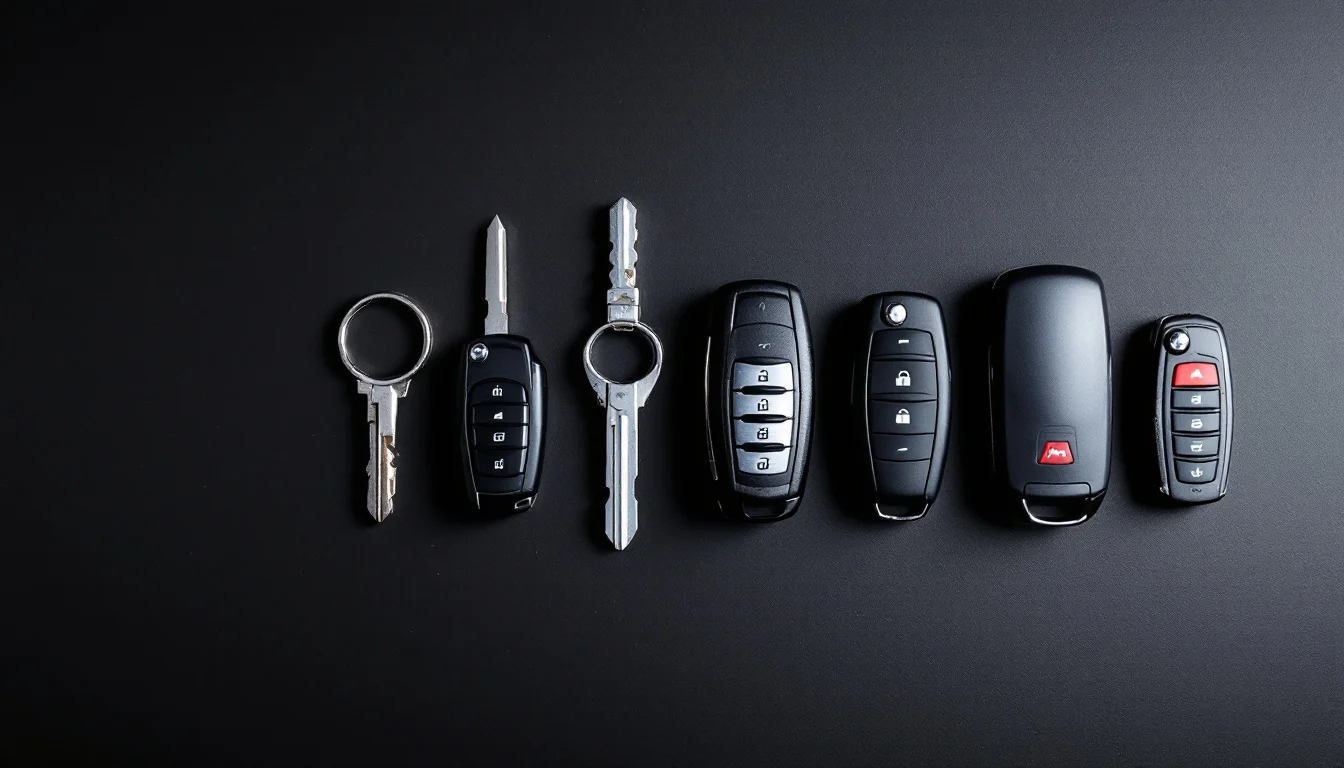
The Equinox is a compact crossover that has been produced continuously across several generations, so the Fort Worth population includes both older column-mounted key ignitions and newer trims with push-button start. On the key-ignition Equinoxes, wafer wear and sticky return are the usual complaints, and they show up around the point where the original key looks visibly polished. On the push-button cars, there is no cylinder at all in the traditional sense, which changes the conversation entirely — a no-start there is a fob, a fob battery, or a system fault, not a lock.
The Traverse is a heavier three-row vehicle that tends to be a household's primary hauler. Higher use per day means the ignition sees more cycles per year than a second car does. Traverse ignition complaints tend to arrive later in the vehicle's life but progress faster once they start, because the frequency of use is high.
Both share the GM anti-theft lineage, which matters for the fourth row of the table. If your dash security indicator is involved, read our Chevy security light and Passlock explainer before assuming the ignition hardware is at fault — that light is the vehicle telling you the problem is authorization, not rotation.
If the vehicle will not start and every key is gone, that is a different lane again, covered in our Chevrolet Malibu and Impala all-keys-lost walkthrough. And if you drive a GM pickup alongside the crossover, our Chevrolet Silverado and Colorado spare key guide covers the preventive side.
What a diagnosis visit actually looks like
You call and describe the symptom in the vocabulary above — enters and will not turn, turns and nothing happens, sticks in accessory. That description alone usually tells us which parts to bring.
A technician meets the vehicle where it sits, whether that is a driveway, a garage near the Cultural District, or a lot where the car quit. We check identification and proof of ownership first. Then we work outward from the cheapest possibility: inspect the key itself for wear and damage, test rotation feel, check whether the steering column is binding, and only then start pulling trim.
If the symptom is electrical, we test whether the switch is registering each position rather than assuming. If the symptom points at anti-theft, we scan rather than guess. The order matters, because the cheapest correct repair should always be attempted before the expensive one.
You get a firm price before parts come out. The Federal Trade Commission's auto repair guidance (consumer.ftc.gov) makes the same recommendation and it is worth holding every shop to it, including us. Our ignition repair service page describes the lane in plain terms.
The honest boundary
There are real limits on this work and you should hear them before you book.
Some no-starts are not ignition problems at all. A weak battery, a failing starter, a bad ground, or a fuel-side fault can all present as "the key does nothing." If diagnosis points there, we say so and you take it to a mechanic rather than paying us for a cylinder you did not need.
Steering column damage is not a locksmith repair. If the column itself has been damaged — usually by a theft attempt or by force applied to a stuck key — that is body and mechanical work.
Push-button vehicles do not have a cylinder to rebuild. On a start-button Equinox, the fix lives in the fob, the battery, or the vehicle's electronics. Different lane, different parts, and we will redirect you rather than sell you an ignition service that does not exist for your trim.
Force is the enemy. If your key is stuck, stop levering on it. A broken blade inside a cylinder turns a moderate repair into a bigger one. Call before the key snaps.
Texas locksmiths work under the DPS Private Security Program (dps.texas.gov), and security-relevant work requires photo ID plus registration, title, or insurance matching the vehicle. The National Automotive Service Task Force (nastf.org) maintains the vetting framework behind legitimate access to that data, and ALOA (aloa.org) publishes consumer guidance on choosing a locksmith.
Frequently Asked Questions
How much does ignition repair cost on a Chevrolet Equinox or Traverse?
Ignition work on these models generally runs between $150 and $550 in Fort Worth. A worn key or a cylinder cleaning sits at the low end, a full cylinder replacement in the middle, and ignition switch replacement toward the upper end. A technician confirms the exact price after diagnosing at the vehicle.
My key turns but the engine does nothing. Is that the cylinder?
Usually not. If the cylinder rotates, the mechanical side did its job, which points at the electrical switch behind it or at something further downstream such as the battery or starter. Replacing a cylinder in that situation typically changes nothing.
Why does the security light stay on when I try to start it?
That indicator is the anti-theft layer telling you the key was not recognized as authorized. It is independent of whether the key turns smoothly, so the fix is a key or immobilizer question rather than an ignition hardware question and needs a scan to confirm.
Can a new key fix a sticking ignition?
Sometimes, and it is worth trying first. A worn key is the cheapest part of the system to replace, and a key cut to the vehicle factory code restores the intended geometry. If the sticking persists with a fresh code-cut key, the cylinder itself is worn and needs attention.
Does a heavy keyring really damage the ignition?
Yes. Weight hanging off the key applies constant leverage on the cylinder and the switch behind it every time the vehicle moves, and over years that accelerates wear measurably. Carrying the vehicle key on its own small ring is a genuine and free preventive step.
Do you repair ignitions on push-to-start Equinox models?
Those trims have no traditional lock cylinder, so there is nothing to rebuild. A no-start on a push-button vehicle is a fob, fob battery, or vehicle electronics question, and we will tell you which lane you are actually in rather than performing an ignition service that does not apply.
References
- NHTSA — National Highway Traffic Safety Administration
- FTC Consumer Advice — auto repair and service
- Texas DPS — Private Security Program
- NASTF — National Automotive Service Task Force
- ALOA — Associated Locksmiths of America
- TxDMV — Texas Department of Motor Vehicles
If your Equinox or Traverse key is fighting you, call Locksmith Fort Worth at (817) 674-3595 before it breaks off in the cylinder. We come to the vehicle, diagnose the actual failure, and give you a firm price before anything comes apart. Mobile-only, 24/7, across the Fort Worth area.
Written by the technicians at Locksmith Fort Worth, a mobile automotive locksmith service based in 76102 and serving the Fort Worth area 24/7.