Car Won't Start in Fort Worth: Ignition Cylinder vs Immobilizer Fault (2026)
Quick answer: "My car won't start" splits into two very different failures. A mechanical ignition cylinder problem is physical — the key won't turn, turns roughly, or the engine won't crank because worn wafers or a failing switch break the mechanical link. An immobilizer or module fault is electronic — the key turns and the engine cranks, but a security system won't let it run because it does not recognize the key. A Fort Worth mobile locksmith diagnoses which one you have before quoting. As of July 2026, ignition cylinder repair and replacement runs $150-$550, while immobilizer or module issues are usually key-side and quoted after we confirm your VIN.
Two problems that feel identical from the driver's seat
You get in, you go to start the car, and nothing happens the way it should. From behind the wheel, a seized ignition cylinder and a rejected transponder can feel like the same disaster. But mechanically they are opposites, and confusing them wastes money — people replace ignitions that were fine, or program keys for a car whose problem was a worn cylinder all along.
The clean way to think about it: does the problem happen before or after the engine tries to run?
- If the key won't physically turn, or the engine won't crank at all when it does, the fault is mechanical — usually the ignition cylinder or switch. Nothing electronic gets far enough to matter.
- If the key turns fine and the engine cranks but will not catch and stay running — often with a security/immobilizer light — the mechanical side is healthy and the fault is electronic.
Everything below is how a professional turns that one question into a firm diagnosis.
Signs it's the ignition cylinder (a mechanical problem)
The ignition cylinder (or lock cylinder) is the physical lock your key goes into. Inside it, small wafers must line up so the plug can rotate and mechanically operate the ignition switch behind it. Over years — especially on 2005-2015 GM, Chrysler, and Ford vehicles — those wafers wear, often accelerated by a heavy keyring dragging on them. Classic mechanical symptoms:
- The key won't turn, or only turns if you jiggle the wheel, wiggle the key, or spray lubricant.
- The key turns hard or gritty, getting worse over weeks.
- The key sticks in the ON or ACC position and won't return.
- A key broke off in the ignition.
- The engine won't crank at all — no starter activity — because the switch behind the cylinder is failing to close its contacts.
- The worn key is rounded and no longer matches fresh factory cuts.
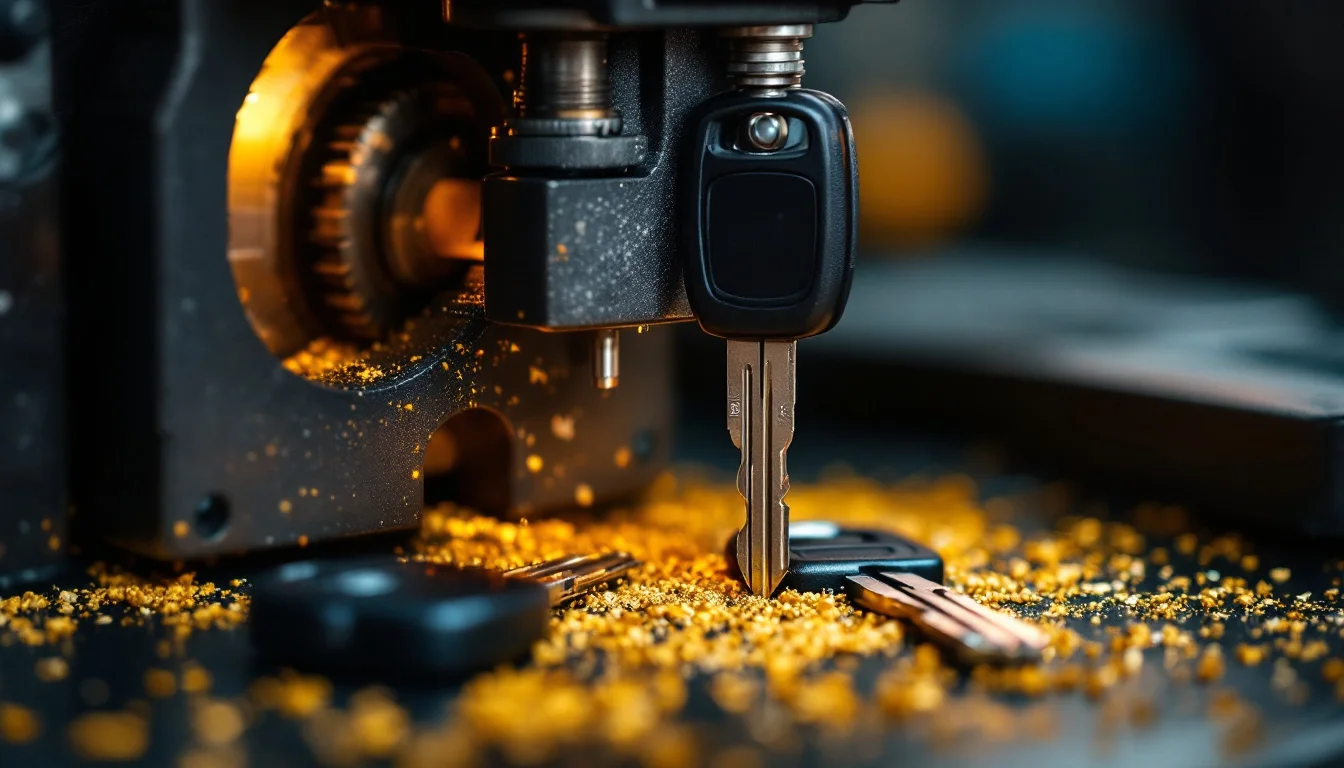
A worn cylinder is a repair, not a mystery. Often a wafer rebuild restores it; sometimes the whole cylinder needs replacement. Both are exactly what our ignition repair and replacement service is built for, and both happen on site — no tow.
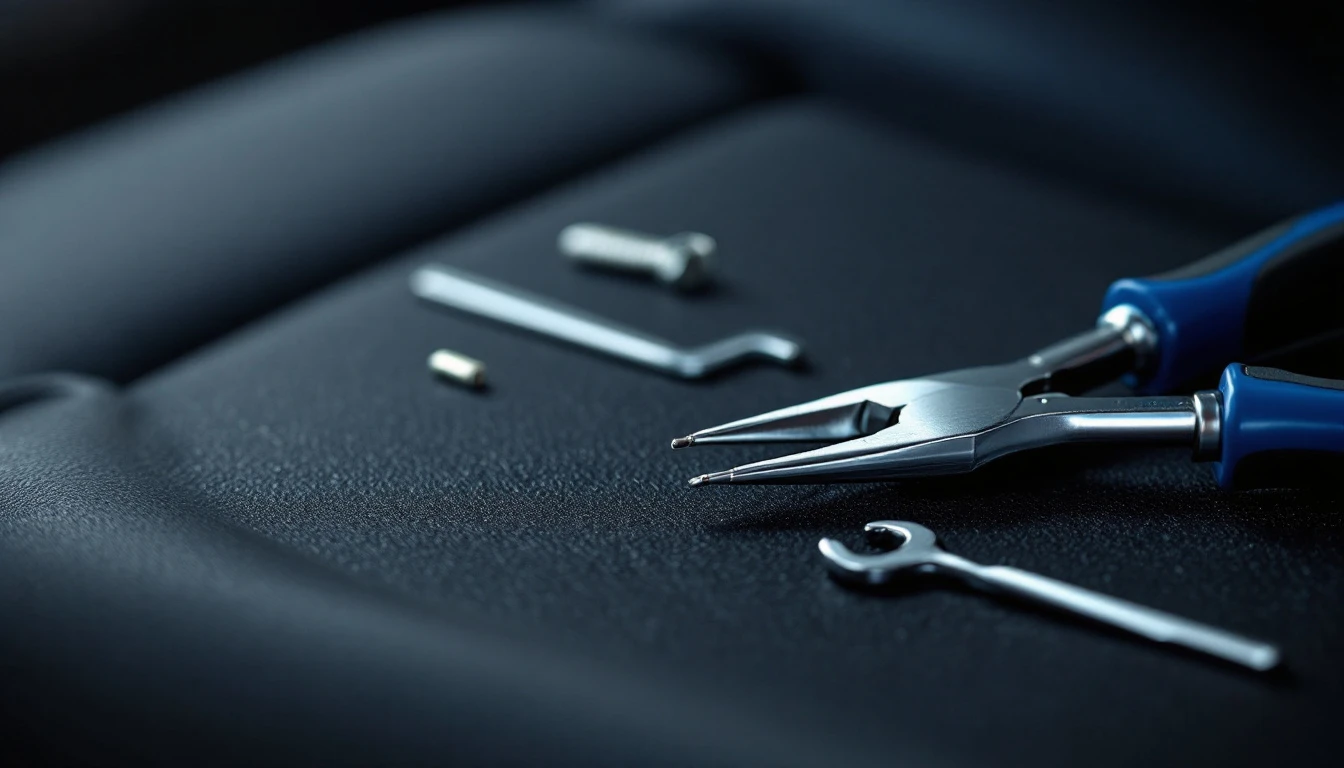
One important safety note: if a key breaks off in the ignition, do not fish for it with pliers or a screwdriver. You will score the wafers and turn a quick extraction into a full cylinder replacement. Proper broken-key extraction tools remove the blade cleanly in minutes when the wafers are still intact.
Signs it's an immobilizer or module fault (an electronic problem)
If the mechanical side is fine — key turns smoothly, engine cranks strongly — but the car still won't start, the culprit is usually the anti-theft electronics. The immobilizer is a system that will happily let the starter spin but cuts fuel or spark until it reads an authorized transponder in the key or fob. Telltale signs:
- The engine cranks normally but never catches, or catches for a half-second and dies.
- A security light, key icon, or "immobilizer" message blinks or stays lit on the dash.
- The problem appeared suddenly with no mechanical warning — the key always turned fine.
- It started after a key was lost, swapped, water-damaged, or after a cheap aftermarket key was used.
- Occasionally, it follows theft damage or a replaced module (BCM, ECU, or the immobilizer unit) — the deeper case where the computer itself, not the key, may need programming.
The great majority of immobilizer no-starts are solved by programming a key the car trusts — a routine on-site job. Only the minority tied to a damaged or replaced module cross into true computer work, which we cover in our companion article on when a car needs module programming, not just a key.
How a Fort Worth mobile locksmith diagnoses it — step by step
Good diagnosis is a checklist, not a hunch. When we arrive for a no-start, we work from cheapest and most likely to most complex, and we tell you what we find before authorizing the next step. The U.S. Federal Trade Commission's auto-repair guidance is clear that you deserve an estimate and an explanation before work proceeds — we build the visit around that.
- Interview and observe. Does the key turn? Does the engine crank? Is a security light on? Your answers usually narrow it to mechanical or electronic in the first minute.
- Rule out the trivial. A dead 12-volt battery, a corroded terminal, a blown fuse, or a bad starter can imitate both failures. We verify power and cranking before blaming the cylinder or the immobilizer.
- Test the mechanical path. If the key won't turn, we inspect the cylinder, test with a known-good cut, and check for wafer wear or a failed switch. This confirms an ignition-cylinder job.
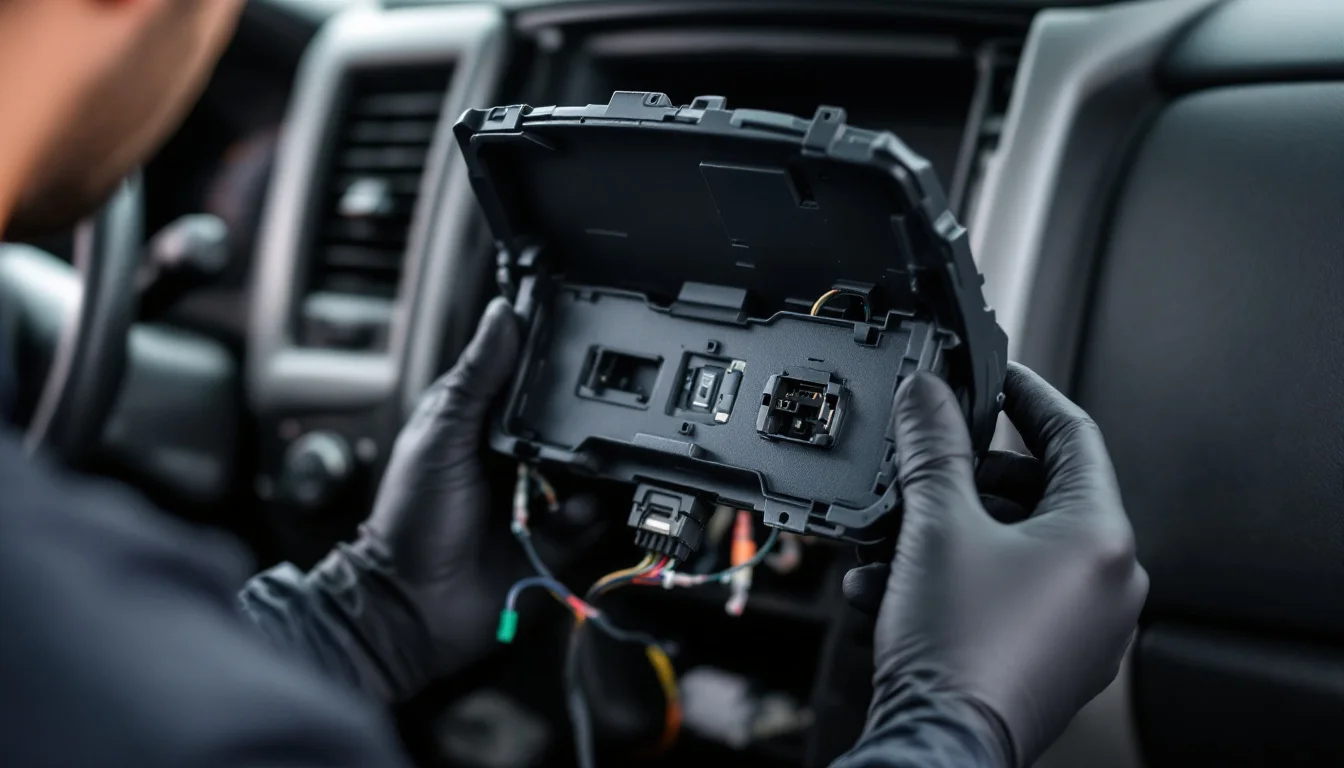
- Scan the electronics. If it cranks but won't run, we connect an OBD-II scan tool. If the immobilizer responds and simply reports "key not recognized," it is a key-programming job. If the tool cannot communicate with the module, or the module reports internal faults, the problem is deeper.
- Confirm the VIN and quote. The VIN sets the exact parts and the exact procedure. That is why every honest figure is "firm after we confirm your VIN and read the car."
This is also where credentials matter. Programming a modern immobilizer legally requires registered access through the National Automotive Service Task Force (NASTF) Vehicle Security Professional program — and in Texas, locksmiths operate under the Texas Department of Public Safety Private Security Program, which is why we verify proof of ownership before we cut or program anything.
Ignition and no-start cost expectations in Fort Worth (2026)
| Problem | What's happening | Typical Fort Worth range (2026) | On-site? |
|---|---|---|---|
| Broken key extraction | Blade snapped in the cylinder, wafers intact | $75-$150 | Yes |
| Ignition cylinder rebuild | Worn wafers replaced, key turns again | $150-$280 | Yes |
| Full ignition cylinder replacement | Cylinder swapped, new key cut | $280-$550 | Yes |
| New key cut + programmed (add-on) | If a fresh key is needed with the repair | +$50-$150 | Yes |
| Immobilizer "key not recognized" | Engine cranks, won't run, security light | Key-side; quoted after VIN | Yes |
| Module (BCM/ECU/immobilizer) replaced | Computer itself needs configuring | Diagnose first; may need dealer step | Sometimes |
Mechanical ignition work is refreshingly predictable — the $150-$550 band covers the overwhelming majority of Fort Worth cylinder and switch jobs, plus a modest add-on if a new key is required. Immobilizer and module work is priced only after the scan, because "key not recognized" and "the module is dead" are different jobs with different labor even on the same car. We would rather read your vehicle and give you a real number than post a fake flat rate online.
"The fastest way to overpay on a no-start is to guess. A five-minute diagnosis — does it turn, does it crank, is the security light on — usually tells us whether you're buying an ignition repair or a key. That's the difference between a $200 fix and the wrong $500 one."
Why the wrong self-diagnosis costs real money
We see two expensive mistakes constantly:
- Replacing an ignition that was never the problem. A driver assumes a no-start means a bad ignition, buys a cylinder, installs it — and the car still won't run because the real issue was a rejected transponder. The cylinder was fine. A two-minute scan would have caught it.
- Buying keys for a mechanical failure. The opposite: the key turns hard and the owner keeps having spares made, when the cylinder wafers are worn and no key will turn reliably. New keys don't fix a worn lock.
Both are avoidable with a proper on-site diagnosis. And both are why mobile service beats guessing from a forum thread — we bring the scan tool, the extraction kit, the common cylinders for Ford, GM, Chrysler, Toyota, Honda, and Nissan, and the registered access to program if that's what it turns out to be. We cover the whole city, from the Cultural District and TCU/Berry Street to the Stockyards and Alliance Town Center, 24/7.
What to do right now if your car won't start
- Note the two facts that matter. Does the key turn? Does the engine crank? Those two answers are the diagnosis shortcut.
- Check the obvious. Is the battery dead (dim lights, no crank click)? Is the shifter fully in Park? On a push-to-start, is the fob battery weak?
- Don't force it. If the key won't turn, stop jiggling. If it broke off, leave the piece alone.
- Call a mobile locksmith with the VIN handy. With the VIN and your two symptom facts, we can often tell you on the phone whether you're likely looking at an ignition repair or a key job — and give you the range before we roll.
Not sure whether it's the ignition or a key the car no longer trusts? Our car key replacement and ignition repair are on the same 24/7 mobile dispatch. Learn more about us or get a quote any time.
Frequently Asked Questions
How do I know if it's my ignition or my immobilizer?
Use one question: does the key turn and the engine crank? If the key won't turn or the engine won't crank at all, it's mechanical — an ignition cylinder or switch problem. If the key turns and the engine cranks but won't stay running, especially with a security light on, it's electronic — an immobilizer or key-recognition problem. A mobile locksmith confirms it with a quick inspection and an OBD-II scan before quoting, so you don't pay for the wrong fix.
How much does ignition repair cost in Fort Worth?
As of July 2026, ignition cylinder work in Fort Worth runs $150-$280 for a wafer rebuild and $280-$550 for a full cylinder replacement, with broken-key extraction at $75-$150 when the wafers are intact. If a fresh key must be cut and programmed as part of the job, add roughly $50-$150. We confirm your VIN and give a firm quote before starting, and all ignition work is done on site with no tow.
Why does my key turn but the car still won't start?
If the key turns and the engine cranks but won't run, the mechanical side is healthy and the problem is almost always the immobilizer not recognizing the key's transponder — the engine's computer cuts fuel or spark until it reads an authorized chip. You'll often see a blinking security or key light. The usual fix is programming a key the car trusts, not repairing the ignition. We verify by scanning the immobilizer on site.
My key broke off in the ignition — what should I do?
Stop and don't try to pull it out with pliers or a screwdriver — you'll damage the wafers and turn a quick extraction into a full cylinder replacement. Leave the broken piece in place and call a mobile locksmith. With proper broken-key extraction tools, removal takes about 10-20 minutes and runs $75-$150 when the cylinder is otherwise intact, and we can cut you a fresh key on site the same visit.
Can you fix an ignition without towing my car?
Yes. Ignition cylinder rebuilds, full replacements, broken-key extraction, and any needed key cutting and programming all happen at your location — driveway, workplace, or wherever the car is stuck — anywhere in the Fort Worth metro, 24/7. We carry the most common cylinders for Ford, GM, Chrysler, Toyota, Honda, and Nissan on the truck, so most jobs finish in one visit without a tow.
Is a "won't start" ever a computer problem instead of a key or ignition?
Occasionally, yes. If the immobilizer control unit, BCM, or ECU was damaged (theft, flooding) or replaced, the computer itself may need configuring — a heavier job than key programming, sometimes with a dealer-side step. This is the minority case. We identify it by scanning: if the tool can't even communicate with the module, or the module reports internal faults, we tell you it's module-level and quote diagnosis first rather than guessing.
References
- U.S. Federal Trade Commission — Consumer Advice on auto repair, estimates, and your rights: https://consumer.ftc.gov/articles/auto-repair-basics
- National Highway Traffic Safety Administration (NHTSA) — Vehicle anti-theft and security systems: https://www.nhtsa.gov/
- National Automotive Service Task Force (NASTF) — Vehicle Security Professional registry and Secure Data Release Model: https://wp.nastf.org/
- SAE International — OBD-II diagnostics and vehicle network standards: https://www.sae.org/
- Associated Locksmiths of America (ALOA) — Automotive locksmith standards and consumer guidance: https://www.aloa.org/
- Texas Department of Public Safety, Private Security Program — Locksmith licensing and regulation in Texas: https://www.dps.texas.gov/