BMW FRM Footwell Module Programming in Fort Worth: Symptoms and Limits (2026)
Quick answer: Body-module work on a BMW, including footwell module programming and coding, generally falls in the $150–$400 range in Fort Worth once a technician has diagnosed the car and confirmed the operation is field-serviceable. Powertrain-side programming is always diagnose-then-quote. A replacement or donor footwell module will not function until it has been programmed and coded to your specific vehicle. Call (817) 674-3595 and describe the symptoms.
As of August 2026, the BMW footwell module — the FRM — is the single most misdiagnosed body computer we get called about. The typical owner describes something that sounds catastrophic: all four windows dead, mirrors frozen, exterior lighting doing something strange, and a dashboard suddenly showing a spread of faults that have nothing obvious in common. Somebody has usually already told them it is an electrical nightmare or a wiring harness. Frequently it is one module that stopped participating.
This guide explains what the FRM actually does in plain language, what the real-world symptom picture looks like, why a swapped-in unit needs programming before it will work, and — importantly — where the boundary sits between what happens at your curb and what genuinely needs bench work or dealer access.
What the footwell module actually is
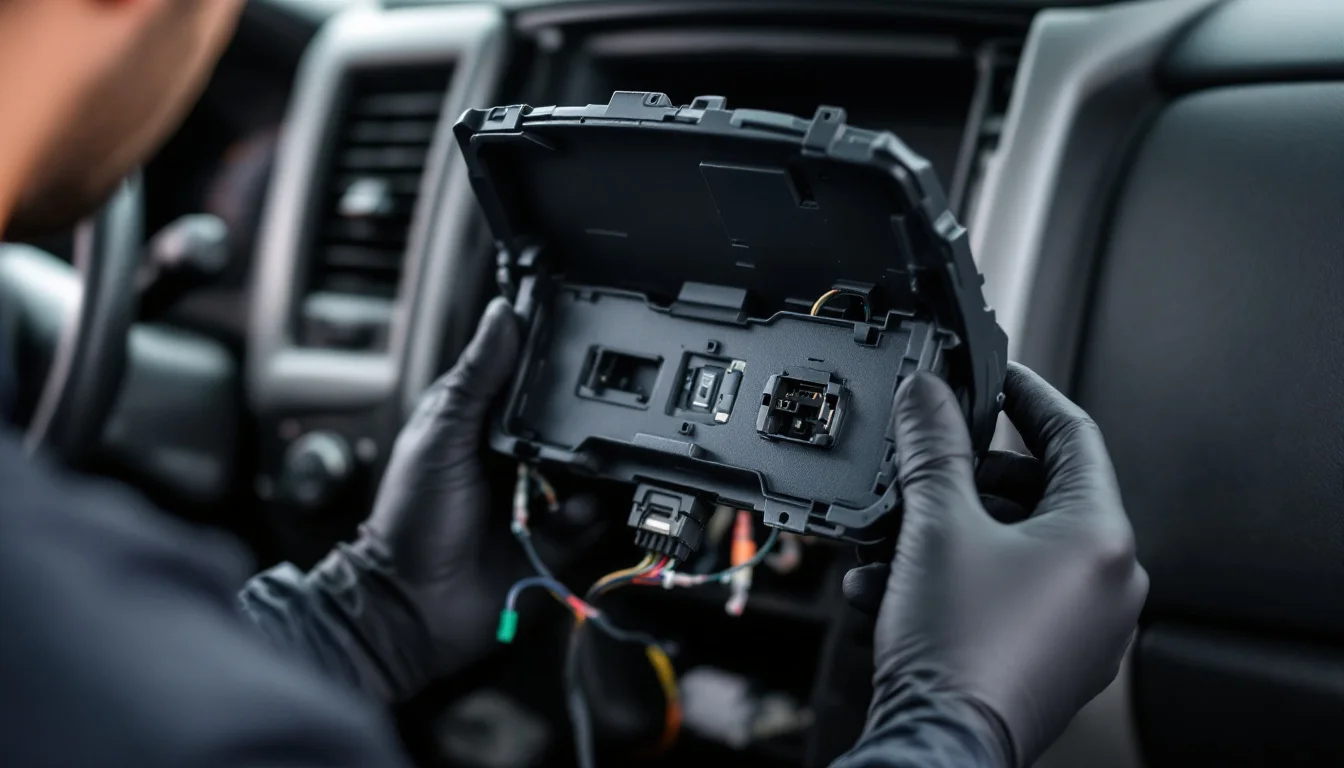
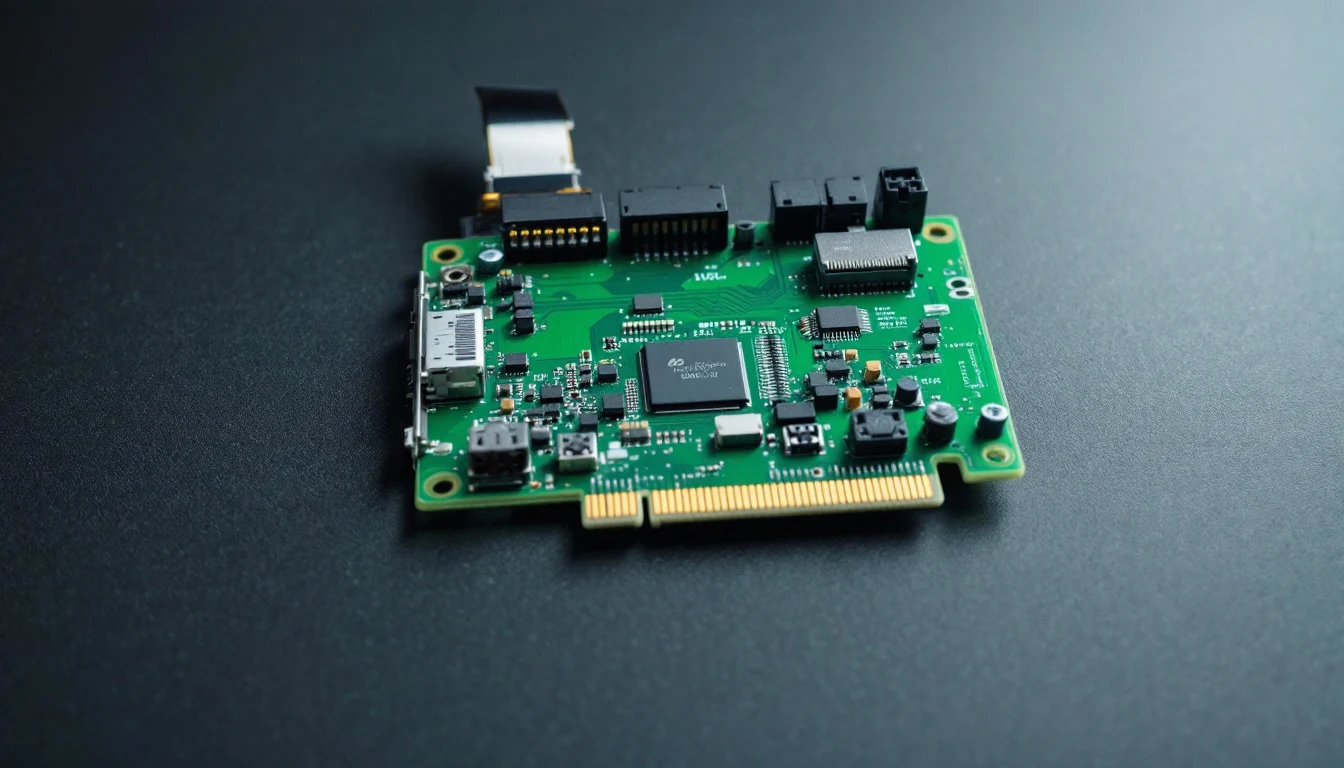
Modern BMWs are not one computer. They are a network of small controllers, each responsible for a slice of the car, all talking to each other over shared data lines. The footwell module is one of those controllers and it sits, as the name suggests, low in the cabin near the driver's footwell.
Its job is the body side of the car — the parts of a vehicle that are not engine, transmission, or brakes. In plain terms the FRM is generally responsible for:
- Exterior lighting. Headlights, tail lights, turn signals, brake lights, and the logic that decides which lamp is on and when.
- Interior lighting. Cabin lamps, footwell illumination, courtesy lighting behaviour when you unlock or open a door.
- Windows. The one-touch behaviour, the anti-pinch logic, and the actual command to run each motor.
- Mirrors. Adjustment, and on equipped cars the folding function.
- Related comfort functions. Things that feel unconnected to a driver but share the same controller — door-related behaviours, some convenience features, and the tidy little routines that make the car feel finished.
Notice what is not on that list: the engine, the immobilizer, the key authorization. The FRM is a body computer. That matters, because it means an FRM fault does not usually stop a BMW from starting — it makes the car feel broken while it still drives.
The symptom picture owners actually report
Here is what the call usually sounds like.
Windows stopped working, all of them at once. Not one door — all of them. Individual switches do nothing. This is the flagship symptom, because when the controller that commands the motors goes quiet, every motor goes quiet together.
Mirrors dead alongside the windows. Same controller, same silence.
Lighting behaving strangely. Sometimes lamps that will not turn on. Sometimes lamps that will not turn off. Sometimes interior lighting that ignores the door. Sometimes a warning telling you a bulb has failed when the bulb is fine.
A cluster full of unrelated faults. This is the part that panics people. When one networked controller drops out, the modules that expected to hear from it start logging their own complaints. The car reports a dozen problems that all trace back to one silence.
It started after a battery event. This is the strongest clue in the whole picture. Owners very often report that everything was normal until the battery went flat, or the car was jump-started, or a battery was replaced. Low and unstable voltage is hard on networked electronics generally, and a module that was already marginal can go from working to non-communicative during exactly that kind of event.
If the picture is instead "the engine cranks and never fires with a theft indicator lit," you are not looking at the footwell module at all — that is the immobilizer and key side of the car. Our BMW 3 Series EWS and CAS3 key replacement guide covers that lane properly.
Reading the symptom against the likely lane
| What the car is doing | What it usually points at | Service lane | Typical cost |
|---|---|---|---|
| All windows and mirrors dead together | Footwell module not communicating | Body module diagnosis and programming | $150–$400 after diagnosis |
| Lights misbehaving plus a spread of unrelated faults | Footwell module or a network fault | Module diagnosis first | $150–$400 after diagnosis |
| Symptoms appeared right after a flat battery or jump-start | Voltage event affecting a body controller | Diagnosis, then programming if confirmed | $150–$400 after diagnosis |
| Cranks strong, never fires, theft indicator lit | Key authorization or immobilizer side | Key or immobilizer work | $150–$850 key work |
| Installed a used module and nothing changed | Unprogrammed or locked donor unit | VIN programming, feasibility check first | $150–$400 when serviceable |
| Runs but runs badly, drivetrain behaving oddly | Powertrain controller, not the body side | Powertrain diagnosis | Diagnose, then quote |
Every figure is a range and every row assumes diagnosis first. Nobody should quote you module work from a phone description.
Why a replacement module has to be programmed and coded
Two ideas do all the work here, and they are worth separating because owners tend to blur them.
Programming is about the software the module runs. A controller needs the correct software version for the car it is fitted to, matched to the rest of the network. A unit that arrives with the wrong version may talk in a dialect the other modules do not fully understand.
Coding is about the configuration for your specific car. Two BMWs of the same model can be equipped very differently — different lighting packages, different mirror options, different market specifications. The module has to be told which car it now lives in. A donor unit still carrying the previous vehicle's configuration will confidently operate equipment yours does not have and ignore equipment it does.
On top of that, manufacturers deliberately tie modules to vehicles so that security-relevant electronics cannot simply be swapped in from a scrapyard. That design is a large part of why electronic immobilization has been effective at reducing theft, a point documented in NHTSA's vehicle theft work (nhtsa.gov). Legitimate access to the data behind this kind of work runs through the National Automotive Service Task Force's vetting framework (nastf.org), which is exactly why we ask for identification and proof of ownership on module jobs.
The general principle applies far beyond BMW. Our Subaru Crosstrek and Ascent immobilizer module programming guide shows the same logic on a very different car, and the BMW FEM and BDC module programming guide covers the newer body-controller generations that succeeded this architecture.
How the visit runs
You call (817) 674-3595 and describe the symptoms and the model year. If you already bought or fitted a module, say so immediately — it changes the entire conversation, because we then need to establish whether that specific unit can be used at all.
A technician meets the car where it sits. That might be a garage in the Cultural District, an apartment lot, or an independent shop that has hit a wall partway through a repair. We check identification and ownership, connect to the diagnostic port, and read the network: which controllers are answering, which are silent, what faults are stored, and whether the configuration matches the vehicle.
That read is the whole game. It distinguishes a module that has genuinely dropped off from a wiring fault, a bad ground, a flat battery masquerading as an electronics problem, or a completely different controller causing the noise. We would much rather find you a $40 battery terminal problem than sell you programming you do not need.
If the operation is field-serviceable, you get a firm price before it starts. Our ECU and module programming service page describes that lane, and the Federal Trade Commission's auto repair guidance (consumer.ftc.gov) is a good reminder to insist on a price commitment from anyone, us included.
The honest boundary
This is the section that matters most on this particular job, so it is stated without softening.
Some footwell modules cannot be handled in the field. Depending on the unit and the model year, restoring or reusing a module can require bench work — the module out of the car, on a workbench, with equipment that does not live in a service van. Some cases require dealer-level access outright. We tell you which category you are in before charging you for an attempt, not after one fails.
A donor module may be permanently tied to its old car. If the unit you bought was never released from the vehicle it came out of, no amount of programming will adopt it into yours. Used modules are a gamble on one specific unit's history, and the gamble is sometimes lost. A correct new unit costs more and fails this way far less often.
Voltage problems must be fixed first. If the car has a weak battery, a bad charging system, or corroded grounds, programming into that environment is a bad idea and can make things worse. Sort the power before the software.
Powertrain work is diagnose-then-quote, always. We do not put a headline number on engine or transmission controller programming. Anyone who does, before touching the car, is guessing with your money.
Proof of ownership is required. Photo ID plus registration, title, or an insurance card matching the vehicle. Texas locksmiths operate under the DPS Private Security Program (dps.texas.gov); ALOA (aloa.org) publishes consumer guidance on vetting a provider, and TxDMV (txdmv.gov) handles Texas title questions if your paperwork is out of date.
Frequently Asked Questions
What does BMW footwell module programming cost in Fort Worth?
Body module work including footwell module programming and coding generally runs $150 to $400, with the exact figure confirmed after a technician diagnoses the car. Powertrain controller work is quoted only after diagnosis, because the scope depends entirely on what the scan reveals.
Why did all my BMW windows and mirrors stop working at once?
Because a single controller commands them. When the module responsible for those body functions stops communicating, every function it owns goes quiet together, which is why the failure looks far larger than its actual cause.
My problems started after the battery went flat. Is that related?
Very likely. Low and unstable voltage is hard on networked vehicle electronics, and a module that was already marginal can stop communicating during a flat battery or a jump-start. It is the single most common trigger owners report with this symptom set.
Can I just buy a used footwell module and fit it myself?
Fitting it is the easy part and rarely the finish line. The unit still carries the donor vehicle software and configuration, so it has to be programmed and coded to your car before it will behave correctly, and some donor units are permanently tied to the vehicle they came from.
Will a footwell module fault stop my BMW from starting?
Usually not. That controller handles body functions such as lighting, windows, and mirrors rather than engine authorization, so the car typically still starts and drives while feeling broken. A crank-but-no-start with a theft indicator points at the key and immobilizer side instead.
Can this be done at my location or does it need a shop?
It depends on the unit and the model year. Many body module operations are completed at the vehicle through the diagnostic port, while some cases require bench work or dealer-level access. A technician confirms which category your car falls into before you are charged for an attempt.
References
- NHTSA — National Highway Traffic Safety Administration
- NASTF — National Automotive Service Task Force
- FTC Consumer Advice — auto repair and service
- Texas DPS — Private Security Program
- ALOA — Associated Locksmiths of America
- TxDMV — Texas Department of Motor Vehicles
- SAE International — automotive engineering standards
If your BMW has dead windows, confused lighting, and a dashboard full of faults that appeared overnight, call Locksmith Fort Worth at (817) 674-3595. We will read the network at your car and tell you honestly whether this is a curbside job, a bench job, or a dealer job. Mobile-only, 24/7, across the Fort Worth area.
Written by the technicians at Locksmith Fort Worth, a mobile automotive locksmith service based in 76102 and serving the Fort Worth area 24/7.