Broken Car Key in the Ignition or Door? Fort Worth Extraction & Replacement Guide (2026)
Quick answer: As of July 2026, if your car key snaps off in the ignition or a door lock in Fort Worth, stop pulling on it and do not turn the ignition. Take a photo, note whether the broken piece is flush or sticking out, and call a mobile locksmith. A trained tech extracts the broken piece without damaging the cylinder and can usually cut and program a replacement key on site the same visit. Extraction plus a new key lands within the $150-$850 automotive range; if the ignition cylinder itself is worn or damaged, ignition repair runs $150-$550. Forcing pliers or super-gluing the halves is how a simple extraction becomes an expensive cylinder replacement.
First, the two rules that save you money
When a key breaks off, instinct says grab pliers and yank. Resist. The two most damaging mistakes both happen in the first sixty seconds:
- Do not turn the ignition or twist the door lock. If the broken piece is still engaged, rotating the cylinder can wedge it deeper, chew the wafers, or leave the lock in a partially-turned position that is far harder to work with. A stuck-but-intact cylinder is a routine extraction; a cranked-on one can become a cylinder replacement.
- Do not super-glue the halves together to "pull it out." This is the single worst thing you can do. Glue bonds the broken piece to the inside of the cylinder as much as to the other half, and when the top snaps off again — it will — you now have glue and metal jammed in the lock. Locksmiths see this constantly, and it routinely turns a $150-range job into a much bigger one.
Everything else you might try — a little patience, a photo, a phone call — is reversible. Those two are not. If you do nothing else right, do these two things.
Why keys break in the first place
Understanding the cause helps you avoid a repeat. Car keys snap for predictable reasons:
- Metal fatigue. Every turn flexes the blade a little. Over years, an original key develops micro-cracks and finally gives — usually at the shoulder, where it is thinnest.
- A worn cylinder fighting a worn key. As both the key and the lock wear, you push and jiggle harder to get a turn. That extra force is what finally cracks the key. This is common on older ignitions and is a sign the ignition may itself need attention.
- Copies of copies. A key duplicated from an already-worn duplicate is dimensionally sloppy and weaker. Keys cut fresh from your VIN or a good original hold up better.
- Cold, torque, and a heavy keyring. A dangling ring of keys puts leverage on the ignition; combine that with a hard cold-morning turn and a tired key lets go.
Your step-by-step plan for a snapped key
- Stop and assess. Is the break in the ignition or a door lock? Is the broken piece flush with the face or protruding slightly? A protruding stub is often easier to extract.
- Take a photo. It helps the locksmith bring the right tools and gives you a record.
- Do not force anything. No pliers jammed into the slot, no glue, no turning the cylinder.
- Check whether you have your spare. If a spare key exists at home, you at least are not stranded — another reason a spare is worth it.
- Call a mobile locksmith and describe the vehicle and the break. Ask for a firm quote before dispatch.
- Wait somewhere safe — mind the Texas heat if it is summer, and stay out of traffic.
How professional extraction actually works
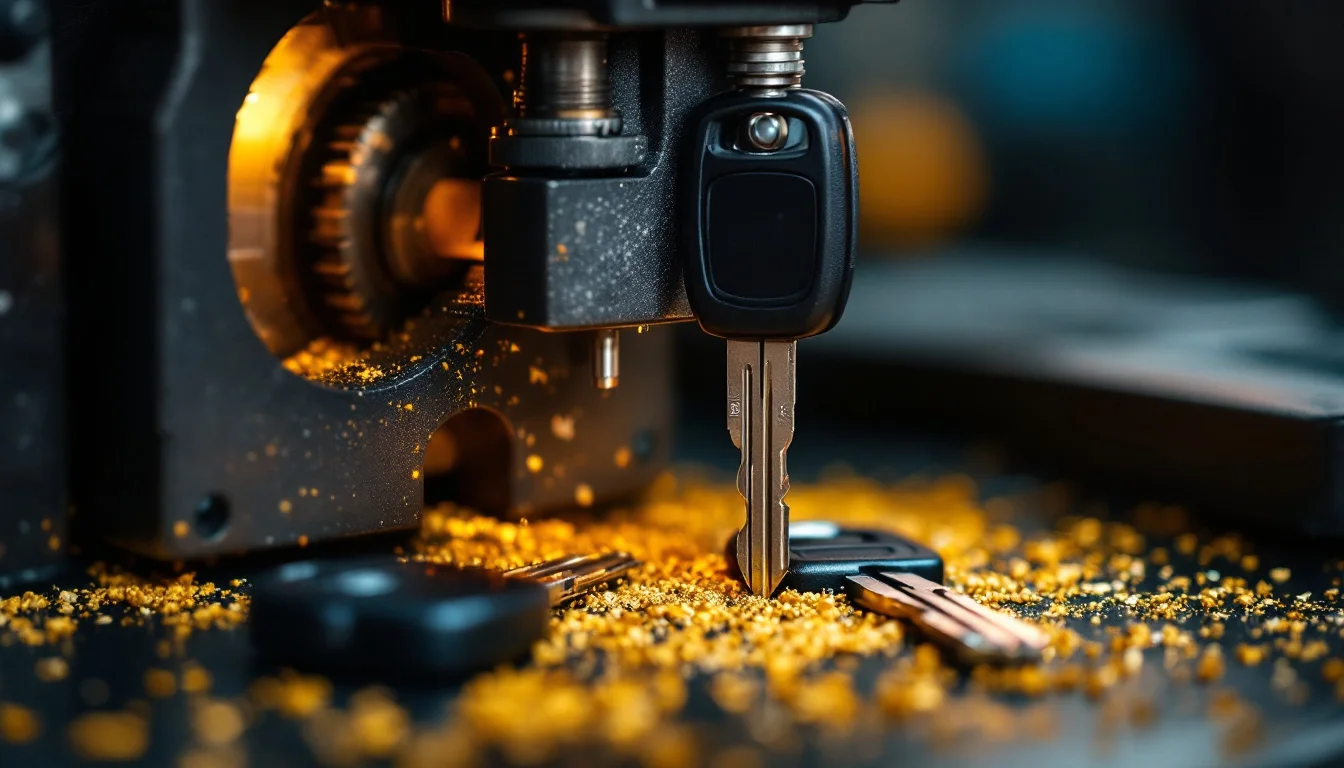
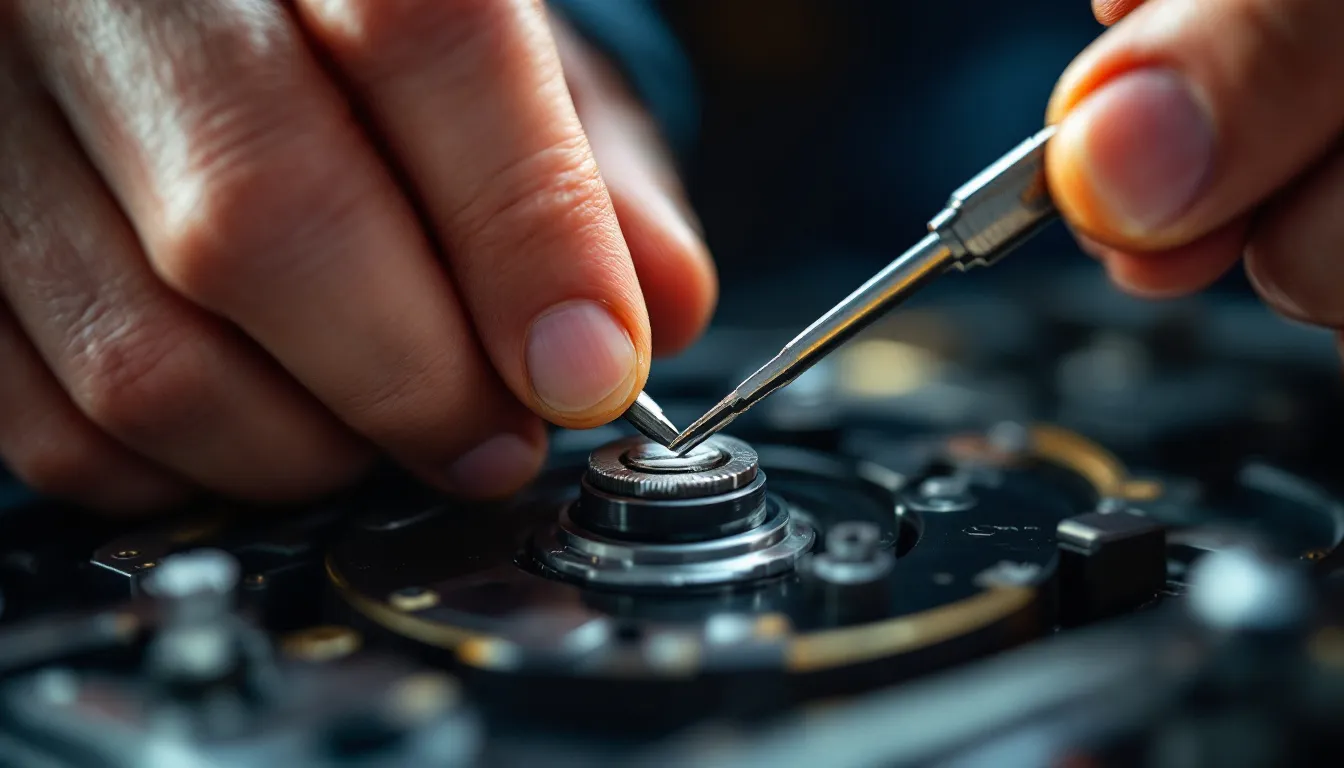
This is the part people are most surprised by: proper extraction is quick and non-destructive when done right. A locksmith uses slim, purpose-built extractor tools — thin hooks and probes designed to slide alongside the broken piece, catch its cuts, and draw it straight out along the keyway. No drilling, no prying at the face, no force that would mar the cylinder.
The skill is in reading how the piece is seated and choosing the right tool and angle — exactly the kind of judgment the Associated Locksmiths of America professional standards are built around. In most cases the broken piece comes out cleanly and the cylinder is completely reusable. Then the second half of the visit begins: making you a working key.
Extraction plus replacement: what it costs in Fort Worth
Most broken-key calls are really two jobs in one visit — get the piece out, then cut and program a fresh key so you can drive. Here is how the pieces price out.
| Scenario | Typical Fort Worth range (July 2026) | Notes |
|---|---|---|
| Extraction only (piece out, cylinder fine) | Lower end of automotive range | Often paired with a new key |
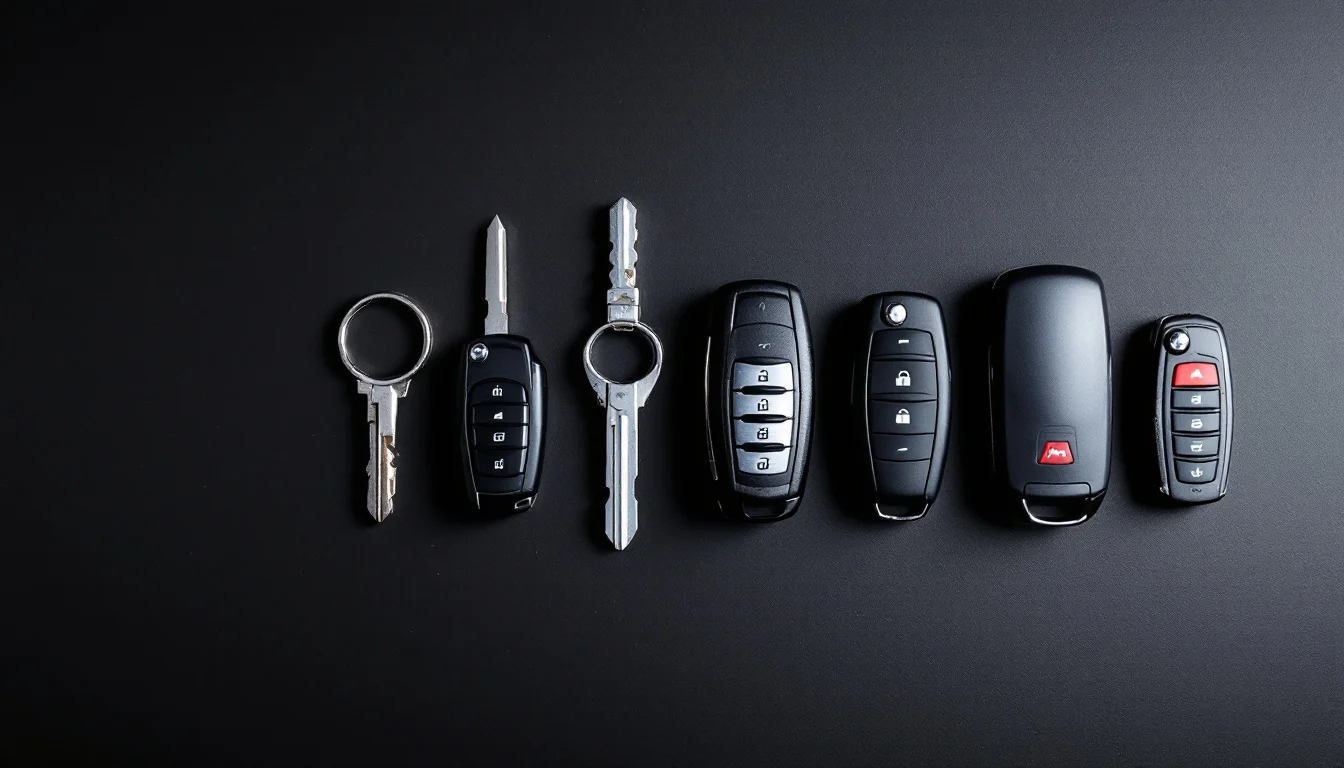
| Extraction + new transponder/flip key | Mid $150-$850 | Cut + chip programming |
| Extraction + new smart/proximity fob | Upper $150-$850 | Secured handshake, pricier hardware |
| Ignition cylinder repair/replacement | $150-$550 | Only if the cylinder is worn or damaged |
Two honest points. First, if the break happened because the cylinder was already worn, extraction alone will not solve the underlying problem — you may be back in a month. That is when ignition repair is the real fix, not just a new key. Second, the new key almost always needs programming if your car uses a transponder or smart fob, which is why the replacement side sits in the middle-to-upper part of the range rather than the bottom.
Ignition break vs door break: what differs
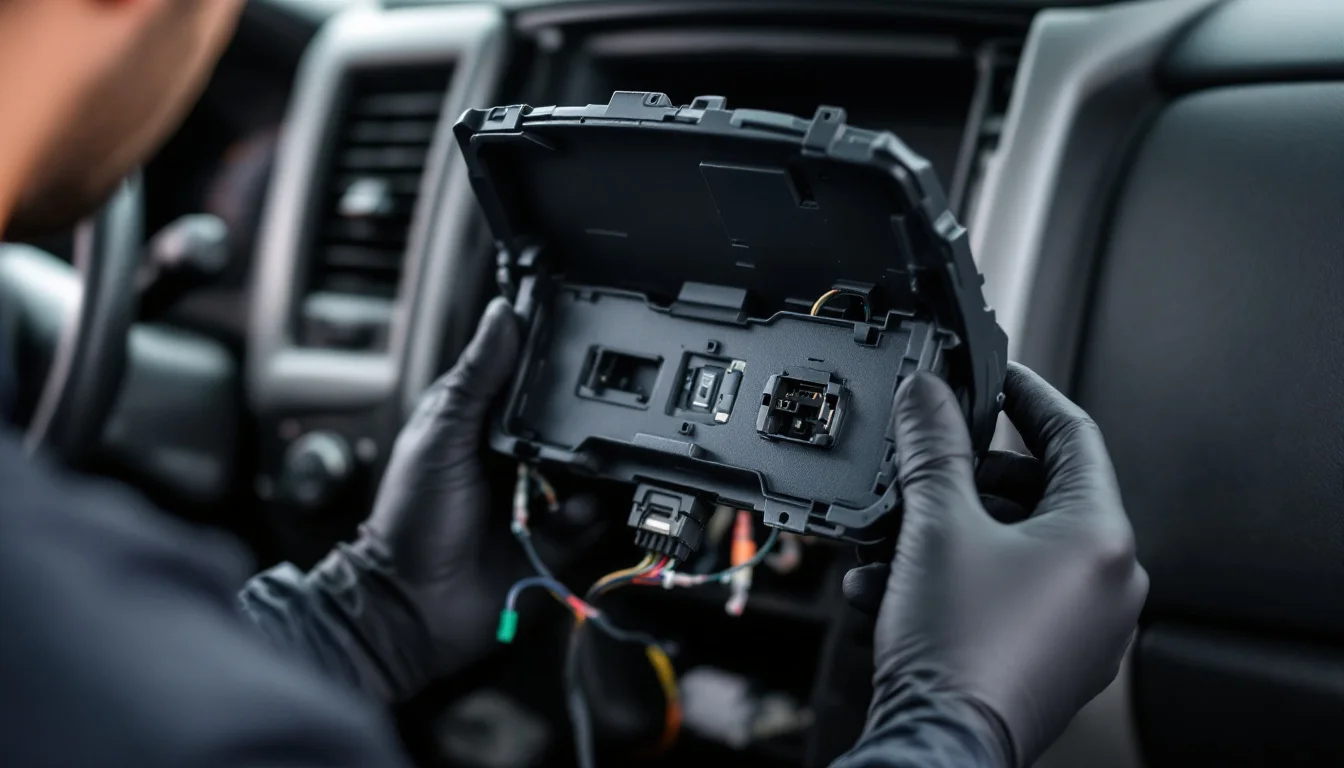
Broken in the ignition is the more delicate of the two, because the ignition cylinder is tied to the steering lock and the immobilizer. Turning it with a piece stuck can jam the steering lock or leave the switch mid-cycle. Extraction is still routine, but the "do not turn it" rule matters most here.
Broken in a door lock is usually lower-stakes — the door cylinder is simpler and not tied to starting the car. Extraction is typically fast. The main risk is the same glue-and-pliers temptation, which can damage the wafers and leave you needing the door cylinder serviced.
Either way, the fix is the same shape: extract cleanly, then make a fresh, correctly-cut key so you are not relying on the tired old one that just failed.
What NOT to do (the expensive-mistake list)
- Do not super-glue. Repeat offender, worst outcome. Glue in the cylinder is often unrecoverable without replacing it.
- Do not jam pliers or a screwdriver into the keyway. You will scratch or spread the cylinder face and can push the piece deeper.
- Do not keep turning the key stub with your fingers. Force is what deepens the problem.
- Do not drill it yourself. Drilling destroys the cylinder — it is a last resort even for pros, not a first move for a driver.
- Do not ignore why it broke. If the key snapped because the ignition is worn, address the cylinder or expect a repeat.
The FTC's general guidance on auto services applies here too: get a clear, upfront price and be wary of anyone who lowballs on the phone then upcharges on arrival (consumer.ftc.gov).
Preventing the next broken key
- Replace a tired original before it snaps. If your key is visibly worn or the ignition takes wiggling, cut a fresh key from the VIN or a good original.
- Lighten your keyring. Less dangling weight means less leverage stress on the ignition.
- Keep a spare. A backup means a broken key is an inconvenience, not a stranding.
- Address a sticky ignition early. A cylinder that fights you is warning you. Our guide on ignition cylinder vs immobilizer faults helps you tell the difference.
We handle extraction and same-visit key replacement across the Fort Worth metro, from Sundance Square to Camp Bowie. Texas locksmith companies operate under the Texas Department of Public Safety (DPS) Private Security Program, and the NASTF framework governs the legitimate security access needed to program your replacement key correctly.
Frequently Asked Questions
Can a locksmith get a broken key out of my ignition without damage?
Yes, in the large majority of cases. A trained locksmith uses slim, purpose-built extractor tools that slide alongside the broken piece and draw it out along the keyway without drilling or prying, leaving the cylinder reusable. The main thing that turns a clean extraction into a damaged cylinder is DIY force or super glue before the pro arrives, so stop pulling and do not turn the ignition once the key breaks.
How much does broken key extraction cost in Fort Worth?
As of July 2026, extraction plus a replacement key falls within the $150-$850 automotive range — extraction alone is toward the lower end, while a new transponder or smart key adds programming cost in the middle-to-upper part of that band. If the ignition cylinder itself is worn or damaged and needs service, ignition repair runs $150-$550. We give a firm quote after seeing the break and confirming your VIN.
Should I super-glue the two key halves together to pull it out?
No — this is the single most damaging thing you can do. Glue bonds the broken piece to the inside of the cylinder as much as to the other half, and when the top snaps off again you are left with glue and metal jammed in the lock, often requiring a full cylinder replacement. Leave the piece where it is and call a locksmith for a clean extraction.
Why did my car key break in the first place?
Most keys break from metal fatigue after years of flexing, often at the thin shoulder, and worn keys fighting worn cylinders finally give under the extra force you use to turn them. Copies made from already-worn duplicates are weaker too. If the ignition felt sticky before the break, the cylinder may be the underlying issue, and a fresh key alone could snap again unless the ignition is addressed.
Can you make a new key on the spot after extracting the broken one?
Yes, most of the time. After a clean extraction, a mobile locksmith can cut and program a replacement on site the same visit for the large majority of vehicles, so you drive away with a working key. Smart/proximity fobs and some European makes take longer, and a small number of late-model European models require one dealer-side coding step, which we flag upfront.
Is a broken key in the door lock as serious as in the ignition?
Usually less serious. The door cylinder is simpler and not tied to starting the car, so extraction is typically fast and lower-stakes. The ignition is more delicate because it links to the steering lock and immobilizer, which is why the do-not-turn rule matters most there. In both cases, avoid glue and pliers and let a pro extract the piece cleanly.
References
- Associated Locksmiths of America (ALOA) — Automotive locksmith standards and key extraction: https://www.aloa.org/
- National Automotive Service Task Force (NASTF) — Vehicle security and key programming access: https://www.nastf.org/
- U.S. Federal Trade Commission — Consumer advice on auto services and upfront pricing: https://consumer.ftc.gov/
- National Highway Traffic Safety Administration (NHTSA) — Vehicle safety and anti-theft information: https://www.nhtsa.gov/
- Texas Department of Public Safety, Private Security Program — Locksmith regulation in Texas: https://www.dps.texas.gov/
Related services
Locksmith Fort Worth — (817) 674-3595 · contact@locksmithfortworth.net · Mobile, 24/7 across Fort Worth.