Hyundai Smart Key Won't Start the Car in Fort Worth: Fixes (2026)
Quick answer: When a Hyundai smart key won't start the car, the most common cause is the cheapest one — a dead fob battery. Before anything else, try the dead-key-touch trick: hold the fob directly against the start button and press the brake while pushing start, which many Hyundais accept even with a flat fob. If that works, it's just a battery. If the car still won't start (or won't crank, or throws an immobilizer warning), the issue may be the fob's chip, the immobilizer, or ignition/start hardware — that's diagnostic-then-quote, and a battery/re-sync fix typically runs $150–$350. Locksmith Fort Worth: 24/7, (817) 674-3595.
As of July 2026, "I press the button and nothing happens" is one of the most common Hyundai calls we get in Fort Worth — and one of the most misunderstood. Owners fear the worst (a dead car, an expensive key job) when the real cause is often a coin-cell battery you can't see. This guide is a plain-English symptom triage for Elantra, Sonata, Tucson, Santa Fe, Kona and Palisade owners: what to try yourself, how to read what the car is telling you, what each fix costs, and when it's time to call.
First, Read What the Car Is Doing
Not all "won't start" symptoms are the same, and the exact behavior narrows the cause fast. Notice which of these matches:
- Nothing at all — press start, no dash lights, no crank, dead silence. Points toward power: the 12-volt car battery, not the key.
- Dash lights up, but "Key not detected" or an immobilizer/key warning appears — the car has power but isn't seeing a valid key. Classic weak-fob or immobilizer symptom.
- Cranks but won't fire — the starter spins the engine but it won't catch. Could be immobilizer-side (key not authorized) or a mechanical/fuel issue that belongs at a repair shop.
- Everything worked yesterday, both keys act the same — if every key behaves identically, suspect the car side (immobilizer/module), not the keys.
Keep that behavior in mind — it's the single most useful thing you can tell a technician on the phone.
The Dead-Fob-Battery Fix (Try This First)
Smart-key fobs run on a small coin-cell battery, and Fort Worth's heat is hard on them. A weak fob can't broadcast far enough for the car to detect it across the cabin — but almost every push-to-start Hyundai has a backup: the dead-key-touch start.
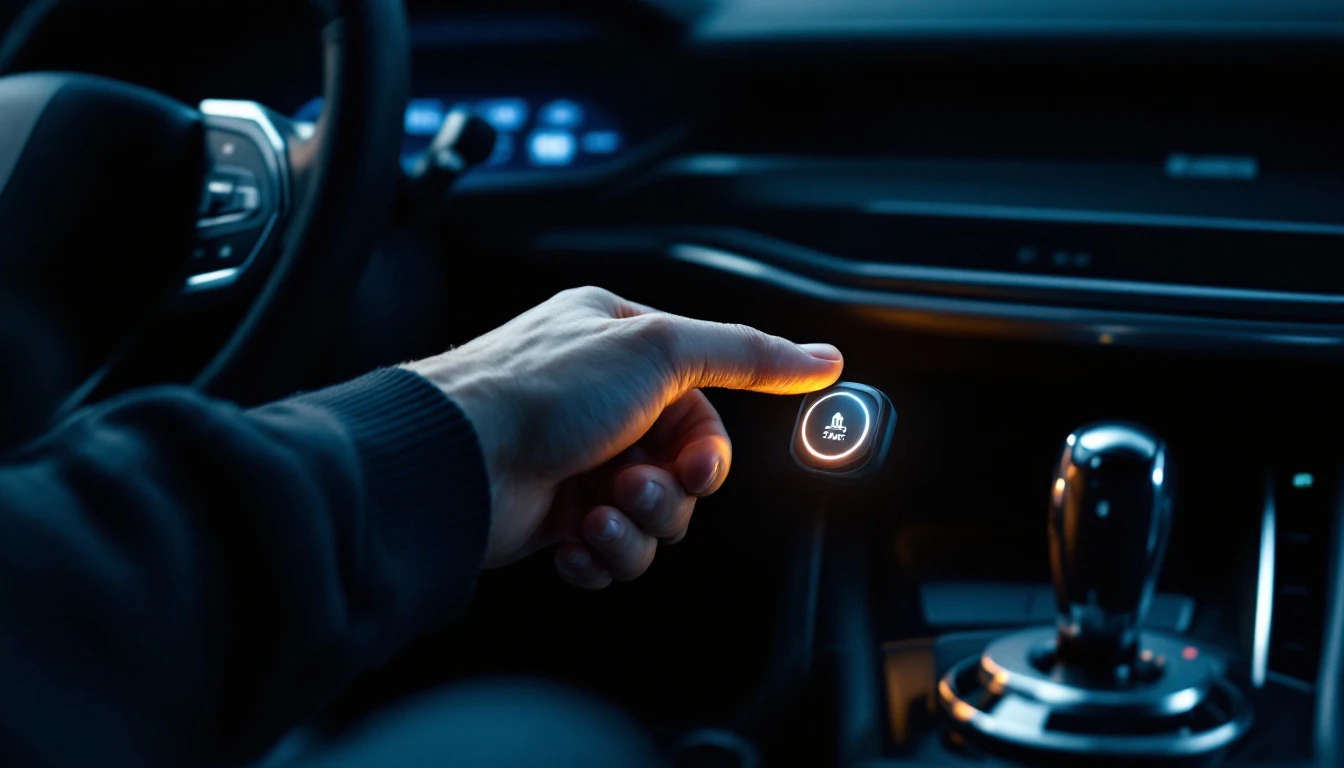
Here's the owner move: with your foot firmly on the brake, hold the smart key physically against the start/stop button (the fob has a passive chip the car can read up close, even with a dead battery), and press the button while they're touching. Many Hyundais will recognize the fob this way and start. Your owner's manual shows the exact spot and method for your model — it's a designed-in feature, not a hack.
If the dead-key-touch works, your fob battery is the culprit. That's the best possible outcome: a fresh coin cell, and you're done. If you're not comfortable opening the fob (there's a small emergency blade and a seam to pry), a technician can swap the battery and confirm the fob is otherwise healthy in minutes.
If the fob touch doesn't start the car, don't force it repeatedly — move on to the next possibilities.
When It's Not the Fob Battery
If a fresh battery (or the dead-key-touch) doesn't solve it, the cause is one of a few things, and they're worth understanding before anyone quotes you.
A failing fob chip or de-synced key. Occasionally the fob's transponder chip degrades or the key falls out of sync with the car. A re-sync or reprogram of the existing key restores it — cheaper than a full replacement.
An immobilizer fault. The immobilizer is the anti-theft system that decides whether your key is authorized to start the engine. When it faults, the car can crank without firing, or refuse a key it should accept. This is genuine security-system territory — and it's the same architecture the Insurance Institute for Highway Safety (IIHS) credits with lower theft rates, and that FBI reporting (fbi.gov) shows still matters, because vehicle theft remains a major property crime. Our guide on telling an ignition cylinder problem from an immobilizer fault is built for exactly this fork.
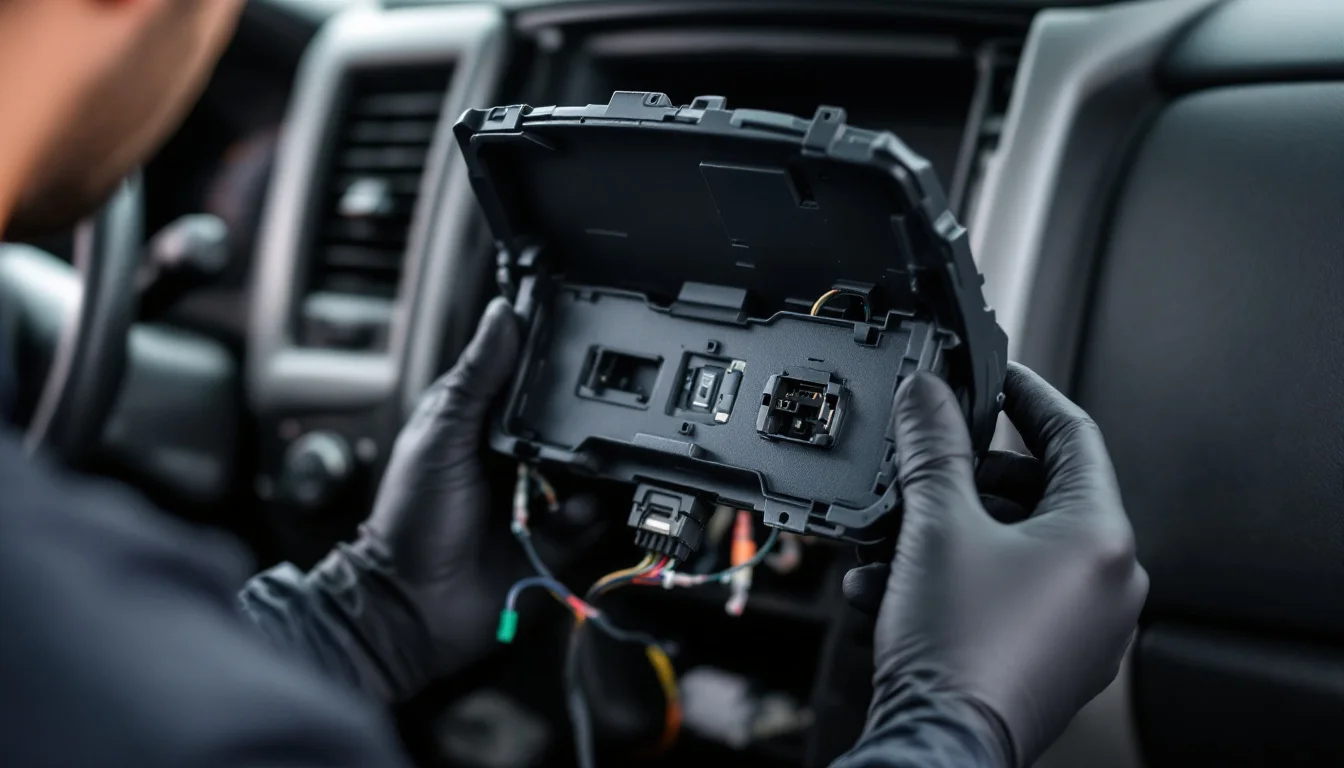
Ignition or start-hardware trouble. The push-button switch or the start circuit itself can fail, mimicking a key problem. That's an ignition repair matter, priced separately at $150–$550.
A dead 12-volt car battery. If there are no dash lights at all, it's frequently just the main battery. A jump or replacement — not a locksmith job — often ends the drama.
For the deeper mechanics of how the key, chip, and immobilizer talk to each other, our explainer on transponders, the immobilizer and OBD programming lays it out at owner altitude.
Fort Worth Heat Is Hard on Fobs
There's a local wrinkle worth naming: North Texas summers are brutal on the small electronics inside a smart key. A fob left baking on a dashboard or in a hot cup holder day after day loses battery life faster than one kept in a pocket or bag, and heat stress can accelerate the day a coin cell finally gives out. That's part of why "my key just stopped working" calls cluster in July and August around Fort Worth. Two cheap habits help: keep the fob out of direct sun and off the dash when you can, and swap the coin-cell battery proactively if the car has started nagging you about detection range or if the fob's lock/unlock range has quietly shrunk. Neither guarantees you'll never get stranded, but both push the odds in your favor — and if the fob is already flaky, it's better to handle it on your schedule than at 11 p.m. in a parking lot.
Symptom, Fix & Cost (Fort Worth)
| Symptom / likely cause | What fixes it | Cost band |
|---|---|---|
| "Key not detected," fob touch starts it | Replace fob coin-cell battery | $150 or fob-battery service |
| Fob unresponsive, no lock/unlock either | Battery, then re-sync or reprogram existing key | $150–$350 |
| One key dead, spare works fine | Reprogram/duplicate the failed key | $150–$450 |
| Every key throws a key/immobilizer warning | On-site diagnostic — immobilizer/module suspected | Diagnostic-then-quote |
| Cranks but won't fire, immobilizer warning | Diagnose immobilizer vs. fuel/mechanical, then quote | Diagnostic-then-quote |
| Push-button/ignition switch faulty | Ignition/start hardware repair | $150–$550 |
| No dash lights at all | Likely 12-volt car battery (jump/replace) | Not a key job |
Bands assume a mobile visit in Fort Worth; the tech confirms the exact figure on-site after diagnosis. Note that module/immobilizer faults are never flat-priced — the honest structure is diagnose first, firm quote second.
What to Try, In Order
If your Hyundai won't start on the button, run this quick sequence before calling:
- Look at the dash. Full lights vs. nothing tells you power vs. key.
- Do the dead-key-touch. Brake down, fob against the start button, press. If it starts, it's the fob battery.
- Try the spare key. If the spare starts the car, your first key is the problem, not the vehicle. If neither key works, suspect the car side.
- Check for an obvious dead battery. Interior lights dim? Clicking? That's likely the 12-volt battery.
- Note the exact symptom and call. The more precisely you describe it, the better the tech is prepared.
That last step saves you money. The Federal Trade Commission (FTC consumer guidance) has documented the locksmith bait-price pattern for years — a lowball on the phone, a bigger number at the car. A clear symptom lets a real technician give you a straight, on-site quote instead.
When to Call — and What to Expect
Call when the dead-key-touch and spare key both fail, when you see a persistent immobilizer/key warning, or when the car cranks but won't fire. Here's the honest triage a mobile visit gives you:
Locksmith Fort Worth is mobile-only and 24/7 — from a parking garage near Sundance Square to a driveway out by Alliance Town Center across all of Fort Worth. The technician verifies ownership (photo ID plus registration or title — a step the Associated Locksmiths of America (ALOA) treats as non-negotiable), diagnoses on-site, and gives you a firm quote before any work. A dead Hyundai can't be driven to a shop, and the National Highway Traffic Safety Administration (NHTSA) warns about the risks of moving disabled vehicles — so the equipment comes to the car. Texas locksmiths are licensed under the Texas DPS Private Security Program; you can always ask.
One preventive note: if the fix turns out to be a failed key and you're now down to one, get a spare key made before it happens again — the Department of Homeland Security's Ready.gov even lists spare keys as basic readiness, and our full case for a spare explains why it's cheap insurance.
Frequently Asked Questions
My Hyundai smart key won't start the car — what should I try first?
Try the dead-key-touch: with your foot on the brake, hold the fob directly against the start/stop button and press it. Many Hyundais will start this way even with a flat fob battery, which tells you the battery is the cause. Also try your spare key. If the spare starts the car, your first key is the problem, not the vehicle.
How much does it cost to fix a Hyundai key that won't start?
If it's a dead fob battery or a re-sync of the existing key, expect roughly $150–$350. A failed key that needs reprogramming or duplicating can run $150–$450. If the cause is an immobilizer or module fault, that's diagnostic-then-quote — the tech diagnoses on-site and quotes before any work. Ignition or start-hardware repair is separate at $150–$550.
How do I tell a dead fob battery from an immobilizer fault?
The dead-key-touch is the fastest test: if holding the fob against the start button lets the car start, it's the fob battery. If a fresh battery and the fob touch both fail, and especially if every key throws a key/immobilizer warning or the car cranks but won't fire, the immobilizer or a module is the more likely cause — and that needs an on-site diagnostic.
Both of my keys stopped working at once. Is that the keys or the car?
Keys rarely fail in unison, so when every key behaves the same way, the vehicle side — the immobilizer or a module in the security chain — is the usual suspect. Diagnostics settle it. Mention the "all keys at once" detail when you call, because it meaningfully changes where the technician looks first.
My dash is completely dark when I press start. Is that a key problem?
Usually not. No dash lights at all points at power — most often a dead 12-volt car battery, which is a jump or replacement rather than a locksmith job. If the dash lights up but the car won't recognize the key, that's when a key or immobilizer issue becomes likely.
Can you come to me if my Hyundai won't start?
Yes. Locksmith Fort Worth is mobile-only and 24/7 across Fort Worth. A Hyundai that won't start can't be driven to a shop, so the diagnostic and programming equipment comes to it — home, work, or roadside. Call (817) 674-3595 or email contact@locksmithfortworth.net.