Car Key Programming Explained: Transponders, Immobilizers & OBD in Fort Worth (2026)
Quick answer: Modern car keys do two jobs — a cut metal blade (or no blade at all on push-to-start) turns the mechanics, and a hidden transponder chip talks to the car's immobilizer so the engine will actually start. "Programming" is the step where a locksmith enrolls that chip's identity into the vehicle's computer, almost always through the OBD-II diagnostic port under the dash. It is non-invasive, happens in your driveway, and takes 30-120 minutes depending on the make. Cost runs $150-$850 across all vehicle types, driven mostly by chip cost and the brand's security.
As of July 2026, almost every car on the road in Fort Worth uses an electronic anti-theft system that a plain cut key cannot defeat. That is why the hardware-store key that "fits" your ignition still will not start the engine — the mechanical cut is only half the key. This guide explains the other half in plain language: what the chip does, what the immobilizer is, what the OBD port has to do with any of it, and what actually happens when a mobile locksmith programs a key at your house.
Why a cut key alone will not start your car
Before the mid-1990s, a car key was purely mechanical: match the cuts to the wafers and the engine cranks. That made cars easy to hot-wire, and auto theft was rampant. In response, manufacturers adopted electronic immobilizers, and the National Highway Traffic Safety Administration (NHTSA) has documented how engine immobilizers became one of the most effective anti-theft technologies of the modern era.
The result is that a modern key carries a tiny radio-frequency chip — the transponder — molded into the plastic head or the fob. When you insert or bring the key near the ignition, the car interrogates that chip. If the chip returns the correct identity, the immobilizer releases and the engine is allowed to start. If it does not, the car may crank but will not run, or will start and stall within a second or two. A key that is cut correctly but never programmed is exactly that: a key that turns and goes nowhere.
Transponder, immobilizer, OBD — the three words that matter
These three terms come up in every car-key conversation, so here is what each one actually means:
- Transponder: the passive chip inside the key. "Transponder" is short for transmitter-responder — it has no battery, draws power from the car's antenna field, and responds with an encrypted ID. It is what makes a $3 hardware-store copy useless for starting the engine.
- Immobilizer: the anti-theft computer in the car that checks the transponder ID before allowing the engine to run. It is the gatekeeper. Every key that starts the car has to be enrolled in the immobilizer's memory.
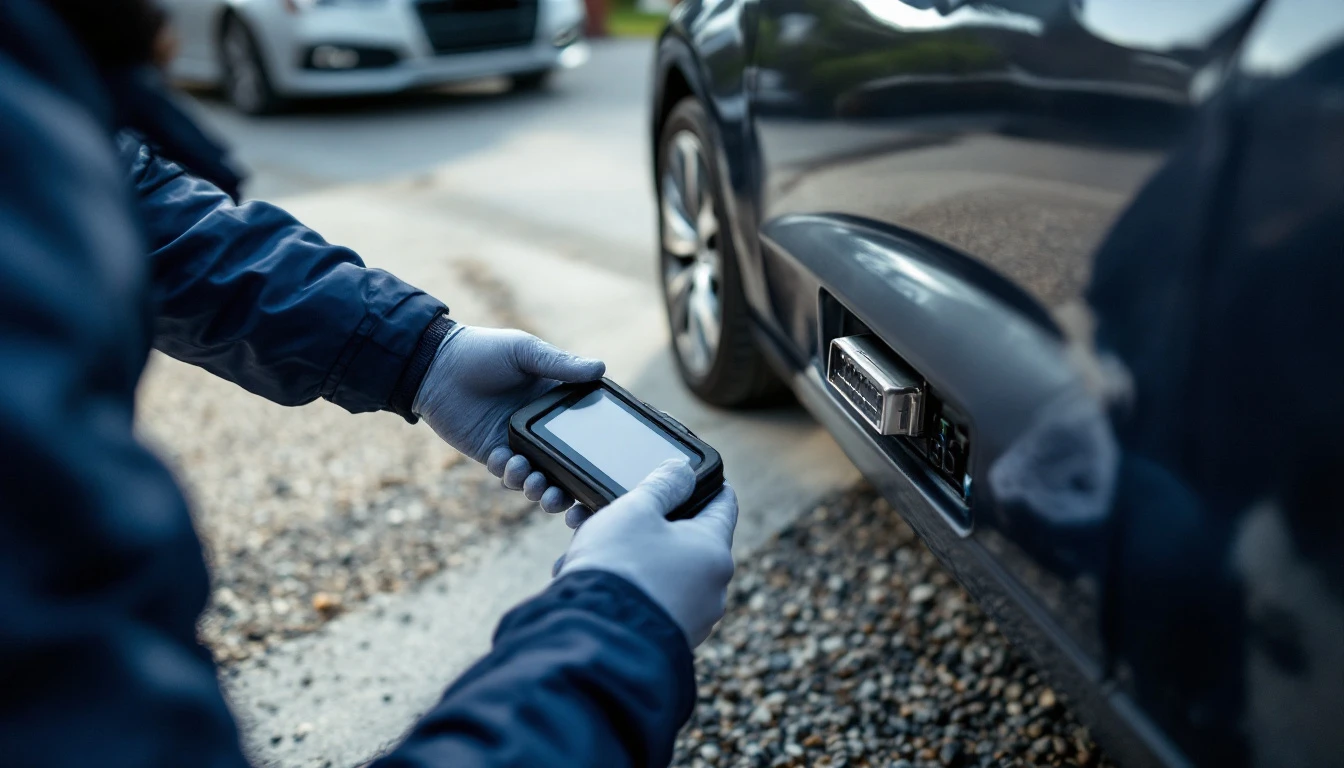
- OBD-II port: the On-Board Diagnostics connector, a standardized 16-pin socket that has been mandatory on U.S. vehicles since 1996. It lives under the dashboard near the steering column. It is the same port a mechanic uses to read a check-engine code — and it is how a locksmith communicates with the immobilizer to enroll a new key.
So "OBD key programming" simply means: plug a programming tool into that diagnostic port, run the manufacturer's security protocol, and write the new key's transponder ID into the immobilizer. When it succeeds, the immobilizer now recognizes your new key and the engine starts.
What happens in your driveway, step by step
The appeal of a mobile locksmith is that none of this requires a tow or a dealer visit. Here is the typical car key replacement appointment from start to finish:
- Verify the vehicle and ownership. The locksmith confirms the VIN and checks that you have the right to service the car — registration, title, or a matching photo ID. This is a standard security step, and NASTF (the National Automotive Service Task Force) built the Vehicle Security Professional program specifically so legitimate locksmiths can access key codes responsibly.
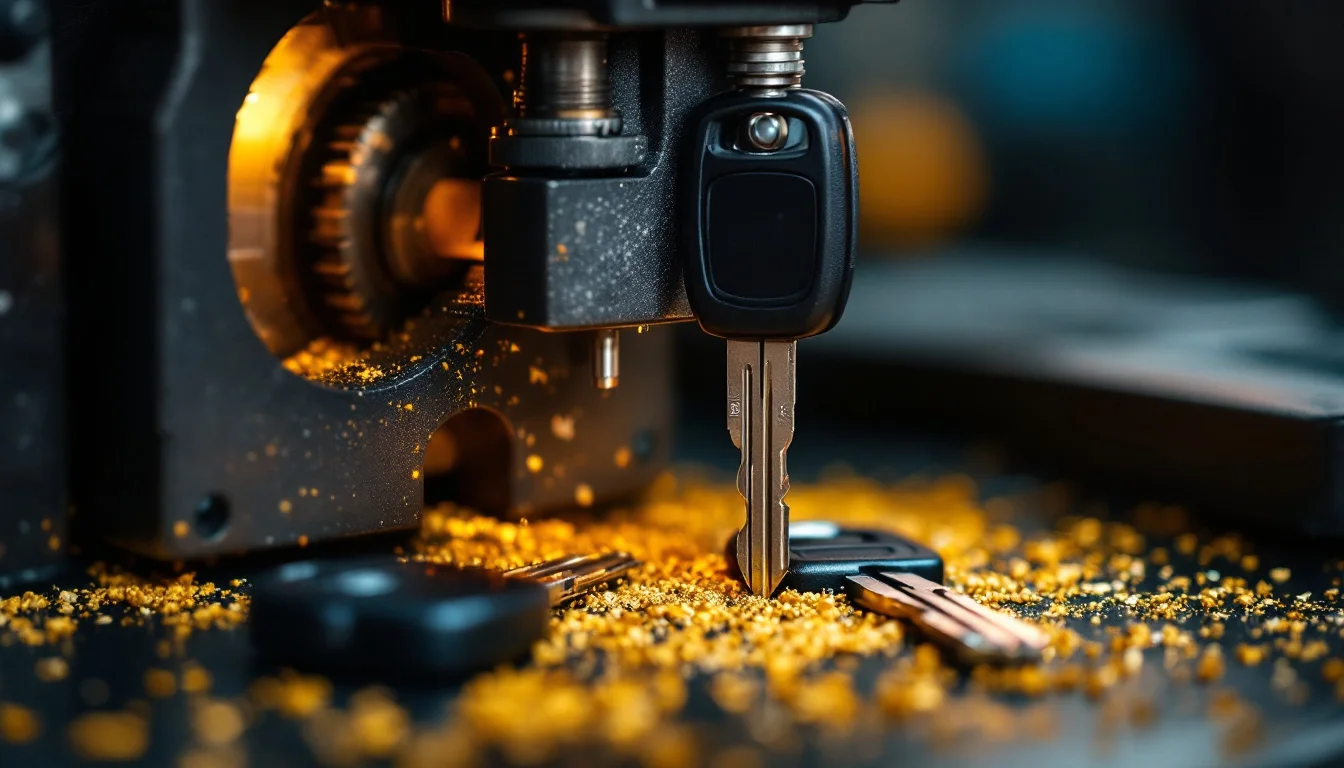
- Cut the mechanical blade. Using the VIN-derived key code, a portable laser or mechanical cutting machine cuts a blade to factory tolerances. On pure push-to-start vehicles there may be only a hidden emergency blade to cut, or none at all.
- Connect to the OBD-II port. The programmer plugs in under the dash and reads the immobilizer.
- Enroll the transponder. The tool runs the make-specific protocol and writes the new key's ID into the immobilizer. On many vehicles you will see the security light on the dash blink and then go solid when enrollment completes.
- Test everything. Lock, unlock, panic, trunk, remote start if equipped, and — the real test — start the engine two or three times to confirm the immobilizer accepts the key every time.
The whole visit is non-invasive. Nothing is drilled, cut into wiring, or forced. The OBD connection is the same handshake the dealer's tool uses; the locksmith just brings it to your parking spot instead of you bringing the car to a service bay.
How programming differs by make
Not all vehicles are equal in how long — and how easily — a key programs. Fort Worth locksmiths see a wide spread:
- Domestic and most Asian brands (Toyota, Honda, Ford, Chevy, Nissan, Hyundai, Kia, Jeep) generally program straight through the OBD port in 30-60 minutes. Ford's PATS system and GM's anti-theft systems are well understood and well supported by aftermarket tools.
- European push-to-start systems (BMW CAS/FEM, Mercedes EZS, Audi/VW MQB) are more involved. They use stronger encryption and sometimes require reading a control module, so they run 60-120 minutes. A few late models still need a step performed on dealer equipment, which a good locksmith will flag before quoting.
- Tesla and some newest-generation platforms use NFC cards or phone-as-key enrollment that is currently delegated to the manufacturer's service network. An honest locksmith tells you upfront when your vehicle is one of these rather than guessing.
The point is not to memorize brands — it is to understand that the price and time reflect how hard the manufacturer made the immobilizer to work with. That is a feature, not a markup: the same security that slows down key programming is what makes your car hard to steal.
What car key programming costs in Fort Worth
Pricing tracks three things: the cost of the chip and shell, the programming equipment the make requires, and the licensing (NASTF VSP) needed to access modern immobilizers legally. Across all vehicle types, the range is $150-$850.
| Key type | What it is | Typical Fort Worth range |
|---|---|---|
| Basic transponder key | Cut blade with chip, no remote buttons | $150-$250 |
| Flip key with remote | Blade folds into a remote-fob body | $200-$350 |
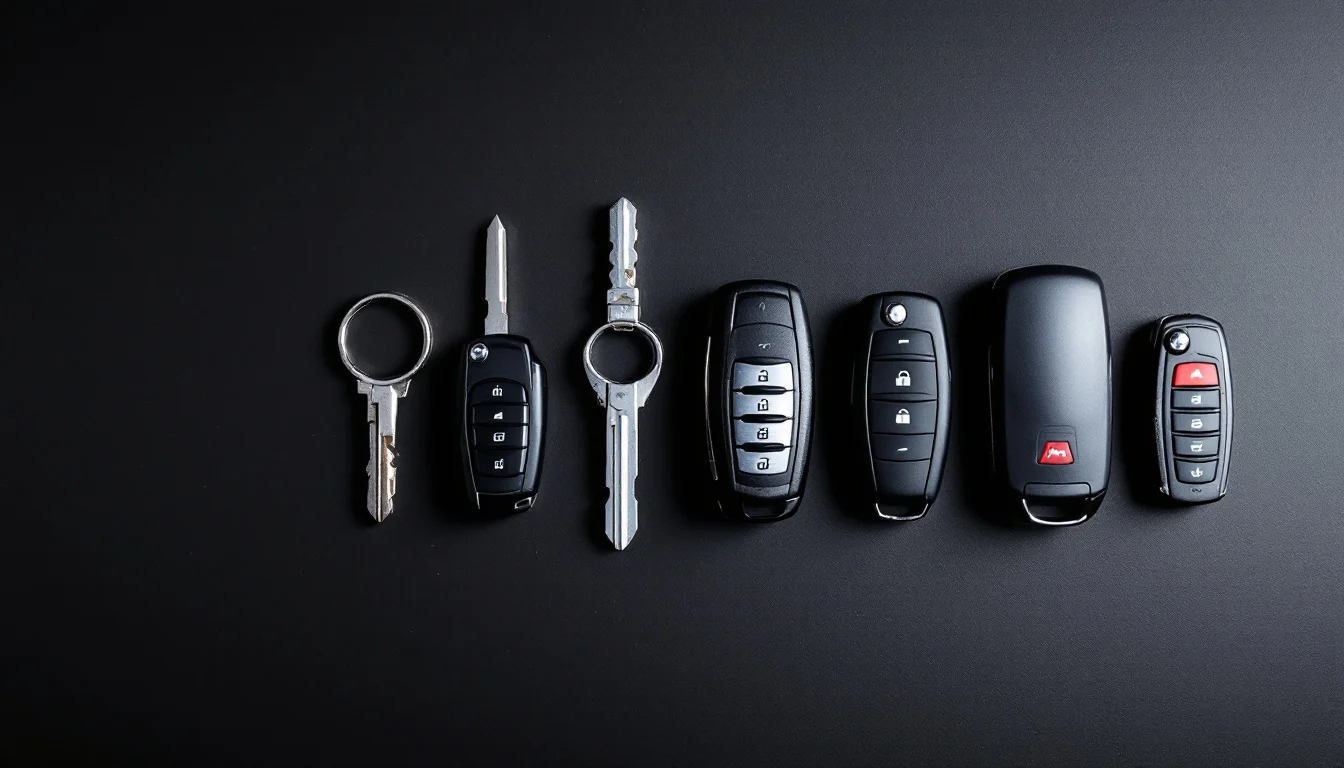
| Smart key / push-to-start | Proximity fob, no blade to insert | $250-$500 |
| European luxury (BMW, Mercedes, Audi) | High-security proximity or encrypted key | $400-$850 |
A few honest notes on that table. The chip and shell are the biggest single cost driver, which is why a proximity smart key costs more than a basic transponder — there is simply more hardware. European luxury keys sit at the top because both the part and the programming protocol are more expensive. And every one of these is typically well under a dealer's price for the same key, because a mobile locksmith has no parts-counter markup and comes to you.
Spare keys are cheaper than emergencies
The cheapest car key you will ever buy is the second one you make while you still have the first. When a working key exists, the locksmith already has a reference to clone or add against, and the appointment is short and simple. When all keys are lost, the job becomes an all-keys-lost procedure — reading or resetting the immobilizer with no existing key to lean on — which takes longer and costs more. Our all-keys-lost guide walks through that scenario in detail.
If your car came with one key, or you are down to a single working fob, programming a spare now is the single best money-saving move you can make. It also protects you from the worst-timed failure — a lost key on a Saturday night far from home. Because we run mobile 24/7 across Fort Worth, that spare can be cut and enrolled wherever your car sits, from the TCU area to Alliance Town Center. You can see our coverage on the Fort Worth service area page.
When the problem is the ignition, not the key
Sometimes a key that used to work suddenly will not turn, or turns but the engine will not fire. That is not always a programming issue. A worn ignition cylinder — common on 2005-2015 GM and Chrysler vehicles where the weight of a heavy keyring slowly wallows out the wafers — can stop a perfectly good key from turning. In that case the fix is ignition repair, which runs $150-$550 depending on whether it is a wafer rebuild or a full cylinder replacement, sometimes with a new key cut and programmed alongside it. A mobile locksmith can diagnose which problem you actually have on site with the same OBD scan tools a dealer uses.
Frequently Asked Questions
Can a locksmith really program a car key in my driveway?
Yes. Modern key programming is done through the OBD-II diagnostic port under your dashboard, using a portable tool that runs the same security protocol a dealer uses. Nothing is drilled or wired; the process is non-invasive. A mobile locksmith cuts the blade on a portable machine, plugs into the port, enrolls the transponder, and tests the key — all where your car is parked, with no tow required.
Why won't my hardware-store key start the car even though it fits?
Because a cut blade is only half of a modern key. The other half is a transponder chip that talks to the car's immobilizer, the anti-theft computer that decides whether the engine may start. A hardware-store copy has the right cuts but no enrolled chip, so the car recognizes it as an intruder — it may crank but will not run, or will start and immediately stall. The chip has to be programmed into the immobilizer for the key to work.
How long does car key programming take?
Standard domestic and Asian brands typically program in 30-60 minutes through the OBD port. European push-to-start systems — BMW, Mercedes, Audi — run 60-120 minutes because they use stronger encryption and sometimes require reading a control module. Tesla and a few newest-generation platforms use enrollment that is currently handled by the manufacturer's service network; a good locksmith will tell you upfront if your vehicle is one of those.
How much does it cost to program a car key in Fort Worth?
Across all vehicle types the range is $150-$850. A basic transponder key runs $150-$250, a flip key with a remote $200-$350, a smart push-to-start fob $250-$500, and European luxury keys $400-$850. The biggest cost driver is the chip and shell, followed by the make-specific programming equipment and the NASTF Vehicle Security Professional licensing needed to access modern immobilizers legally.
Do I need to bring my car to you, or the original key?
Neither. Mobile service comes to wherever the car is parked, and with the VIN a locksmith can cut a fresh blade and program a new transponder even when no working key exists. Having an existing key makes the job faster and cheaper because it becomes an add-a-key rather than an all-keys-lost procedure — which is exactly why programming a spare while you still have one key is the smart move.
Is it safe for the car's computer to program a new key?
Yes. OBD-II programming is a read-and-write handshake through the standardized diagnostic port that has been on U.S. vehicles since 1996 — the same port used for emissions checks and engine diagnostics. A proper key-programming tool follows the manufacturer's own security protocol, so the immobilizer accepts the new key without any harm to the vehicle's electronics. No wiring is cut and nothing is bypassed.
References
- National Highway Traffic Safety Administration — Vehicle Theft Prevention (2024)
- National Automotive Service Task Force — Vehicle Security Professional (VSP) Program (2024)
- AAA — Car Key Replacement and Smart Key Guidance (2024)
- Associated Locksmiths of America — Automotive Locksmithing Resources (2024)
- Texas Department of Public Safety — Private Security Program (2024)