Why a Spare Car Key Is Worth It in Fort Worth (and What It Costs to Cut One Now) (2026)
Quick answer: As of July 2026, cutting a spare car key in Fort Worth costs meaningfully less than replacing a key after you have lost your last one — because when you still have a working key, the locksmith can program a duplicate quickly, whereas an all-keys-lost job means building trust with the car from zero. Depending on your key type, a spare falls within the $150-$850 automotive range, usually toward the lower and middle of it. Making a backup now is the single cheapest insurance policy against a lockout, a tow, and a stressful day.
The math that makes a spare a no-brainer
Most people think about a spare key the way they think about a smoke detector: obviously smart, easy to postpone. Then one day the only key is at the bottom of a lake, in a washing machine, or simply gone — and a five-minute convenience becomes a half-day ordeal.
Here is the core reason a spare pays for itself: replacing your last key costs more than duplicating a key you still have. When a working key exists, your car already recognizes a trusted credential, so a locksmith can enroll a duplicate fast. When every key is gone — the industry term is "all keys lost" — the locksmith has to establish authorization with the vehicle from scratch, which takes more time, more tooling, and sometimes a dealer step. That is a real, structural price difference, not a sales pitch. Our all-keys-lost guide walks through why the from-zero process is heavier.
So the choice is not "spend money on a spare or spend nothing." It is "spend a little now, or spend more later — plus a tow and a ruined afternoon."
What a spare actually costs in Fort Worth
A spare is priced by the same factors as any car key: the key type, your make's immobilizer, and hardware cost. The big difference is that because you have a working original, it is almost always the cheaper end of whatever your key type commands.
| Situation | Relative cost | Why |
|---|---|---|
| Cut a spare (you have a working key) | Lower — best value | Car has a trusted credential to enroll from |
| Replace one lost key (spare still exists) | Moderate | Still leaning on a working key |
| All keys lost (no working key) | Highest | Build trust with the car from zero |
Within that, your key type sets the band:
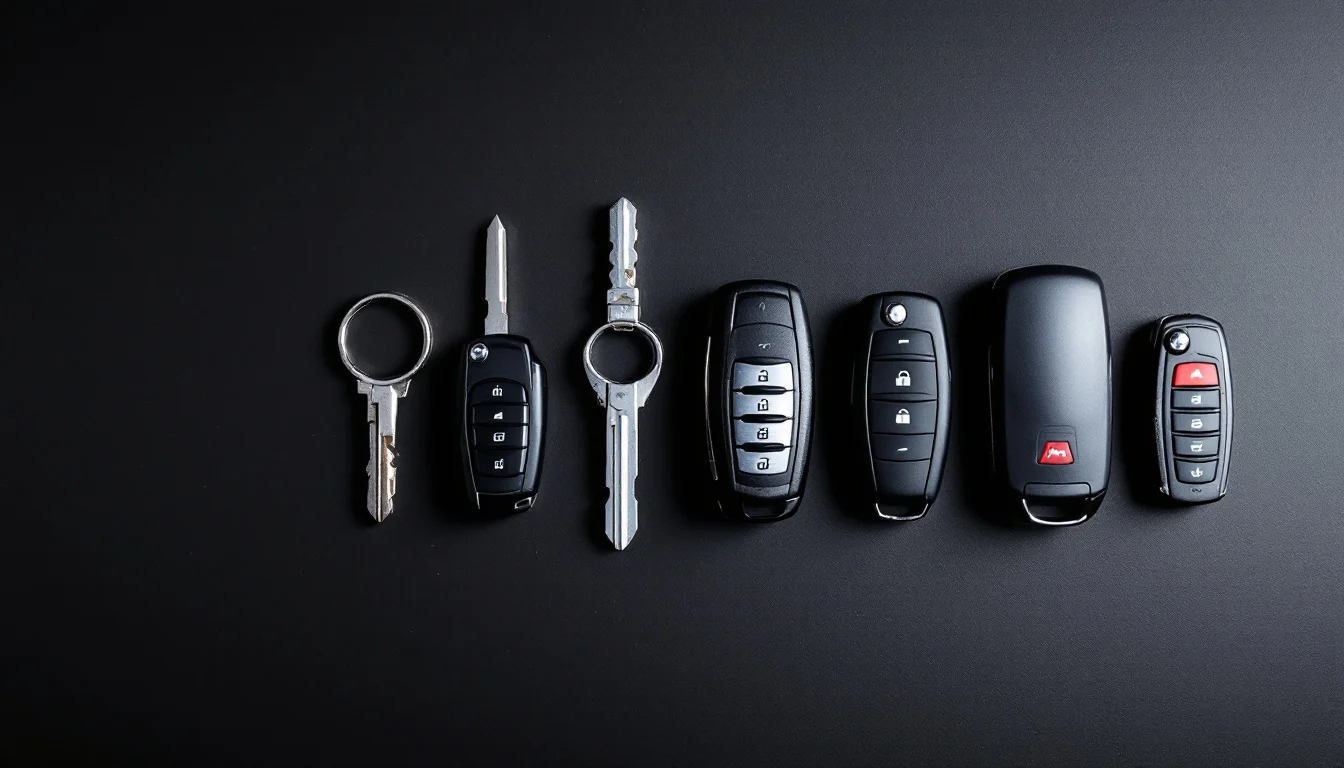
- Basic non-transponder spare — bottom of the $150-$850 range; a simple cut.
- Transponder or flip-key spare — lower-middle; cut plus chip enrollment.
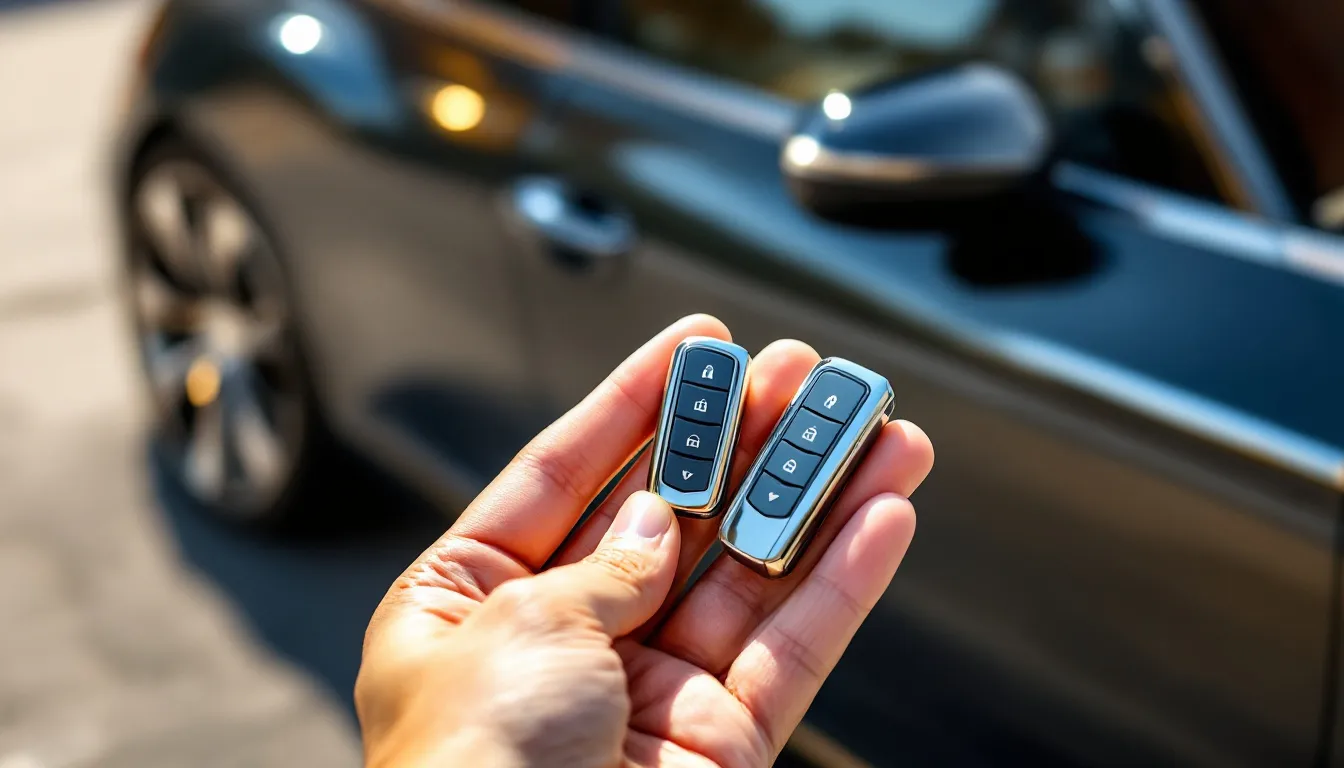
- Smart/proximity fob spare — upper-middle; secured handshake and pricier hardware, but still cheaper than an all-keys-lost smart-key job.
The honest headline: whatever your car uses, making the spare while you still have a key is the lowest-cost version of that job you will ever get.
Five real-world reasons Fort Worth drivers wish they had a spare
- The lockout that becomes a lost key. You lock your keys in the car; the locksmith opens the door — but if that was your only key and it is actually missing, not just locked in, you now need a full replacement. A spare at home turns an emergency into a phone call. (See what to do in a car lockout.)
- The broken key. Keys snap in ignitions and doors, especially older worn keys. A spare keeps you driving while the broken one is extracted and replaced.
- The two-driver household. Sharing one key between spouses or family members is a daily hassle and a single point of failure.
- The Texas heat factor. Being stranded without a key on a 100-degree Fort Worth afternoon is not just inconvenient — heat exposure is a genuine safety issue, as Ready.gov's extreme-heat guidance underscores (ready.gov/heat).
- The resale and rental headache. Selling a car with only one key knocks value off; buyers and dealers expect two. Making a second before you list is cheap peace of mind.
Timing: why "now" beats "later" every time
The best time to cut a spare is when nothing is wrong — because the price is lowest and there is zero urgency premium. The worst time is after you have lost your last key, when you are paying the all-keys-lost rate and possibly a tow and possibly an after-hours fee.
Think of it like a passport: renew it calmly before a trip, not in a panic at the airport. A spare cut on an ordinary Tuesday, from your existing working key, at your home or office, is the calm-Tuesday version of a car key.
How the spare-cutting process works
For most vehicles this is a quick mobile visit:
- We confirm your VIN and key type. This tells us the exact blank, chip, and any security requirements — no guessing.
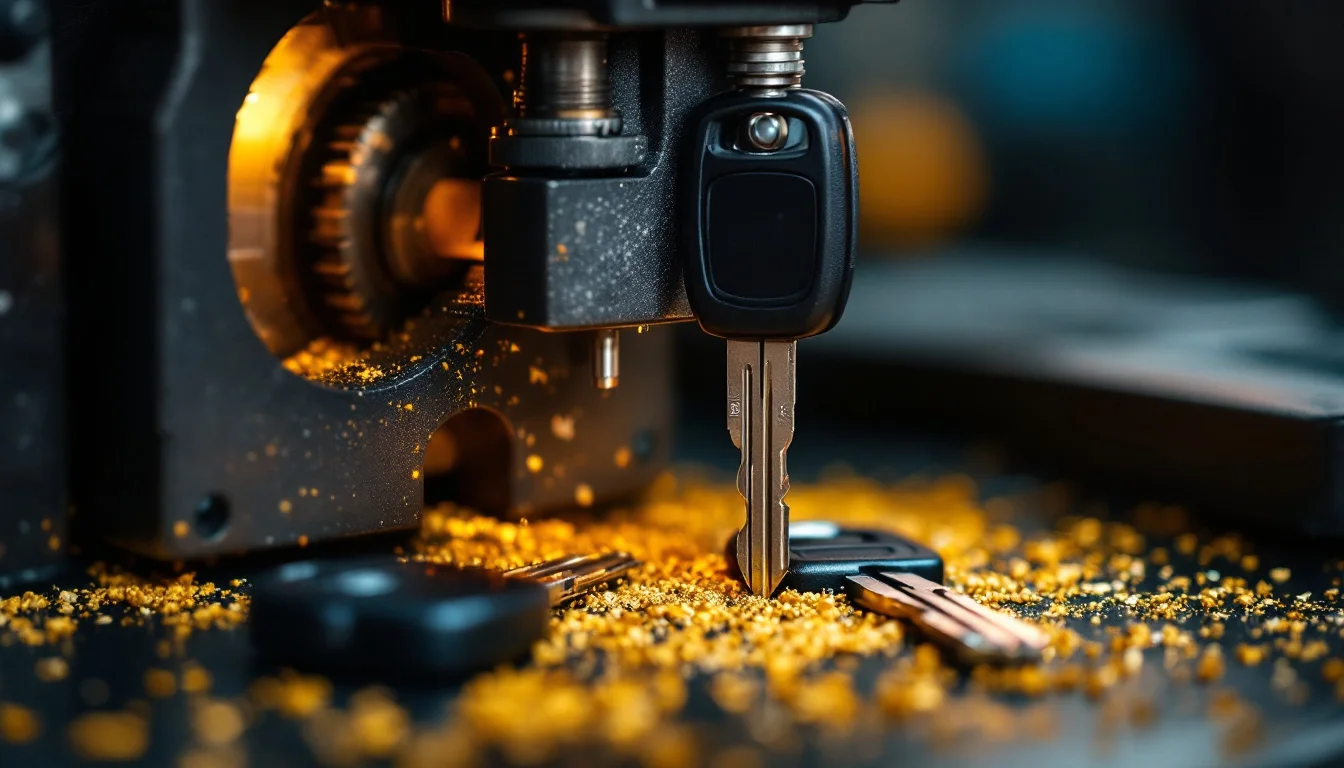
- We cut the blade to match your vehicle, either by code or by duplicating your working key.
- We program the chip or fob (for transponder and smart keys) by enrolling it alongside your existing working key. Having that working key present is what makes a spare fast and affordable — the car accepts the new credential because it trusts the old one.
- We test both keys so you leave with two that reliably start and lock the car.
The whole thing typically takes well under an hour for domestic and Asian vehicles. For the mechanics of the chip enrollment, our car key programming explainer has the details.
Should you buy a blank online and have us cut it?
For a basic non-transponder key, a locksmith can often cut a duplicate quickly and inexpensively — sourcing the blank is trivial. For transponder and smart keys, buying a blank online to save money usually backfires: the wrong chip, an un-programmable clone, or a fob that will not enroll without registered security access. The NASTF Secure Data framework governs the legitimate professional access that makes proper programming possible, and it is not something a marketplace blank comes with. Let a pro source the VIN-matched key so your spare actually works when you need it — the whole point of a spare is reliability.
Avoiding the "cheap spare" trap
A too-cheap online quote for a chipped key is a warning sign, not a bargain — the same bait-and-switch pattern the FTC warns about for service calls applies to key work (consumer.ftc.gov). Protect yourself:
- Get a firm quote tied to your VIN and key type, not a vague "starting at" figure.
- Confirm the local business. Texas locksmith companies operate under the Texas Department of Public Safety (DPS) Private Security Program; a legitimate operator is transparent about it.
- Insist both keys are tested before payment — a spare that does not reliably start the car is not a spare.
We cut and program spares across the Fort Worth metro, from the Stockyards to the TCU area and West 7th — a routine car key replacement visit that leaves you with a reliable backup.
Where to keep your spare (so it is actually there when you need it)
A spare only helps if you can get to it when the primary key is gone. A few practical habits make the difference:
- Do not store both keys together. Two keys on the same ring, or both in the same bag, defeats the purpose — lose the bag and you are back to all-keys-lost. Keep the spare physically separate.
- Pick a safe, remembered spot at home. A drawer, a labeled hook, or a small key box works. The goal is a place you will actually recall under stress, not a "clever" hiding spot you forget.
- Consider a trusted second person. A spouse, roommate, or nearby family member holding your backup means help is a text away even when you are stranded far from home.
- Refresh a smart-fob battery periodically. A backup proximity fob that has sat for years may have a dead coin cell; a fresh battery keeps it ready.
- Re-test after any lock or ignition work. If your ignition or door lock was recently serviced, verify both keys still start and lock the car so the spare stays trustworthy.
None of this costs anything, and it turns your spare from a nice idea into genuine, usable insurance. The whole point is that on the worst day, the backup is exactly where you expect it and works the moment you grab it.
Frequently Asked Questions
How much does a spare car key cost in Fort Worth?
As of July 2026, a spare falls within the $150-$850 automotive range, usually toward the lower and middle of it, because you still have a working key for the car to enroll from. A basic non-transponder spare is cheapest, a transponder or flip key is more, and a smart/proximity fob is at the higher end — but every one of those is cheaper as a spare than as an all-keys-lost replacement. The VIN sets your firm quote.
Is a spare really cheaper than replacing a lost key?
Yes, and the reason is structural. When you have a working key, the car already recognizes a trusted credential, so a locksmith can program a duplicate quickly. When every key is gone, the locksmith must establish authorization from zero, which takes more time and tooling and sometimes a dealer step. That from-zero work is what makes an all-keys-lost job the most expensive scenario — and exactly what a spare lets you avoid.
Can you make a spare at my home or office?
Yes. For the large majority of vehicles, cutting and programming a spare is mobile work done at your location across the Fort Worth metro. Bring your existing working key to the visit — its presence is what makes enrolling the new key fast and affordable. Most domestic and Asian spares are done in well under an hour.
Do I need to bring the car in to make a spare?
Almost never. A mobile locksmith comes to wherever the car is parked, confirms the VIN, cuts the blade, and enrolls the chip or fob on site. The only rare exception is a small set of late-model European vehicles with a coding step that must happen at a dealer — and a reputable locksmith tells you that before starting, not after.
Can I just buy a key blank online and program it myself?
For a plain non-transponder key, sometimes. For transponder and smart keys, this usually fails — the wrong chip or an un-programmable clone leaves you with a blank you cannot activate without registered security access and a professional tool. A spare exists to be reliable, so it is worth having a pro source the VIN-matched key and program it correctly the first time.
How many keys should I keep for my car?
At least two working keys is the sensible standard, and it is what most dealers and buyers expect. Keep one in daily use and store the spare somewhere safe and separate — not clipped to the same ring. If you are already down to a single key, cutting a backup now is the cheapest version of the job you will ever get, before a loss forces the pricier all-keys-lost route.
References
- National Automotive Service Task Force (NASTF) — Secure Data and legitimate vehicle key access: https://www.nastf.org/
- Ready.gov (U.S. Department of Homeland Security) — Extreme heat safety: https://www.ready.gov/heat
- U.S. Federal Trade Commission — Consumer advice and avoiding service scams: https://consumer.ftc.gov/
- Associated Locksmiths of America (ALOA) — Automotive locksmith standards: https://www.aloa.org/
- National Highway Traffic Safety Administration (NHTSA) — Vehicle security information: https://www.nhtsa.gov/
- Texas Department of Public Safety, Private Security Program — Locksmith regulation in Texas: https://www.dps.texas.gov/
Related services
Locksmith Fort Worth — (817) 674-3595 · contact@locksmithfortworth.net · Mobile, 24/7 across Fort Worth.