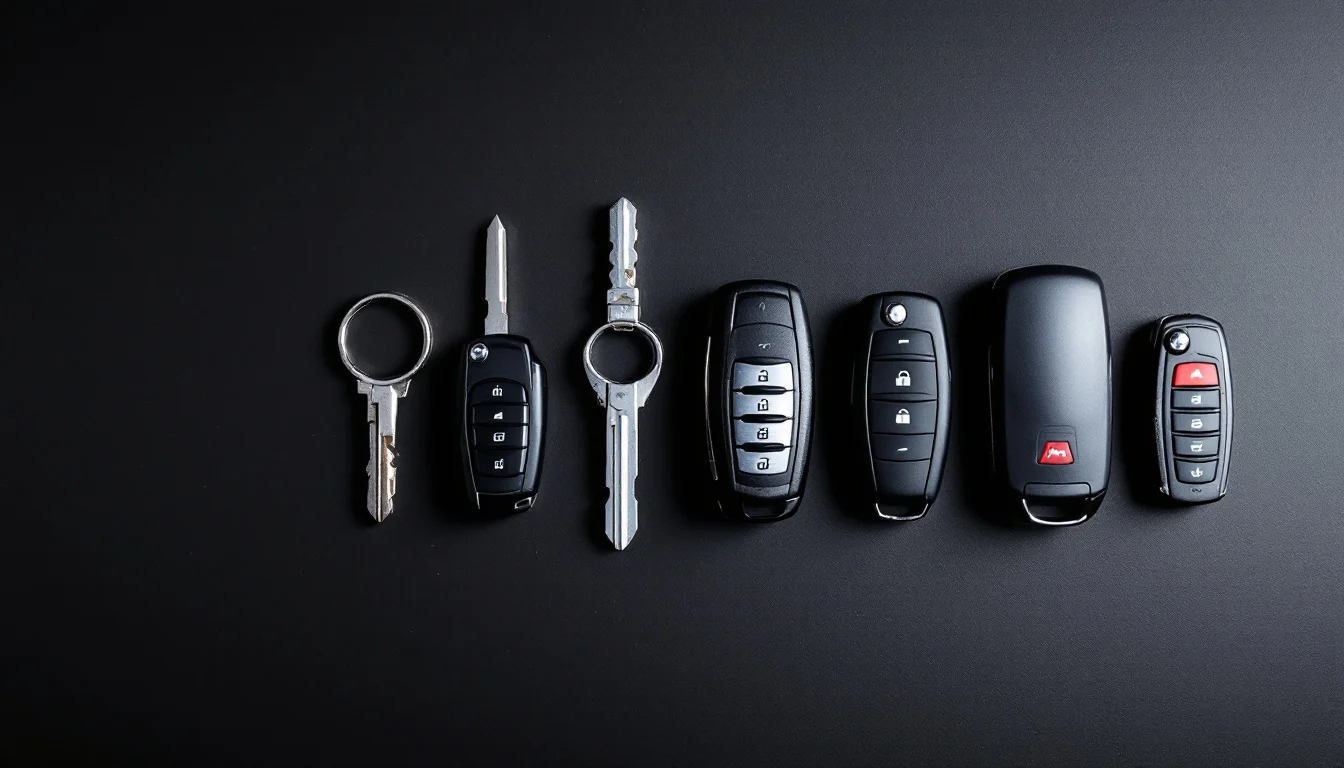
Hyundai All Keys Lost in Fort Worth: The Process & Cost (2026)

Quick answer: A Hyundai "all keys lost" job — where no working key exists — runs at the high end of the $150–$850 key band, because the technician has to build a key from your VIN, access the immobilizer, and reset the system so new keys are authorized and any old keys are locked out. It's more than a spare (where a working key already exists) precisely because there's no trusted key to start from. A mobile locksmith can do it where your Hyundai sits, usually same-day. Locksmith Fort Worth: all-keys-lost service, 24/7, (817) 674-3595.
As of July 2026, "I've lost every key to my Hyundai" is one of the more stressful calls we take in Fort Worth — and one of the most fixable. Whether it's an Elantra, Sonata, Tucson, Santa Fe, Kona, Palisade or Accent, the path back to a running car is well-worn. This guide explains the all-keys-lost process at owner altitude: what actually happens, why it costs what it costs, how the immobilizer fits in, and what to have ready so the visit goes fast.
What "All Keys Lost" Really Means
"All keys lost" (AKL) is exactly what it sounds like: there is no working key for the car — not a spare in a drawer, not a valet key, nothing the vehicle will currently recognize. That distinction is the whole ballgame, because modern Hyundais decide whether to start based on a secure electronic handshake between the key and the car's immobilizer.
When you have a working key, the car already trusts a valid credential, and a technician can enroll an additional key against it fairly quickly. When every key is gone, there's nothing for the car to trust — so the technician has to access the security system itself, authorize brand-new keys, and invalidate anything that used to work. That's more involved, and it's why AKL sits at the top of the price band while a spare sits lower. Our companion guide walks through the full VIN-to-new-key all-keys-lost process in detail.
The Immobilizer, in Plain English
Every transponder or smart key for a Hyundai carries a chip that answers a challenge from the car. Turn the key or press start, and the immobilizer asks, in effect, "Prove you belong to this car." If the chip gives the right answer, the engine is allowed to run; if not, the car cranks but won't start — or won't crank at all.
That's a deliberate anti-theft design, and it works. The Insurance Institute for Highway Safety (IIHS) has long connected robust immobilizer electronics to lower theft rates, and vehicle theft remains a significant property crime in FBI reporting (fbi.gov). The frustrating flip side is that the same lock protecting your Hyundai from a thief also means a lost-key situation isn't a "cut a new blade and go" errand — the new key has to be electronically enrolled. If you want the mechanics without the jargon, our explainer on transponders, the immobilizer and OBD programming is the place to start.
VIN-to-Key: How the New Key Gets Built
With no key in hand, the technician builds one from your vehicle. Here's the owner-level version of the sequence:
- Verify the car and the owner. Photo ID plus registration or title matching the VIN. This is non-negotiable — a locksmith who skips it is the one to avoid, and the Associated Locksmiths of America (ALOA) treats ownership verification as a professional baseline.
- Read the VIN and vehicle. The VIN and on-vehicle data tell the tech the correct key type and cutting pattern for your specific Hyundai.
- Cut the mechanical blade. Even smart-key Hyundais have an emergency blade for the door; it's cut to match your locks.
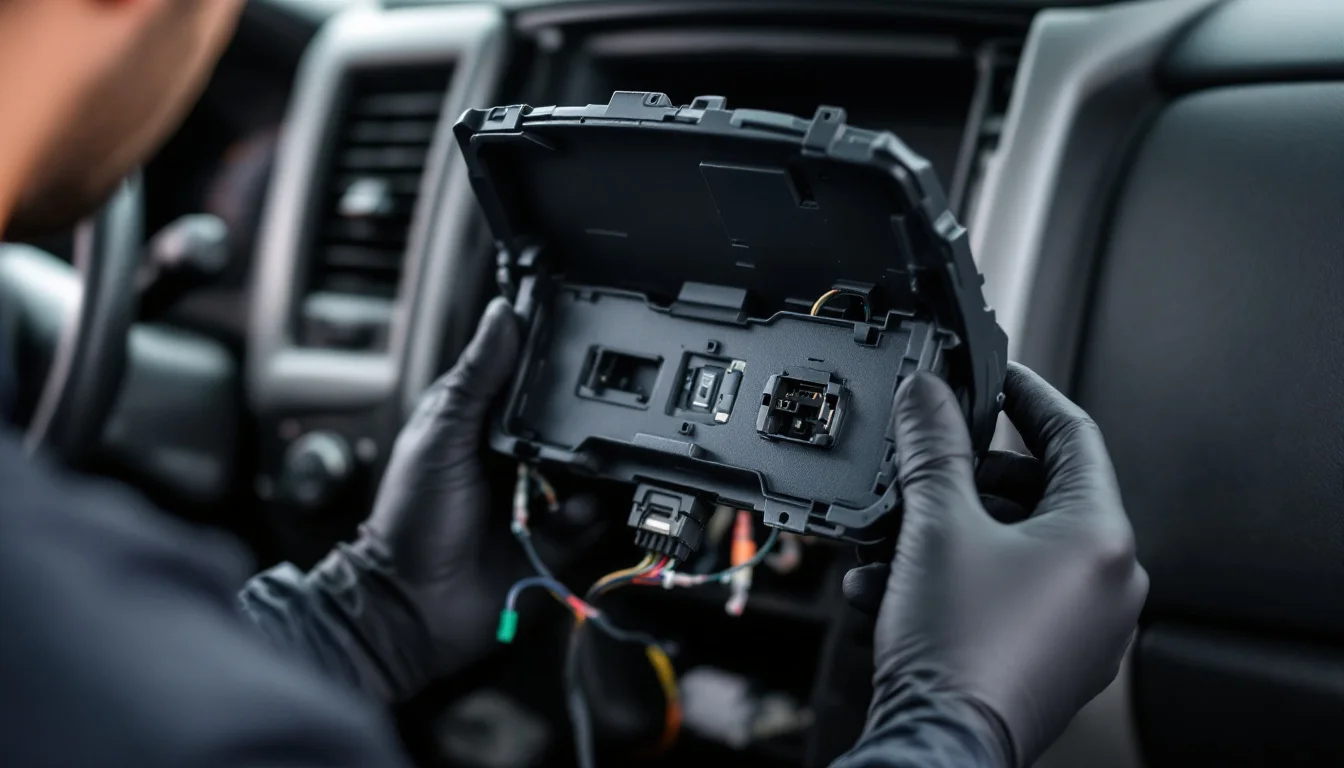
- Access the immobilizer and reset. The technician accesses the security system, authorizes the new key(s), and locks out any keys that may still be floating around.
- Program and verify. The new key is enrolled, then the tech confirms it locks, unlocks, and starts the car before leaving.
That whole process happens where the car sits — a driveway near the TCU area, a lot off West 7th, or a spot out in the Cultural District. Because a keyless Hyundai can't be driven to a shop, doing it on-site avoids a tow, and the National Highway Traffic Safety Administration (NHTSA) is clear about the added risk of moving disabled vehicles through traffic.
Hyundai Key Cost by Scenario (Fort Worth)
| Scenario | What's involved | Cost band |
|---|---|---|
| Add a spare (one working key present) | Enroll additional key against a trusted key; short visit | $150–$450 |
| One key, want it duplicated proactively | Cut + program a second key while the system is healthy | $150–$450 |
| All keys lost (no working key) | VIN-to-key build, immobilizer access, system reset, lock out old keys | $450–$850 |
| Smart-key Hyundai, all keys lost | Proximity key supply + AKL security reset (higher parts + labor) | $500–$850 |
| Ignition hardware fault discovered during the job | Diagnose and repair ignition/cylinder (separate from key work) | $150–$550 |
Bands reflect a mobile visit in Fort Worth. Final pricing depends on your exact model year and key type, which the technician confirms on-site before starting — a real quote, never a blind phone number.
Why AKL Costs More Than a Spare (and How to Never Pay It Again)
The price gap between a spare and all-keys-lost isn't padding — it's the cost of the extra security work required when the car has no trusted key. A spare rides on an existing credential; AKL has to establish trust from scratch and invalidate the unknown. That's genuinely more labor and, on smart-key models, pricier parts.
How long does an AKL take? Budget more time than a spare. The security-reset step is deliberately not instant — it's designed to resist exactly the kind of shortcut a thief would want — and the technician also has to cut the emergency blade and verify every function before leaving. In practice, most Fort Worth Hyundai all-keys-lost jobs are still a same-day, single-visit fix once the tech is on-site with the right fob; the extra minutes buy you a car that starts and a set of keys the vehicle fully trusts.
Which leads to the one durable lesson every AKL customer takes away: keep two working keys. A proactive spare key is priced as ordinary key work; an emergency AKL is the top of the band plus a car you can't move. The Department of Homeland Security's Ready.gov preparedness guidance even lists spare keys as a basic readiness item. Our full argument is here: why a spare car key is worth it.
What to Have Ready When the Tech Arrives
You can shave real time off an AKL visit by having a few things in hand:
- Proof of ownership. Registration, title, or insurance in your name, plus a photo ID. The tech will match it to the VIN.
- The VIN itself. It's on the dashboard at the base of the windshield (driver's side) and on the door-jamb sticker. Having it ready speeds the phone triage.
- The exact model year and trim. Key type varies across Hyundai's lineup and years; the more precise you are, the more likely the tech arrives with the right fob.
- Access to the car. The technician needs to reach the driver's door and interior. If the Hyundai is boxed in or in a locked garage, mention it.
- A clear story of what happened. "Both keys were stolen with my bag" versus "one's been missing for months and now I can't find the other" changes what the tech expects.
Dealer or Locksmith for a Lost-Key Hyundai?
Both can solve an AKL. The differences are speed, place, and price.
- The Hyundai dealer works from the service lane. You generally have to get the car there — a real obstacle when it won't start — and you're on their schedule at dealer parts pricing. For an unusual late-model configuration that truly needs factory tools, the dealer may be the correct answer, and a straight-shooting locksmith will say so.
- A mobile locksmith brings the fobs, cutting gear, and programming tools to the car, often same-day and typically lower in the band, and is available overnight and on weekends. Legitimate independents access the security data they're permitted to use through the National Automotive Service Task Force (NASTF) framework — the vetted channel that lets credentialed techs perform this work without opening a door for thieves.
One more consumer-protection note that applies to either: the Federal Trade Commission (FTC consumer guidance) has long flagged the locksmith bait-price pattern — a tiny number on the phone, a big one at the car. Insist on on-site diagnosis, then a firm written quote, then work. Texas locksmiths are licensed under the Texas DPS Private Security Program, and you're within your rights to ask about it.
Frequently Asked Questions
How much does a Hyundai all-keys-lost replacement cost in Fort Worth?
It sits at the high end of the $150–$850 key band — commonly $450–$850, and toward the top for smart-key models — because the technician has to build a key from your VIN, access the immobilizer, reset the system, and lock out any old keys. The exact figure depends on your model year and key type, confirmed on-site before any work begins.
Why is all-keys-lost more expensive than getting a spare?
A spare rides on a key the car already trusts, so it's quick to enroll. All-keys-lost has no trusted key to build on, so the security system must be accessed and reset before new keys are authorized and old ones invalidated. That extra work — and, on smart-key models, pricier parts — is the reason for the higher price.
Can a locksmith make a Hyundai key with no working key at all?
Yes. Building a key from the VIN with no existing key is exactly what all-keys-lost service is. A properly equipped mobile locksmith cuts the mechanical blade, accesses the immobilizer, and programs new keys on-site for most Hyundais, working through the industry's NASTF secure-data framework. A few late-model setups may need dealer tools, which an honest tech will tell you up front.
What do I need to have ready for the technician?
Proof of ownership (registration, title, or insurance in your name) plus a photo ID matching the VIN, the vehicle's exact model year and trim, and access to the car. Having your VIN handy — it's at the base of the windshield and on the driver's door jamb — speeds up the phone triage and helps the tech arrive with the right key.
Does the immobilizer have anything to do with why my Hyundai won't start?
Yes. The immobilizer is the anti-theft system that checks whether your key is authorized before letting the engine run. With every key lost, the car has no valid credential to recognize, so it won't start until a new key is enrolled. Building and authorizing that new key is the core of all-keys-lost service.
Do you come to me, or do I bring the Hyundai to you?
We come to you. Locksmith Fort Worth is mobile-only and 24/7 across Fort Worth. That matters most for all-keys-lost, since a Hyundai with no working key can't be driven anywhere — the diagnostic and programming equipment comes to the car at home, work, or roadside.