All Keys Lost in Fort Worth: The VIN-to-New-Key Process, Proof & Cost (2026)

Quick answer: "All keys lost" (AKL) means no working key exists for your vehicle — not even a spare. A mobile locksmith can still make you a key without a tow: they pull the key code from your VIN, cut a fresh mechanical blade, and enroll a new transponder into the car's immobilizer through the OBD-II port. You will need to prove ownership first. The whole job runs $150-$850 depending on the make and key type, and happens wherever your car is parked in Fort Worth.
As of July 2026, losing every key to a modern car feels like a disaster — the engine will not start, a hardware-store copy is useless, and the dealer wants the car towed in. None of that is actually necessary. This is the step-by-step of how an all-keys-lost job really works: from the VIN on your dashboard to a key that starts the engine, including the proof of ownership you will be asked for and what it costs.
What "all keys lost" actually means
In locksmith terms, there are two very different situations. "Add a key" means you still have at least one working key and want a spare — a short, cheap job because the existing key is a reference. "All keys lost" means there is no working key at all: they were stolen, dropped in a lake, or the car came to you (an auction buy, an inherited vehicle) with none.
AKL is harder because the locksmith cannot lean on an existing key. Instead of cloning a known-good transponder, they have to originate a brand-new key from scratch and convince the car's immobilizer — the anti-theft computer that gates the engine — to accept a key it has never seen. That is entirely doable on the vast majority of vehicles, but it takes more time and more specialized tooling, which is why AKL sits at the higher end of the price range.
Step 1: Proving you own the car
No reputable locksmith will originate a key for a vehicle without confirming you have the right to it — and that is a good thing, because it is the same standard that stops someone from doing it to your car. The National Automotive Service Task Force (NASTF) built the Vehicle Security Professional (VSP) program precisely so that legitimate locksmiths can access manufacturer key codes responsibly, with identity and authorization checks built in.
In practice, expect to show:
- A government photo ID (Texas driver license or state ID).
- Proof you own or control the vehicle — the title, current registration, or an insurance card showing the VIN in your name. For a car you just bought, a bill of sale plus the title transfer works.
- The VIN itself, which the locksmith will match against the car and your documents.
This verification is also a Texas standard of care. Locksmith work in the state is regulated by the Texas Department of Public Safety (DPS) Private Security Program, which sets the licensing requirement for the company and reinforces the expectation that a locksmith confirms lawful authority before servicing a vehicle. If someone offers to make a car key with no questions asked, that is a red flag, not a convenience.
Step 2: From VIN to a cut blade
Every vehicle has a Vehicle Identification Number — the 17-character code visible through the windshield at the base of the driver's side, on the door-jamb sticker, and on your title. Encoded in that VIN (via the manufacturer's key-code database, which a NASTF-registered locksmith can query) is the original factory cut for the mechanical blade.
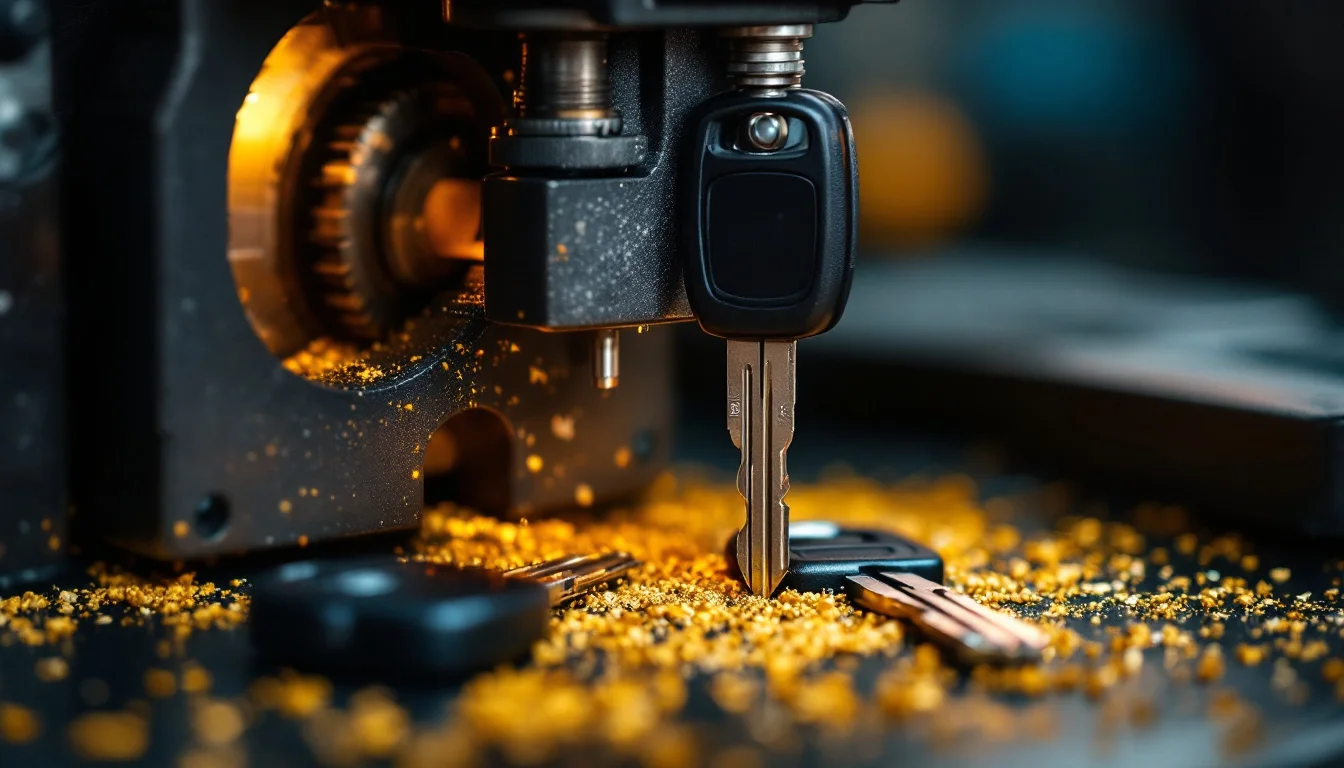
With that code, the locksmith cuts a fresh blade on a portable machine to factory tolerances — the same cuts the car left the assembly line with. On a pure push-to-start vehicle there may be only a hidden emergency blade to cut, or the "key" is entirely a proximity fob with no blade at all. Either way, this step produces the physical part; it does not yet start the car.
Step 3: Enrolling a new transponder through the OBD port
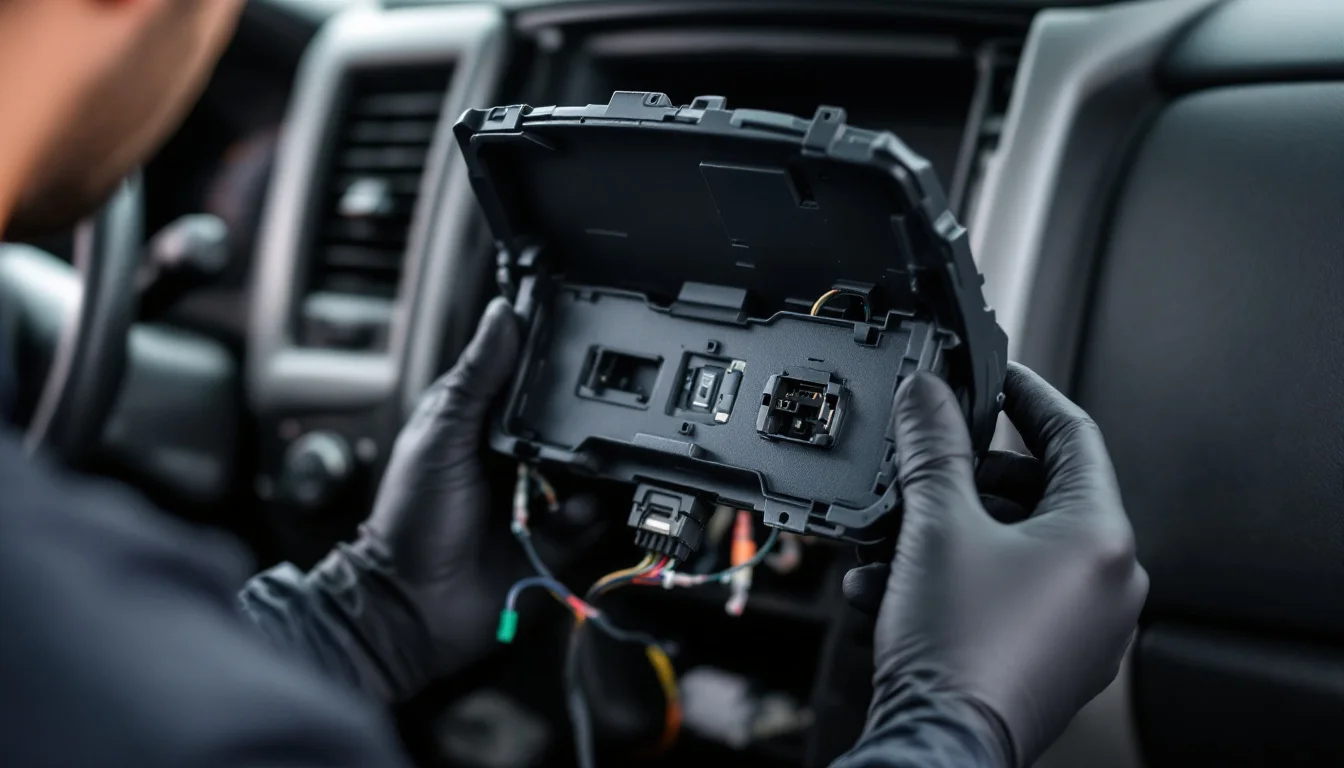
This is the heart of an AKL job. The car will not start until its immobilizer recognizes the new key's transponder chip. To make that happen, the locksmith connects a programming tool to the OBD-II diagnostic port under the dash — the standardized 16-pin connector mandatory on U.S. vehicles since 1996 — and runs the manufacturer's security procedure to write the new key's identity into the immobilizer.
Because there is no existing key to authenticate against, AKL programming sometimes requires extra steps: reading a security code from a control module, waiting out a manufacturer security timer, or on some European models reading the immobilizer data directly. When it completes, the dash security light typically goes solid and the engine starts. The whole process is non-invasive — the same OBD handshake a dealer uses, just performed where your car sits. Our car key programming explainer breaks down the transponder-and-immobilizer relationship in more depth.
No tow required — that is the whole point
The dealer model assumes your car comes to them. A mobile car key replacement service inverts that: the truck carries the cutting machine, the programming tools, and the common transponder stock, so the entire AKL job happens in your driveway, an apartment lot, a workplace parking garage, or the shoulder where the car died. Towing a keyless car to a dealer can add $75-$200 and a multi-day wait; skipping the tow is often the biggest single saving of the whole event.
Because we run mobile 24/7 across the city — from Sundance Square and the Cultural District to the Alliance Town Center corridor — an all-keys-lost call does not have to wait for business hours. That matters most in exactly the scenario AKL usually happens: after dark, far from home, with a car that will not move.
What an all-keys-lost key costs in Fort Worth
AKL pricing tracks the same three drivers as any key job — the chip and shell, the make-specific programming equipment, and NASTF VSP licensing — plus the added time of originating without a reference key. Across all vehicle types the range is $150-$850.
| Vehicle / key type | What the job involves | Typical Fort Worth range |
|---|---|---|
| Basic transponder (older domestic/Asian) | VIN cut + immobilizer enroll, no remote | $150-$250 |
| Flip key with remote | VIN cut + remote and transponder programming | $200-$350 |
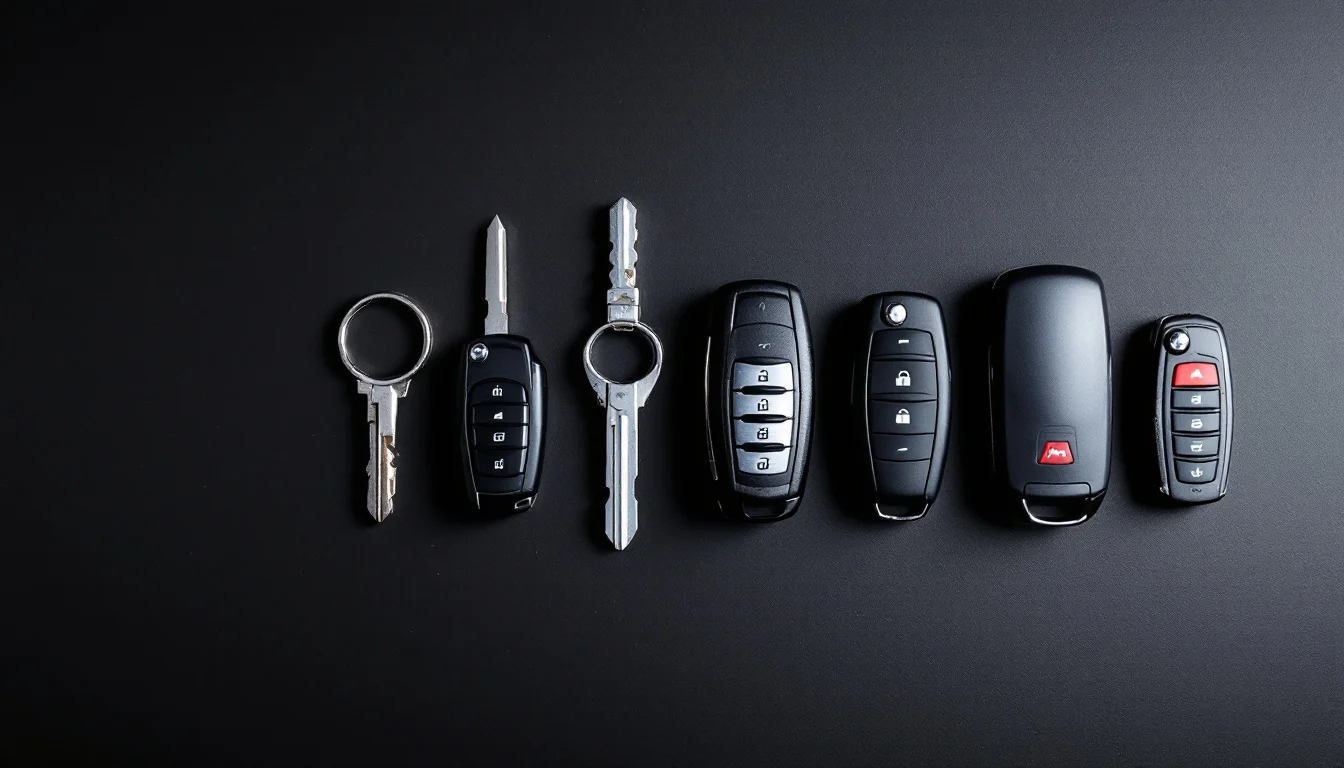
| Smart key / push-to-start | Proximity fob origination, immobilizer enroll | $250-$500 |
| European luxury (BMW, Mercedes, Audi) | Encrypted immobilizer, module read | $400-$850 |
A couple of honest caveats. AKL almost always lands at the upper part of each band versus an add-a-key, because originating without a reference takes longer. And a small number of late-model Audi and Range Rover vehicles need a step performed on dealer equipment even after the locksmith cuts and programs the key — a good locksmith identifies those on the phone from your year, make, and model rather than surprising you in the driveway. Even then, mobile service is typically well under the dealer's all-in price, which bundles the key, the programming labor, and often a tow.
The single best way to never face this again
Once you are back on the road, make a spare the same week. An all-keys-lost job is the most expensive way to get a car key precisely because no reference key exists; the moment you have one working key, a second one becomes an add-a-key — faster and cheaper. If your car came with a single key or you are down to one fob, programming a spare now is cheap insurance against repeating the whole ordeal. You can reach us any time through the contact page, and it is worth doing before the next key goes missing, not after.
When it is the ignition, not a lost key
Occasionally the real problem is not that keys are lost but that the key will not turn or the car will not start with a key that used to work. A worn ignition cylinder — common on 2005-2015 GM and Chrysler vehicles where a heavy keyring slowly wears the wafers — can mimic a key problem. That is an ignition repair, running $150-$550 for a wafer rebuild up to a full cylinder replacement, and a mobile locksmith can diagnose which issue you actually have on site before any parts are ordered.
Frequently Asked Questions
Can a locksmith make a car key if I lost all of them?
Yes. That is the "all keys lost" job. Using the key code encoded in your VIN, the locksmith cuts a fresh mechanical blade and then enrolls a new transponder into the car's immobilizer through the OBD-II diagnostic port — no existing key required. It takes longer than making a spare because there is no reference key to authenticate against, but it works on the large majority of vehicles right where the car is parked.
Do I need to tow my car to make a new key?
No. A mobile locksmith brings the cutting machine, programming tools, and transponder stock to your location, so the entire all-keys-lost job happens wherever the car sits — a driveway, a parking lot, or the roadside. Towing a keyless car to a dealer can add $75-$200 and a multi-day wait, so skipping it is usually the biggest single saving of the whole event.
What proof of ownership do I need for an all-keys-lost key?
Expect to show a government photo ID plus proof you own or control the vehicle — the title, current registration, or an insurance card with the VIN in your name; a bill of sale plus title transfer works for a recent purchase. The locksmith matches the VIN against the car and your documents. This is both a NASTF Vehicle Security Professional requirement and a Texas standard of care, and it is what stops someone from doing the same to your car.
How much does an all-keys-lost car key cost in Fort Worth?
Across all vehicle types the range is $150-$850. A basic transponder runs $150-$250, a flip key with remote $200-$350, a smart push-to-start fob $250-$500, and European luxury keys $400-$850. All-keys-lost jobs tend toward the upper part of each band because originating a key with no reference takes longer, but the total is typically well under a dealer's price, which also bundles a tow.
How long does an all-keys-lost job take?
Most domestic and Asian vehicles are done in about 45-90 minutes once ownership is verified. European push-to-start systems can run 60-120 minutes or more because they use stronger encryption and sometimes require reading a control module. A few late-model Audi and Range Rover vehicles need a final step on dealer equipment, which a good locksmith flags from your year, make, and model before dispatching.
Will making a new key from the VIN harm my car?
No. Cutting a blade from the VIN key code and enrolling a transponder through the OBD-II port is non-invasive — it is the same standardized diagnostic connection used for emissions and engine diagnostics, and the programming tool follows the manufacturer's own security protocol. Nothing is drilled or wired, and the immobilizer accepts the new key without any harm to the vehicle's electronics.
References
- National Automotive Service Task Force — Vehicle Security Professional (VSP) Program (2024)
- National Highway Traffic Safety Administration — Vehicle Theft Prevention (2024)
- AAA — Lost Car Key and Replacement Guidance (2024)
- Associated Locksmiths of America — Automotive Locksmithing Resources (2024)
- Texas Department of Public Safety — Private Security Program (2024)