Do I Need a Transponder Key? How to Tell in Fort Worth (2026)
Quick answer: If your vehicle was built from roughly the late 1990s onward, you almost certainly need a transponder key — a key with an electronic chip inside the head that the car's immobilizer has to recognize before the engine will run. The fastest test: have a plain copy cut, and if the engine starts and dies after a second or two, or the security light on the dash flashes, your car requires a chip. Chipped keys in Fort Worth fall in the $150–$850 replacement band depending on type. Call (817) 674-3595 and we will tell you which one your car takes.
As of July 2026, essentially every passenger vehicle on Fort Worth roads younger than about twenty-five years old uses a transponder-based immobilizer. That is not a manufacturer upsell — it is the direct result of a decades-long push to make vehicles harder to hot-wire, and by every available measure it worked. The trade-off is that replacing a key stopped being a hardware-store errand and became a programming job.
The confusion this creates is completely predictable. People buy a blank online because it looks identical to the key in their pocket, get it cut for pocket change at a big-box store, and then find themselves standing in a parking lot with a car that turns over, catches for a heartbeat, and dies. Nothing is broken. The immobilizer simply did its job. This guide explains how to know in advance whether you are in that situation, what the chip actually does, and who can program one for you locally.
How to tell if your key already has a chip
Work down this list. Most people get a definitive answer in the first two items.
1. Look at the age of the vehicle
This is the strongest single indicator. Transponder immobilizers began appearing on mainstream vehicles in the mid-1990s and were effectively universal across new cars by the early 2000s. If your vehicle is a 2000-or-newer model, assume it has one until proven otherwise. If it is from the late 1990s, it depends heavily on make and trim — that is the genuine gray zone.
If your vehicle is from before the mid-1990s, you probably have a purely mechanical key and a plain copy will start it.
2. Look at the head of the key
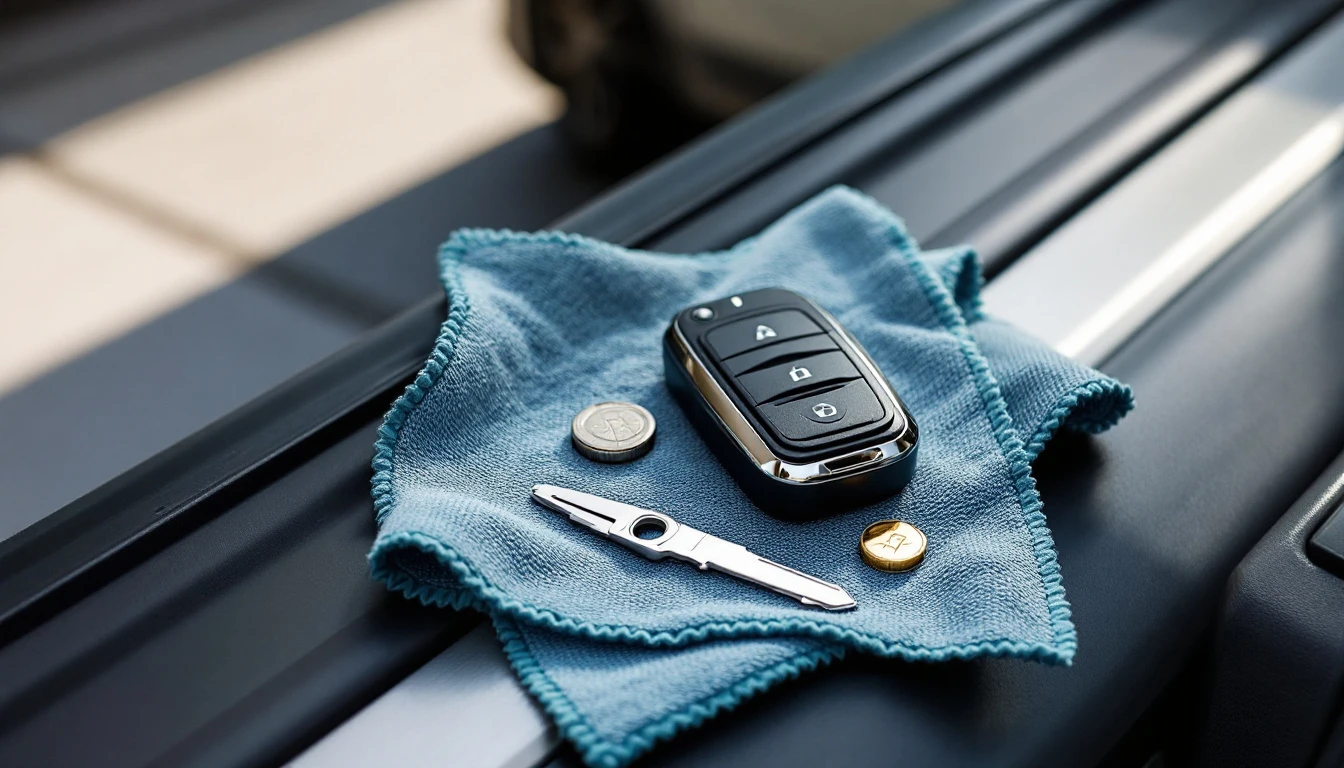
A transponder key has a thick plastic head, because there has to be room inside for the chip. A purely mechanical key is usually all metal, or has a thin plastic cap that is clearly decorative. If you can see a molded plastic bulb at the top of the blade with no obvious buttons, that is a classic chipped key profile.
Be careful with the reverse inference, though. A plastic head does not guarantee a chip on very old vehicles, and some keys hide the chip in a place you would not expect. The head shape narrows it down; it does not settle it.
3. Look for buttons
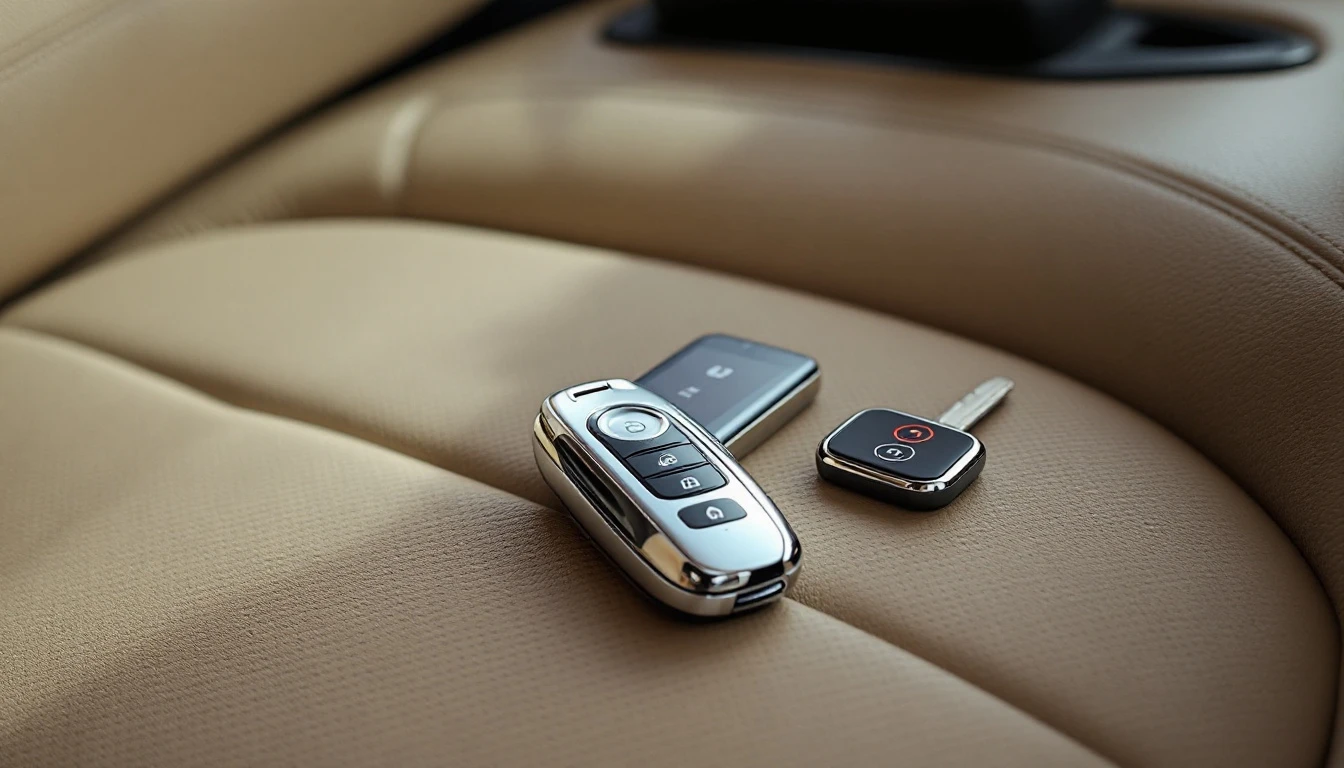
If your key has lock, unlock, or panic buttons built into it, or if it is a fold-out switchblade design, it is a remote-head or flip key and it virtually always contains a transponder chip as well. Remote functions and immobilizer functions are separate systems that happen to share a housing.
If your car has push-button start and no key cylinder at all, you are past transponder keys entirely — you have a proximity smart fob, which is a more complex and more expensive item.
4. Watch the security light
Sit in the vehicle with the doors closed and the ignition off. On most cars a small icon of a car with a padlock, or the word SECURITY, blinks slowly. That blinking light is the immobilizer telling you it is armed. Its presence is strong evidence you need a chipped key.
Now switch the ignition to ON without cranking. With a valid key, that light should go out or stop flashing within a couple of seconds. If it stays lit or starts flashing rapidly, the immobilizer is not accepting the key. That behavior on a General Motors vehicle in particular has its own well-known pattern, which we cover in the Chevy security light and Passlock guide.
5. The definitive test
Have a plain blade copy cut. Put it in the ignition and turn it.
- Doors and ignition turn, engine starts and keeps running: no chip required. You have a mechanical key.
- Doors and ignition turn, engine starts and dies within a second or two: you need a transponder key. The immobilizer allowed the starter to run and then cut fuel or spark.
- Engine cranks but never catches at all, security light flashing: same conclusion, different implementation. Some vehicles never allow ignition rather than cutting it after the fact.
Symptom-to-answer quick reference
| What you are seeing | What it usually means | What you need |
|---|---|---|
| Copy starts the car and it keeps running | No immobilizer on this vehicle | A plain cut key, no programming |
| Copy starts the car then it dies in 1–2 seconds | Immobilizer rejected an unprogrammed key | A chipped key, cut and programmed |
| Cranks but never catches, security light flashing | Immobilizer blocked ignition outright | A chipped key, cut and programmed |
| Key turns, nothing happens, no dash lights | Battery, starter, or ignition switch | Not a key problem |
| Doors unlock with the fob but engine will not start | Dead fob battery or immobilizer fault | Fob battery first, then diagnosis |
| Key will not physically turn in the cylinder | Worn ignition cylinder or wrong-cut blade | Mechanical repair, not programming |
What a transponder actually does
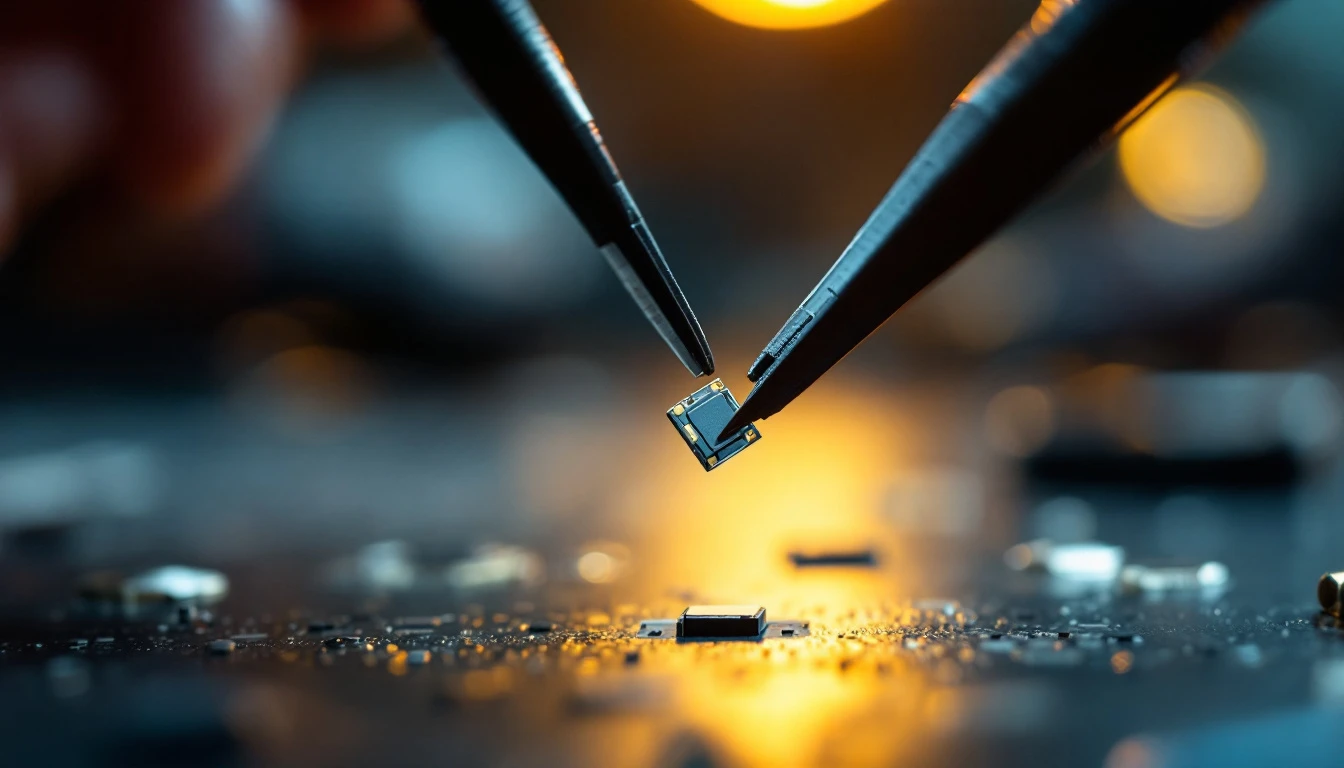
The chip inside a transponder key has no battery. It is a passive device: when you insert the key and turn the ignition on, an antenna ring around the ignition cylinder energizes the chip through a magnetic field, the chip wakes up, and a short conversation happens.
The vehicle's immobilizer module sends a challenge. The chip performs a calculation using a secret stored inside it and sends back a response. The immobilizer checks that response against the keys it has stored in memory. If it matches, it tells the engine control unit to release fuel and spark. If it does not, the engine control unit simply refuses to run the engine no matter how long you crank.
Two consequences follow from that design, and they explain most of the confusion around chipped keys:
A cut blade is a mechanical problem and a chip is an electronic one. They are completely independent. A key can be cut perfectly and still not start the car, or carry a valid chip and not fit the lock. Both have to be right.
The chip must be enrolled in your specific vehicle. Chips are not generic. Even a brand-new blank with the correct chip type inside is inert until a programmer connects to the diagnostic port and writes that key into your immobilizer's memory. That process is the same one described in our car key programming explainer, and on some vehicles the security data lives in a separate control module entirely — the architecture behind the BMW CAS module all-keys-lost guide is a good example of how elaborate this gets on premium platforms.
What a chipped key costs versus a plain one
In Fort Worth in 2026, replacement keys fall in the $150–$850 band, and where you land inside it depends almost entirely on what is inside the key:
- Non-transponder blade key — no electronics at all. Bottom of the range, $150–$200 for a properly cut key from a mobile technician, and no programming step.
- Transponder key — chipped blade key, no buttons. Typically $150–$300, including cutting and programming at your vehicle.
- Remote-head or flip key — chip plus remote buttons. Typically $200–$450.
- Proximity smart fob — push-to-start systems. Typically $300–$700, up to the top of the band on premium makes.
Yes, a big-box store will copy a blade for pocket change. That copy will open your doors and turn your ignition cylinder. On a car with an immobilizer, it will not run the engine, and you will have spent money on a key that functions as a door key and nothing more. That is not a scam on the store's part — the machine that cuts blades has no idea what your car requires.
The online blank that "starts and dies"
This is the most common version of the story we hear, and it plays out the same way nearly every time.
Someone finds an uncut blank online that matches their key photo, pays a fraction of what a locksmith quotes, and has it cut locally. They try it. The engine fires and dies. They conclude the key is defective and request a refund.
Usually the key is fine. It is just unprogrammed. A blank chip is a chip with no relationship to your vehicle, and creating that relationship is the actual service you were trying to avoid paying for. In the best case you now own a correct blank and only owe for programming.
In the worse cases, though:
- The blank has the wrong chip type. Visually identical keys can carry completely different transponder protocols. The wrong protocol cannot be programmed at all.
- The blank is counterfeit. Counterfeit automotive electronics are a real and documented problem that NHTSA (nhtsa.gov) has warned consumers about broadly. Counterfeit chips frequently fail programming or work briefly and then quit.
- The used fob is locked to another vehicle. Many proximity fobs are permanently paired to their original car and can never be reassigned.
If a customer-supplied key fails, you still owe for the service visit. That is why the money saved on the blank usually disappears. The Federal Trade Commission's auto repair guidance (consumer.ftc.gov) is worth reading before you commit to the DIY path — knowing the scope in advance is what protects you.
Can a local shop program it, or do I have to use the dealer?
You do not have to use the dealership. This is the question we get most often, and the answer is straightforward: a properly equipped mobile locksmith can cut and program transponder keys for the overwhelming majority of makes and models, at your vehicle, in a single visit.
Legitimate access to manufacturer key codes and security data runs through the National Automotive Service Task Force's Vehicle Security Professional program (nastf.org), which requires registered, vetted technicians and keeps a permanent audit trail on every request. That framework exists specifically so that independent professionals can do this work without weakening vehicle security. Texas locksmiths operate under the Texas DPS Private Security Program (dps.texas.gov), and you are entitled to ask about licensing before anyone touches your car.
There are limits worth stating honestly. A small number of premium European platforms and certain very recent models require capability that has to be confirmed against your specific year, model, and trim. A good technician tells you that on the phone rather than discovering it in your driveway. For everything else — the vast bulk of what is parked in Fort Worth — car key replacement is a same-visit, at-your-vehicle job, and because we are mobile-only and run 24/7, the car never has to move.
Bring your photo ID and proof of ownership. Programming a key to a vehicle you cannot prove you own is exactly what the verification system is designed to prevent.
Frequently Asked Questions
How do I know if my car key has a chip in it?
Check the vehicle's age first: 2000-and-newer vehicles almost always require a chipped key. Then look at the key head — a thick plastic head suggests a transponder. The definitive test is having a plain blade copy cut; if the engine starts and dies after a second or two, or the security light flashes, your car needs a programmed transponder key.
Will a key cut at a hardware store start my car?
It will open the doors and turn the ignition cylinder, but on any vehicle with an immobilizer it will not keep the engine running. Blade cutting and chip programming are separate jobs. A cut-only copy is useful as a door key and nothing more if your car requires a transponder.
Why does my new key start the car and then it dies immediately?
Because the key is cut correctly but not programmed. The immobilizer let the starter turn the engine over, did not recognize the chip, and cut fuel or spark within a second or two. The key usually is not defective; it just has not been enrolled into your vehicle yet.
Can a locksmith program a transponder key, or only the dealership?
A properly equipped mobile locksmith can program transponder keys for the large majority of makes and models at your vehicle, including cases where every key is lost. A few premium European and very recent platforms need capability confirmed against the exact vehicle first. The dealership is an option but generally means a tow if no key works.
How much does a transponder key cost in Fort Worth?
Chipped transponder keys typically run $150 to $300 all-in in 2026, including cutting and programming at your vehicle. Remote-head and flip keys run $200 to $450, and push-to-start proximity fobs $300 to $700. The full range for all key types is $150 to $850.
Can I buy a blank transponder key online and just have it programmed?
Sometimes, but it is a gamble. Visually identical blanks can carry different chip protocols, counterfeit chips fail programming, and many used fobs are permanently locked to their original vehicle. If a customer-supplied key will not program, the service visit is still owed, so the savings often disappear.
References
- NHTSA — National Highway Traffic Safety Administration
- NASTF — National Automotive Service Task Force, Vehicle Security Professional program
- FTC Consumer Advice — auto repair basics
- ALOA — Associated Locksmiths of America
- Texas DPS — Private Security Program
- FBI — consumer fraud resources
Still not sure what your car takes? Call (817) 674-3595 with the year, make, and model, and we will tell you in under a minute whether you need a chip, a remote-head key, or a proximity fob — then cut and program it at your vehicle anywhere in Fort Worth, 24/7.
Written by the technicians at Locksmith Fort Worth — mobile automotive locksmith service across Fort Worth and Tarrant County, 24/7.