Chevy Security Light PassLock Fort Worth | Causes & Fixes
Quick answer: A Chevy security light with a no-start means the GM anti-theft system rejected the start attempt — but which fix you need depends on the system era. On PassLock-era vehicles (roughly late-1990s to late-2000s Malibu, Silverado, Impala, Equinox), the sensor lives in the ignition cylinder, so the cure is often an ignition repair ($150–$550), not a key. On transponder and smart-fob Chevys, it's usually the key or fob ($150–$850). If a known-good key is also rejected, module-level diagnosis comes first — a tech confirms your exact setup before any quote. Mobile, 24/7: (817) 674-3595.
As of September 2026, the "SECURITY" light no-start is one of the most misdiagnosed problems we see on older GM vehicles around Fort Worth. Owners replace batteries, starters, even fuel pumps — while the actual fault sits in the anti-theft system, and often in a part most people have never heard of: the PassLock sensor inside the ignition lock cylinder. This guide explains GM's anti-theft generations at customer altitude, how each one fails, and how to read your own symptoms well enough to know whether you need a key, an ignition cylinder, or a deeper electronic diagnosis — before anyone starts throwing parts at the truck.
GM anti-theft, briefly: three eras that fail three different ways
General Motors rolled out anti-theft in generations, and the failure pattern is completely different in each. Immobilizer-style systems earned their keep — research from the Insurance Institute for Highway Safety (iihs.org) credits immobilizers with major reductions in theft of equipped vehicles, and NHTSA's federal theft-prevention standards (nhtsa.gov) pushed the whole industry down this road. But each GM design put the "brains" in a different place, and that placement decides what breaks.
Passkey / VATS (roughly late 1980s–1990s)
The earliest widespread GM system used a visible resistor pellet embedded in the key blade — Corvettes, Camaros, and many full-size GM cars of the era. The ignition reads the pellet's resistance; wrong or unreadable pellet, no start. Failure modes: worn pellet contacts on the key, or worn wiring in the steering column. If your key has a small black chip visible in the metal blade, you're in this era.
PassLock (roughly 1997–2009 on most Chevy models)
Here's the era that generates the most confusion — because the key itself is a plain metal key with no electronics. The security element is a sensor inside the ignition lock cylinder: turning the correct-cut key rotates the cylinder, the sensor generates a coded signal, and the body module approves the start. Classic PassLock vehicles include the 1997–2005 Malibu, 1999–2006 Silverado and Tahoe (varies by trim/year), 2000–2005 Impala, 2005–2006 Equinox, and Cavaliers of the era.
The critical consequence: on a PassLock Chevy, copying the key never fixes a security no-start, because the key carries no security data. When the PassLock sensor drifts or fails — an extremely well-known aging pattern on these vehicles — the car sees a "wrong key" even though the key is fine. Symptoms: security light on or flashing, engine cranks then dies after a second or two (start-then-stall is the PassLock signature), often intermittent at first, worse in temperature swings, then more frequent.
Transponder and smart-fob era (roughly 2007–present, all Chevys by the mid-2010s)
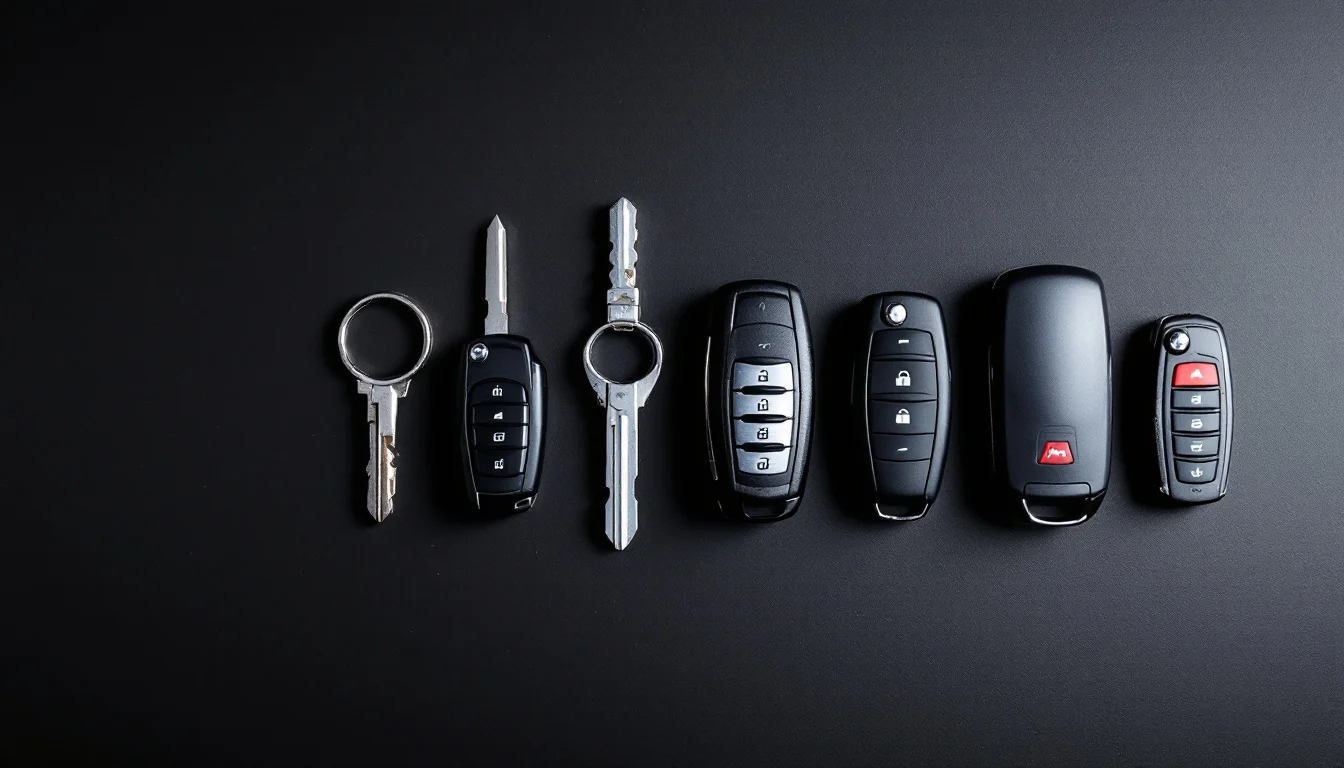
Modern Chevys moved the security into the key: a transponder chip in flip keys, then proximity smart fobs on push-to-start models (Tahoe, newer Silverado, Camaro, Equinox — details and prices in our Chevy key fob replacement guide). These fail like every modern immobilizer: a damaged or unprogrammed key gets rejected, a dead fob battery isn't heard at all. Fixes are key-side most of the time — standard car key replacement territory, $150–$850 by key type.
Symptom → system era → typical path
| Symptom | Likely system era | Typical path |
|---|---|---|
| Cranks, starts, then dies in ~2 seconds; security light on; plain metal key | PassLock (1997–2009-ish) | Ignition cylinder/sensor service — ignition repair: wafer rebuild $150–$280, cylinder replacement $280–$550 |
| Intermittent no-start that "heals" after sitting 10 minutes with key on | PassLock relearn behavior masking a failing sensor | Ignition cylinder service before it strands you for good |
| Cranks, never fires; security/theft light flashing; key has a chip or buttons | Transponder era | Test the spare first; replace/program the key ($150–$250 transponder, $200–$350 flip key) |
| "No remote detected" on push-to-start; won't start | Smart-fob era | Fob battery first, then fob replacement/programming |
| Key with visible black pellet in blade won't start car | Passkey/VATS (late '80s–'90s) | Correct pellet key cut; column contact wear needs diagnosis |
| ALL keys rejected, or security light stays on while driving | Any era — vehicle-side fault | Mobile diagnosis ($75–$150); module-level work ($150–$400 typical) quoted after a tech confirms your setup |
Two self-checks before you call anyone. First: try the spare key. On transponder-era Chevys, a working spare proves the problem is the failed key — cheap fix. On PassLock vehicles, the spare failing too is expected (the fault is in the cylinder, not the key) — diagnostic gold either way. Second: note the exact behavior. "Cranks, catches, dies immediately" points at PassLock; "cranks forever, never fires, light flashing" points at a transponder rejection. That one sentence on the phone gets you a more accurate quote — and the FTC's auto-repair advice (consumer.ftc.gov) is emphatic that a clear symptom description plus a written estimate is a consumer's best defense against parts-cannon repairs.
The famous PassLock "10-minute relearn" — what it is and isn't
Owners of PassLock-era Chevys often discover the folk remedy: when the car start-stalls with the security light on, leave the ignition in ON for about ten minutes until the light steadies, then try again — and the car starts. That behavior is real; it's the system's built-in relearn window, a documented consumer-level feature of these vehicles. Here's the part the forums undersell: needing the relearn repeatedly is the failure announcing itself. The sensor in the cylinder is drifting, and each episode will get more frequent until the truck strands you somewhere less convenient than your driveway — a Stockyards event lot at midnight, say, instead of home. The relearn is a limp-home trick, not a repair.
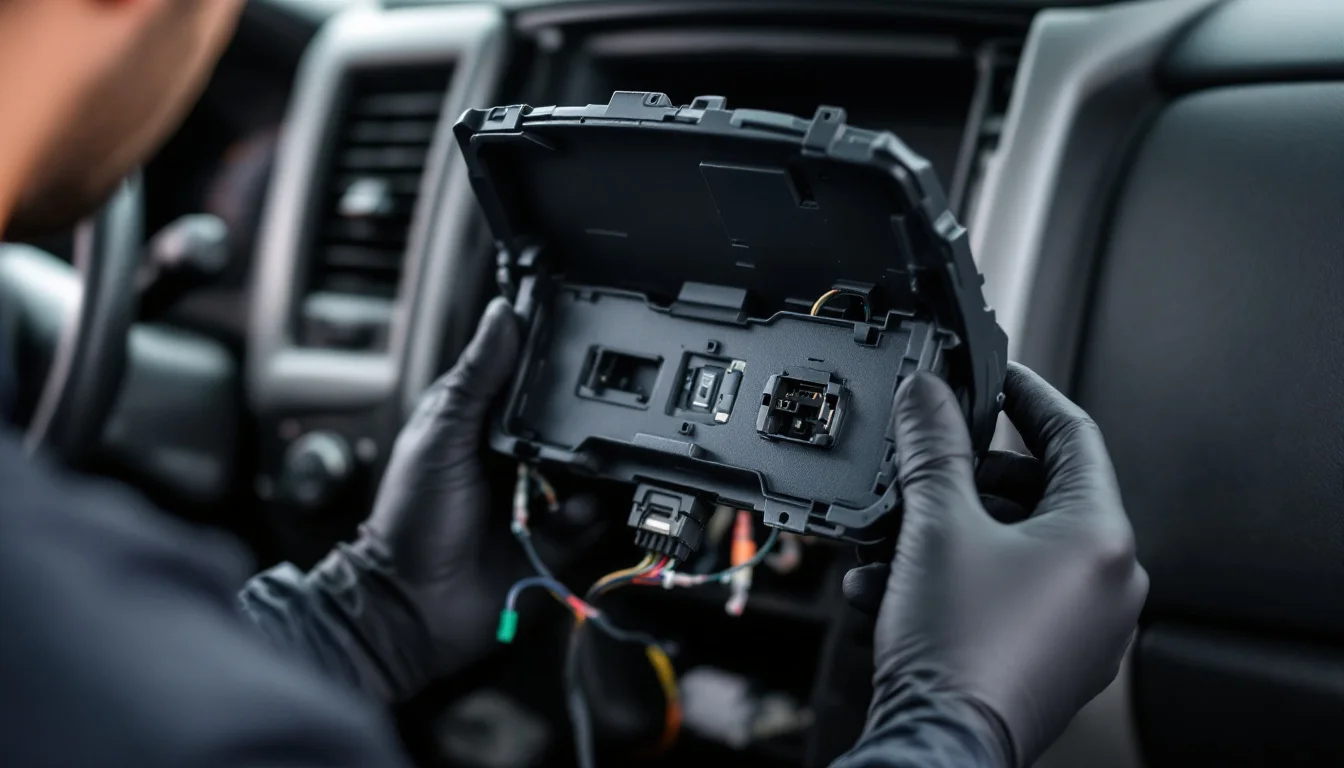
The durable fix on PassLock vehicles is servicing the ignition lock cylinder and its sensor — which is locksmith work, not engine work. Our ignition repair and replacement service covers exactly this, mobile, in the $150–$550 range depending on vehicle and parts. And because a fresh cylinder can mean a fresh key cut, we handle the key side in the same visit. If you're unsure whether your no-start is mechanical (cylinder) or electronic (immobilizer), our ignition cylinder vs. immobilizer fault guide is the deeper dive.
A newer key that opens the door but will not turn the ignition
One PassLock-era complaint gets mistaken for a security fault: a freshly copied key that works the doors perfectly but will not turn the ignition at all. That is not the security system — the light never gets a chance to come on, because the cylinder never rotates. On many older GM vehicles the door and ignition read different cuts, and a key copied from a worn original copies the wear. If the key does turn and the security light then comes on, you are back in this article; if it will not turn, see our guide to a copied key that opens the door but won't turn the ignition. And if a new remote or fob is what stopped working, our key fob programming cost guide separates a two-minute resync from a real reprogram.
When it's a key, when it's a cylinder, when it's a module
It's a key problem when: the vehicle is transponder-era or newer, one key is rejected but another works, the fob is dead or damaged, or you've just bought the car with a single sketchy key. Fix: cut and program a replacement — see Chevy fob costs — and if you're down to zero working keys, that's an all-keys-lost job (process and pricing in our Chevy all-keys-lost guide).
It's a cylinder problem when: the vehicle is PassLock-era with the start-then-stall signature, or any-era key physically sticks, grinds, or turns without engaging. Mechanical wear and PassLock sensor failure both live in the cylinder. Fix: ignition repair, $150–$550.
It's a module-level problem when: every key is rejected on a transponder-era car, the security light stays on while driving, symptoms persist after cylinder or key service, or the car has a history of module swaps, flood damage, or aggressive aftermarket electronics. This is where honest pricing changes shape: module diagnosis and module/ECU programming are quoted after a tech confirms your exact setup — never as a flat number over the phone, because "module" covers a dozen different components across GM generations. Anyone who quotes module work sight-unseen is guessing with your money; our guide on when a car needs module programming, not just a key explains the line in detail.
One thing we won't do, and you shouldn't ask anyone to do: install a "PassLock bypass" or immobilizer delete so the car simply stops checking. GM anti-theft — even the older generations — is a meaningful theft deterrent, and the FBI's auto-theft resources (fbi.gov) make plain that older, easier-to-steal vehicles remain prime targets in exactly the DFW-sized markets where they're common. A repaired system protects the car; a bypassed one advertises it.
Getting it fixed in Fort Worth: what the visit looks like
Locksmith Fort Worth is mobile-only and runs 24/7 — the technician comes to the vehicle wherever it refused to start: a driveway near Camp Bowie, a garage in the Cultural District, a parking lot at Alliance Town Center. The visit follows the same honest order every time: verify ID and ownership (industry practice under the NASTF Vehicle Security Professional framework, nastf.org, which audits security-data access), confirm the system era and symptom signature, test any spare keys, scan for anti-theft codes, then fix the actual fault — key, cylinder, or referral into proper module diagnosis.
Choose licensed help: Texas locksmiths are regulated under the Texas DPS Private Security Program, and ALOA credentials (aloa.org) are a good marker of real automotive-security training. And a preparedness footnote in the spirit of DHS's Ready campaign (ready.gov): if your PassLock Chevy has started doing the ten-minute dance, schedule the repair now and make sure a spare key exists — aging-vehicle anti-theft failures compound, and the cheap visit is always the one you schedule rather than the one that finds you. (817) 674-3595 or contact@locksmithfortworth.net.
Frequently Asked Questions
Why is my Chevy's security light on and the car won't start?
The GM anti-theft system rejected the start. On PassLock-era Chevys (roughly 1997–2009) the usual culprit is a failing sensor inside the ignition lock cylinder — the classic sign is starting then stalling within a couple of seconds. On newer transponder and smart-fob Chevys it's usually the key or fob itself.
Will getting a new key fix my PassLock security light problem?
Usually not. PassLock keys are plain metal keys with no chip — the security sensor lives in the ignition cylinder, so a new copy of the key changes nothing. The durable fix is servicing the ignition lock cylinder and sensor, which runs $150–$550 from a mobile locksmith.
What is the 10-minute relearn trick on older Chevys?
When a PassLock car start-stalls with the security light on, leaving the ignition in ON for about ten minutes until the light steadies often allows a restart. It's a built-in relearn window — useful in a pinch, but needing it repeatedly means the sensor is failing and will eventually strand you. Treat it as a symptom, not a fix.
How do I know if my Chevy uses PassLock or a transponder key?
Rough guide: a plain metal key with no chip or buttons on a 1997–2009 Chevy is PassLock territory; a key with a plastic head (transponder), a flip key, or a push-to-start fob means the security is in the key. A locksmith can confirm from your year, model, and trim in one phone call.
Can a mobile locksmith fix a Chevy security no-start, or do I need the dealer?
A mobile locksmith handles the large majority of these: key and fob replacement, PassLock ignition cylinder service, and anti-theft diagnosis all happen at the vehicle. Genuine module-level faults get diagnosed first and quoted after the tech confirms your exact setup — still typically without a dealer visit.
Is it okay to install a PassLock bypass so the car just starts?
We advise against it. Bypassing the anti-theft system removes a proven theft deterrent, can create insurance and resale problems, and papers over a fault that a proper cylinder repair fixes for a known price. Repair the system rather than defeating it.
References
- IIHS — Insurance Institute for Highway Safety, immobilizer and theft research
- NHTSA — National Highway Traffic Safety Administration, theft prevention standards
- FTC Consumer Advice — auto repair guidance
- FBI — auto theft resources
- NASTF — National Automotive Service Task Force
- ALOA Security Professionals Association
- Ready.gov — DHS preparedness