Chevrolet BCM Module Programming in Fort Worth: What Owners Should Know (2026)
Quick answer: The BCM — body control module — is a Chevrolet's electronics hub, managing locks, lights, and much of the anti-theft chain (Passlock/VATS on older models, and the newer immobilizer systems). A replacement BCM must be programmed to your specific car and brought into its security system before doors, lights, and starting behave — a bare swap won't do it. Chevy BCM work is diagnostic-then-quote; a tech confirms your exact setup first. Related key work runs $150–$850. Locksmith Fort Worth is mobile and 24/7: (817) 674-3595, ECU & module programming.
As of July 2026, Chevrolet BCM calls are a steady part of our Fort Worth week — and they're some of the most misunderstood, because a failing body control module can masquerade as a dozen unrelated problems. Doors that lock themselves, lights that misbehave, a security light that won't clear, an intermittent no-start: all of these can trace back to one module. This guide explains, in plain owner terms, what the BCM does, how it ties into Chevy's anti-theft systems, and why the honest way to buy this service is diagnosis first, firm quote second.
What the BCM Actually Does
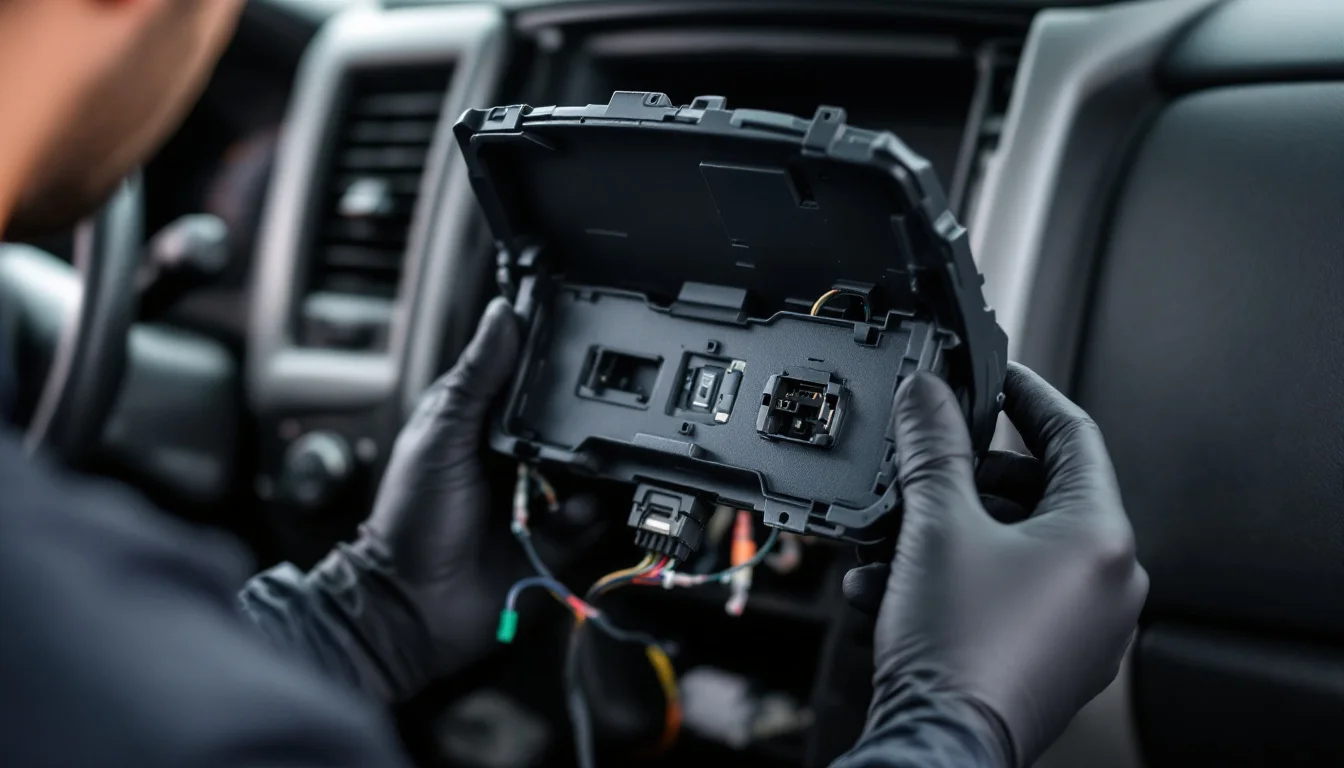
Think of the body control module as the car's electronic switchboard. Where the engine computer manages the powertrain, the BCM manages the body — the everyday electrical functions you interact with constantly and the security functions you rarely think about.
| Module | What it controls | What programming accomplishes |
|---|---|---|
| BCM (body control module) | Door locks, interior and exterior lighting, wipers, chimes, and a central role in the anti-theft/immobilizer chain | Programs the replacement to your specific VIN and enrolls it in the security system so body functions and starting authorization work |
| Immobilizer / Passlock–VATS side | The theft-deterrent handshake that authorizes the engine to start | Restores the security link so the car recognizes a valid key and permits starting |
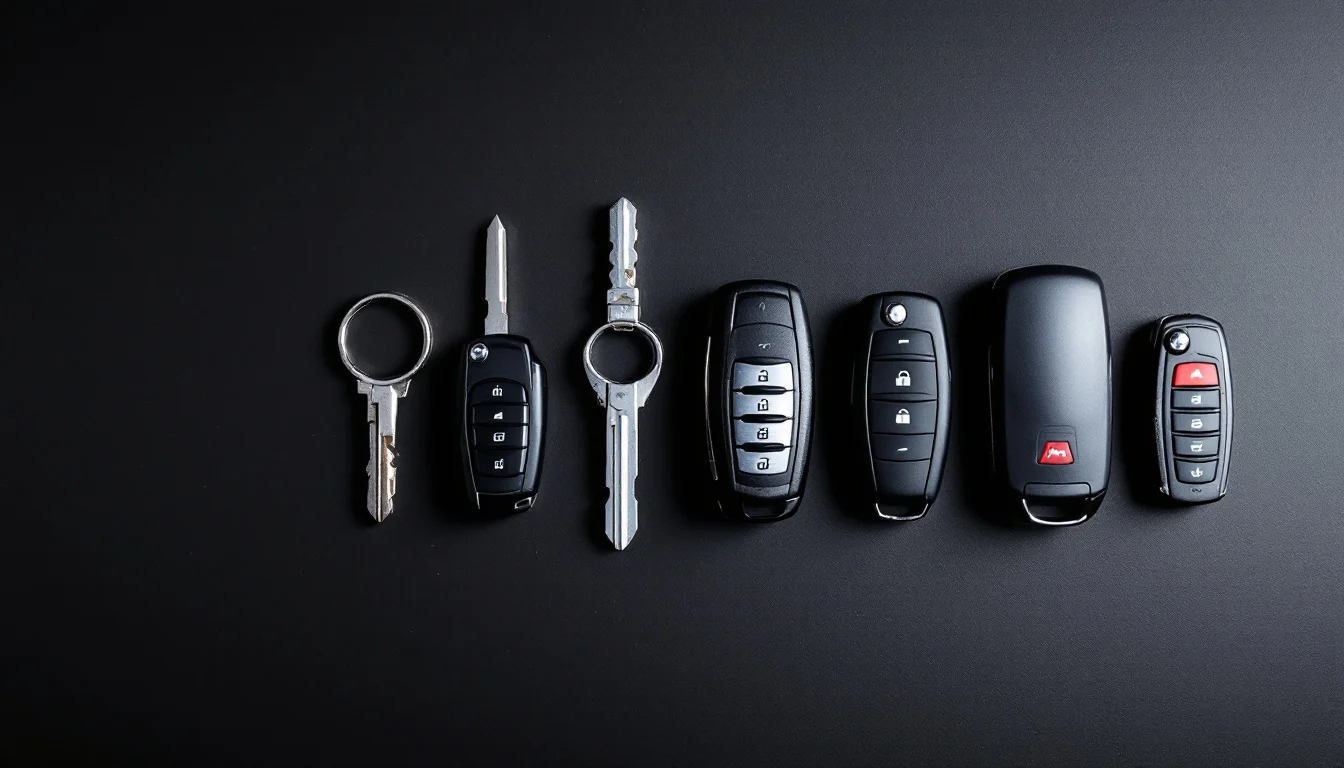
| Related key/transponder | The credential the security system checks | New keys are cut and programmed so the immobilizer accepts them |
The owner-level point behind that table: the BCM isn't a generic part you can swap between cars. It carries — or must be given — configuration and security data tied to your specific Chevrolet. Drop in a bare replacement and the car treats it as unfamiliar hardware: features go dark, and the security chain may refuse to let the engine start. The programming step is what turns a compatible module into your car's module.
The Security Tie-In: Passlock, VATS, and Beyond
Here's the part that surprises owners: on many Chevrolets the BCM is deeply involved in the anti-theft system, so a body-module problem and a security problem are often the same problem.
Older GM vehicles used VATS (Vehicle Anti-Theft System) and later Passlock — theft-deterrent schemes that check for a valid key credential before allowing the engine to start. Newer Chevrolets use more modern transponder immobilizers, but the principle is unchanged: the car silently verifies that the key trying to start it is authorized, and only then permits the engine to run. That's deliberate design, and it works — the Insurance Institute for Highway Safety (IIHS) has long connected immobilizer-integrated electronics to lower theft rates, and vehicle theft remains a major property crime in FBI reporting (fbi.gov).
Because the BCM sits in that chain, a failing or freshly replaced module can trigger a security light or an intermittent no-start that looks exactly like a key problem. Our guide to the Chevy security light and Passlock walks through the key-side symptoms; the important thing here is that the same light can come from the module side, which is why diagnostics — not guesswork — decide the fix.
Why a Replaced BCM Must Be Programmed
Two things have to happen when a Chevrolet BCM is properly replaced, and skipping either causes trouble:
Configuration. A replacement BCM often arrives blank or generically loaded. Your car needs the module set up for its options and equipment — the right lighting, locking, and feature configuration for your VIN. Without it, features behave unpredictably even if the security side is handled.
Security enrollment. Separately, the module has to be brought into the anti-theft conversation so the car authorizes starting and recognizes valid keys. This is the step that most commonly leaves a "swapped it myself" Chevy with a security light and a no-start.
A DIY swap or a general shop can usually manage the physical part — unbolt the old module, bolt in the new. The configuration and security steps require the right equipment and, for security data, credentialed access. For independent professionals in North America, legitimate access to vehicle security information runs through the National Automotive Service Task Force (NASTF) secure-data framework — the industry mechanism that lets vetted technicians perform security work without opening the same door to thieves. Our broader explainer on when a car needs module programming, not just a key puts this in context.
Why Chevy BCM Work Is Diagnostic-Then-Quote
You'll notice we publish firm bands for keys ($150–$850) and ignition repair ($150–$550) but never a dollar figure for BCM programming. That's not evasiveness — it's the only honest structure, because until diagnostics run on your specific car, nobody knows whether your symptom is:
- a BCM that needs configuration and security enrollment after a swap,
- a genuinely failed module that needs replacement plus programming,
- a key or transponder problem wearing a module costume — often the cheaper answer, and the reason to check keys before condemning the BCM,
- a Passlock/VATS sensor or wiring fault rather than the module itself,
- or an electrical problem that belongs at a repair shop, not with a locksmith.
Those paths carry very different prices, and any figure quoted before diagnosis is a guess. The Federal Trade Commission (FTC consumer guidance) has documented the low-quote-then-upsell pattern in the service trades for years. Flip the script: insist on diagnosis first, a written firm quote second, work third. That's how we run every module call — and it protects you regardless of who you hire.
Your other protections, worth using on any provider: Texas locksmiths are licensed under the Texas DPS Private Security Program — ask for license information. Expect an ID-and-ownership check before anyone touches the security system; professional bodies like the Associated Locksmiths of America (ALOA) treat verification as non-negotiable, and so do we.
The Scenarios That Bring Fort Worth Chevy Owners to Us
The half-finished repair. A shop or DIYer correctly suspects a failed BCM, installs a replacement, and hits the wall: security light on, engine won't start, or half the body functions are dead because the new module was never configured or enrolled. The mechanical work was fine; the programming was missing. We complete that step where the car sits — no tow across town, which matters given how the National Highway Traffic Safety Administration (NHTSA) characterizes the risks around disabled-vehicle handling.
The intermittent security fault. Fort Worth heat is hard on aging electronics. A degrading module or connection in the security chain can throw a security light and a random no-start that comes and goes — maddening to chase without equipment. This is where a key problem and a module problem are easiest to confuse; our Chevy all-keys-lost process helps sort which side you're actually on.
The used-module gamble. A salvage-yard BCM for a fraction of the new price is tempting, and on many Chevrolets it can genuinely work — if the specific unit can be programmed and enrolled to your car. Some can, some can't. Ask before you buy the part: a short call with the module type and your model year can save a wasted purchase.
What a Mobile Chevy BCM Visit Looks Like
Locksmith Fort Worth is mobile-only and 24/7, across all of Fort Worth — from a driveway near the TCU area to a lot off West 7th:
- Phone triage. Model year, symptoms, which functions are affected, and repair history. If your setup genuinely needs the dealer, you hear it now — free.
- On-site verification. Photo ID plus registration or title matching the vehicle.
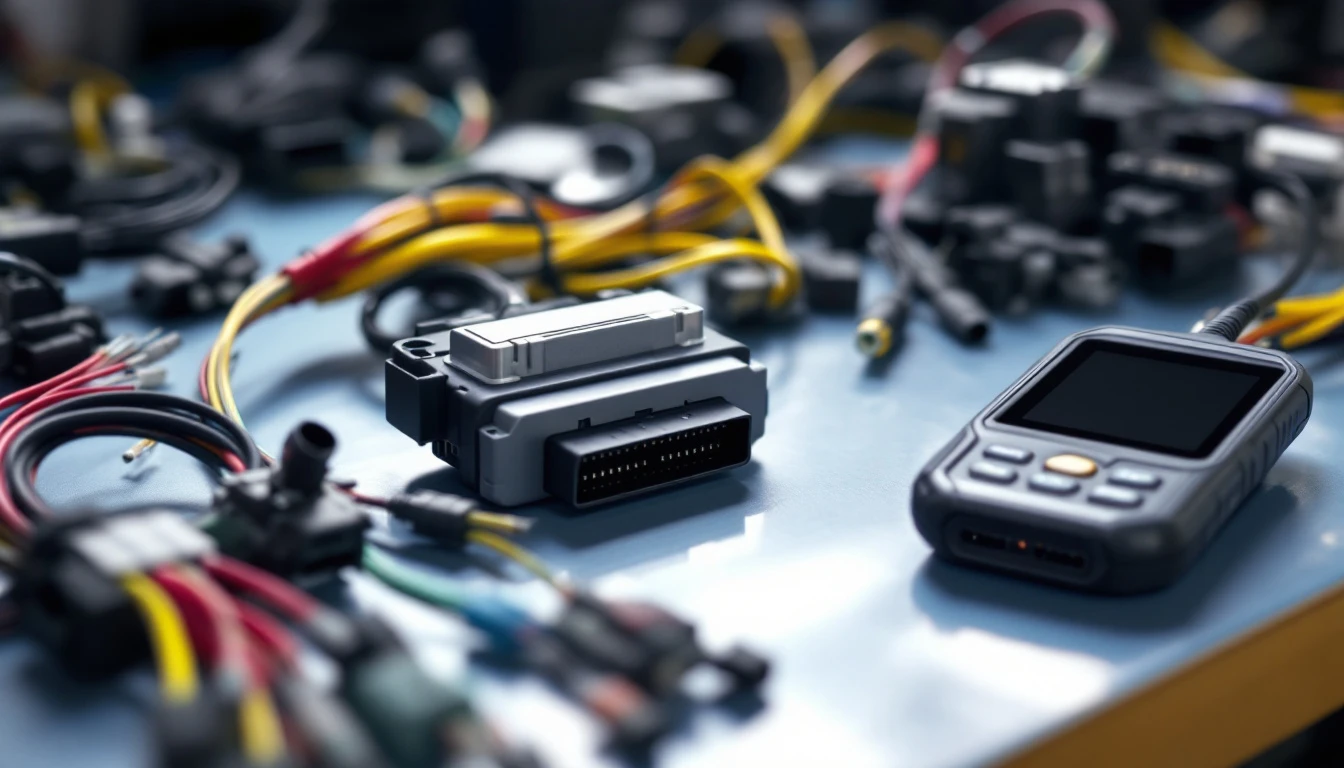
- Diagnostics. The technician reads the car, separates a key problem from a module problem, and identifies exactly what the BCM needs.
- Firm quote, your call. Full findings and full price before any work.
- Programming and proof. After the module is configured and enrolled, the tech verifies starting, key recognition, locks, and lights before leaving.
One preparedness note while everything works: keep two functioning keys. Module-level events are far simpler to resolve when a known-good key is present, and DHS guidance at Ready.gov already counts spare keys as basic readiness. If your Chevy is down to one, a spare key is cheap insurance against a much more expensive week.
Frequently Asked Questions
What does Chevrolet BCM programming cost in Fort Worth?
There's no honest flat figure — Chevy BCM work is diagnostic-then-quote. The price depends on whether the module needs only configuration and security enrollment or a full replacement plus programming, and on your car's specific setup. A technician diagnoses on-site and gives you a firm quote before any work begins. Related key work, for comparison, runs $150–$850.
My Chevy has a security light and won't start after a BCM swap. Did they break it?
Probably not. A replacement BCM usually has to be configured for your car and enrolled in its anti-theft system before starting and body functions work. Many general shops can do the physical swap but not the programming. Completing that on-site is one of the most common Chevy module calls we take.
Is a Chevy security light always a key problem?
No — that's the trap. Because the BCM sits in the anti-theft chain, a security light can come from the module side just as easily as from a key or transponder. The two look identical from the driver's seat, which is why diagnostics settle it rather than assuming the cheaper or the pricier cause.
Can a locksmith program a Chevrolet BCM, or is this dealer-only?
It depends on the model and module. A wide range of Chevrolets are serviceable on-site by an equipped specialist working through the industry's NASTF secure-data framework; some newer or unusual setups need the dealer. Call with your model and a tech confirms your exact setup honestly, including when the dealer is genuinely the right answer.
Will a used BCM from a salvage yard work in my Chevy?
Sometimes. On many Chevrolets a used module can be programmed and enrolled to a different vehicle; others are effectively tied to their original car. Ask before buying the part — a quick call with the module type and your model year tells you whether the gamble makes sense.
Do you handle Chevy module calls at night or on weekends?
Yes — Locksmith Fort Worth operates 24/7 and mobile-only across Fort Worth. A Chevy that won't start can't drive itself anywhere, so the diagnostic equipment comes to it: home, office, or roadside. Call (817) 674-3595 or email contact@locksmithfortworth.net.