Chevrolet All Keys Lost in Fort Worth: The VIN-to-New-Key Process & Cost (2026)
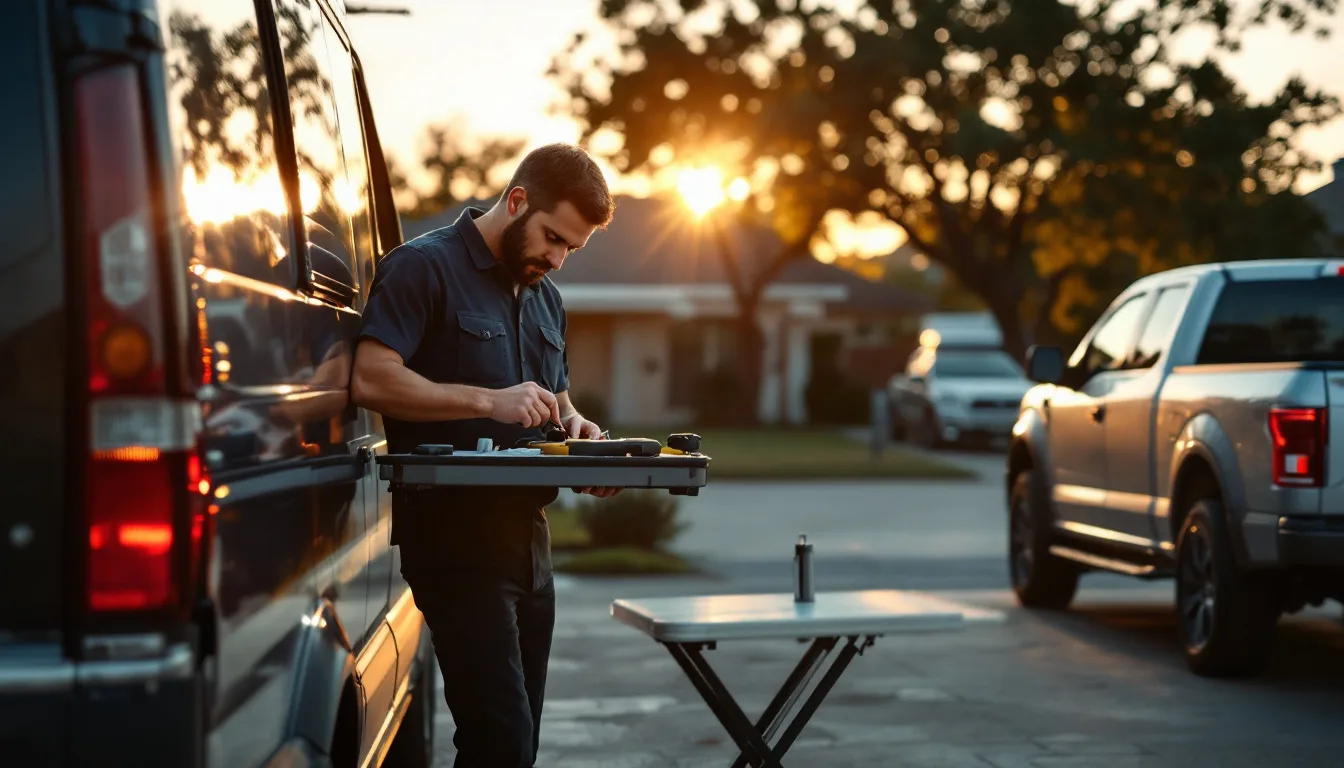
Quick answer: When every key to a Chevrolet is lost, a Fort Worth mobile locksmith can make a brand-new working key from the VIN — no tow, no dealer wait. The process: verify your ID and ownership, pull the factory key code, cut a fresh key (or emergency blade), then program the transponder or smart fob through the OBD-II port at the vehicle. Expect $350–$850 all-in in 2026 depending on key type, versus $150–$420 for a spare made while a key still works. Typical time on-site: 60–120 minutes. Call (817) 674-3595, 24/7.
As of July 2026, the all-keys-lost call is the most stressful version of every key problem we handle — and Chevys make up a big share of them, simply because Silverados, Equinoxes, Tahoes, and Malibus are so common on Fort Worth streets. The bag with both fobs gets stolen at a West 7th bar. The single working flip key goes into Eagle Mountain Lake. The truck you just bought at auction came with a title and zero keys. Whatever the path here, the situation is the same: a vehicle whose immobilizer trusts no key on Earth, and an owner who needs it running today. This guide walks through exactly how a mobile locksmith turns a VIN into a working Chevy key, why it costs more than a spare, and how to keep the total down.
Why all-keys-lost is a different job than "make me a copy"
With a working key in hand, a locksmith duplicates the blade and enrolls one more transponder — quick and cheap. With no key, three things change:
- There is nothing to copy. The cut pattern must come from GM's factory key-code records, retrieved by VIN through authorized channels.
- The immobilizer must accept a stranger. Instead of adding a key alongside a trusted one, the technician opens a full programming session with the vehicle's anti-theft system — a longer, more involved procedure that on some GM models includes mandatory security wait times built into the vehicle itself.
- Ownership verification is mandatory, not optional. A person who can conjure a working key for a car they don't own is a car thief with better tools. The National Automotive Service Task Force's Vehicle Security Professional program (nastf.org) exists precisely to let vetted locksmiths access key codes while keeping an audit trail of who requested what for which VIN. Expect to show ID and proof of ownership every time — that's the system protecting your truck, as theft-prevention bodies like NHTSA (nhtsa.gov) intend.
That's the honest reason all-keys-lost costs more: more data, more time at the vehicle, more security process. Anyone quoting a suspiciously low flat price for a no-key job either hasn't heard the details or is running the bait-and-switch playbook the FTC warns consumers about (consumer.ftc.gov).
The VIN-to-new-key process, step by step
Here's how the visit actually goes when Locksmith Fort Worth handles a Chevy all-keys-lost — the same flow as our general all-keys-lost service, tuned for GM vehicles.
Step 1 — Phone triage and firm range quote
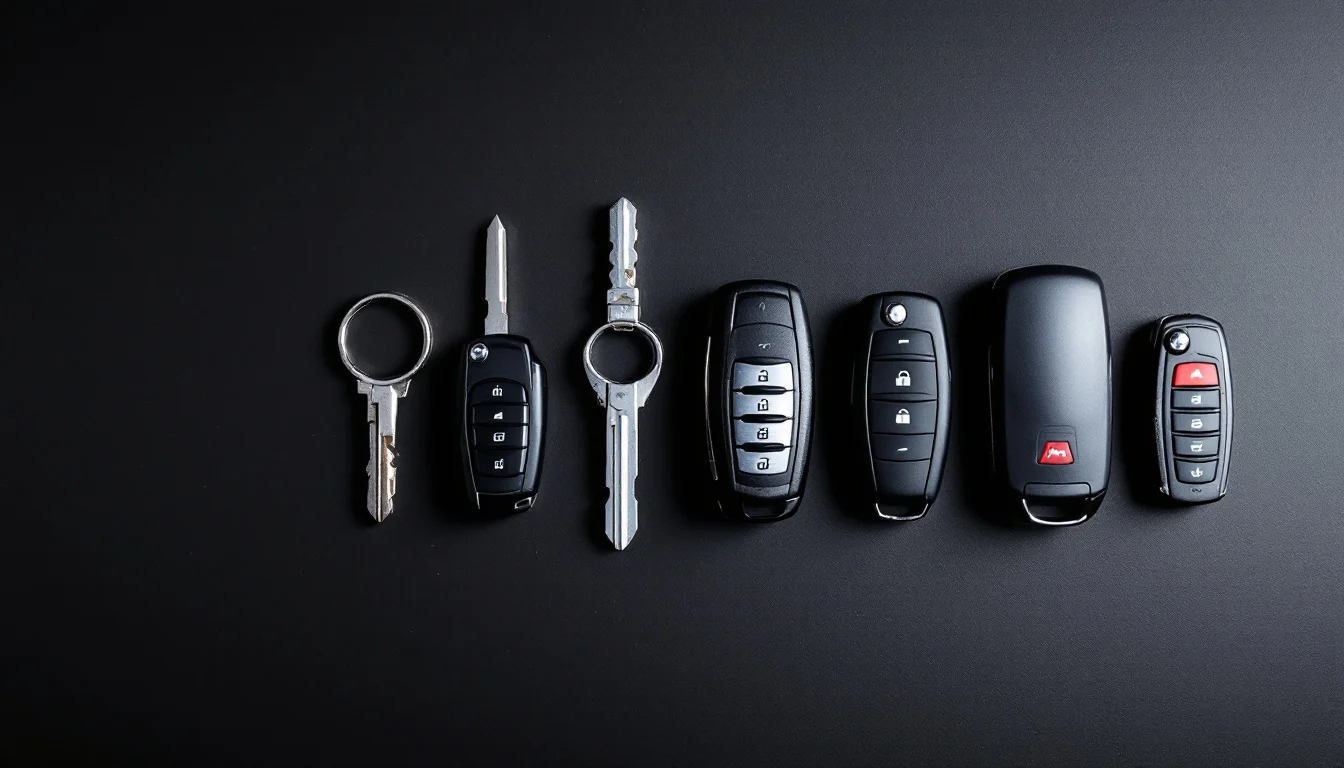
You call (817) 674-3595 with the year, model, trim, and location. Trim matters on Chevys: a 2017 Silverado WT (flip key) and a 2021 Silverado High Country (smart fob) are different jobs at different prices. You get a realistic range before anyone is dispatched — never a teaser price.
Step 2 — Ownership verification at the vehicle
The technician checks a government photo ID plus registration, title, or insurance card matching the vehicle. For just-bought vehicles, a bill of sale and title-assignment paperwork works; for fleet trucks, a company authorization letter. This step is non-negotiable under VSP rules — and it's also basic anti-fraud hygiene the FBI's vehicle-theft resources (fbi.gov) would endorse: keys-from-VIN capability in the wrong hands is a theft vector, and the paperwork is what keeps it in the right hands.
Step 3 — Getting into the vehicle
If the Chevy is locked (it usually is), the tech opens it with non-destructive entry tools — no broken windows, no drilled locks in the normal case. This is the same skill set as an ordinary car lockout call, folded into the job.
Step 4 — Key code by VIN, then a fresh-cut key
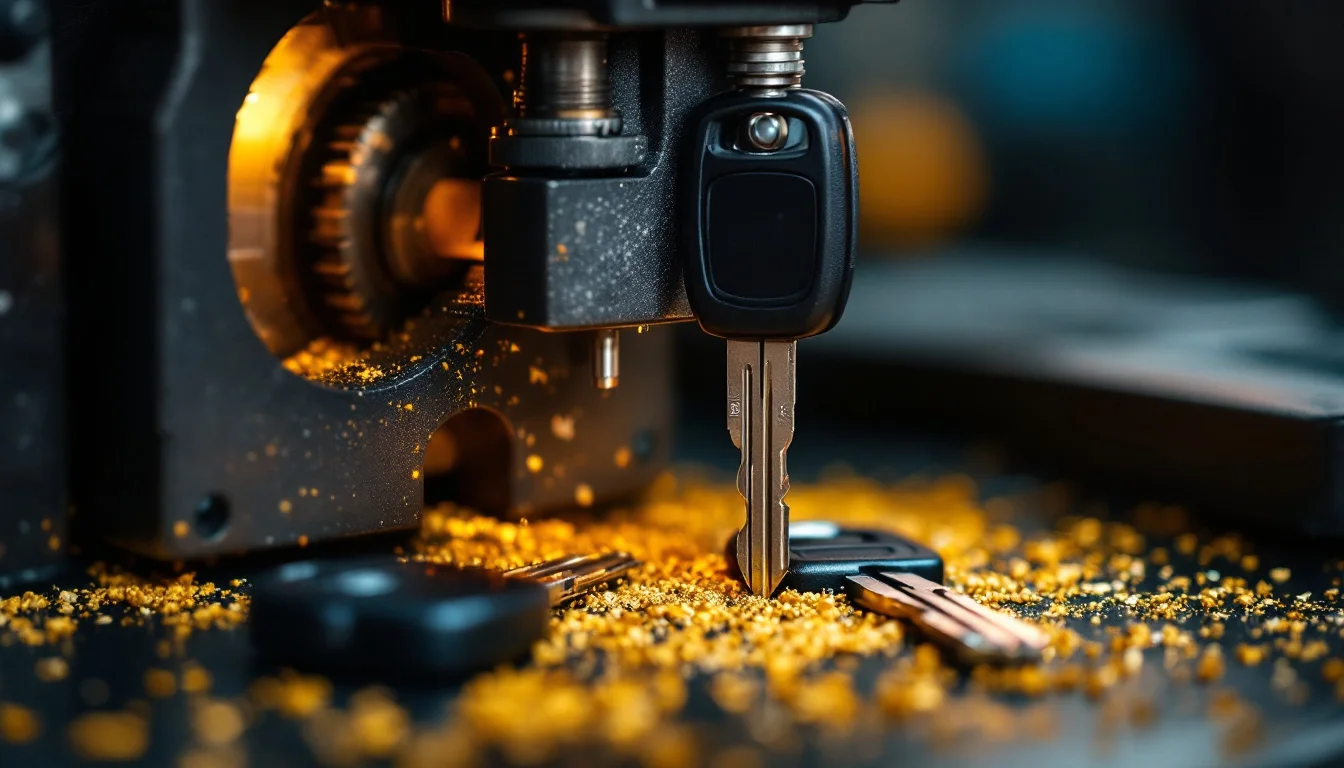
Using authorized access, the technician retrieves the factory lock code for your VIN and cuts a new blade to factory spec on a code-cutting machine in the van — for flip keys and older keys, that's the working blade; for push-to-start Chevys, it's the emergency blade that lives inside the smart fob. If records are unavailable (very old or heavily rekeyed vehicles), the fallback is decoding a door lock by hand — slower, still non-destructive.
Step 5 — Immobilizer programming through the OBD port
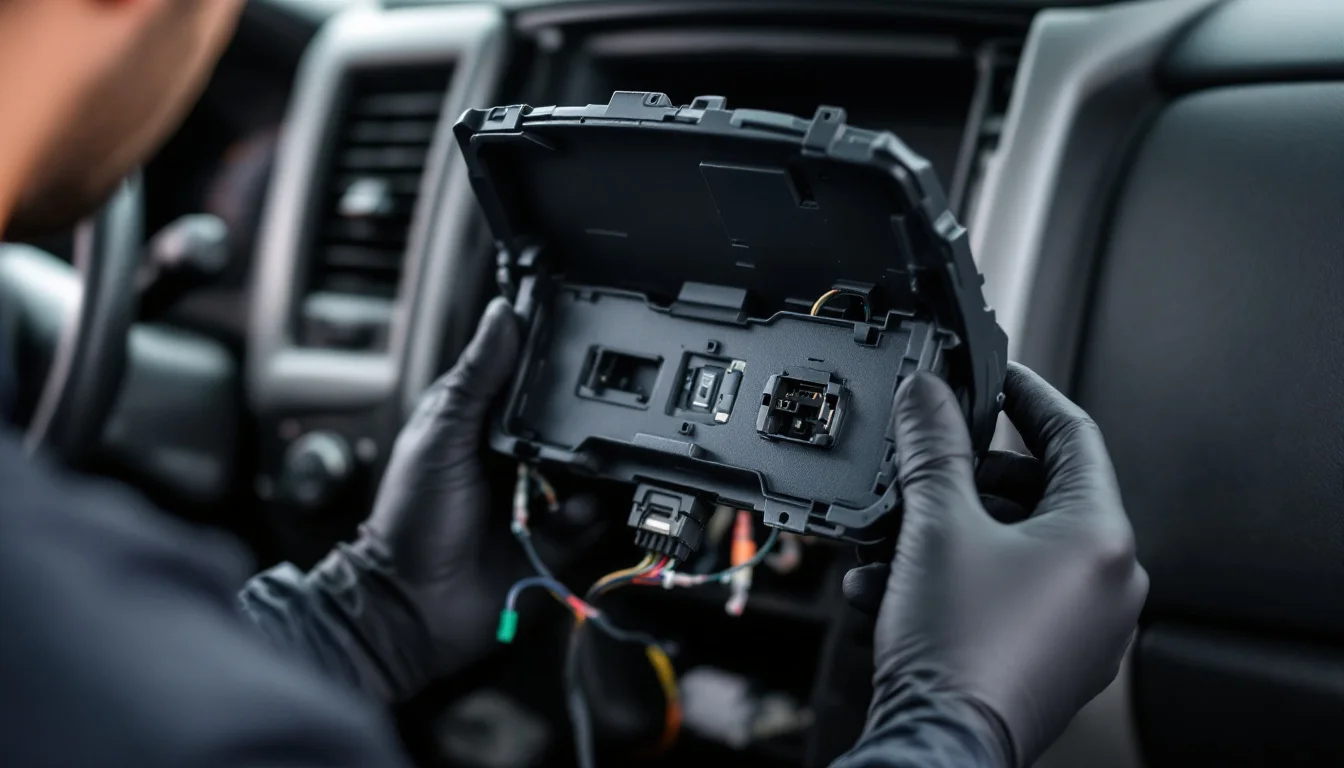
The new transponder key or smart fob is enrolled through the OBD-II connector under the dash. On many GM platforms, an all-keys-lost enrollment involves the vehicle's own security timing — some models impose a waiting period as an anti-theft measure before they'll accept a brand-new key set, which is a major reason the on-site time runs 60–120 minutes rather than 30. (That timing is a public, consumer-level fact about GM security behavior; the button-by-button procedure is the technician's job, not a blog post.) The broader mechanics of transponders and OBD programming are covered in our car key programming explainer.
Step 6 — Test everything, then strongly consider key #2
Doors, ignition or push-to-start, remote functions, tailgate — all verified before payment. Then the technician will offer to cut and program a second key in the same visit, and you should almost certainly say yes: the incremental cost of a spare during an existing programming session is far below a separate visit later, and it's the single best insurance against ever repeating today. More on that math in why a spare car key is worth it and our spare key service page.
Spare key vs. all-keys-lost: the cost of waiting
| Factor | Spare key (working key exists) | All keys lost |
|---|---|---|
| Typical 2026 price (Chevy, Fort Worth) | $150–$420 by key type | $350–$850 by key type |
| Key cut from | Duplication of your key | Factory key code via VIN |
| Ownership paperwork | ID + basic proof | ID + registration/title, logged per NASTF VSP |
| Programming session | Add-a-key (short) | Full immobilizer session, possible built-in security wait |
| Typical time on-site | 30–60 min | 60–120 min |
| Tow needed? | No — mobile | No — mobile (the dealer path usually needs one) |
| Stress level | An errand | An emergency |
That table is the whole argument in one place: every dollar of the all-keys-lost premium disappears if you make the spare before the last key dies. As of this writing, the gap for a smart-fob Tahoe can exceed the cost of the spare itself.
Dealer vs. locksmith when zero keys exist
With no working key, the dealership route means: tow the vehicle to the dealer (the truck can't drive there), wait for a fob that's often special-order, then pay dealer programming labor — commonly a multi-day, multi-invoice experience. The mobile locksmith route compresses all of it into one visit at your curb, which is why no-key situations are the strongest case for a locksmith even among people who'd default to the dealer otherwise. The full comparison — including when the dealer is the right answer — is in dealership vs. locksmith for car keys.
Whichever path you choose, use a licensed provider: Texas locksmiths operate under the Texas DPS Private Security Program, and industry certification through ALOA (aloa.org) signals real automotive training. Locksmith Fort Worth is licensed, mobile-only (we come to you — Fort Worth and surrounding areas), and available 24/7 at (817) 674-3595 / contact@locksmithfortworth.net.
Special cases worth knowing about
- Stolen keys, not lost keys. If your fobs were taken — bag theft, break-in — tell us. During the programming session the vehicle's key list is rebuilt with only the keys in your hand, so the stolen fob no longer starts the truck. If the thief knows where the truck lives, this upgrade from "lost" to "re-secured" matters.
- Just-purchased vehicles with no keys. Auction and private-sale Chevys routinely arrive keyless. Same process; bring the title/bill-of-sale chain so verification is clean.
- Older GM with a security-light history. If the truck had PassLock drama before the keys vanished, mention it — on some older models the anti-theft fault and the key job interact, and it's better diagnosed in one visit. Background: our Chevy security light and PassLock guide.
- Damaged ignitions. If the last key broke off in the cylinder or someone attempted theft, the ignition may need work alongside the new key — ignition repair or replacement runs $150–$550. A snapped-blade situation is often recoverable via broken key extraction first.
- Module replacements in the vehicle's past. Rarely, a Chevy with a swapped or mismatched module won't complete key programming until the module side is sorted. That becomes a diagnostic first — a tech confirms your exact setup before quoting any module or ECU programming; no honest shop prices module work sight-unseen.
Finally, a prevention note: DHS's Ready campaign (ready.gov) frames household preparedness as removing single points of failure, and a one-key household is exactly that. Spare key at home, photo of your VIN plate in your phone, and our number saved — that's the whole kit.
Frequently Asked Questions
How much does a Chevrolet all-keys-lost job cost in Fort Worth?
Between $350 and $850 all-in from a mobile locksmith in 2026, depending on key type: older transponder-key Chevys land near the bottom, flip-key models mid-range, and push-to-start smart fob models (Tahoe, newer Silverado, Camaro) at the top. Compare that with $150–$420 for a spare made while a key still works.
Can a locksmith really make a Chevy key from just the VIN?
Yes. Vetted locksmiths retrieve the factory key code for your VIN through authorized industry channels (the NASTF Vehicle Security Professional program), cut a new key to factory spec on-site, and program it to the immobilizer through the OBD-II port. Ownership verification is required every time, by design.
How long does an all-keys-lost job take?
Plan on 60–120 minutes at the vehicle. The job includes ownership verification, unlocking the vehicle, code-cutting the key, and a full immobilizer programming session — and some GM models add their own built-in security wait time before accepting a brand-new key set.
Do I have to tow my Chevy to the dealership if I lost every key?
No. A mobile locksmith does the entire job at the vehicle, which is precisely why the locksmith route wins hardest in all-keys-lost situations — the dealer path requires a tow plus often a multi-day fob order, while the mobile job finishes the same visit.
What documents do I need to get a key made with no original?
A government photo ID plus proof you own or control the vehicle — registration, title, insurance card, or for a recent purchase, the bill of sale and title paperwork. Fleet vehicles need company authorization. No legitimate locksmith will skip this step.
My keys were stolen, not lost — can the old key be deactivated?
Yes. During the all-keys-lost programming session the vehicle's list of trusted keys is rebuilt to include only the new keys present, so a stolen fob or key will no longer start the vehicle. Always tell the locksmith the keys were stolen so the session is done this way.
References
- NASTF — National Automotive Service Task Force, Vehicle Security Professional program
- NHTSA — National Highway Traffic Safety Administration
- FTC Consumer Advice — locksmith bait-and-switch warnings
- FBI — vehicle theft resources
- ALOA Security Professionals Association
- Ready.gov — DHS preparedness planning