Dealership vs Locksmith for Car Keys in Fort Worth: Cost, Speed, and When Each Wins (2026)
Quick answer: As of September 2026, for most car-key needs in Fort Worth a mobile locksmith beats the dealership on both cost and speed: the locksmith comes to you, skips the tow, and programs most keys on site within the $150-$850 range, often same day. The dealership genuinely wins in a narrow set of cases — chiefly certain late-model European vehicles that require a coding step only the dealer can perform, or when your key work is covered under an active warranty or recall. Knowing which bucket your car falls into before you call saves the most money.
The honest framing: it is not "locksmith good, dealer bad"
Plenty of blog posts pretend the dealership is always a rip-off. That is not true, and pretending it is will steer you wrong on the exact vehicles where the dealer is the right call. The accurate framing is: for the large majority of cars, a mobile locksmith is faster and cheaper; for a small, specific set of vehicles and situations, the dealer is the right or only choice. This guide sorts your car into the right bucket.
Both paths can make you a working key. What differs is how you get there — where the work happens, how long it takes, whether you need a tow, and what it costs.
Side-by-side: dealership vs locksmith
| Factor | Mobile locksmith | Dealership |
|---|---|---|
| Where the work happens | Comes to you (home, work, roadside) | You bring the car in (tow if no key) |
| Typical cost | $150-$850, often lower for common keys | Often higher; part + shop labor rate |
| Speed | Often same day, 24/7 | Business hours; fob may be back-ordered |
| Tow needed if all keys lost | No | Frequently yes |
| Vehicle coverage | Nearly all makes/models | All, plus dealer-only coding steps |
| Best for | Most cars, lockouts, spares, broken keys | Certain late-model European; warranty/recall work |
The two rows that decide most cases are "where the work happens" and "tow needed." If you have lost every key, a dealership generally needs the car physically present — which means a tow you pay for, on top of the key. A mobile locksmith establishes trust with the car in your driveway and skips that entirely. That single difference often makes the locksmith the cheaper option even before you compare the key price itself.
Where the locksmith wins (most of the time)
Cost, for common keys. For basic, transponder, and flip keys on domestic and Asian vehicles — the bulk of what is on Fort Worth roads — a locksmith is typically less expensive than a dealer's part-plus-labor pricing. Our key fob cost breakdown shows how the categories price out.
Speed and hours. Dealers run on service-department hours. A key emergency at 9 p.m. on a Saturday is a locksmith's normal Tuesday. Mobile service is 24/7, which matters when you are stranded.
No tow. This is the big one for all-keys-lost. A locksmith comes to the car; a dealer usually needs the car brought in.
Lockouts, spares, broken keys, extractions. Dealers generally do not do roadside lockouts or on-the-spot broken-key extractions. These are core locksmith work — see our guides on car lockouts and broken key extraction.
Convenience. The whole job happens where your car already is. For an all-keys-lost situation especially, the VIN-to-new-key process is done on site.
Where the dealership wins (the real exceptions)
Being honest about these is what makes the rest of this guide trustworthy.
Certain late-model European vehicles. Some newer BMW, Mercedes-Benz, and Audi/VW models have a coding or module step that, as of 2026, only the dealer's manufacturer access can complete. A good locksmith will tell you when your specific European car falls here rather than discovering it in your driveway. For the deeper picture on when a vehicle needs module-level work, see our guide on when a car needs module programming, not just a key.
Active warranty or recall coverage. If your key or ignition issue is covered under a manufacturer warranty or a safety recall, the dealer may do it at no cost to you. Never pay out of pocket for something the manufacturer will cover — check first.
Extremely new or rare models. A model released very recently sometimes has security data that has not yet propagated to the aftermarket. In that window, the dealer may be the only source until registered locksmith access catches up through the NASTF Secure Data framework.
Notice the pattern: the dealer wins on specific vehicles and coverage situations, not on general cost or convenience. If your car is a common domestic or Asian model and there is no warranty angle, the locksmith bucket is almost certainly yours.
How to figure out which bucket you are in — in two minutes
- Is it a common domestic or Asian vehicle? → Locksmith, almost certainly cheaper and faster.
- Is it a late-model European (BMW/Mercedes/Audi/VW)? → Ask a locksmith to check your VIN; many are fine on-site, some need a dealer step. Get that answer before dispatch.
- Is the issue possibly under warranty or recall? → Check with the dealer first; it may be free.
- Is it a brand-new or rare model? → It may need the dealer for now.
- Do you have zero working keys? → Weigh the tow cost heavily; this is where the locksmith's come-to-you advantage is largest.
The single most useful thing you can do is have your VIN ready and ask a locksmith to confirm whether your exact vehicle is fully serviceable on site. An honest shop gives you a straight answer, including "you'll want the dealer for this one."
Cost transparency: what to watch on both sides
Whichever path you choose, the FTC's consumer guidance applies: insist on a clear, upfront, all-in price and be wary of anyone who lowballs on the phone then upcharges on arrival (consumer.ftc.gov).
- From a locksmith: get a firm quote tied to your VIN and key type before the tech is dispatched. A vague "starting at" figure that balloons on site is the classic bait-and-switch tell.
- From a dealer: ask whether the price includes both the part and the programming labor, and whether the fob is in stock or must be ordered (a back-order can add days).
Texas locksmith companies operate under the Texas Department of Public Safety (DPS) Private Security Program; a legitimate operator is transparent about it and about pricing. The Associated Locksmiths of America sets the professional standards that separate a real automotive locksmith from a fly-by-night call center.
The bottom line for Fort Worth drivers
For most people, most of the time, a mobile locksmith is the better call on cost, speed, and the sheer convenience of not moving your car. Reserve the dealership for the genuine exceptions: a late-model European vehicle that needs a dealer-only coding step, or key work that a warranty or recall will cover for free. If you are not sure which you have, a two-minute VIN check with a locksmith settles it — and a trustworthy one will point you to the dealer when that is actually your best move.
We serve the entire Fort Worth metro, from the Cultural District to Alliance Town Center, with mobile car key replacement and ignition repair.
A real-world walkthrough: same problem, two paths
Picture a Fort Worth driver who has lost every key to a common domestic SUV — a true all-keys-lost situation. Here is how the two paths actually play out.
The dealership path. With no working key, the SUV cannot be driven in, so step one is a tow to the dealer — a cost that lands before any key work begins. Once there, the service department orders or pulls the fob, schedules the programming around its business-hours queue, and bills the part plus a shop labor rate. If the fob is not in stock, add days of waiting. The driver is also without the vehicle the whole time.
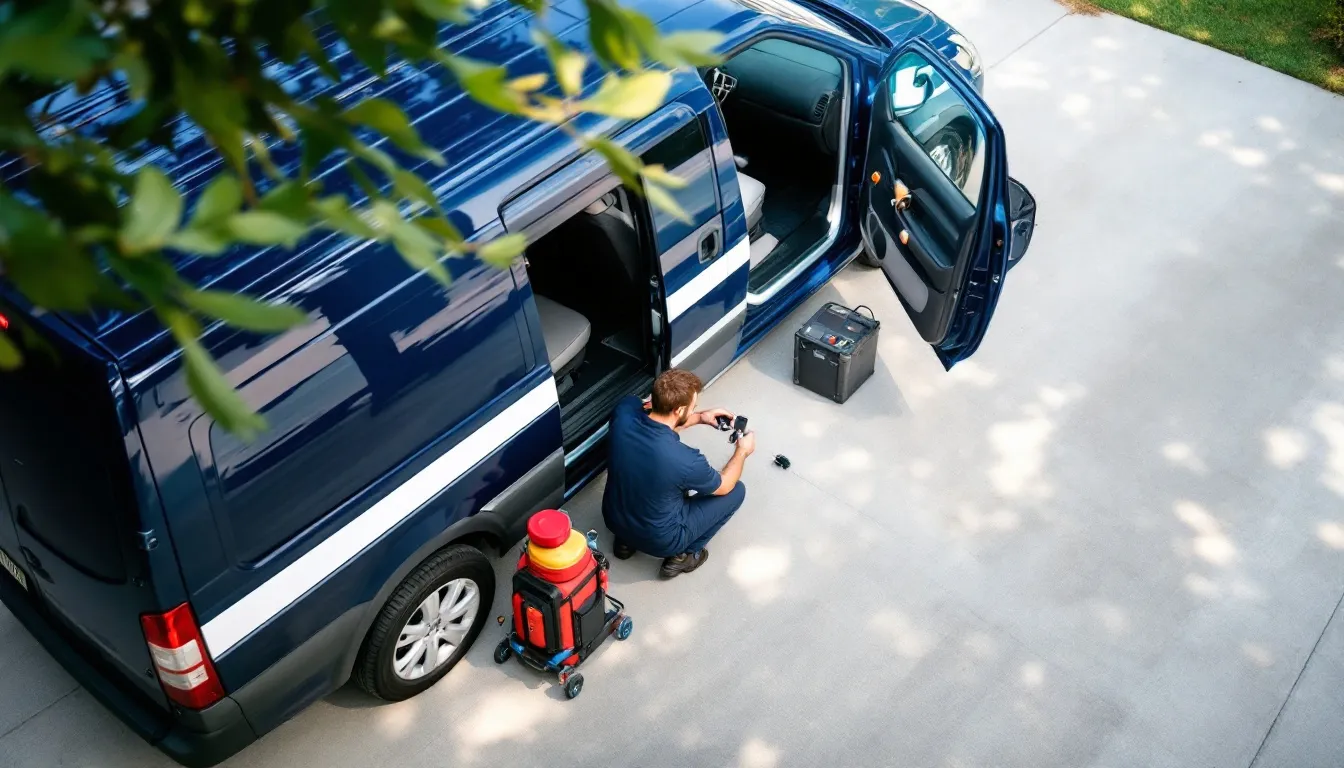
The locksmith path. A mobile locksmith drives to wherever the SUV is parked, confirms the VIN, sources the matching fob, and establishes trust with the vehicle on site — no tow, no drop-off. For a common domestic model this is typically a same-day, often within-the-hour job, priced inside the $150-$850 range with no separate tow bill stacked on top.
For this vehicle, the locksmith is clearly faster and cheaper. Now change one detail: make it a late-model European SUV that needs a dealer-only coding step. The locksmith checks the VIN, tells the driver upfront that one part of the job must happen at the dealer, and the calculus shifts. That is the whole point of the VIN check — it tells you which walkthrough is yours before you have spent a dime.
The cost the comparison usually leaves out
Most dealer-versus-locksmith articles compare two prices and stop there. That comparison is incomplete, because on a car with no working key the two paths do not start from the same place.
A locksmith comes to the vehicle. Whatever the key costs is what the job costs.
A dealership requires the vehicle to arrive at the dealership. If the car still runs, that is an inconvenience — a trip, a wait, possibly a day without it. If the car does not run, which is the whole reason most people are reading this, it is a tow, and a tow is a real line item that belongs in the comparison even though it never appears in the key quote.
So the honest arithmetic on an all-keys-lost car is: locksmith price, versus dealer price plus tow plus the time the car spends waiting for a service slot. That gap is usually larger than the difference between the two key prices.
The reverse is worth stating too, because it is the case where the dealer is simply correct: if the work is covered under an active warranty or a recall, the dealer path costs you nothing and we would be taking money for something you could get free. Check that first. The NHTSA recall lookup (nhtsa.gov) takes a VIN and thirty seconds.
Brand-level reality check
The bucket your car lands in is mostly decided by the badge, so here is the rough sorting for the vehicles we see most in Fort Worth.
Comfortably locksmith territory: Ford, Lincoln, Chevrolet, GMC, Chrysler, Dodge, Ram, Jeep, Toyota, Lexus, Honda, Nissan, Hyundai and Kia, across the overwhelming majority of model years. Our Toyota and Lexus key cost guide works through the most common example in detail, and our work van key guide covers the commercial side.
Locksmith territory, higher price band: Mercedes and BMW. The work is routinely done outside the dealer network; the fobs and the equipment simply cost more, which is why these land in the $400–$850 band.
Worth a conversation first: the very newest model years across several brands, where all-keys-lost work is more involved. Not a dealer-only zone, but genuinely a case where you want a straight answer about your specific VIN before anyone dispatches rather than an optimistic quote over the phone.
Frequently Asked Questions
Is a locksmith cheaper than the dealership for a car key?
For most vehicles, yes. As of July 2026, a mobile locksmith typically prices common basic, transponder, and flip keys within the $150-$850 range — often below a dealer's part-plus-labor rate — and comes to you, so you also avoid a tow. The dealer can be the better value only in specific cases, such as certain late-model European vehicles requiring a dealer-only coding step, or key work covered under warranty or recall.
Do I have to tow my car to get a new key?
Usually only if you go to the dealership with no working key. A mobile locksmith establishes trust with the vehicle in your driveway, so an all-keys-lost job is done on site with no tow. That come-to-you advantage is largest exactly when you have zero working keys, which is the scenario where a dealer most often needs the car physically brought in.
When should I use the dealer instead of a locksmith?
Use the dealer when your car is a late-model European model that needs a coding or module step only the manufacturer's access can complete, when the key or ignition issue is covered under warranty or recall (it may be free), or when your vehicle is so new that aftermarket security data is not yet available. A reputable locksmith will tell you when your specific car falls into one of these buckets.
Can a locksmith program keys for European cars?
For many European vehicles, yes — a registered locksmith can cut and program the key on site, though these makes take longer and sit at the top of the price range because their immobilizer systems need heavier tooling. A subset of late-model BMW, Mercedes-Benz, and Audi/VW models require one dealer-side step, and an honest locksmith identifies that from your VIN before starting rather than in your driveway.
How do I know which option is right for my car?
Have your VIN ready and ask a locksmith to confirm whether your exact vehicle is fully serviceable on site. If it is a common domestic or Asian model with no warranty angle, the locksmith is almost certainly your cheaper, faster option. If it is a late-model European car or possibly under warranty, check those angles first. A trustworthy shop will point you to the dealer when that is genuinely your best move.
Will the dealer's key be higher quality than a locksmith's?
Not necessarily. A registered locksmith sources VIN-matched keys and fobs and programs them to the same security standards, so a properly cut and enrolled locksmith key works exactly as it should. What matters is that the key is the correct type for your vehicle and is programmed correctly, which a professional does either way. The dealer's edge is access to certain manufacturer-only coding steps, not general quality.
References
- National Automotive Service Task Force (NASTF) — Secure Data and vehicle security professional access: https://www.nastf.org/
- U.S. Federal Trade Commission — Consumer advice on auto services and upfront pricing: https://consumer.ftc.gov/
- Associated Locksmiths of America (ALOA) — Automotive locksmith standards: https://www.aloa.org/
- National Highway Traffic Safety Administration (NHTSA) — Vehicle security and anti-theft information: https://www.nhtsa.gov/
- Texas Department of Public Safety, Private Security Program — Locksmith regulation in Texas: https://www.dps.texas.gov/
Related services
Locksmith Fort Worth — (817) 674-3595 · contact@locksmithfortworth.net · Mobile, 24/7 across Fort Worth.