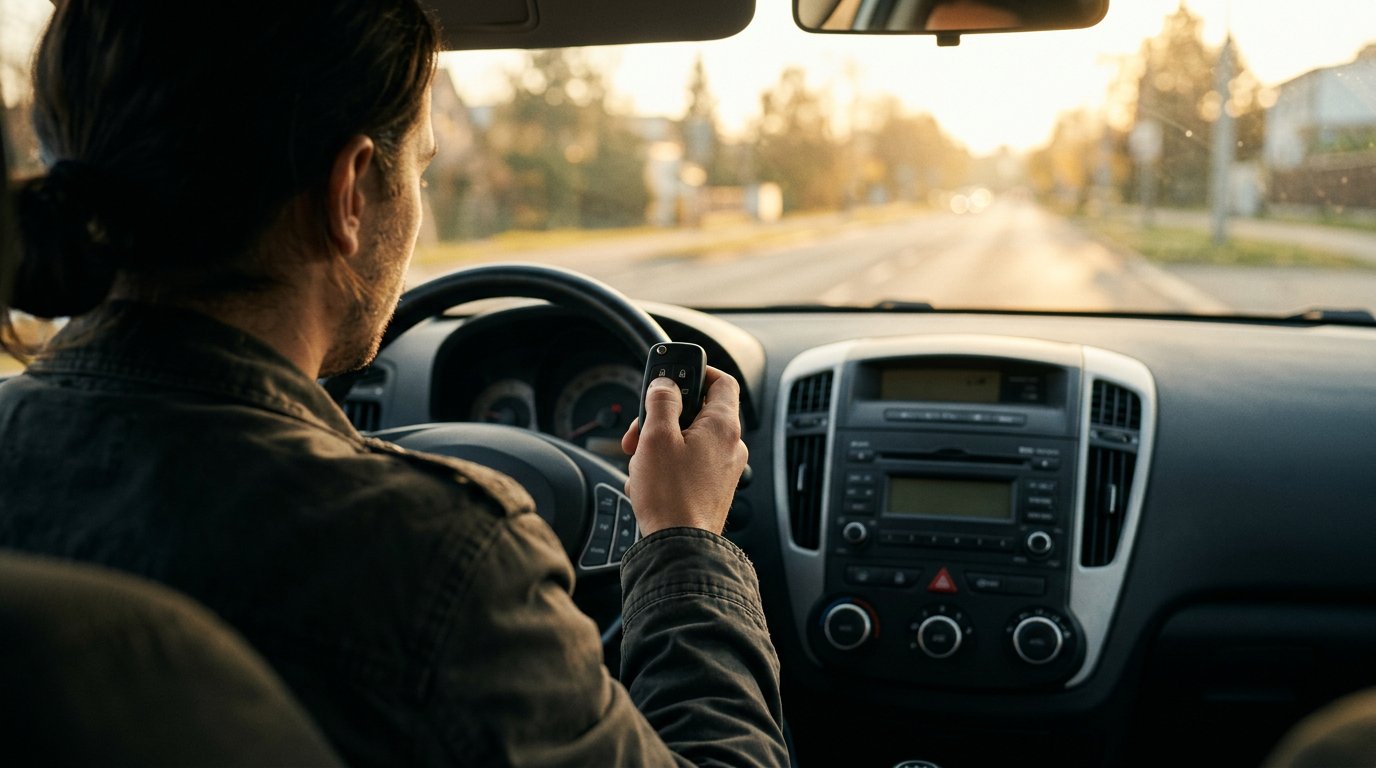
Car Starts Then Dies After Key Programming
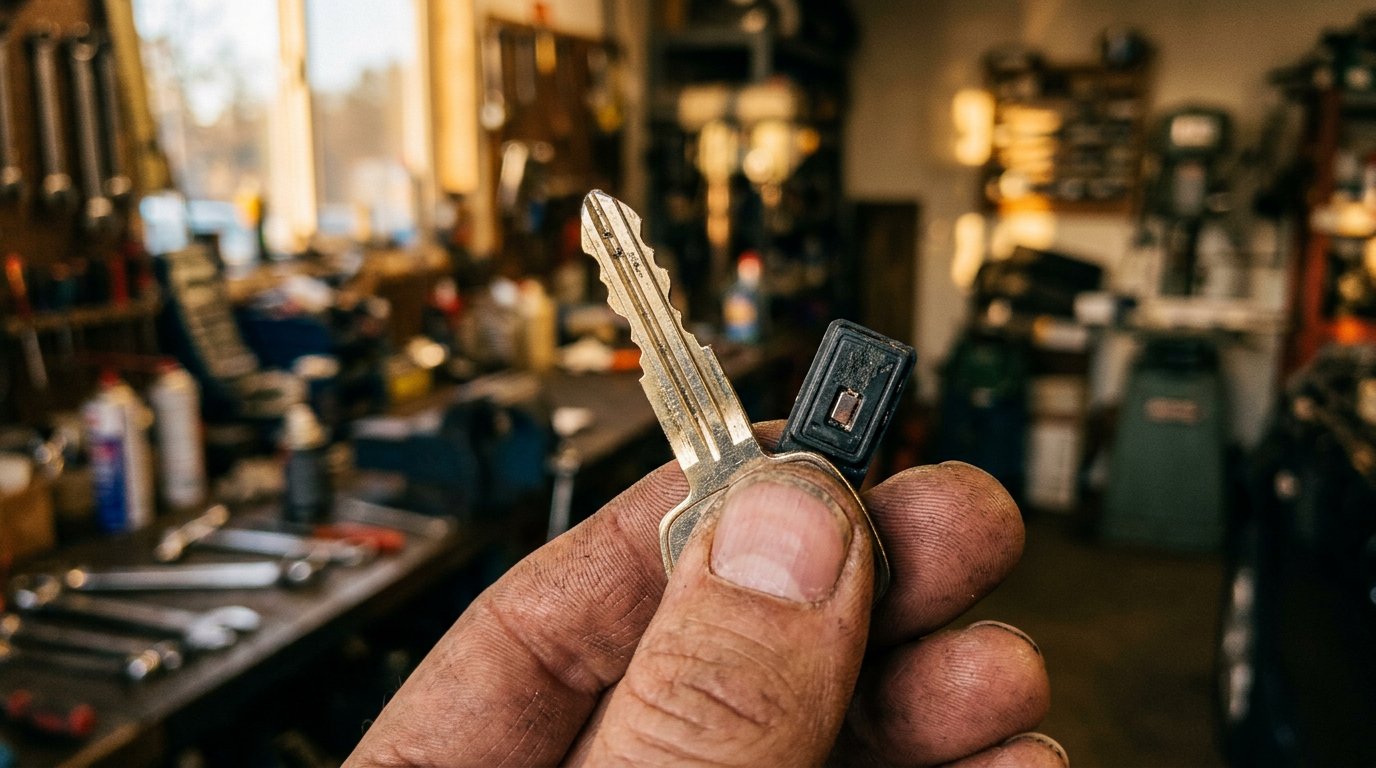
Car Starts Then Dies After Key Programming
Car Starts Then Dies Immediately After Key Programming in Fort Worth
Quick answer: When a newly programmed key cranks the engine but the vehicle stalls within one to three seconds, the immobilizer system authenticated the transponder for starting but did not complete full authorization to keep the engine running. This symptom indicates incomplete programming or a communication failure between vehicle modules, not a defective key.
Call or text (817) 674-3595 for mobile diagnostics anywhere in Fort Worth, Arlington, Euless, or across Tarrant County. We bring professional scan tools and programming equipment directly to your location—home, office, or roadside—and diagnose the root cause on-site without requiring a tow.
Why a Newly Programmed Key Starts the Engine but Won't Keep It Running
Most vehicle owners assume that if the key cranks the engine, programming succeeded. That assumption overlooks how modern immobilizer systems operate.
Vehicle immobilizer systems may perform initial authentication when you turn the key or press the start button—this check permits the starter motor to engage and the engine to begin cranking. A second authorization phase typically occurs immediately after the engine fires, where the engine control module must receive continuous permission from the body control module confirming that a valid key remains present and active. If that ongoing signal does not arrive or arrives incomplete, the engine computer may cut fuel delivery and the engine dies within one to three seconds.
This staged authentication process is why you can have a key that cranks perfectly but will not sustain idle. The transponder passed the initial gate but not the second. Many vehicles built after 2005 distribute immobilizer data across multiple control modules—the body control module, engine control module, and sometimes a separate theft-deterrent module—and each must recognize the new key independently. A programming session that writes the transponder code to one module but fails to synchronize another will produce exactly this symptom: the car starts then dies immediately after key programming.
Understanding car key programming in Fort Worth means recognizing that incomplete writes to vehicle control modules are a common cause of start-then-stall failures, especially when programming tools lose communication mid-session or vehicle battery voltage drops during the procedure.
What You Should Try Before Calling for Service
If your car starts then dies immediately after key programming, three quick checks can rule out simple causes and may save a service call.
Turn the key off completely, remove it, wait ten seconds, and try again. Some vehicles require a full ignition-off cycle before the engine control module will accept the new authorization. If the vehicle starts and runs normally on the second attempt, the programming succeeded but needed a reset cycle to complete the handshake.
Check the battery voltage. A weak vehicle battery—especially one reading below twelve volts at rest—can prevent control modules from completing their startup routines. The engine control module may shut down as a precaution if it detects insufficient voltage. Connect a battery charger, bring the battery to full charge, and retry. A failing alternator can also cause this symptom even with a newly programmed key, because modules need stable voltage to maintain communication.
Try the original key if you still have it. If the original key starts and runs the engine normally, the new key's programming is incomplete. If the original key also starts then dies, the problem may not be the key—it could be a fuel delivery issue, a failing sensor, or an unrelated engine fault that appeared at the same time. Do not continue cranking the engine repeatedly; excessive cranking with no fuel authorization can flood the cylinders or trigger additional fault codes that complicate diagnosis.
Texas locksmith companies and technicians must follow state licensing and vehicle-ownership verification requirements. Reputable automotive locksmiths should be able to show business identification, insurance, and proof of authorization before performing vehicle key work.
The Difference Between Incomplete Programming and a Failed Module
Re-programming the same key a second time will only help if the first session was interrupted or used incorrect software. It will not fix hardware failures or module-level faults.
If a vehicle control module has a stored fault code related to immobilizer communication, simply programming another key will not clear it. The fault must be diagnosed and repaired first. Common faults may include corrupted module memory, failed immobilizer antenna components, and loss of communication between modules due to wiring damage or a blown fuse. Professional scan tools can read live data from both the body control module and engine computer to pinpoint where the authorization chain is breaking.
Vehicles that have had a body control module or engine control module replaced recently may require module programming before any key will work correctly. A replacement module often arrives blank and must be initialized with the vehicle's identification data, immobilizer settings, and security parameters. Key programming alone will not complete that initialization process. If the vehicle battery was disconnected during key programming or if the vehicle sat unused for several weeks after programming, module synchronization can sometimes be lost.
In Fort Worth, we see this issue regularly in Arlington, Grand Prairie, and North Richland Hills, especially when a vehicle owner has attempted self-programming using an inexpensive OBD tool or has visited a shop that does not carry manufacturer-specific programming software. Mobile service eliminates the need for a tow truck and brings factory-level equipment directly to your driveway or workplace.
When Re-Programming Is Not the Answer
Certain vehicle conditions present symptoms that look identical to incomplete key programming but have entirely different causes.
After a dead battery, some vehicles lose stored immobilizer data or require a relearn procedure that goes beyond simple key programming. Modules may need to re-synchronize their internal clocks and security tokens before they will accept any key, even one that was previously programmed and working. This condition requires dealer-level or professional locksmith scan tools with bidirectional control capability—not just code readers.
If your vehicle recently experienced electrical work, a jump-start from another vehicle, or any repair that involved disconnecting battery cables or fuses, the start-then-die symptom may indicate a module that needs initialization rather than a key that needs programming. Similarly, vehicles that have been sitting unused for extended periods—especially those stored outdoors through multiple seasons in North Texas heat—can develop control-module faults that mimic immobilizer problems but require module-level repair or replacement.
Security system faults unrelated to the key can also produce this symptom. A failing ignition switch, a damaged wire harness near the steering column, or a corroded ground connection can interrupt the communication path between modules even when the key itself is perfectly programmed. Call or text (817) 674-3595 if re-programming does not resolve the issue or if the vehicle has recent module replacement, electrical repair, or a history of immobilizer faults.
Common Mistakes That Cause Programming Failures
Programming failures often trace back to preventable setup errors rather than defective keys or tools.
Low battery voltage during programming is the single most common cause of incomplete writes. Many programming tools require stable voltage above twelve and a half volts throughout the entire session, which can take several minutes. If the vehicle battery is marginal or if the tool draws enough current to sag the voltage mid-session, the write to one or more modules can fail silently. Professional technicians connect a battery maintainer or external power supply before starting any programming procedure.
Incorrect software versions or outdated tool firmware can prevent successful programming on newer vehicles. Manufacturers update their security protocols regularly, and a programming tool that worked perfectly on a given model in 2020 may not support the same model in 2024 without a software update. Shops that do not maintain current subscriptions to manufacturer databases may attempt programming with obsolete procedures that appear to succeed but leave modules unsynchronized.
Attempting to program a key while the vehicle has stored fault codes in the immobilizer or body control module often results in failure. The modules may refuse to accept new key data while they are in a fault state. A proper diagnostic scan should always precede programming, and any existing faults should be cleared or resolved first. This is one reason why mobile service with professional equipment produces better outcomes than self-service OBD tools—the technician can verify module health before beginning the programming session.
Frequently Asked Questions About Keys That Start Then Stall
Can a weak key fob battery cause the car to start then die?
No. The transponder chip inside the key blade or fob housing has no battery—it is powered passively by the immobilizer antenna when you insert the key or hold the fob near the start button. A weak fob battery will prevent remote unlock and push-button start, but it will not cause a programmed key to lose fuel authorization after the engine fires.
Does this mean the key was programmed incorrectly?
Not necessarily. The key may have been programmed correctly to one vehicle module but the programming session failed to write the authorization to another module. This is incomplete programming rather than incorrect programming. The solution is to complete the module synchronization using equipment that has full access for your specific make and model.
Will disconnecting the battery reset the immobilizer and fix it?
Disconnecting the battery will clear some temporary fault codes, but it will not re-synchronize module programming. In some cases, disconnecting the battery can make the problem worse by erasing adaptive data that the engine computer uses during startup. Try a full ignition-off cycle first; only disconnect the battery if you are certain the vehicle has a stored fault that needs clearing and you understand the relearn procedures that will be required afterward.
How long should I wait before trying to reprogram the key?
If the vehicle starts then dies, you can attempt reprogramming immediately—there is no mandatory waiting period. However, if the programming tool reported errors or the vehicle battery is weak, address those issues first. Repeated failed programming attempts can sometimes write corrupted data to a module, which then requires dealer-level or professional locksmith software to clear.
Can I drive the vehicle in this condition to a shop?
No. A vehicle that starts then dies will not sustain idle or respond to throttle input, so you cannot drive it. The only options are mobile service at your location or towing to a shop. Mobile service eliminates the towing fee and completes diagnosis and repair on-site in most cases. We serve all of Fort Worth, including downtown, the Stockyards, West 7th, and surrounding cities throughout Tarrant County.
Get Mobile Key Diagnostics Anywhere in Fort Worth
When your car starts then dies immediately after key programming, you are looking at incomplete module synchronization or a communication fault between vehicle control systems—not a bad key, not a dead battery, and not coincidence. The transponder passed initial authentication but did not receive full authorization to run the engine.
This is a fixable problem, but it requires diagnostic equipment that can read live immobilizer data from vehicle control modules and programming tools with manufacturer-specific software to complete the authorization process. A mobile automotive locksmith eliminates the need for a tow truck and brings that equipment directly to your driveway, parking lot, or workplace.
We cover Fort Worth and all surrounding areas—Arlington, Euless, Bedford, Hurst, Grapevine, Keller, and every neighborhood in Tarrant County. If you are stuck at home, at work, or on the roadside with a key that cranks but won't run the engine, call or text (817) 674-3595. We will come to you, diagnose the cause, and complete the programming or module repair on-site so you can get back on the road without a tow bill or a dealership appointment.
Related reading
- Engine Cranks But Will Not Start in Fort Worth: Is It the Immobilizer or Something Else?
- BMW FEM & BDC Module Programming in Fort Worth: Why Keys Are a Module Job (2026)
- Ford Starting System Fault and the Car Won't Start: Fort Worth Diagnosis Guide
- Safe Lockout Fort Worth: Mobile Key Cutting & Programming
- After a Dead Battery Your Car Won't Recognize the Key: Fort Worth Diagnosis (2026)