BMW FEM & BDC Module Programming in Fort Worth: Why Keys Are a Module Job (2026)
Quick answer: On FEM and BDC-era BMWs — broadly the F- and G-chassis cars from roughly 2013 onward — key work is really module work, because the body-control module holds the list of keys the car will accept. That is why a BMW takes longer than a domestic sedan and why we quote after a diagnostic rather than over the phone. Key and programming work sits in the $150–$850 band once the setup is confirmed, and module-side work is always diagnose-then-quote. Call (817) 674-3595 with your VIN and we will tell you honestly what is possible on your car.
Owners are usually surprised by the first sentence a technician says about a modern BMW: the key is the small part of this job. On an older car, a key was a key — cut the blade, enroll the chip, done. As of July 2026, a BMW built on the FEM or BDC architecture works nothing like that. The car's electronic gatekeeper is a body-control module, and that module owns the roster of authorized keys, the door and lighting behavior, and a large slice of the comfort and security functions your car performs every time you walk up to it.
This article stays at customer altitude on purpose. There are no procedures here, no part numbers, and no shortcuts — that information belongs with a licensed technician holding the car, not on a public page. What follows is what an owner actually needs to understand before making a decision: what the module does, why the job is structured the way it is, how long it takes, and where the honest limits are.
What the FEM and BDC actually are
FEM and BDC are BMW's names for the body-control computer used across two overlapping generations of vehicles. Broadly, FEM-based cars arrived in the F-chassis era from roughly 2013, and BDC-based cars followed on later F- and the G-chassis. Model-year boundaries are not clean lines — BMW rolls architecture in by platform and market rather than by calendar, so on any specific car a technician confirms which system is actually installed rather than assuming from the year on the title.
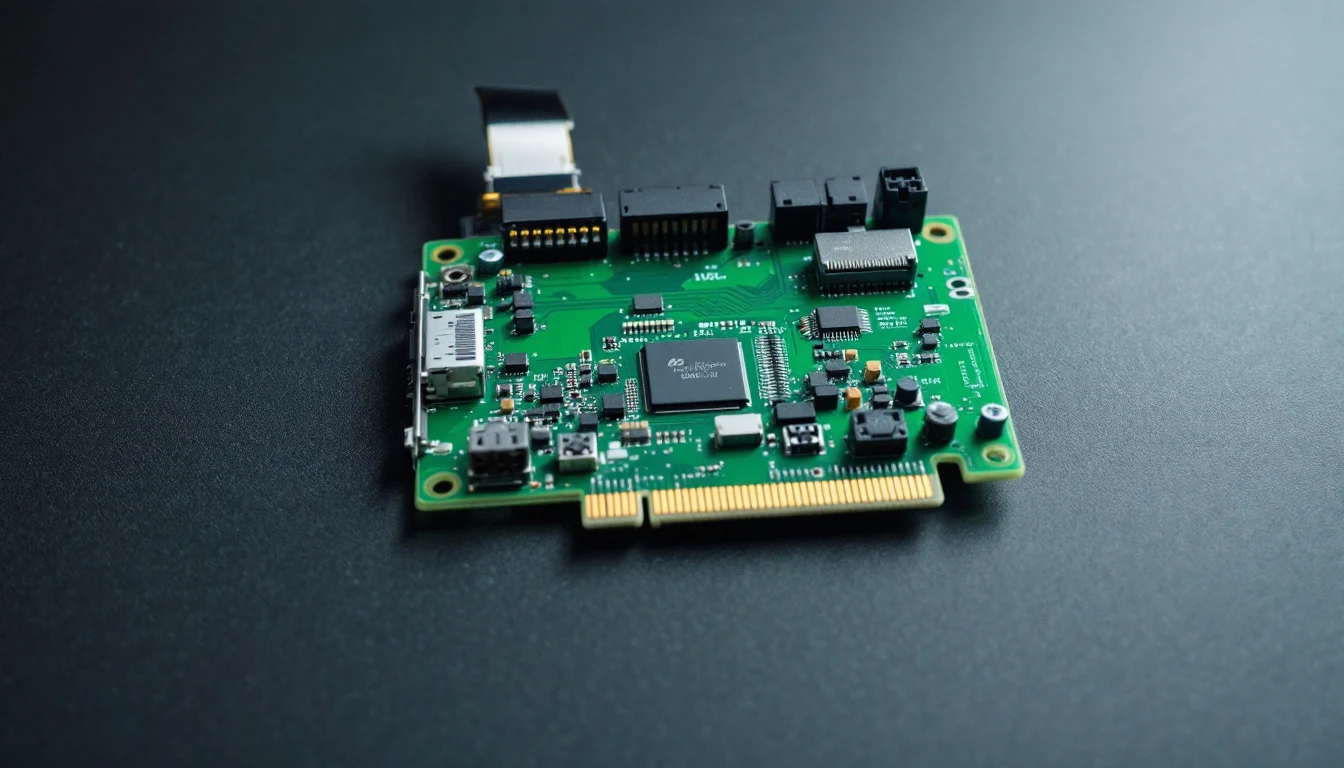
Functionally, the module is a hub. It manages exterior and interior lighting, door and window behavior, the central locking system, comfort features, and — the part that matters here — the vehicle's list of valid keys and the security handshake that authorizes starting. It talks to the rest of the car over an internal network and coordinates with other control units.
That last responsibility is why the module sits at the center of any BMW key conversation.
Why a BMW key is a module job rather than a key job
Three structural facts drive everything.
The module owns the key roster
On a FEM or BDC car, a key is not authorized by being cut correctly. It is authorized because the body-control module contains a record saying that specific key belongs to this specific vehicle. Adding a key means changing what the module knows. Removing a lost key from service means the same thing. There is no way to add or subtract a key without working through the module — which is why the phrase "just cut me a key" does not map onto these cars.
Security is layered and identity-bound
BMW binds key identity to the vehicle across more than one control unit, and the data involved is protected. This is by design and it is a good thing: it is the reason these cars are hard to steal with a key trick. The practical consequence for a legitimate owner is that the work is slower, more sensitive, and requires equipment and access that a general repair shop often does not have. The National Automotive Service Task Force (nastf.org) exists in large part to make that legitimate access possible in a vetted, audited way, and NHTSA's theft-prevention material (nhtsa.gov) explains why manufacturers keep tightening it.
Modules are configured, not just installed
If a module has to be replaced rather than reprogrammed, it does not arrive knowing anything about your car. It has to be configured to your vehicle's identity and options before the car behaves correctly. This is the single biggest reason BMW module work is diagnose-first: what needs to happen depends entirely on what the diagnostic finds, and no honest price exists before that point.
The same principle — the module holding the key list, not the key — shows up across the industry. Our Mitsubishi Outlander and Eclipse Cross immobilizer programming guide walks through the identical logic on a very different vehicle, and BMW's own earlier architecture is covered in our BMW CAS module all-keys-lost article, which is the system many owners of slightly older cars actually have.
Why it takes longer than a domestic car
A Ford truck spare key can be a thirty-minute visit. A comparable BMW job is rarely that fast, and the extra time is not padding.
Identification takes real time. Before anything else, the technician has to establish which architecture the car is on and how it is optioned. Two cars of the same model year can differ.
Diagnostics come before decisions. Reading what the vehicle reports about its own state, its module health, and its key roster is a prerequisite. Skipping it is how expensive mistakes happen.
The security sequence is deliberate. These systems are built to resist fast attacks. Some steps take as long as they take, and no technician can compress them. A car that needs a long sequence needs a long sequence.
Verification at the end is not optional. Every key gets tested — start, doors, trunk, comfort functions where fitted — before anyone calls the job done.
Plan on an appointment measured in hours rather than minutes for anything beyond the simplest case, and plan on the car staying put and accessible for that entire window. Because we are mobile-only, "staying put" usually means your driveway, your office lot, or the garage where the car is already parked, which is far less disruptive than it sounds.
What the job looks like from the customer's side
The table below is the honest structure of BMW key and module work. Note that most rows do not carry a hard number, and that is deliberate: on this platform the diagnostic determines the work, so quoting before the diagnostic would be guessing.
| Scenario | What is actually involved | Typical on-site time | How it is priced |
|---|---|---|---|
| Spare key, one working key in hand | Key added to the module's authorized roster, then verified | 1–2 hours | Within the $150–$850 key and programming band, confirmed after diagnosis |
| All keys lost | Ownership verified, vehicle identified, module-side work, key produced and authorized | 2+ hours | Diagnose first, then quote |
| Key works intermittently or stopped being recognized | Diagnosis to separate a failing key from a module or antenna fault | 30–90 minutes | Diagnostic first; repair quoted after |
| Comfort Access or remote functions not working | Diagnosis of the function rather than automatic key replacement | 30–90 minutes | Diagnostic first; repair quoted after |
| Module replacement or reconfiguration | Module configured to the vehicle's identity and options | Varies with findings | Diagnose first, then quote |
If you want a sense of where BMW sits relative to everything else before you call, our BMW key replacement cost and timeline guide covers the key side of the house in more detail.
The three calls we actually get
"I still have one key and I want a spare"
This is the best possible version of the conversation, and the reason we push spares so hard on European cars. With a working key present, the vehicle is in a known-good state and the job is the cleanest it will ever be. Every month you drive a FEM or BDC BMW on a single key, you are one coat pocket away from the expensive version.
"I have no keys at all"
This is the expensive version. Ownership verification becomes strict, the vehicle has to be identified thoroughly, and the module-side work is more involved. It is very often still doable without a tow, and it is very often still faster than a dealership appointment — but it is a diagnose-then-quote job every time, and anyone who gives you a firm price for it sight unseen is guessing.
"The car does not see my key anymore"
This one is worth diagnosing rather than solving with a purchase. A car that stops recognizing a key that used to work might have a key problem, or it might have an antenna, battery, or module problem. Buying a replacement key does not fix a car-side fault. Comfort Access complaints in particular are frequently not key failures — our BMW Comfort Access troubleshooting guide covers the common patterns.
What to have ready
- The VIN, from the door jamb or through the base of the windshield.
- Photo ID for whoever meets the technician.
- Proof of ownership — current registration, title, or an insurance card matching the ID. Leased or business-titled cars need a short written authorization; a phone photo is acceptable.
- Every key you have, including ones that no longer work.
- A vehicle with a healthy battery. Module work is sensitive to voltage, and a weak battery can turn a straightforward appointment into a complicated one.
Texas locksmiths are licensed through the DPS Private Security Program (dps.texas.gov), and asking about licensing before work begins is entirely reasonable. The FTC's consumer guidance (consumer.ftc.gov) recommends getting the scope of any repair described before you authorize it — on module work, that means understanding what the diagnostic will cost and what happens after it. Professional standards for the trade are maintained by ALOA (aloa.org).
The honest boundary, stated plainly
Here is the part some companies will not put in writing. The newest BMW chassis are not universally serviceable outside a dealer, and any shop that promises otherwise before seeing your car is overpromising. BMW continues to tighten key security with each generation, and the practical answer for a very recent vehicle depends on the exact architecture, options, and state of that specific car.
Our commitment is straightforward: a technician confirms your exact setup, tells you whether we can do the work, and quotes only after that. If the answer is that your car needs the dealer, you hear it from us directly instead of after paying for a wasted trip. That is the same standard we apply to all module work through our ECU and module programming service, and the general framework is laid out in our article on when a vehicle needs module programming rather than just a key.
Working on BMWs around Fort Worth
Because we are mobile-only, BMW module work happens where the car already is — which is convenient, because a car with no working key is not going anywhere on its own. We work driveways, apartment garages, and office lots throughout the area, including downtown near Sundance Square, around West 7th, and out through the Cultural District. Full coverage is on our Fort Worth service area page, and the general key-side service page is car key replacement.
Frequently Asked Questions
What is the FEM or BDC module in my BMW?
It is the body-control computer that manages lighting, locking, comfort functions, and the vehicle's list of authorized keys. FEM-based cars broadly began in the F-chassis era around 2013, with BDC-based cars following on later F- and G-chassis vehicles. A technician confirms which system your specific car uses rather than assuming from the model year.
Why does BMW key work cost more and take longer than on my old truck?
Because it is module work rather than key work. The module holds the roster of valid keys, the security sequence is deliberately slow to resist attacks, and identification and verification steps come before anything else. Plan on hours rather than minutes for anything beyond the simplest case.
Can you give me a price over the phone?
For a straightforward spare with a working key present, we can give you the band it falls in, and key and programming work sits within $150 to $850. For all-keys-lost or any module-side work we quote after a diagnostic, because the required work depends entirely on what the car reports.
Do I have to tow my BMW to a dealer?
Often no. Because we are mobile, the work comes to the car, which matters when the car cannot be driven. The exception is the newest chassis, where a technician confirms feasibility on your specific vehicle first and tells you honestly if the dealer is the right answer.
My BMW stopped recognizing a key that always worked. Do I need a new one?
Not necessarily, and buying one first is a common mistake. A key that suddenly stops being recognized can be a key fault, an antenna fault, a battery issue, or a module fault. Diagnosis separates those before you spend money on hardware.
Should I get a spare made while I still have one working key?
Yes, and on this platform more than most. With a working key present the vehicle is in a known-good state and the job is at its simplest and least expensive. Once no key remains, the work becomes an all-keys-lost job with a longer process and a diagnostic-first quote.
Driving a FEM or BDC-era BMW on one key, or already down to none? Call Locksmith Fort Worth at (817) 674-3595 any hour, day or night. We are mobile-only, we come to the car anywhere in the Fort Worth area, and we will tell you plainly what is and is not possible on your specific vehicle before you commit to anything. Email contact@locksmithfortworth.net with your VIN to get the conversation started.
Written by the technicians at Locksmith Fort Worth, a mobile automotive locksmith service based in 76102 and serving the Fort Worth area 24/7.