Mercedes Module & Computer Programming in Fort Worth: What Owners Should Know (2026)
Quick answer: Mercedes control modules — the ECU/ECM, TCM, BCM and their siblings — are security-linked to your specific car. A replacement module, new or used, must be married to the vehicle before it will work, and on a Mercedes that marriage is a credentialed, security-governed process. Older Mercedes (roughly late-1990s through mid-2010s) are commonly serviceable by an equipped specialist or locksmith; newer setups often need dealer-level handling — a tech confirms your exact setup first. All Mercedes module work is diagnostic-then-quote. Locksmith Fort Worth: mobile ECU & module programming, 24/7, (817) 674-3595.
As of July 2026, we field a steady stream of Fort Worth Mercedes calls that aren't about keys at all: an independent shop replaced a failed computer and the car won't accept it; a transmission module gave out on an older E-Class; a flood-damaged ML needs its electronics sorted. Mercedes owners get squeezed here — the dealership quotes big and books far out, while generic repair shops often can't touch the security side at all. This guide explains, in plain owner terms, what these modules are, why "just swap it" doesn't work on a Mercedes, and how to buy this service without getting burned.
The Modules That Matter (Owner's Version)
Your Mercedes is run by a network of computers. Three families come up constantly in module-service calls:
| Module | What it controls | What programming accomplishes |
|---|---|---|
| ECU / ECM (engine control unit) | Fuel, ignition, emissions — the engine's brain | Marries a replacement unit to your car's security system so the engine is authorized to run |
| TCM (transmission control module) | Shift behavior, torque management | Pairs a replacement with the vehicle so the drivetrain functions and communicates correctly |
| BCM / body-side modules | Locks, lights, windows, interior electronics | Enrolls the replacement so body functions and the security handshake work on your VIN |
Two owner-level truths sit behind that table.
First: on a Mercedes, key security and module security are the same system. The drive-authorization electronics that decide whether your SmartKey may start the car are woven through these modules. That's why a locksmith — a profession that lives inside vehicle security systems — is often the right kind of specialist for module-marriage problems, and why our module programming service and our key services are two sides of the same discipline.
Second: modules are married to the car, not just plugged into it. Each control unit carries coded data tied to your specific vehicle. Install a replacement — even a brand-new one — and the car treats it as a stranger: crank-no-start, warning clusters, dead functions. The marriage step is what turns a compatible part into your car's part. This is deliberate anti-theft architecture, and it works: research from the Insurance Institute for Highway Safety (IIHS) has long linked strong immobilizer-integrated electronics to lower theft rates, and motor vehicle theft remains a major property crime in FBI statistics (fbi.gov). The system that frustrates your repair is the same one protecting your car.
Why Mercedes Module Work Is Different From Mainstream Brands
Everything in our companion piece on when a car needs module programming, not just a key applies to Mercedes — plus three amplifiers:
- Deeper encryption, tighter data control. Mercedes gates its security data hard. For independent professionals in North America, legitimate access to vehicle security information runs through the National Automotive Service Task Force (NASTF) secure-data framework — the industry mechanism that lets credentialed, vetted technicians perform security work on your behalf without opening the same door to thieves.
- A real serviceability line. Older Mercedes — roughly the late 1990s through the mid 2010s — are commonly serviceable outside the dealer network by properly equipped specialists, including mobile locksmiths. Newer platforms increasingly require dealer-level or factory-connected handling. The line moves by model and module, not by one clean year, which is why the only honest pre-quote answer is: a tech confirms your exact setup.
- Higher stakes for getting it wrong. A botched module job on a Mercedes can leave the car worse off than the original fault. This is not a YouTube-and-a-cheap-dongle project; walk away from anyone who treats it as one.
The Scenarios That Bring Fort Worth Mercedes Owners to Us
The half-finished repair. An independent shop correctly diagnoses a failed engine computer on an older C-Class, installs a replacement, and hits the wall: the car cranks but won't run because the new unit was never married to the vehicle. The mechanical work was fine; the security step was missing. We complete that step where the car sits — no tow across town, which matters given how the National Highway Traffic Safety Administration (NHTSA) characterizes the risks around disabled-vehicle handling and towing.
The aging-electronics failure. Fort Worth heat is brutal on 15-to-25-year-old German electronics. When a module in the security chain degrades, every key stops working at once — owners often call us for an all-keys-lost service and the diagnostics reveal the keys were never the problem. (The reverse also happens; our ignition cylinder vs immobilizer guide helps sort the look-alikes.)
The used-module gamble. A salvage-yard module for a fraction of the new price is tempting, and on serviceable-era Mercedes it can genuinely work — if the specific unit can be married to your car. Some can, some can't. Ask before you buy the part, not after: a two-minute phone call to (817) 674-3595 with the module type and your model year can save you a wasted purchase.
Flood and electrical damage. NHTSA has repeatedly warned consumers about flood-damaged vehicles re-entering the market; on a Mercedes, water-injured electronics often surface later as maddening intermittent security faults. If you're shopping used, check history reports — and if you inherited such a car, expect module diagnostics rather than guesswork.
Why It's Diagnostic-Then-Quote — Always
You'll notice we publish firm price bands for keys ($150–$850) and ignition repair ($150–$550) but never a dollar figure for module work. On a Mercedes that's not hedging; it's the only honest structure, because until diagnostics run, nobody knows whether your symptom is:
- a module that just needs marrying to the car,
- a module that's genuinely dead and needs replacement plus programming,
- a key-side problem wearing a module costume (cheaper — see our key fob cost guide),
- or an electrical fault that belongs at a repair shop, not with a locksmith.
The Federal Trade Commission (FTC consumer guidance) has documented the bait-price pattern in this industry for years: an impossibly low phone quote, then pressure on the driveway. Flip that script — insist on diagnosis first, a written firm quote second, work third. That's how we run every module call.
Your other protections, worth using on any provider: Texas locksmiths are licensed under the Texas DPS Private Security Program — ask for license info. Expect an ID-and-ownership check before anyone touches the security system; professional bodies like the Associated Locksmiths of America (ALOA) treat verification as non-negotiable, and so do we.
What a Mobile Mercedes Module Visit Looks Like
Locksmith Fort Worth is mobile-only, 24/7, across all of Fort Worth — from a parking garage off Sundance Square to a driveway near Camp Bowie or a shop bay by the Stockyards:
- Phone triage. Model year, module involved, symptoms, and repair history. If your setup is one that genuinely needs the dealer, you hear it now — free — instead of paying for a visit that ends in a referral.
- On-site verification. Photo ID plus registration or title matching the vehicle.
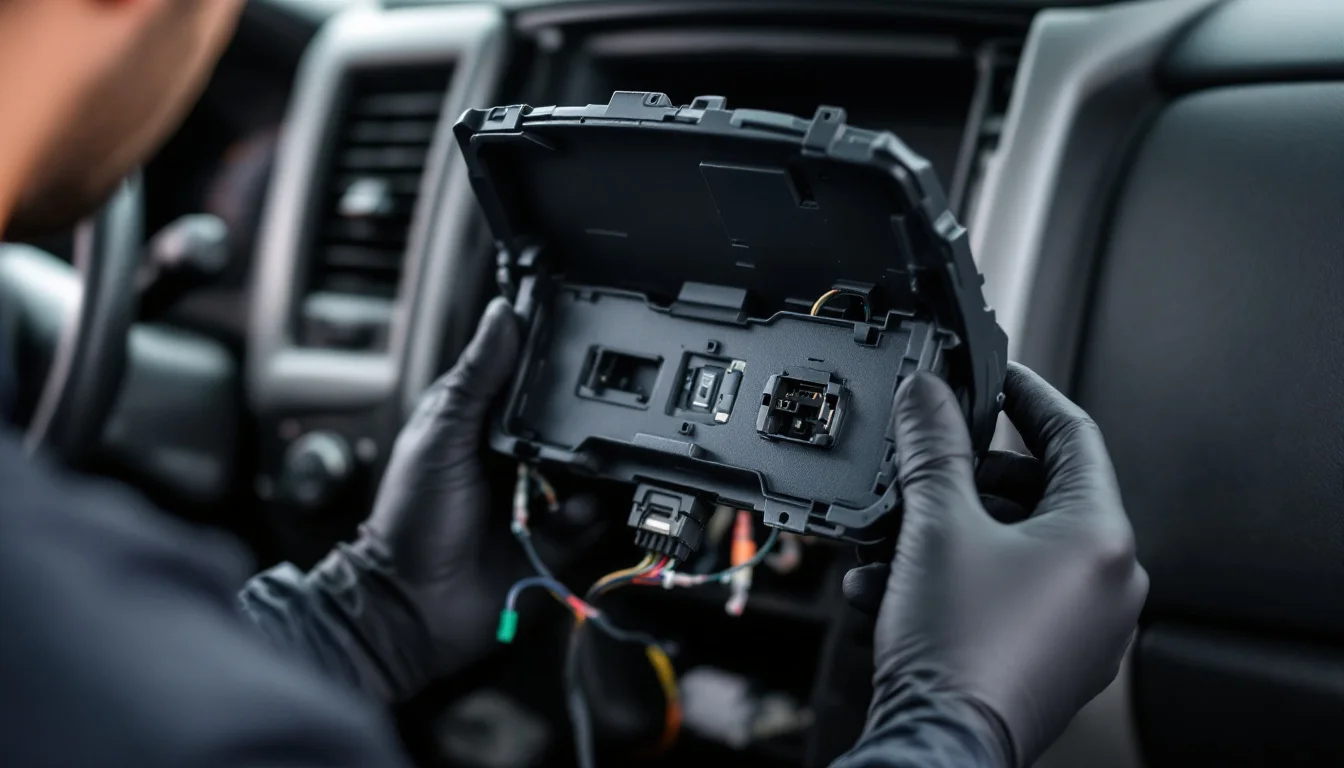
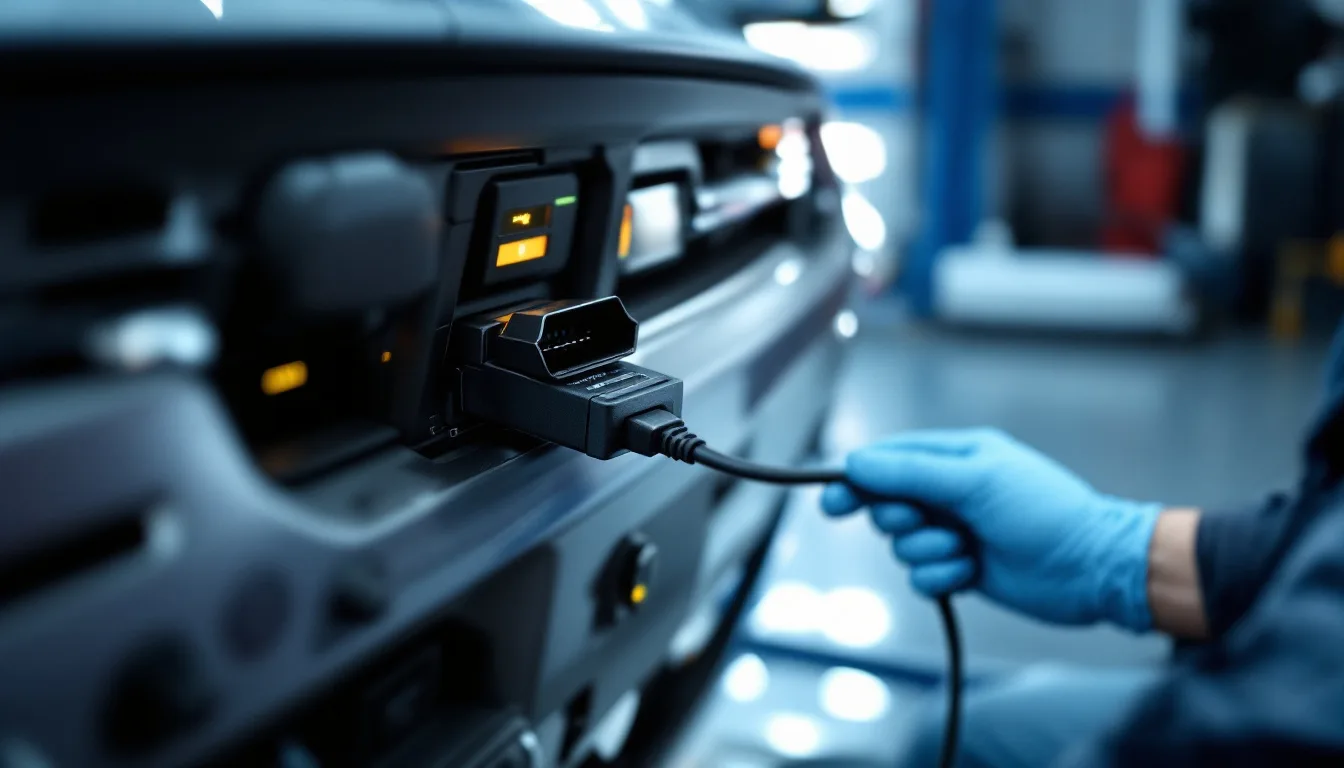
- Diagnostics. The technician reads the vehicle and identifies exactly which unit is unhappy and why.
- Firm quote, your call. Full findings, full price, before any work.
- Programming and proof. After the module is married to the car, the tech verifies starting, key recognition, and affected functions before leaving.
One preparedness note while everything works: keep two functioning keys. Module-level events are far simpler to resolve when a known-good key is present, and DHS guidance at Ready.gov already counts spare keys as basic readiness. If your Mercedes is down to one, a spare key is cheap insurance against a much more expensive week — here's the full argument.
Frequently Asked Questions
What does Mercedes module programming cost in Fort Worth?
There's no honest flat answer — Mercedes module work is diagnostic-then-quote. The price depends on which module is involved, whether it needs marrying or full replacement, and your model's serviceability. A technician diagnoses on-site and gives you a firm quote before any work begins. Key work, for comparison, runs $150-$850.
My shop replaced my Mercedes ECU and now the car won't start. Did they break it?
Probably not. A replacement ECU — new or used — must be married to your specific vehicle's security system before the car will authorize it to run. Many general repair shops can do the mechanical swap but not the security step. Completing that marriage on-site is one of the most common Mercedes module calls we take.
Can a locksmith really do Mercedes computer programming, or is this dealer-only?
It depends on the year and module. Older Mercedes — roughly late-1990s through mid-2010s — are commonly serviceable by equipped specialists working through the industry's NASTF secure-data framework. Newer platforms often need dealer-level handling. Call with your model and a tech confirms your exact setup honestly, including when the dealer is genuinely the right answer.
Will a used module from a salvage yard work in my Mercedes?
Sometimes. On serviceable-era cars, many used modules can be married to a different vehicle and it's an economical path; others are effectively locked to their original car. Ask before buying the part — a quick call with the module type and your model year tells you whether the gamble makes sense.
Every key to my Mercedes stopped working at the same time. Keys or module?
Keys rarely die in unison — simultaneous failure of all keys usually points at the vehicle side: a module or immobilizer-chain fault. Diagnostics settle it. Describe exactly what happened when you call, because the "all keys at once" detail meaningfully changes where the technician looks first.
Do you handle Mercedes module calls at night or on weekends?
Yes — Locksmith Fort Worth operates 24/7 and mobile-only across Fort Worth. A Mercedes that won't start can't drive itself anywhere, so the diagnostic equipment comes to it: home, office, or roadside. Call (817) 674-3595 or email contact@locksmithfortworth.net.