Kia & Hyundai Anti-Theft: Immobilizers, Upgrades & Key Options in Fort Worth (2026)
Quick answer: Roughly 2011–2022 Kia and Hyundai models with turn-key ignitions were widely sold without engine immobilizers, which made them disproportionately easy to steal — a pattern documented by IIHS/HLDI and addressed by NHTSA. The manufacturers released a free anti-theft software update, which is a dealer/manufacturer item — a locksmith cannot install it. What a Fort Worth locksmith can do: repair theft-damaged ignitions ($150–$550), replace and program keys and fobs ($150–$850), and get you back into a car whose column was torn apart. Push-button models have immobilizers and were never part of this problem. Call (817) 674-3595 — 24/7, mobile-only.
As of July 2026, the Kia/Hyundai theft wave is no longer front-page news, but its consequences are still parked all over Fort Worth: steering columns held together with tape, ignitions that grind, owners paying insurance surcharges on cars that were never touched. If you own a Kia or Hyundai from roughly the 2011–2022 era, this guide explains — at owner altitude, no technician jargon — what actually made these cars targets, how to check whether yours is affected, what the manufacturer's fix is and who provides it, and where a licensed mobile locksmith fits into the picture. That last part matters, because there's a lot of confusion about who fixes what.
What happened, in plain English
An engine immobilizer is an electronic anti-theft system that has been near-universal on new cars for two decades: a chip in your key must complete an electronic handshake with the car before the engine will run. Turn the ignition with anything other than a programmed key — a screwdriver, a bare blade, a USB plug — and the engine simply won't start. The National Highway Traffic Safety Administration (NHTSA) has long treated immobilizers as core theft-deterrent equipment, and insurers price around them.
Kia and Hyundai, however, sold a large share of their U.S. lineup — roughly 2011–2022 models with turn-key ignitions, disproportionately base trims — without immobilizers as standard equipment. For years nobody outside the industry noticed. Then a social-media trend publicized how quickly these cars could be started without a key, and thefts exploded. The Insurance Institute for Highway Safety and its Highway Loss Data Institute (IIHS/HLDI) published the defining research: theft claim frequencies for immobilizer-lacking Kia/Hyundai models spiked to many multiples of comparable vehicles, an outlier pattern with no modern precedent. NHTSA engaged with the manufacturers on remedies, and the FBI's national crime reporting showed motor vehicle theft surging during the same window, with these models heavily represented.
The distinction that decides everything for you as an owner: push-button start models were equipped with immobilizers and were never part of this vulnerability. If your Kia or Hyundai starts with a button, this theft method doesn't apply to your car. If it starts with a physical key you turn — read on.
How to check whether your car is affected
Three owner-level checks, no tools required:
- Ignition type. Push-button start → immobilizer present, not affected by this method. Turn-key ignition on a roughly 2011–2022 Kia or Hyundai → possibly affected, keep checking.
- Ask the source. Your dealer can confirm immobilizer status from your VIN in minutes, and both manufacturers ran VIN-lookup campaigns for the anti-theft software update. This is the definitive answer — use it rather than guessing from trim names, and be wary of secondhand "affected model lists" floating around online; equipment varied by year and trim, which is why we won't reprint one here.
- Owner's manual / window sticker. Immobilizer-equipped cars generally say so in the security section of the manual.
One more indirect signal: if your insurer has ever notified you about a theft-related surcharge, restriction, or the availability of the manufacturer update for your VIN, that's your answer too. Insurance-side responses to this wave were significant enough that HLDI tracked the update's effect on claim rates — more on that below.
The manufacturer software update — what it is and who installs it
Kia and Hyundai responded with a free anti-theft software update for most affected vehicles. In consumer terms: it changes how the car arms itself, using the key fob's lock button to engage an "ignition kill" so the popularized no-key start method won't work on an armed car, and it lengthens the alarm. IIHS/HLDI's follow-up research at iihs.org found the update meaningfully reduced theft claim frequency on updated vehicles — it's not a placebo, and if your car is eligible, you should get it.
Now the part this site is uniquely positioned to be honest about: the software update is a manufacturer/dealer item. It's installed at Kia and Hyundai dealerships (the brands have also run mobile-clinic events), free of charge, against your VIN. A locksmith — us included — cannot install the manufacturer's anti-theft software. Anyone marketing "the Kia theft software fix" outside the manufacturer channel deserves the skepticism the Federal Trade Commission encourages toward too-convenient offers; the FTC's consumer guidance on aftermarket "fixes" applies squarely here. Call your dealer, give them your VIN, get the free update. That's the whole play.
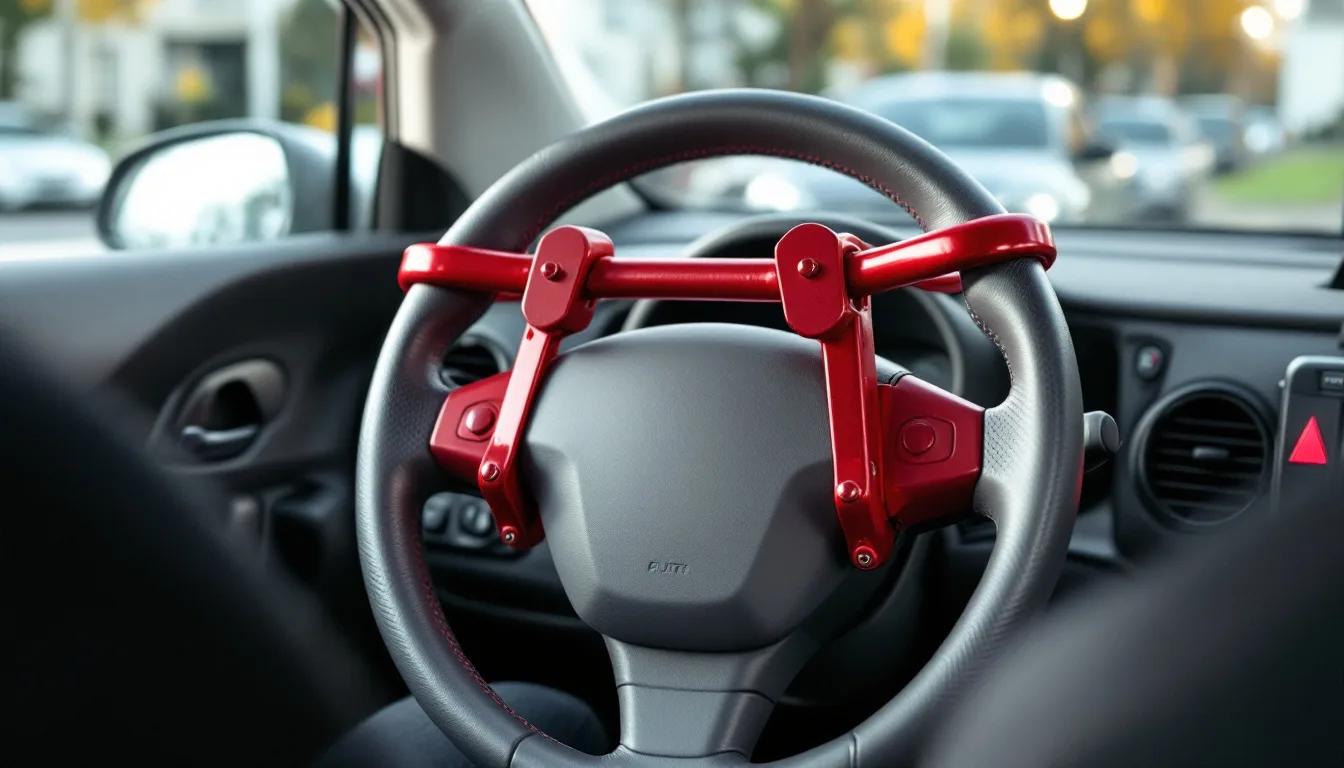
Some owners of eligible cars also add a steering wheel lock — police departments in many cities distributed them during the theft wave — and standard layered-security habits apply: lock the car, keep it lit, don't leave the title in the glovebox. The Department of Homeland Security's preparedness resources at Ready.gov make the general case that layered, boring preparation beats single dramatic fixes; vehicle security works the same way.
Where a locksmith fits: what we can and can't do
Here's the honest division of labor:
A locksmith cannot: install the manufacturer anti-theft software update (dealer item, above), or retrofit your car into a factory-immobilizer car. Claims otherwise are a red flag.
A licensed locksmith can:
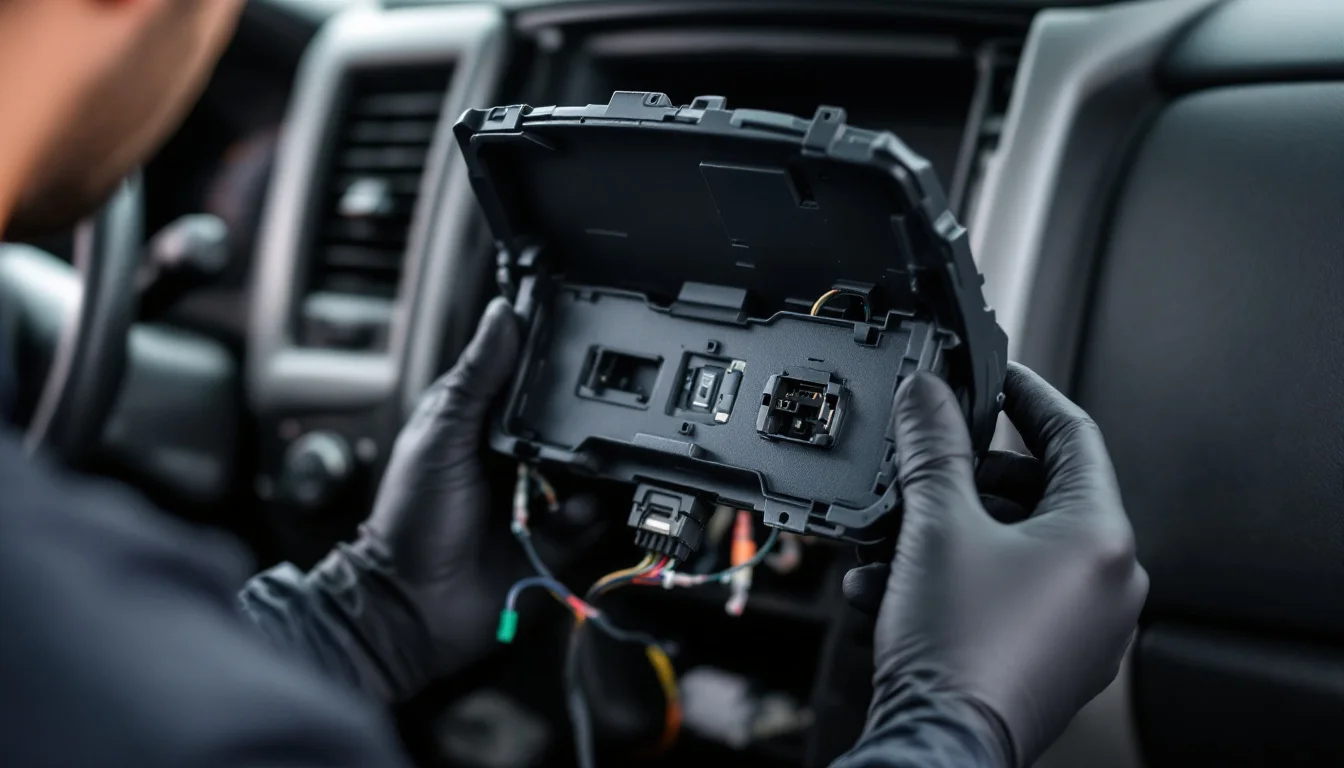
- Repair or replace theft-damaged ignitions. The signature injury of this theft method is a destroyed ignition cylinder and torn-up column. Ignition repair or replacement runs $150–$550, done mobile at your location — the car doesn't need to be towed anywhere. If your car "won't start" after an attempted theft and you're unsure whether it's mechanical or electronic, our guide to ignition cylinder vs. immobilizer faults walks the diagnosis.
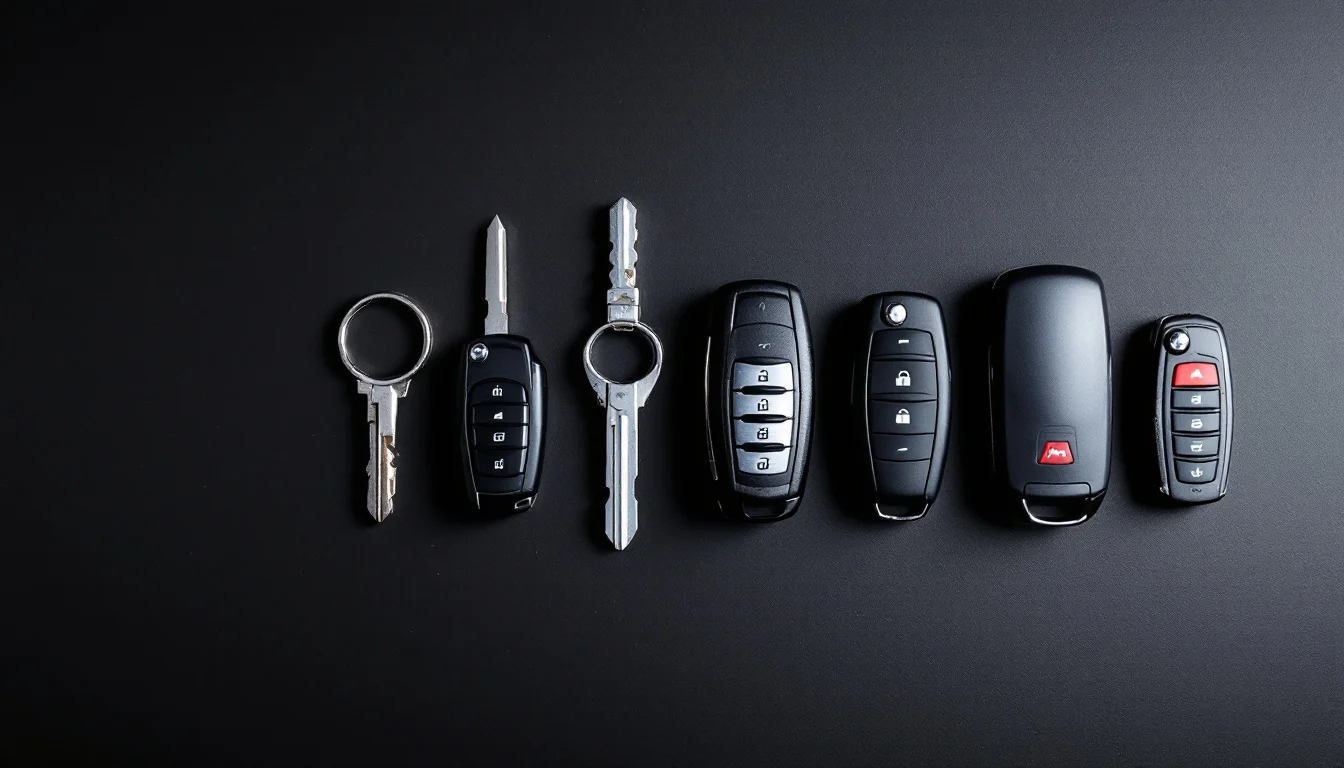
- Replace and program keys and fobs. Stolen-and-recovered cars often come back with no keys; attempted thefts sometimes leave the original key unusable in a damaged cylinder. Car key replacement — from basic blades to smart fobs — runs $150–$850 including programming, and all-keys-lost situations are handled mobile, same-day in most cases. On immobilizer-equipped models, key programming is real security work; how the chip-to-car pairing functions is explained in our car key programming guide.
- Get you back into the car. Recovered-theft cars with locked doors and no keys are an unlock-plus-rekey job, not a dealer ordeal.
- Advise honestly on your specific car. Model-by-model equipment varied enough that the only responsible answer to "what does my car need?" is: a tech confirms your exact setup. Anything module- or computer-related that surfaces during diagnosis is quoted after diagnosis, never as a phone dollar figure.
Credentials matter double on anti-theft work. In Texas, locksmiths are licensed under the Texas DPS Private Security Program (verify through the Texas Department of Public Safety), industry standards come from the Associated Locksmiths of America (ALOA), and legitimate access to vehicle security data flows through the National Automotive Service Task Force (NASTF) framework with ownership verification built in. Every one of those checks exists to ensure key-making capability stays out of exactly the hands this article is about.
Your scenario, mapped
| Model-era scenario | Risk factor | What to do |
|---|---|---|
| ~2011–2022 Kia/Hyundai, turn-key ignition, no software update yet | Highest — the publicized method targets this configuration | Get the free dealer software update (VIN lookup); consider a steering wheel lock meanwhile |
| Same era, turn-key, update already installed | Substantially reduced (per HLDI claims data) | Keep fobs healthy, keep a spare key, lock consistently |
| Same era, push-button start | Not vulnerable to this method — immobilizer equipped | Normal precautions; maintain a spare fob |
| 2023+ Kia/Hyundai | Immobilizers standard | Normal precautions |
| Car already attacked: column damaged, ignition destroyed | Damage done — now it's a repair problem | Mobile ignition repair ($150–$550) + key work as needed ($150–$850) |
| Car stolen and recovered, keys gone | Unknown key exposure | All-keys-lost service + consider rekeying so old keys die |
The Fort Worth reality check
Tarrant County saw the same pattern as every metro during the wave: rows of Kias and Hyundais in apartment lots — the West 7th corridor, complexes near Camp Bowie, student parking around the TCU area — hit repeatedly, because street-parked, older, base-trim cars are exactly the affected population. If that's your car, the priority order is: (1) dealer software update, free, this week; (2) a working spare key so a future emergency is cheap — the case is made in why a spare car key is worth it; (3) if you've already been hit, mobile ignition and key repair anywhere in Fort Worth, 24/7, without towing the car.
Locksmith Fort Worth is mobile-only — no shop, the truck comes to you — and answers around the clock at (817) 674-3595 or contact@locksmithfortworth.net, or via the contact page. We'll tell you plainly which parts of your situation are dealer items and which we can fix in your driveway today.
Frequently Asked Questions
Which Kia and Hyundai models can be stolen without a key?
Broadly, roughly 2011–2022 models with turn-key ignitions that lack factory engine immobilizers — disproportionately base trims. Equipment varied by year and trim, so don't rely on internet lists: your dealer can confirm your specific car's immobilizer status from the VIN, and push-button start models are not affected by this method.
What does an engine immobilizer actually do?
It's an electronic handshake between a chip in your key and the car. Unless a programmed key is present, the engine won't run — so forcing the ignition with a screwdriver or other object spins the lock but never starts the car. It's been near-universal equipment for about two decades, which is why these immobilizer-less models stood out.
Is the Kia/Hyundai anti-theft software update free, and where do I get it?
Yes — it's a free manufacturer update installed at Kia and Hyundai dealerships (the brands have also run mobile clinics). Call your dealer with your VIN to confirm eligibility. A locksmith cannot install this update; it's strictly a manufacturer/dealer item, and independent research has found it meaningfully reduces theft claims on updated cars.
Can a locksmith add an immobilizer to my Kia or Hyundai?
A locksmith can't turn your car into a factory-immobilizer car, and you should be skeptical of anyone claiming otherwise. What a licensed locksmith can do: repair theft-damaged ignitions ($150–$550), replace and program keys and fobs ($150–$850), and handle lockouts and all-keys-lost situations — mobile, at your location.
My ignition was destroyed in a theft attempt. Do I have to go to the dealer?
No. Ignition cylinder repair and replacement is core mobile locksmith work — $150–$550, done at your location in Fort Worth without a tow. If the attempt also damaged your key or you no longer trust who has copies, key replacement and programming ($150–$850) can be done in the same visit.
My car was stolen and recovered. What should I do about keys?
Treat every pre-theft key as potentially compromised. An all-keys-lost service establishes fresh keys against the vehicle's security system with ownership verification, and rekeying the door locks kills any physical copies floating around. On immobilizer-equipped models, reprogramming means old chipped keys no longer start the car.
References
- Insurance Institute for Highway Safety / Highway Loss Data Institute — Hyundai and Kia theft research and software-update effectiveness
- National Highway Traffic Safety Administration (NHTSA) — vehicle theft prevention and manufacturer remedies
- FBI — motor vehicle theft statistics
- Federal Trade Commission — consumer protection
- FTC Consumer Advice — evaluating aftermarket fixes and offers
- DHS Ready.gov — layered preparedness principles
- Associated Locksmiths of America (ALOA) — professional standards
- National Automotive Service Task Force (NASTF) — vehicle security professional framework