Chrysler & Dodge Module (PCM) Programming in Fort Worth: When a Key Isn't Enough (2026)
Quick answer: If your Chrysler or Dodge won't start even with a correctly programmed key — or a shop replaced a computer module and the vehicle now refuses to recognize it — the fix is usually module-level programming, not another key. Because the right repair depends on which module is involved and what the diagnostics show, module work is always diagnostic-then-quote: a tech confirms your exact setup before any price is set. Locksmith Fort Worth handles ECU and module programming mobile, across Fort Worth, 24/7 — call (817) 674-3595.
As of July 2026, a growing share of the "my car won't start" calls we take in Fort Worth turn out not to be key problems at all. The key is fine. The chip is fine. What's failed — or what was replaced and never properly set up — is one of the vehicle's computer modules. Chrysler and Dodge vehicles from the transponder and FOBIK eras are especially prone to this scenario now that many are 10–20 years old. This guide explains, in plain owner language, what these modules do, how to tell a key problem from a module problem, and what to expect from module-level service.
The Cast of Characters: PCM, BCM, and the Immobilizer
Modern vehicles — and "modern" here reaches back well into the 1990s — are run by a network of small computers. Three matter most for starting problems:
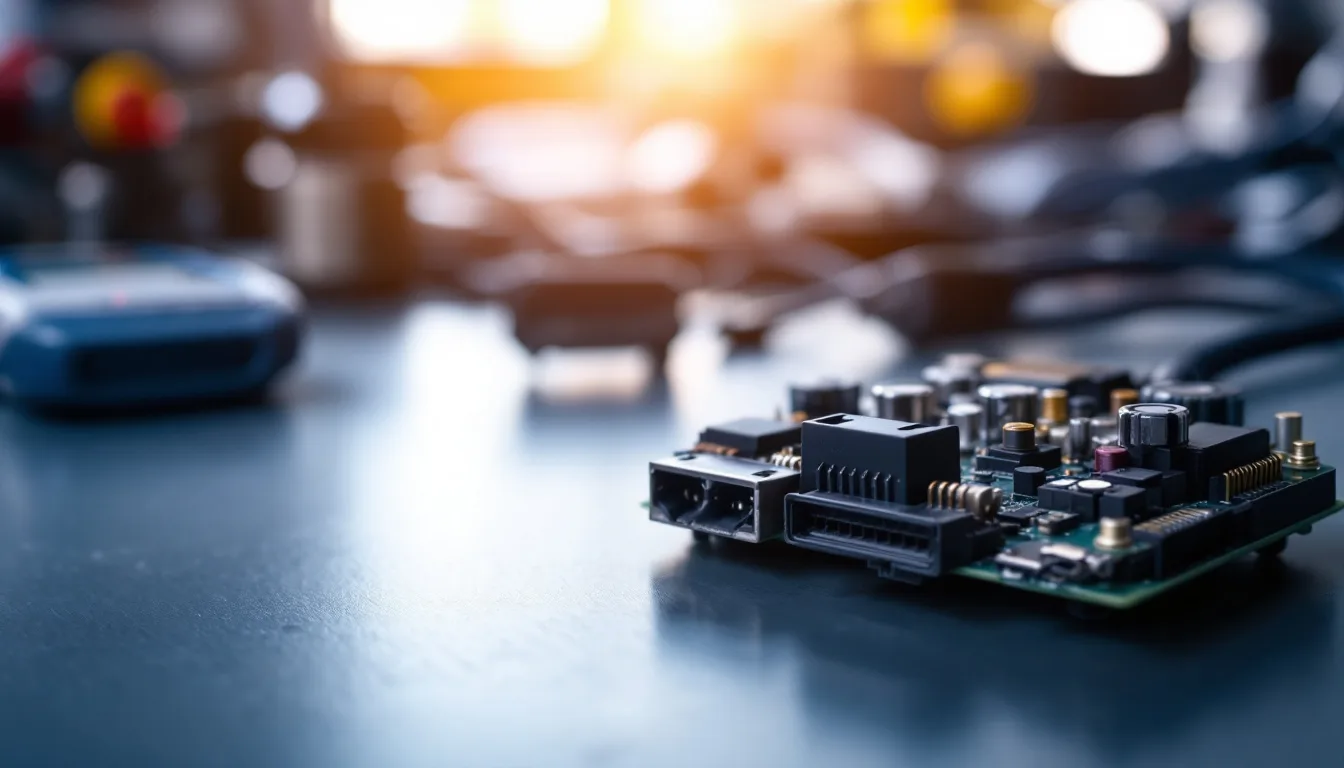
- PCM (Powertrain Control Module). The engine's main computer. It manages fuel, spark, and transmission behavior, and it will not run the engine unless the security system tells it the key is legitimate.
- BCM (Body Control Module). Handles body electronics — locks, lights, wipers — and on many Chrysler-family vehicles participates in the security handshake.
- The immobilizer. Chrysler's system has historically carried the SKIM name (Sentry Key Immobilizer Module); on FOBIK-era vehicles the wireless ignition node (WIN) is part of the picture. Whatever the badge, its job is the same: verify the key's transponder, then authorize the PCM to start the engine.
The design principle to hold onto: these modules are security-linked to each other and to your specific vehicle. They exchange coded data so a module pulled from a junkyard donor — or a brand-new one from a parts counter — won't simply plug in and work. It must be programmed to your vehicle before the security chain closes and the engine runs. Vehicle-security data access for this kind of work is managed for licensed professionals through the National Automotive Service Task Force (NASTF) — the industry framework that lets credentialed locksmiths and technicians do legitimate security work without weakening anti-theft protections.
Key Problem or Module Problem? How to Tell
You can't diagnose this from the driver's seat with certainty — that's what the diagnostic visit is for — but the pattern of symptoms points one way or the other:
| Symptom you're seeing | Likely key-level fix | Likely module-level fix |
|---|---|---|
| Lost or broken key; car was fine before | New key cut and programmed | — |
| Security light flashes with a known-good, previously working key | Sometimes key re-programming | Immobilizer/module fault — diagnose first |
| Shop replaced the PCM/BCM and now it cranks but won't run | — | New module needs programming to the vehicle |
| Key turns, no crank at all, no security light | — | Could be electrical/starter, not locks — diagnose |
| One key works but the spare stopped working | Re-program or replace the spare | — |
| No key works, security light on, keys undamaged | — | Module or immobilizer fault — diagnose first |
| Used/junkyard module installed, vehicle acts confused | — | Module must be married to this VIN's security data |
Two honest caveats. First, some no-starts are neither keys nor modules — a dead battery, a failed starter, a bad fuel pump. A good technician rules those out rather than selling you programming you don't need. Second, worn ignition hardware can mimic security failures on older Dodges; ignition repair is its own service at $150–$550, and our guide to ignition cylinder vs immobilizer faults walks through the differences.
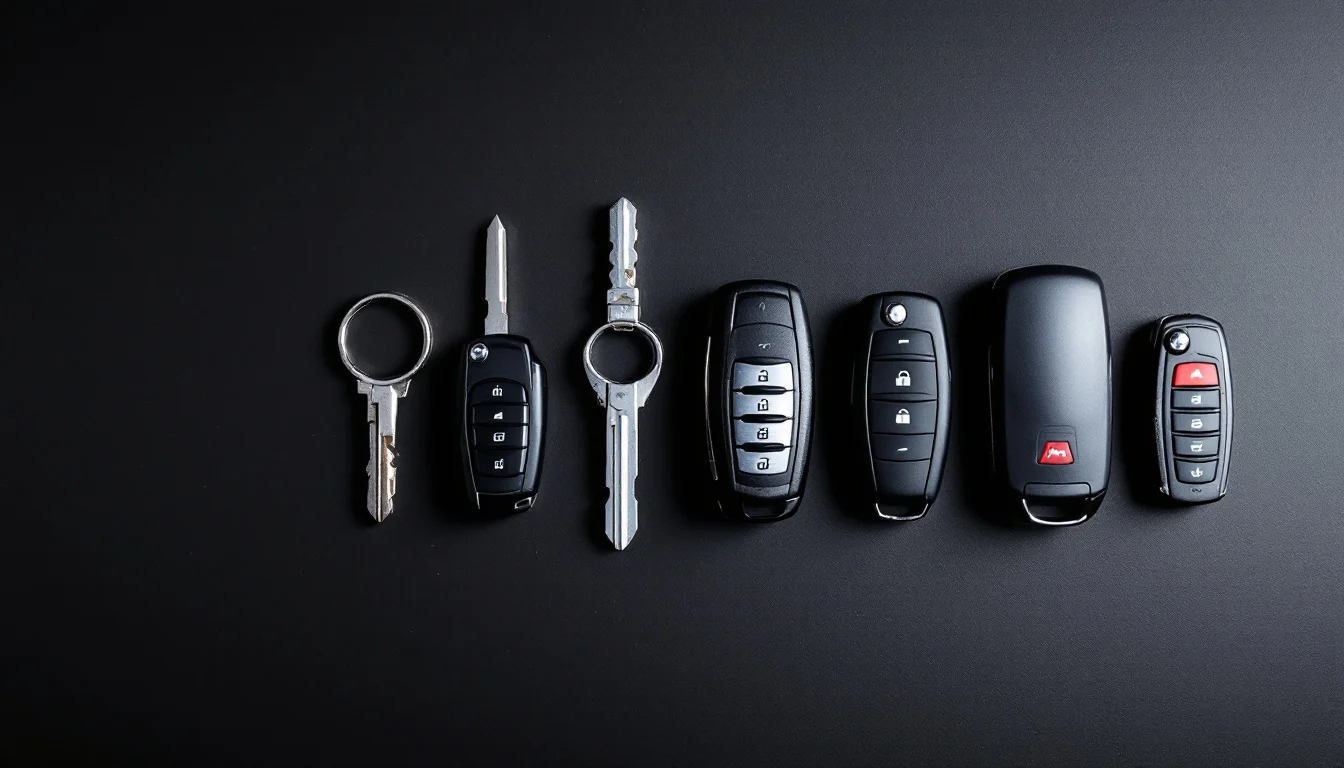
If your situation is clearly key-side — lost keys, broken blade, dead fob — start instead with car key replacement or, if nothing survives, all-keys-lost service.
The Common Chrysler/Dodge Module Scenarios We See
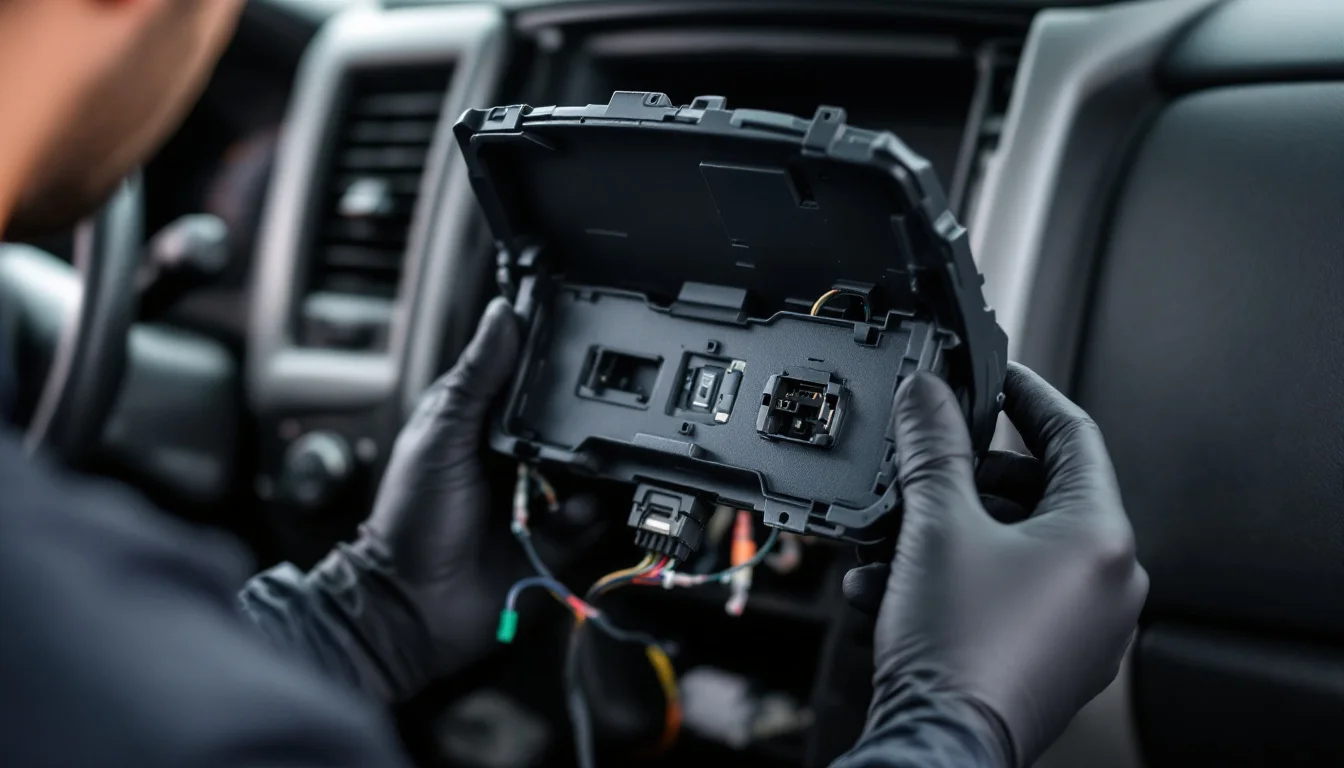
1. A replaced module that was never programmed. This is the classic. An engine shop swaps a failed PCM on a Dodge truck, the mechanical work is perfect, and the truck cranks endlessly without firing. Nothing is "broken" — the new PCM simply hasn't been introduced to the vehicle's security system, so the immobilizer refuses to authorize it. Programming closes the loop.
2. Security-system faults on aging vehicles. FOBIK-era Chryslers and Dodges are now well into their second decade. Modules fail with age, heat, and vibration — Texas summers are not gentle on electronics. When the immobilizer side fails, every key you own stops working at once, which owners often misread as "all my keys went bad simultaneously." Keys rarely fail in unison; modules do.
3. Used or salvage modules. Owners sometimes source a junkyard module to save money. That can work — but only once the module is properly married to the receiving vehicle. Until then, expect a no-start or a dashboard full of warnings.
4. Water, jump-start, and electrical damage. A flooded floorboard or a botched jump start can take out a module. Per the National Highway Traffic Safety Administration (NHTSA), flood-damaged vehicles are a recurring consumer hazard — if you're buying a used Chrysler or Dodge, check its history, because inherited electrical gremlins often surface as security-system faults months later.
Why Module Work Is Diagnostic-Then-Quote (and Should Be)
You'll notice we publish clear price bands for key work — $150–$850 for keys, fobs, and key programming; $150–$550 for ignition repair — but not for module programming. That's deliberate, and you should be suspicious of anyone who quotes module work sight-unseen.
Here's why. Until a technician connects to the vehicle and reads what's actually happening, nobody knows whether your no-start is:
- a key that lost its programming (inexpensive),
- an immobilizer fault (moderate),
- a module that needs programming to the vehicle (varies by module),
- a failed module that needs replacement and programming (parts plus labor), or
- not a security problem at all (starter, battery, wiring — a referral, not a locksmith job).
Quoting before diagnosing would mean either padding every quote to cover the worst case or lowballing to win the call and renegotiating on your driveway. The Federal Trade Commission's consumer guidance (FTC) warns specifically about that second pattern in the locksmith industry. So the honest structure is: the technician diagnoses first, tells you exactly what your vehicle needs, and gives you a firm quote before any module work begins — a tech confirms your exact setup, then you decide.
For a broader look at this topic across brands, see when a car needs module programming, not just a key.
What a Mobile Module Visit Looks Like in Fort Worth
Locksmith Fort Worth is mobile-only — no shop, we come to the vehicle, 24/7, anywhere from the Cultural District to Alliance Town Center. A typical module programming call runs:
- Phone triage. You describe the vehicle, the symptoms, and any recent work (module replaced? jump start? flood?). This alone often narrows the diagnosis.
- Ownership verification on arrival. Photo ID and registration or title. Texas locksmiths operate under the Texas DPS Private Security Program, and verifying ownership before touching a vehicle's security system is both required practice and your protection — a standard the Associated Locksmiths of America (ALOA) reinforces industry-wide.
- Diagnostics. The technician reads the vehicle's systems to identify which module — if any — is at fault and whether it needs programming, repair, or replacement.
- Firm quote. You hear exactly what's wrong and exactly what the fix costs. Nothing proceeds without your approval.
- The work, then verification. After programming, the technician confirms the vehicle starts, the security light behaves, and your keys all function.
Because a vehicle in this state can't be driven, mobile service isn't just convenient — it saves the tow a dealership visit would require.
Protecting Yourself Going Forward
Three habits worth adopting, all cheap compared to a stranded vehicle:
- Keep two working keys. If a module event ever forces reprogramming, having both keys present simplifies everything. If you're down to one, add a spare now — here's the case for it. Household preparedness guidance from DHS's Ready.gov makes the same point about spare keys generally.
- Mention module history when you call any locksmith or shop. "The PCM was replaced last year" changes the diagnostic starting point and saves you money.
- Use licensed providers for anything security-related. Vehicle theft remains a significant property crime per FBI reporting (fbi.gov), and the module/immobilizer layer is exactly what protects your car. Only let credentialed, DPS-licensed professionals into it.
Frequently Asked Questions
What does PCM programming cost in Fort Worth?
Module work is diagnostic-then-quote — there's no honest flat price, because the cost depends on which module is involved and what the diagnostics reveal. A technician confirms your exact setup on-site and gives you a firm quote before any work begins. Key-level work, by contrast, has a published range of $150-$850.
My mechanic replaced my Dodge's PCM and now it cranks but won't start. Why?
Almost certainly because the new module hasn't been programmed to your vehicle. The PCM participates in the anti-theft handshake, and until it's married to your vehicle's security system, the immobilizer won't authorize the engine to run. This is one of the most common module calls we take, and it's fixable at your location.
Do I need the dealer for Chrysler or Dodge module programming?
Not necessarily. Licensed locksmiths with the right credentials access vehicle security functions through the industry's NASTF secure-data framework — the same governed channel dealers rely on. A mobile technician can handle many Chrysler/Dodge module scenarios on-site; where a specific job genuinely requires dealer-only resources, an honest tech tells you that at the diagnostic stage instead of guessing.
How do I know it's a module and not just a bad key?
Pattern is the clue: one key failing while another works points to the key; every key failing at once, a persistent security light, or trouble right after a module swap points to the vehicle side. But confirmation takes diagnostics — that's exactly why module work is quoted after the tech reads the vehicle, not before.
Can you program a used or junkyard module to my car?
Often, yes — many used modules can be married to a different vehicle, and it can be an economical repair path. But it depends on the specific module and vehicle, so the answer for your car comes from the diagnostic visit. Bring it up when you call so the technician arrives prepared.
Is mobile module programming available after hours?
Yes. Locksmith Fort Worth runs 24/7 across all of Fort Worth. A no-start that strands you at night doesn't have to wait for business hours, and because we're mobile-only there's no tow to arrange — the equipment comes to the vehicle.