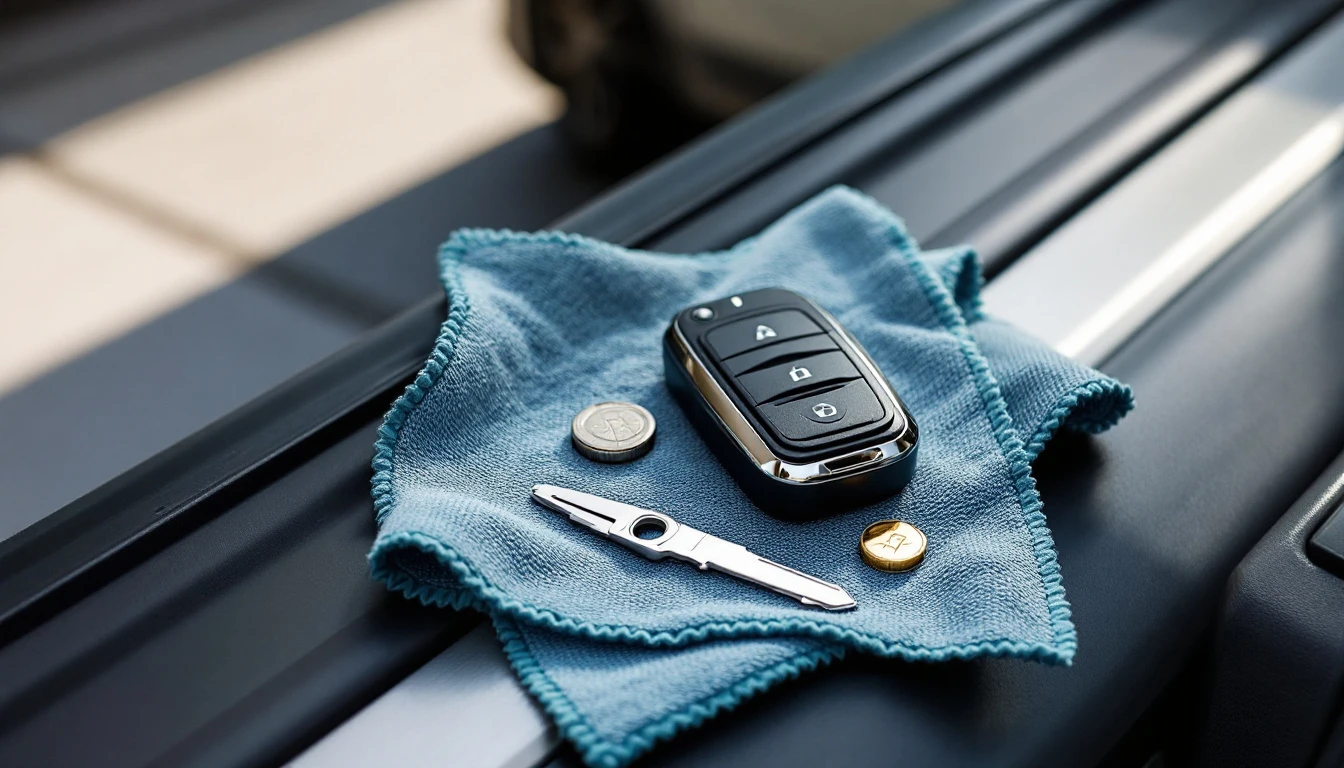
Chevrolet Cruze & Trax Ignition Repair in Fort Worth: Why the Key Won't Turn (2026)
Quick answer: Ignition work on a Chevrolet Cruze or Trax in Fort Worth typically runs $150–$550 in 2026, done at your location. A cylinder rebuild or rekey on a Cruze sits near the low end, a full cylinder-and-switch replacement lands in the middle, and a job that also needs a fresh key programmed to the car reaches the top. The first job is figuring out whether the problem is mechanical, electrical, or anti-theft — those are three different repairs. Call (817) 674-3595 and describe exactly what the key does.
As of July 2026, the Cruze and the Trax are two of the most common Chevrolets we get called out to in Tarrant County, and the calls follow a pattern. Nobody phones us the first time the key feels stiff. They phone us three weeks later, when the key stops turning entirely in a parking garage downtown, or when the car cranks perfectly but refuses to start with a security light blinking on the cluster. Those are two completely different failures wearing the same costume, and the difference between them is the difference between a straightforward curbside repair and a diagnostic job.
This guide walks through how the ignition system on these two cars is built, how to read the symptom you are actually experiencing, what each repair path costs in Fort Worth this year, and what a technician does when they arrive.
Three systems hiding behind one keyhole
When people say "my ignition is bad," they are describing one of three different components that all live in the same place on the steering column. Understanding which one you are dealing with saves real money.
The lock cylinder: the mechanical half
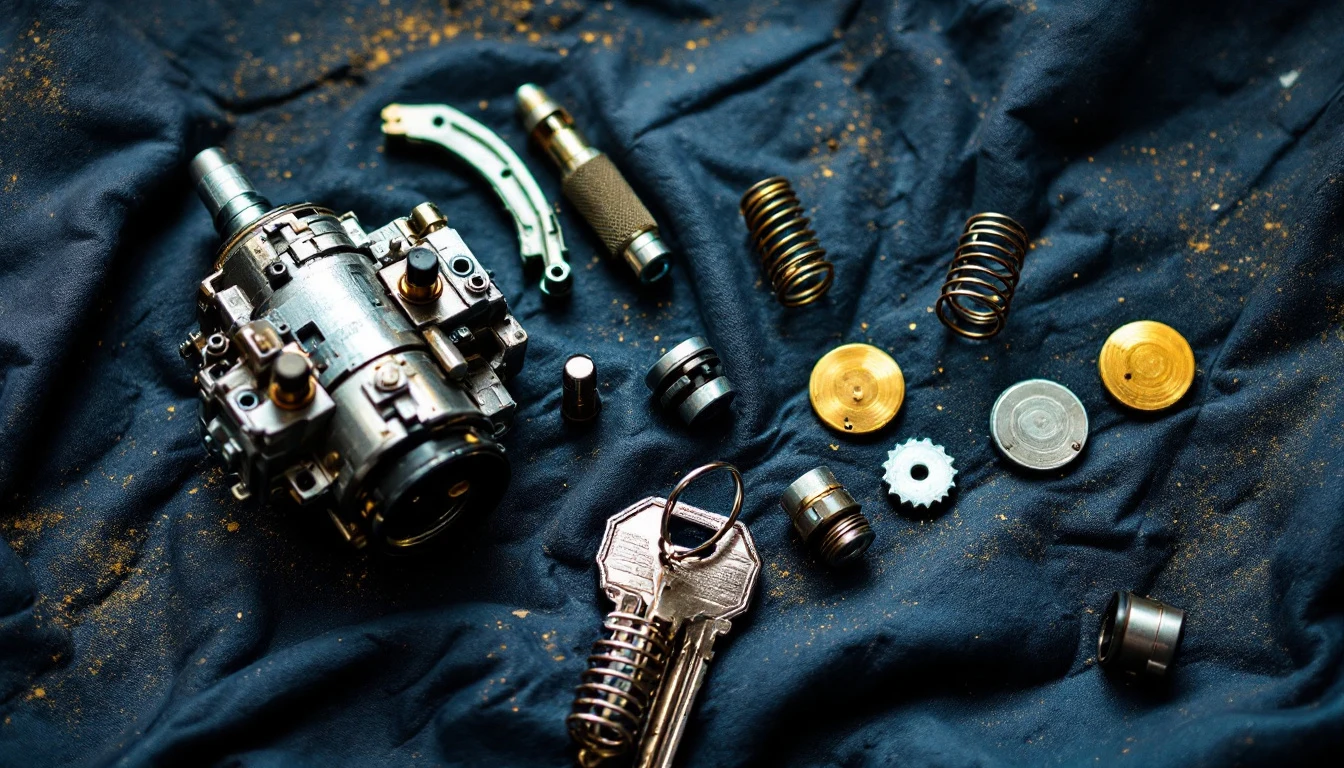
The cylinder is the brass-and-steel part your blade slides into. Inside are spring-loaded wafers that must all line up before the plug will rotate. Every turn drags metal across metal, so cylinders wear — faster when the key carries a heavy ring, or when the blade has been duplicated from a duplicate until its cuts are shallow.
Compact Chevrolets are hard on cylinders for a mundane reason: they are commuter cars started three or four times a day, so a Cruze with 140,000 miles has been cycled tens of thousands of times. The classic wear symptom is a key that has to be jiggled, lifted, or held at a particular angle before it will rotate — the cylinder telling you it has months left, not years.
The ignition switch: the electrical half
Behind the cylinder sits the electrical switch — the part that closes circuits as the cylinder rotates through accessory, run, and start. It is a separate component and it fails separately. The signature is different: the key turns freely through all its positions, but the car does not respond. Dash lights flicker or die in one position, accessories cut out when the column is bumped, or the starter never engages despite a strong battery.
A cylinder problem is something you feel in your hand. A switch problem is something you see on the dashboard while your hand feels nothing unusual. That single distinction sorts most calls before we ever arrive.
The anti-theft system: the electronic half
Neither of the two components above has anything to do with whether the car recognizes your key as legitimate. That job belongs to the immobilizer. On these platforms the key carries a transponder that has to be authenticated before the engine control module will allow fuel and spark. If authentication fails, the engine cranks with perfect enthusiasm and simply never fires, and a security or key icon typically appears on the cluster.
This is the failure that gets misdiagnosed most often, because "the car won't start when I turn the key" sounds like an ignition problem to anyone who is not standing next to it. Older GM compacts also carried a resistor-based anti-theft arrangement whose quirks we covered in our Chevy security light and Passlock guide, and the general sorting logic lives in our article on ignition cylinder faults versus immobilizer faults.
Reading your own symptom in sixty seconds
Before you call anyone, run through this. It costs nothing and it changes the quote.
Try the spare key, if one exists. If the spare turns smoothly when the daily key does not, the daily key is worn and the cylinder may be fine — a much cheaper outcome. If both keys behave identically, suspect the cylinder.
Check whether the steering wheel is under load. A wheel resting against a curb puts pressure on the column lock, and the key will not rotate until you rock the wheel gently while turning. On the Trax in particular, we get called for this and find nothing wrong with the vehicle at all.
Watch the cluster. Full dash illumination followed by a strong crank and no start points toward fuel, spark, or anti-theft — not toward the ignition hardware. A dead or flickering dash in the run position points at the switch. No response at all, with a key that will not move, points at the cylinder. And intermittent dropouts that come and go with bumps almost always mean a switch or a connector.
What ignition repair costs in Fort Worth (2026)
Every figure below is the all-in mobile price for work performed where the vehicle sits. Your exact number depends on model year, trim, whether a working key survives, and whether the repair is mechanical or electronic.
| Ignition repair path | What it addresses | Fort Worth price (2026) | Typical on-site time |
|---|---|---|---|
| Cylinder rebuild or rekey to existing key | Worn wafers, sticky rotation, key jiggling | $150–$290 | 45–75 min |
| Cylinder replacement, keeps original key | Cylinder past rebuild, blade still good | $210–$390 | 60–90 min |
| Cylinder plus new cut and programmed key | Cylinder failed and the key is worn or lost | $260–$480 | 75–120 min |
| Ignition switch replacement | No crank, flickering dash, accessory dropouts | $220–$470 | 60–120 min |
| Broken key extraction only | Blade snapped in the cylinder | $150–$250 | 20–45 min |
Two notes on that table. First, a rebuild is genuinely cheaper than a replacement and it is often the right call — if the cylinder is worn but not damaged, rekeying it to a freshly cut blade restores normal feel for far less money. Second, anti-theft and module-side faults are deliberately absent from the table. That work is diagnose-then-quote, because until a technician reads what the car is reporting, nobody honestly knows whether the answer is a key, a connection, or a module.
What we actually see on each car
Chevrolet Cruze
The Cruze is the higher-mileage vehicle of the pair in our service area, and mileage is the whole story. The most frequent call is a key that has to be wiggled into a sweet spot; the second most frequent is a key that snapped because the driver forced a cylinder that was already telling them no. Broken blades are a routine extraction job — see our broken key extraction guide — and they are entirely preventable if the sticky key gets addressed first.
The other Cruze pattern is the no-start with a healthy crank, which owners describe as "the ignition went out." Almost always it is not the ignition hardware; it is the car declining to authenticate the key, and the fix is a key or a security relearn rather than a column teardown.
Chevrolet Trax
The Trax skews newer and its calls skew electronic. Remote and fob complaints are far more common than raw cylinder wear — a fob that stopped locking the doors, remote start that quit responding, a spare bought online that never took. That is programming work, not ignition work, and it belongs with the process described in our Chevy remote start and key fob programming guide.
When a Trax does present a genuine ignition complaint, it more often turns out to be switch-side: accessories dropping out, or an intermittent no-crank a driver has learned to work around by jiggling the column. Those are worth fixing before they strand somebody, because intermittent electrical faults do not improve on their own.
Interestingly, the same three-way sort applies across brands. We wrote the identical diagnostic logic for a different platform in our Nissan Sentra and Versa ignition repair guide, and the symptom-reading section there transfers cleanly to a Chevy owner standing in a parking lot with a key that will not move.
Rebuild or replace: what happens curbside
When a technician arrives for an ignition job on a Cruze or Trax, the sequence is consistent. Ownership gets verified first. Then the fault gets confirmed rather than assumed: key feel, dash behavior, crank behavior, and the security indicator all get checked, because the fix for each is different.
If the cylinder is the problem and it is intact, the path is disassembly, inspection of the wafers and plug, and either a rebuild keyed to a newly cut blade or a straight replacement. Rekeying the new cylinder to your existing key is often possible, which spares you new keys for the doors. If the switch is the problem, the electrical component behind the cylinder is replaced and the column is reassembled and tested through every position. If the fault turns out to be electronic — the immobilizer refusing a key, or a module not communicating — the job changes lanes into diagnostic-and-quote territory, and our ECU and module programming service is the right heading for it.
All of this happens on-site. Our ignition repair service is mobile, which matters more than it sounds: a car with a dead ignition cannot be driven to a shop, so the alternative is a tow plus a shop rate plus a wait.
Have these ready before we arrive
Photo ID for whoever meets the technician, and proof the vehicle is yours — registration, title, or an insurance card matching the name on the ID. Legitimate access to factory key and security data runs through the National Automotive Service Task Force's vetting program (nastf.org), and verification is the whole point of it. Texas locksmiths operate under the DPS Private Security Program (dps.texas.gov), and you are entitled to ask about licensing before work starts.
Also bring the VIN — driver-side door jamb sticker, or through the base of the windshield — plus every key you own, including broken ones. A surviving key often shortens the job and lowers the bill. And describe the symptom precisely on the phone: "the key turns but nothing happens" and "the key will not turn at all" send a technician out with different parts.
Where we stop guessing
Newer model years and higher-security variants deserve an honest caveat. Some later GM platforms drop the keyed cylinder entirely for push-button start, which changes the failure modes completely — that lane is covered by our push-to-start smart key service. And where a no-start traces to a control module rather than a key or a cylinder, nobody can responsibly quote a flat number over the phone. A technician confirms your exact setup and quotes the actual work before touching anything.
We would rather lose ten minutes on the phone talking you out of an unnecessary repair than sell you a cylinder you did not need. The Federal Trade Commission's consumer guidance (consumer.ftc.gov) makes the same point about estimates and scope, and it applies to locksmiths as much as to body shops.
Serving Fort Worth, wherever the car died
We are mobile-only, based in 76102, and we run 24/7. Cruze and Trax ignition calls reach us from everywhere in the Fort Worth service area — apartment lots near the TCU area, garage decks around Sundance Square, and shopping-center parking off Camp Bowie. Because the work happens where the car is, a failed ignition never has to become a tow bill.
Frequently Asked Questions
Why won't my key turn in my Chevy Cruze?
Most often the lock cylinder is worn, the key blade is worn, or the steering wheel is loaded against the column lock. Try rocking the wheel gently while turning the key, and try a spare key if you have one. If the spare turns smoothly, the daily key is the problem; if neither turns, the cylinder likely needs a rebuild or replacement.
How much does Chevrolet ignition repair cost in Fort Worth?
In 2026 ignition work on a Cruze or Trax generally runs $150 to $550 all-in from a mobile locksmith. A cylinder rebuild sits near the bottom, cylinder replacement with a new programmed key lands in the middle, and ignition switch replacement reaches the upper part of that range.
My Trax cranks but won't start. Is that the ignition?
Usually not. A strong crank with no start and a security or key icon on the cluster points to the anti-theft system refusing to authenticate the key, not to the ignition hardware. That is a key or security relearn issue, and it is diagnosed before it is quoted.
Can the ignition be repaired without replacing my keys?
Often yes. If the cylinder is rebuilt or a replacement cylinder is rekeyed to your existing blade, your current keys keep working on the doors and the ignition. That is usually the least expensive path when the key itself is still in good shape.
Do I have to tow the car to a shop?
No. Ignition cylinder and switch work on these vehicles is done at your location — driveway, workplace lot, or parking garage. Mobile service exists precisely because a car with a dead ignition cannot be driven anywhere.
What paperwork do you need before starting work?
Photo ID for the person on-site plus proof of ownership — registration, title, or an insurance card in the same name. That verification is standard practice for licensed locksmiths and it protects you from someone else having a key made to your car.
Stuck in a parking lot with a key that will not turn? Call Locksmith Fort Worth at (817) 674-3595 any hour. We are mobile-only, we come to the vehicle anywhere in the Fort Worth area, and we diagnose before we quote. Email contact@locksmithfortworth.net if it is not urgent.
Written by the technicians at Locksmith Fort Worth, a mobile automotive locksmith service based in 76102 and serving the Fort Worth area 24/7.