Subaru Crosstrek and Ascent Immobilizer Module Programming in Fort Worth (2026)
Quick answer: If your Subaru Crosstrek or Ascent cranks but will not start and the security light is misbehaving, the fault is either the key or the immobilizer control unit — and telling those apart is the whole job. Key-side fixes are straightforward and priced in the $150–$850 range depending on key type. Module-level work is different: a technician confirms your exact setup with a diagnostic scan and quotes before any work happens, because a replacement immobilizer unit has to be married to the vehicle. Mobile service across Fort Worth, 24/7, at (817) 674-3595.
As of August 2026, Subarus are a fixture of the Fort Worth landscape — Crosstreks in TCU-area apartment lots, Ascents in school pickup lines out toward Alliance. They are reliable vehicles, and when one of them refuses to start with a perfectly good key in hand, owners understandably assume the key broke. Sometimes it did. Sometimes the problem sits one layer deeper, in the control unit that decides whether any key is acceptable. This guide is written for the owner standing next to the car, not for a technician with a wiring diagram, and its goal is to help you describe the symptom accurately enough that the right fix gets ordered the first time.
What the immobilizer control unit actually does
Every Crosstrek since the model line arrived in the U.S. for 2013 and every Ascent since its 2019 launch carries an electronic immobilizer. The system has three parts a customer needs to know about.
The key or fob holds a credential — a transponder chip in a bladed key, or an encrypted exchange in a push-button-start fob.
The antenna or receiver picks up that credential. On bladed cars it is a ring around the ignition cylinder; on push-button cars it is a set of antennas around the cabin.
The immobilizer control unit is the referee. It holds the list of keys the vehicle trusts, compares what the antenna heard against that list, and then tells the engine control unit whether starting is permitted. If the referee says no, the starter still spins and the engine never fires.
That third component is the one this article is about. It is a computer with the vehicle's identity written into it, and that identity is why it cannot simply be swapped like a headlight bulb.
Reading the security light
Subaru's security indicator is your cheapest diagnostic tool. Three behaviors matter.
A brief blink at key-on, then nothing, and the engine starts. Normal. The system checked and approved the key.
A slow, steady blink with the vehicle off and locked. Also normal on most cars — the immobilizer advertising that it is armed. This alarms a lot of owners who have never noticed it before, usually after they start paying attention for other reasons.
Rapid or continuous flashing while the engine cranks and will not catch. This is the fault condition. The immobilizer refused authorization. Everything below is about narrowing down why.
One important negative: if the engine does not crank at all — no starter motor, just a click or silence — that is far more likely to be a battery, starter, or neutral-safety issue than an immobilizer problem. Immobilizers block fuel and spark, not the starter.
Symptoms that point at the module rather than the key
Here is the practical logic we use on every Subaru no-start call.
All keys rejected. This is the single strongest indicator. If you have two keys and both are refused, the odds that both failed the same week are very low. A shared component — the antenna, the wiring, or the immobilizer unit — is the more likely culprit. If one key works and the other does not, you have a key problem, and that is a much simpler day.
A known-good key stops working with no event. A key that started the car yesterday morning and is rejected this morning, with no drop, no water, no battery change, points toward the vehicle side.
The fault appeared after electrical work. A dead battery, a rough jump start, an aftermarket remote-start or alarm installation, or a stereo job that involved tapping into vehicle wiring can all disturb the immobilizer circuit. This is one of the most common paths to a genuine module-side fault on Subarus.
The vehicle previously had a used or salvage module fitted. If any control unit was replaced with a second-hand part that was never properly matched to the vehicle, the immobilizer can reject everything even though the keys themselves are fine.
Communication faults on a scan. A diagnostic scan that cannot reach the immobilizer unit at all, or that returns immobilizer communication codes, moves this firmly out of key territory.
By contrast, these point at the key: one key works and another does not; the fob only responds at very close range; the fault started right after the key was dropped, washed, or chewed; or you recently bought a cheap online copy that was never properly programmed. Those are ordinary car key replacement jobs, and they are the more common outcome.
Symptom triage
| Symptom | Is it the key | Is it the module | Next step |
|---|---|---|---|
| One key starts the car, the other is rejected | Very likely | Unlikely | Replace and program the failed key, $150–$850 by key type |
| Every key is rejected, engine cranks, security light flashing | Unlikely | Likely | Diagnostic scan first, then quote after the tech confirms the setup |
| No-start started right after a dead battery or jump start | Possible | Possible | Scan to see whether the immobilizer lost sync or a component faulted |
| No-start after an aftermarket alarm or remote-start install | Unlikely | Likely, or the added wiring | Scan and inspect the added circuit before touching keys |
| Push-button Ascent reports no key detected, one fob only | Very likely | Unlikely | Fob battery first, then replace and register the fob if needed |
| Key turns hard, sticks, or must be jiggled | No, mechanical | No | Ignition cylinder inspection, ignition work runs $150–$550 |
| Engine does not crank at all, no security light activity | No | Unlikely | Battery, starter, or safety switch — not an immobilizer call |
| Vehicle had a used control unit fitted previously | Unlikely | Likely | Confirm which module was swapped, then quote after diagnosis |
Key-side rows carry a price band because key work is predictable. Module rows deliberately do not — those are diagnosed first and quoted after.
Why a replacement immobilizer has to be married to the vehicle
This is the concept that surprises most owners, and it explains both the cost structure and the timeline.
The immobilizer control unit is not a generic part. Once fitted and configured, it carries the vehicle's identity and the list of keys that vehicle trusts. A unit pulled from another Crosstrek in a salvage yard still carries that car's identity. Bolt it in and you have two components that disagree about which vehicle they belong to, and the engine control unit sides with neither.
So a replacement unit has to be married to the vehicle — configured with the correct vehicle data and re-linked to the engine control side and to your keys. Depending on the model year and what exactly failed, this can also mean re-registering every key you own afterward, since the new unit starts with an empty trust list.
Two practical consequences. First, "I found a cheap used one online" rarely saves what owners hope it saves, because the configuration labor is the same either way and some used units cannot be re-married at all. Second, the work is genuinely module and ECU programming, not key cutting, and it is scoped after a diagnosis rather than from a price list. The same principle applies across makes — our Hyundai Tucson immobilizer module guide describes the identical marrying step on a Korean platform, and our Mercedes ESL and EIS guide shows how much more involved it becomes on a European system where the steering lock is part of the security chain.
Diagnose first, then quote
We do not publish a dollar figure for immobilizer module work, and we would be suspicious of anyone who does. The reason is simple: until a technician has scanned your specific vehicle, nobody knows whether the answer is a lost synchronization that costs almost nothing to correct, a failed antenna, a damaged wiring harness from an aftermarket install, or a control unit that genuinely needs replacing and marrying.
What we can commit to is the sequence.
- Confirm the symptom. Cranks-but-no-start with a flashing security light, or something else entirely.
- Prove ownership. Photo ID plus registration, title, or an insurance card showing the VIN in a matching name. This is required for any security work.
- Test the key hypothesis first. Try every key you have. Check fob batteries on the Ascent and push-button Crosstrek trims. Rule out the cheap answer before pursuing the expensive one.
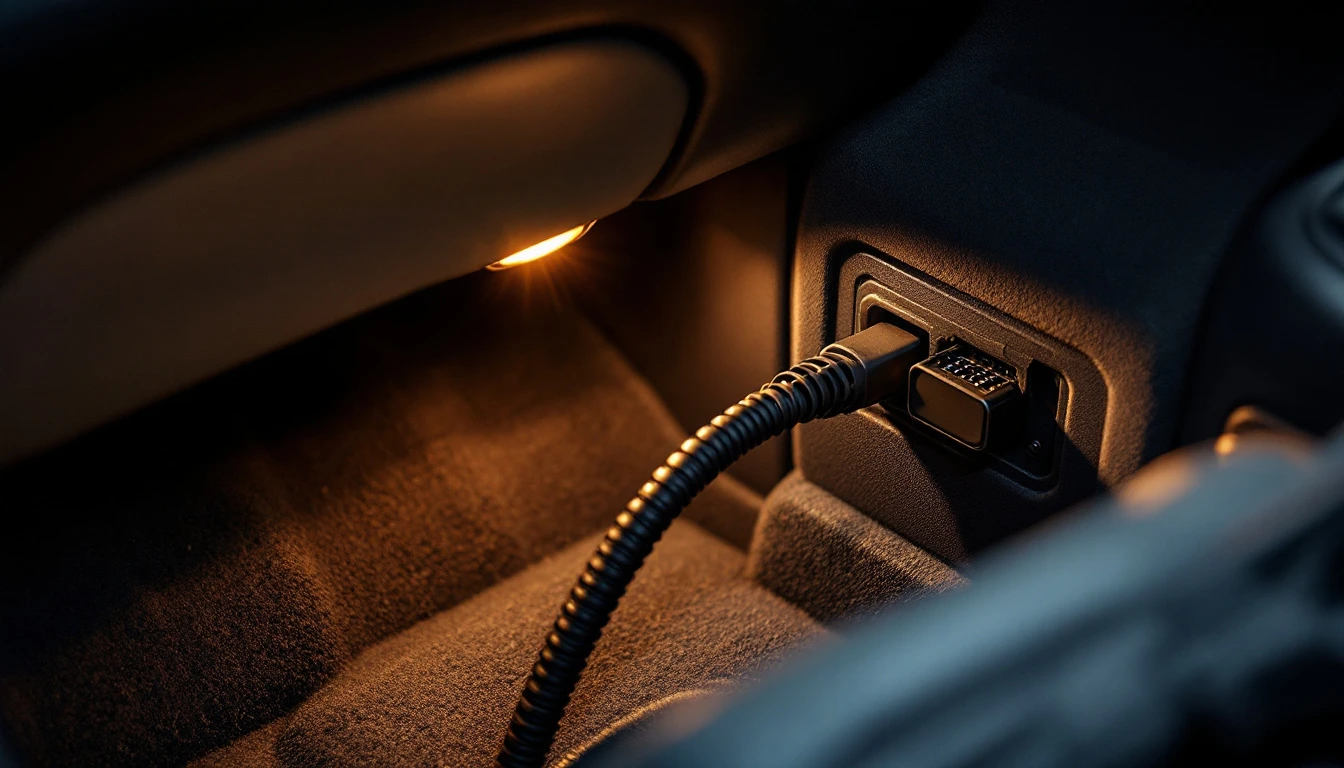
- Scan the vehicle. Read immobilizer and engine-management codes through the diagnostic port and check whether the immobilizer unit is even communicating.
- Quote. A technician confirms your exact setup and gives you a number before any work begins. If the fix turns out to be key-side after all, you get the key price and everyone goes home early.
The FTC's consumer guidance on vehicle repair (consumer.ftc.gov) makes the general version of this point — authorize a diagnosis, then authorize the repair, and get the scope in plain language in between. Immobilizer faults are a textbook case, because the cheap outcome and the expensive outcome present with an identical symptom.
What we will not do
We will not sell you an immobilizer delete or bypass so the Subaru starts without security. Disabling the immobilizer removes the feature that makes the vehicle hard to steal in the first place — NHTSA (nhtsa.gov) has pushed theft-prevention standards in this direction for decades, and Insurance Institute for Highway Safety research (iihs.org) has repeatedly tied immobilizer adoption to lower theft rates. Beyond the theft exposure, a defeated immobilizer creates insurance and resale problems that outlast whatever you saved.
We also will not do security work without ownership verification. Legitimate access to Subaru security data runs through the National Automotive Service Task Force's Vehicle Security Professional program (nastf.org), which audits those transactions, and Texas locksmiths are licensed under the Texas DPS Private Security Program (dps.texas.gov). Credentialing through ALOA Security Professionals Association (aloa.org) is a further sign you are dealing with a trained automotive specialist rather than a dispatcher.
Locksmith Fort Worth is mobile-only, based in 76102, and available 24/7 at (817) 674-3595 or contact@locksmithfortworth.net. We come to the vehicle across the whole city, including the TCU area and everywhere else on our Fort Worth coverage page. If your Crosstrek or Ascent is cranking and refusing to start, describe the security light and how many keys you have tried — that one sentence usually tells us which half of this article you are in.
Frequently Asked Questions
How do I know if it is my Subaru key or the immobilizer module?
Try every key you own. If one starts the vehicle and another does not, the failed key is the problem and a replacement solves it. If every key is rejected while the engine cranks and the security light flashes, the fault is on the vehicle side and needs a diagnostic scan before anything is replaced.
Why does the immobilizer control unit have to be married to the car?
Because it stores the vehicle's identity and the list of keys that vehicle trusts. A unit taken from another Subaru still carries the other car's data, so it has to be configured with your vehicle's information and re-linked to the engine control side and your keys before anything will start.
What does immobilizer module work cost on a Crosstrek or Ascent?
There is no flat price, and any quote given before a scan is a guess. A technician confirms your exact setup and then quotes before any work begins, because the same symptom can mean a lost synchronization, a failed antenna, damaged wiring from an aftermarket install, or a control unit that needs replacing and marrying.
My Subaru started fine until the battery died. Is the module broken?
Not necessarily. Power interruptions during a dead battery or a rough jump start can knock immobilizer components out of synchronization without damaging anything. A scan will show whether it is a sync issue that can be corrected or an actual component failure.
Can a mobile locksmith do this, or does the car have to go to a dealer?
A licensed automotive locksmith with current tooling can diagnose the immobilizer and carry out a great deal of this work at the vehicle. Some outcomes are outside key-and-immobilizer scope and belong with a repair shop — the technician tells you which category you are in rather than starting work and discovering it later.
Can you just disable the immobilizer so my Subaru starts?
No. Bypassing or deleting the immobilizer removes the vehicle's core anti-theft protection, can conflict with insurance terms, and creates resale problems. A reputable licensed locksmith fixes the key or the failed component instead of disabling the security system.
References
- NHTSA — National Highway Traffic Safety Administration
- IIHS — Insurance Institute for Highway Safety
- NASTF — National Automotive Service Task Force, Vehicle Security Professional program
- FTC Consumer Advice — vehicle repair
- Texas DPS — Private Security Program
- ALOA Security Professionals Association