After-Hours Car Key Emergency in Fort Worth: Cost & Response (2026)
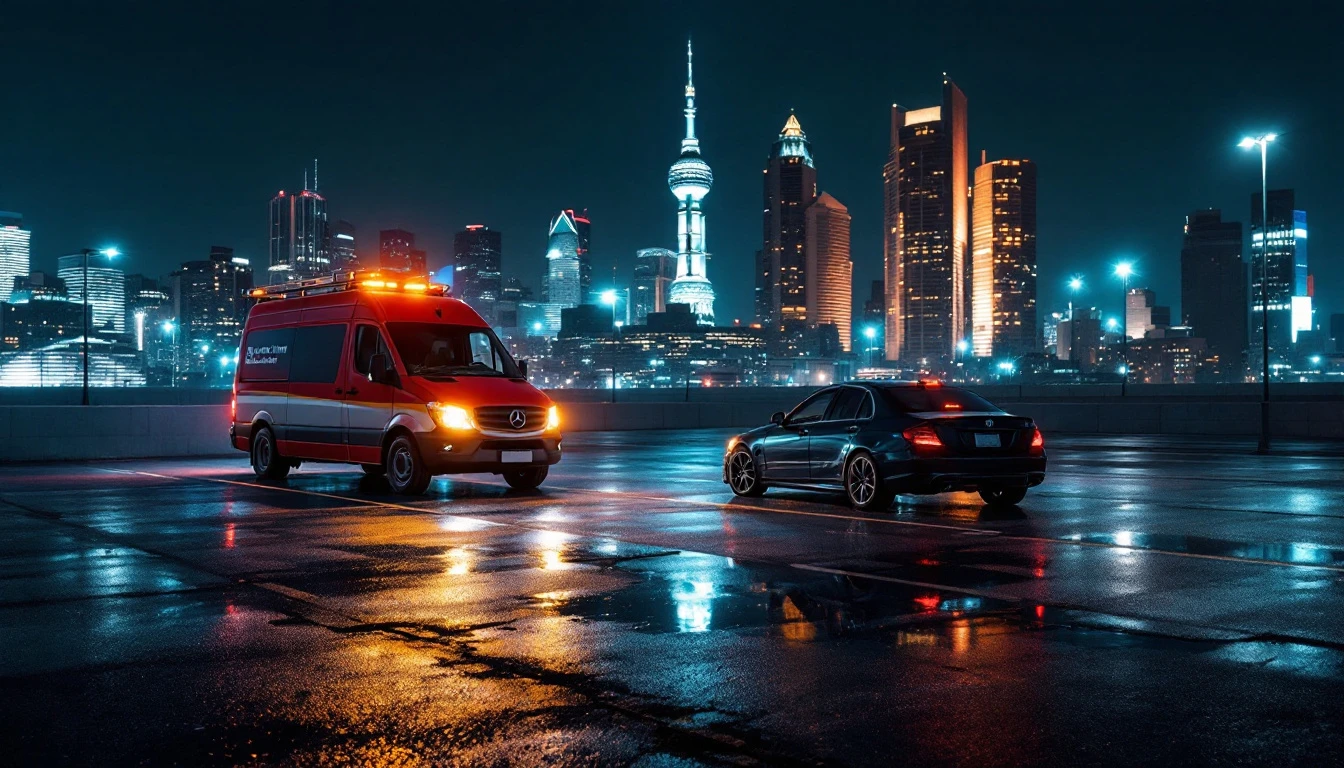
Quick answer: An after-hours car key emergency in Fort Worth falls in the same $150–$850 band as daytime key work, with nights, weekends, and holidays carrying an after-hours premium on top of the base job. How fast someone reaches you depends on where the vehicle is sitting, traffic and weather at that hour, what the job requires, and how many calls are already in progress — no honest company promises a fixed arrival time sight-unseen. We are mobile-only and answer 24/7 at (817) 674-3595.
As of July 2026, roughly a quarter of the automotive calls we take across Fort Worth come in outside normal business hours: a key that went into a storm drain on Bluff Street, a fob that stopped working in a hotel garage at 1 a.m., a truck at a job site whose only key snapped off in the ignition before dawn. Cars do not check the clock before they strand you, and the practical question in that moment is always the same two-parter — what is this going to cost, and how long am I standing here.
This guide answers both as honestly as they can be answered, then covers the part most emergency pages skip: what is genuinely doable at the curb in the dark versus what has to wait for daylight or a tow, how to stay safe while you wait, and the specific information you can gather in the next two minutes that will meaningfully shorten the visit.
What an after-hours automotive call costs
The base job costs what the base job costs. A key is a key whether it is noon or midnight, and the $150–$850 replacement band applies around the clock:
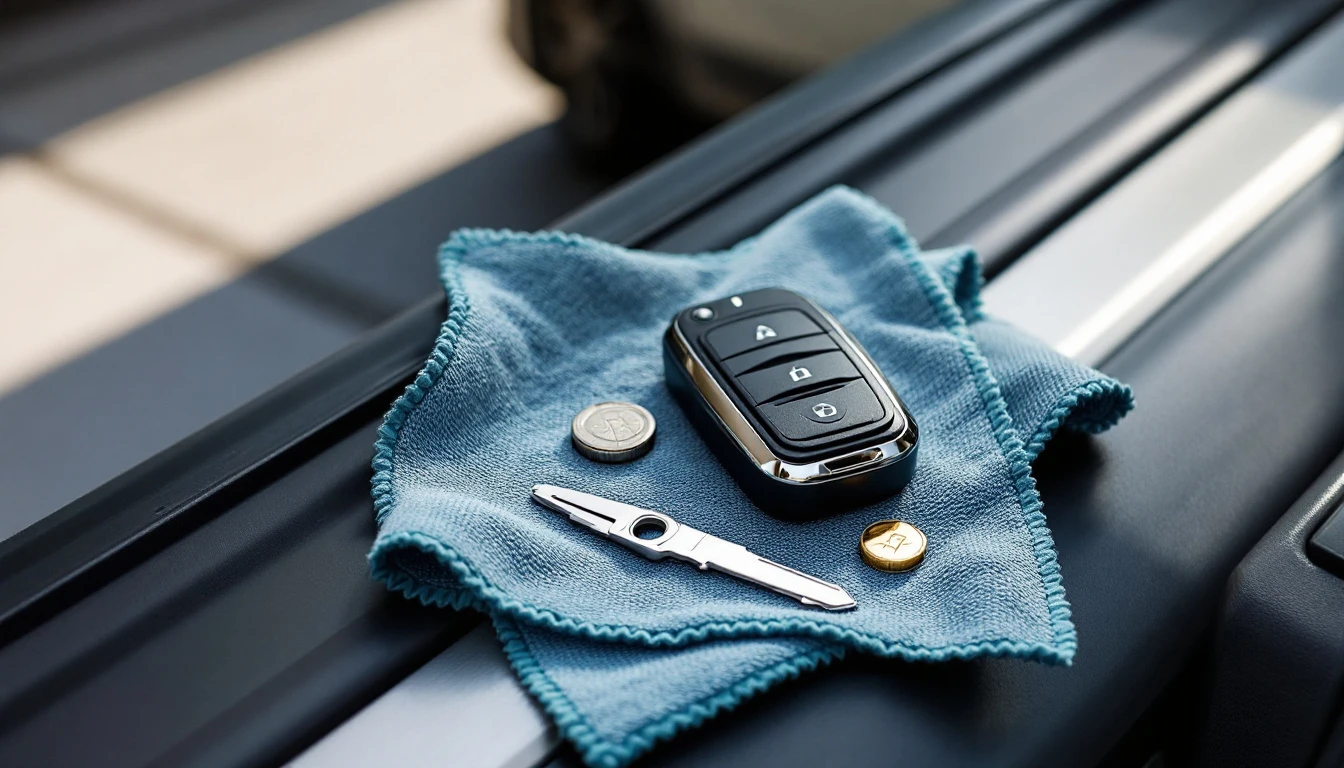
- Chipped transponder key — typically $150–$300 cut and programmed at your vehicle.
- Remote-head or flip key — typically $200–$450.
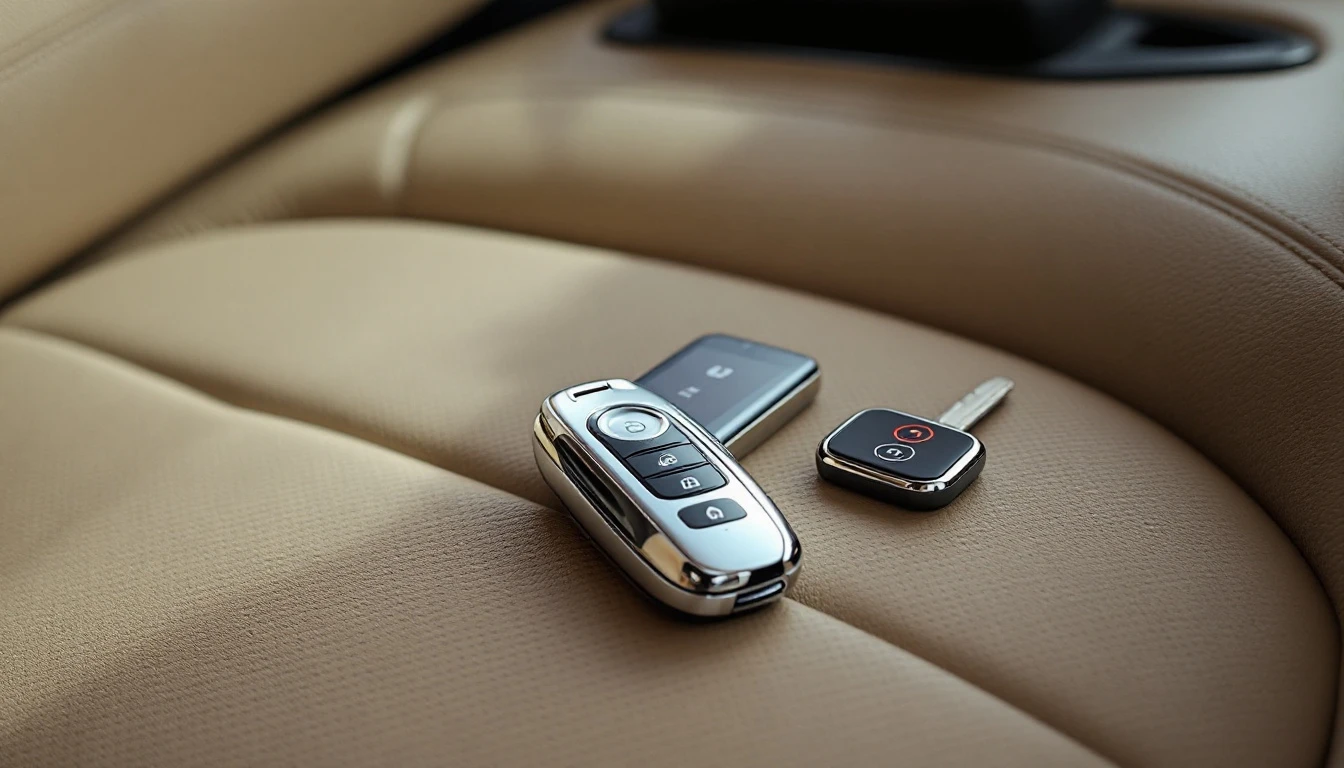
- Push-to-start proximity fob — typically $300–$700, and toward the top of the band on premium European vehicles. Our Audi key replacement cost guide is a good look at what pushes a European job to the upper end.
- All keys lost — the most involved version, up to $850 depending on make and security architecture.
- Broken key extracted from an ignition, ignition cylinder repair or replacement — generally $150–$550 depending on the vehicle.
On top of that, after-hours work carries a premium. That is standard across every trade that answers the phone at 3 a.m., and it reflects real cost: a technician awake and rolling at an hour when nobody else is. What matters is that the premium is disclosed on the phone as part of a quoted range, not sprung on you when someone is already standing at your window. The Federal Trade Commission's auto repair guidance (consumer.ftc.gov) applies squarely here — agree on the price before work begins.
A specific warning about this exact scenario, because late-night stranded drivers are the primary target: the FBI (fbi.gov) has documented a consumer fraud pattern where a very low advertised service-call rate turns into a large cash-only demand once someone is at your vehicle. Signs you are dealing with a real company: a realistic range quoted on the phone, a named business, a marked vehicle, a technician who asks for ID and proof of ownership, and card payment accepted. Texas locksmiths are regulated under the Texas DPS Private Security Program (dps.texas.gov), and you can ask about licensing before anyone touches the car.
What is realistically doable at 2 a.m.
Not everything that can be done in daylight can be done at the curb overnight, and it is better to know that before you call. Here is the honest breakdown.
| Situation at 2 a.m. | Doable curbside overnight? | What it depends on |
|---|---|---|
| Locked out, keys visible inside the car | Usually yes | Vehicle make, lock design, accessible parking |
| Locked out, keys genuinely lost | Usually yes, plus a new key | Whether a key can be cut and programmed on site |
| Broken key snapped in the door or ignition | Usually yes | How deep the break is and cylinder condition |
| Fob will not start a push-to-start car | Often yes | Fob battery versus a deeper immobilizer fault |
| All keys lost, mainstream make | Usually yes | VIN code access and programming time |
| All keys lost, premium European or very new model | Sometimes | Capability confirmed against exact year and trim |
| Suspected module or immobilizer failure | Diagnosis yes, full repair often no | Parts availability and how deep the fault runs |
| Vehicle in a locked garage or towed to an impound lot | No, not until access is granted | Facility hours and site permission |
A few notes on that table. Lockouts are the most reliably solvable overnight job — the tools and technique are the same at midnight as at noon, and no parts are involved. If keys are sitting on the driver seat, that is a straightforward call; our car lockout guide walks through the whole process including what not to try yourself.
All keys lost on a mainstream vehicle is also usually a same-night job, because the code retrieval and programming happen at the vehicle through the diagnostic port. It just takes longer than a lockout — figure an hour to two hours on site — and some platforms include a mandatory timed security wait that nobody can shorten. The full sequence is laid out in our all keys lost VIN-to-new-key process guide, and the emergency version of that work is exactly what our all keys lost service exists for.
What genuinely waits for daylight is rarer than people fear but real: a suspected module failure needing a part that no supplier is open to sell at 3 a.m., a very new or premium platform where capability has to be verified first, or a vehicle sitting somewhere nobody can legally access until morning. In those cases the right answer overnight is a diagnosis and a plan, not a tow you did not need.
What affects how fast someone gets to you
There is no such thing as a guaranteed arrival window, and any company that gives you one before knowing where you are is telling you what you want to hear. What actually drives the number:
- Where the vehicle is. A car in an open lot off a main road is quicker to reach and quicker to work on than one on the fourth level of a parking structure with a gate that locks at midnight.
- Traffic and weather. Fort Worth at 2 a.m. moves well. Fort Worth in a thunderstorm, or during a major event letting out downtown, does not.
- What the job needs. A lockout requires a technician and hand tools. An all-keys-lost proximity fob requires the right blank on the truck for your specific vehicle, which is why the year, model, and trim you give on the phone determine what gets loaded before anyone leaves.
- How many calls are already running. Overnight is when the calls cluster. Being told honestly that you are second in line is better than being told twenty minutes and then waiting ninety.
The single best thing you can do to compress all of this is give complete information on the first call. That is the next section.
How to describe your location and vehicle to speed things up
Two minutes of preparation before you dial routinely saves thirty minutes on scene.
Your location, precisely. Not "the garage downtown." Give the street address, the name of the lot or building, the level and section if you are in a structure, and a landmark. If you are near Sundance Square on a weekend night there may be four garages within two blocks, and the difference between the right one and the wrong one is a real delay. If your phone can share a pin or read out coordinates, offer it.
Your vehicle, precisely. Year, make, model, and trim. Color and plate. Whether it is push-to-start or has a key you turn. Trim is the detail people skip and the one that most often changes which blank has to be on the truck.
Your VIN, if you can get it. It is visible through the windshield on the driver side dash corner, and it is also printed on your registration and insurance card. Reading those seventeen characters over the phone lets code retrieval start before the technician arrives, which on an all-keys-lost job can cut a meaningful chunk off the total time.
Your key situation, honestly. How many keys exist, how many work right now, whether any are broken, and whether you are locked out, stranded with a key that will not start the car, or both. This is the answer that sets the price range.
Your documents. Confirm on the phone that you have photo ID and proof of ownership accessible. Legitimate access to manufacturer key codes runs through the National Automotive Service Task Force's vetting and audit framework (nastf.org), which means verification is not optional. Discovering at 2:40 a.m. that your registration is in a filing cabinet at home is a genuinely bad moment.
How to stay safe while you wait
Being stranded is a safety situation before it is a locksmith situation. Treat it that way. The federal Ready campaign (ready.gov) frames the basics for any roadside incident, and they apply cleanly here.
Move to light and people. If your vehicle is in a dark or isolated spot and you can safely stand somewhere well lit and visible — under a lot light, near a staffed entrance, inside a lobby with a view of the car — do that. Well-lit, populated areas are meaningfully safer than dark ones.
Stay with or near your vehicle if it is safe to do so. The technician needs you and the car in the same place, and an unattended vehicle with an obvious problem attracts attention. If waiting nearby indoors is an option with the car in view, that is often the best of both.
Do not sit in a running vehicle in an enclosed garage, and do not wait in traffic lanes or on a shoulder if you can avoid it. NHTSA (nhtsa.gov) has extensive guidance on roadside safety that boils down to: get away from moving traffic.
Keep your phone alive. Dim the screen, close what you are not using, and if you have a battery pack, use it. Your phone is your only line to the technician and to help.
Trust your read on the situation. If someone or something feels wrong, leave and call from somewhere else, or call the police. No car key is worth standing somewhere you do not feel safe.
Verify the technician on arrival. Marked vehicle, company name matching who you called, a person who asks for your ID and proof of ownership. A stranger who shows up unannounced offering to help is not your dispatch.
What to have ready
Short list, big impact:
- Photo ID.
- Proof of ownership — registration, title, or insurance card matching the vehicle. Title questions run through the Texas DMV (txdmv.gov).
- The VIN if you can read it.
- Year, make, model, trim.
- Any keys you still have, including broken ones.
- A payment method. Cash-only demands are a red flag; a legitimate company takes cards.
Frequently Asked Questions
What does an after-hours car key emergency cost in Fort Worth?
The key work itself falls in the same $150 to $850 band as daytime service, with an after-hours premium added for nights, weekends, and holidays. A chipped transponder key runs $150 to $300, a proximity fob $300 to $700, and all-keys-lost jobs up to $850 depending on the make. Get the range quoted on the phone before anyone is dispatched.
How fast can a locksmith get to me at night in Fort Worth?
It depends on where the vehicle is, traffic and weather at that hour, what the job requires, and how many calls are already in progress. Nobody can honestly promise a fixed arrival time before knowing those things. Giving a precise location and full vehicle details on the first call is the most effective way to shorten it.
Can a new car key really be made at 2 a.m. at my location?
For most mainstream vehicles, yes. Blade cutting and immobilizer programming both happen at the vehicle through the diagnostic port, so no shop visit is required. Some premium European and very new platforms need capability confirmed against the exact year and trim first, and a genuine module failure may need a part that is not available until morning.
Is it safe to wait alone for a locksmith at night?
Move somewhere well lit and visible if you can do so safely, stay near your vehicle so you and the car are in the same place when the technician arrives, keep your phone charged, and avoid waiting in traffic lanes or dark isolated spots. If anything feels wrong, leave and call from a safer location or contact the police.
Do I need proof of ownership in the middle of the night?
Yes. Verification requirements do not relax after dark. A licensed technician will ask for photo ID and proof of ownership such as registration, the title, or an insurance card matching the vehicle before cutting or programming anything. That safeguard is what stops the same service from being used to steal cars.
Why is the price higher at night than during the day?
Because the response cost is higher. The parts and the programming work are identical, but staffing a technician to answer and roll at 3 a.m. carries real cost, so an after-hours premium sits on top of the base job. A reputable company states that premium as part of the quoted range on the phone, not on arrival.
References
- NHTSA — National Highway Traffic Safety Administration
- Ready.gov — DHS emergency preparedness
- NASTF — National Automotive Service Task Force, Vehicle Security Professional program
- FTC Consumer Advice — auto repair basics
- FBI — consumer fraud resources
- Texas DPS — Private Security Program
- Texas DMV — vehicle titles and registration
- ALOA — Associated Locksmiths of America
Stranded right now? Call (817) 674-3595. Tell us exactly where the vehicle is, the year and model, and how many keys still work, and we will quote a real range before a technician rolls — mobile automotive service anywhere in Fort Worth, any hour, no tow required.
Written by the technicians at Locksmith Fort Worth — mobile automotive locksmith service across Fort Worth and Tarrant County, 24/7.