Lincoln Continental & MKT All Keys Lost in Fort Worth: The Process (2026)
Quick answer: An all-keys-lost job on a Lincoln Continental or MKT in Fort Worth typically runs $250–$650 depending on the era and the credential the car uses, and the exact figure is confirmed by a technician after ownership is verified and the vehicle is scanned. Nothing starts until you can prove the car is yours. Most of these jobs are completed at the curb without a tow. Call (817) 674-3595.
As of August 2026, "all keys lost" remains the phrase that makes people assume the worst — a tow bill, a dealership, a week without the car. It usually is not that. What it genuinely is, though, is a sequence, and the sequence has a fixed order that cannot be rearranged. Skip a step and either the car does not accept the key or the work should not have been done at all.
This guide walks that sequence for two specific Lincolns. Neither is a mainstream volume vehicle, and each brings a complication a Navigator or an MKZ does not. The Continental is a nameplate stretched across an enormous span of automotive history. The MKT spent much of its life carrying passengers for hire, which turns the ownership question into a paperwork question.
What "all keys lost" actually means
It means the car has no credential it trusts and no way for you to hand it one. It is not the same as a broken key, a dead fob battery, or a key that turns but will not start the engine. Those are cheaper problems with different fixes.
With nothing valid available, a new key cannot be copied. It has to be generated: the vehicle's own key data is read through the diagnostic port, a matching key is produced and cut, and the immobilizer is then instructed to accept it as authorised. On many of these cars we also erase the previously authorised keys, so a fob lost at a restaurant cannot be used later by whoever finds it.
That last step is the reason the whole thing is treated as a security operation rather than a parts swap.
Step one: proving the car is yours
Nothing else happens first. A technician will ask for photo identification plus registration, the title, or an insurance card matching the vehicle, and the name needs to line up.
This is not bureaucracy for its own sake. The ability to build a working key for a car with no key is precisely the capability that has to be controlled, and the reason immobilizers cut vehicle theft as sharply as they did is that the credential cannot simply be manufactured by anyone with a tool. Vehicle theft patterns documented by the FBI (fbi.gov) make the point without needing embellishment.
Legitimate access to manufacturer key and security information runs through the National Automotive Service Task Force's Vehicle Security Professional framework (nastf.org), which vets the technician and records the request. If your registration has lapsed or the title is in a previous owner's name, the Texas Department of Motor Vehicles (txdmv.gov) is where that gets straightened out, and it genuinely does need to be straightened out before we can help.
Step two: reading the vehicle
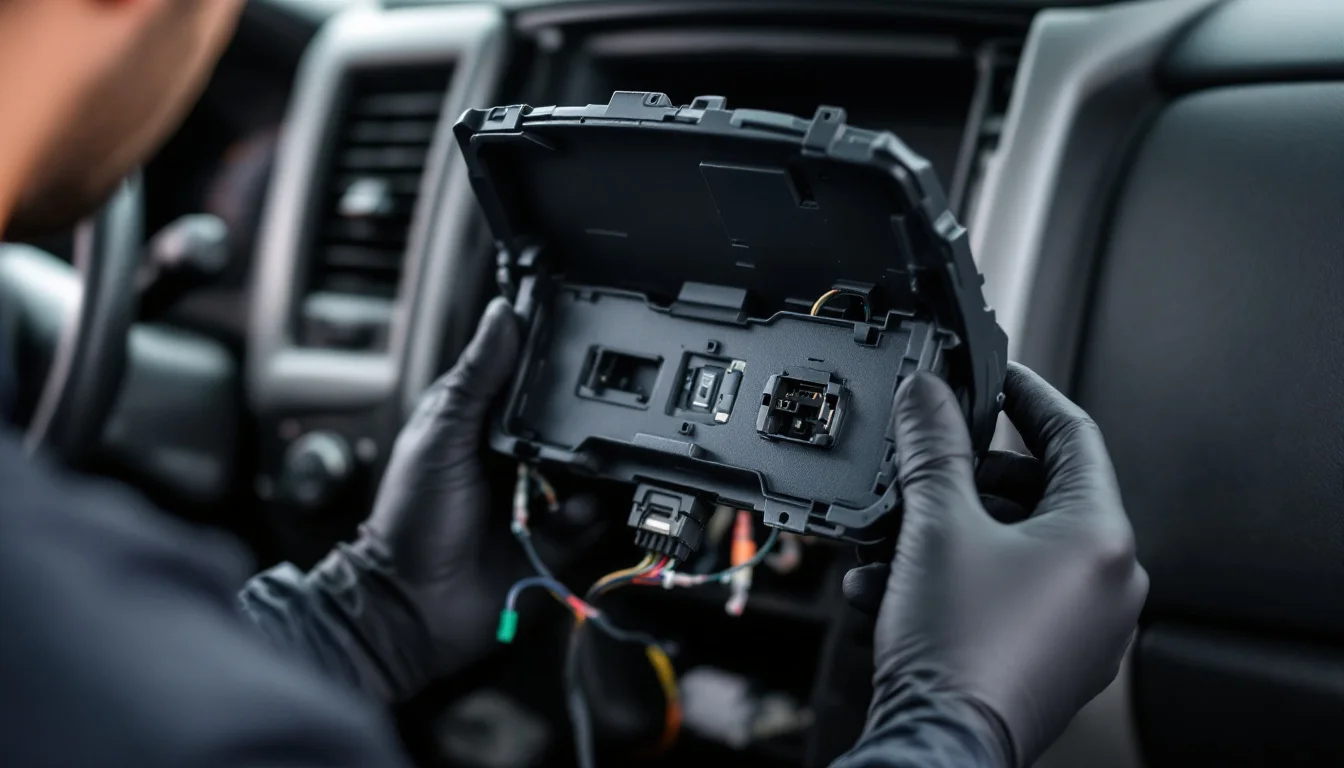
Once ownership is settled, a technician connects at the diagnostic port and reads what the car reports: the VIN as the car knows it, which modules answer, what the immobilizer says about currently authorised keys, and whether anything else is broken.
That last part matters more than owners expect. A surprising number of all-keys-lost calls turn out to have a second problem hiding underneath — a flat battery that has been masking everything, a damaged ignition lock, or a car that was previously worked on by someone who left the column half apart. Finding that before cutting a key saves everyone a wasted trip.
If the dash has been showing an anti-theft indicator, mention it. The behaviour we describe in our guide to a blinking Ford theft light applies to Lincolns as well, since these cars use the same underlying anti-theft architecture as their Ford siblings.
Step three: key generation and programming
The physical key comes first when there is a blade involved. It is cut to the vehicle's own specification rather than copied from anything, because there is nothing to copy.
Then the immobilizer work. The new key or fob is presented to the vehicle, the security procedure is performed, and the car is told to trust it. On older cars this is short. On modern proximity vehicles it takes longer, involves the keyless entry side as well as the immobilizer, and includes a security waiting period on some platforms that simply cannot be hurried.
When it completes, we test everything: start, doors, trunk, remote functions, and the emergency blade if the fob carries one. Our all keys lost service page describes the same flow in service terms.
The Continental: one name, two very different cars
The Continental badge covers ground that almost no other nameplate does, and the practical consequence is that the model name tells us almost nothing on its own.
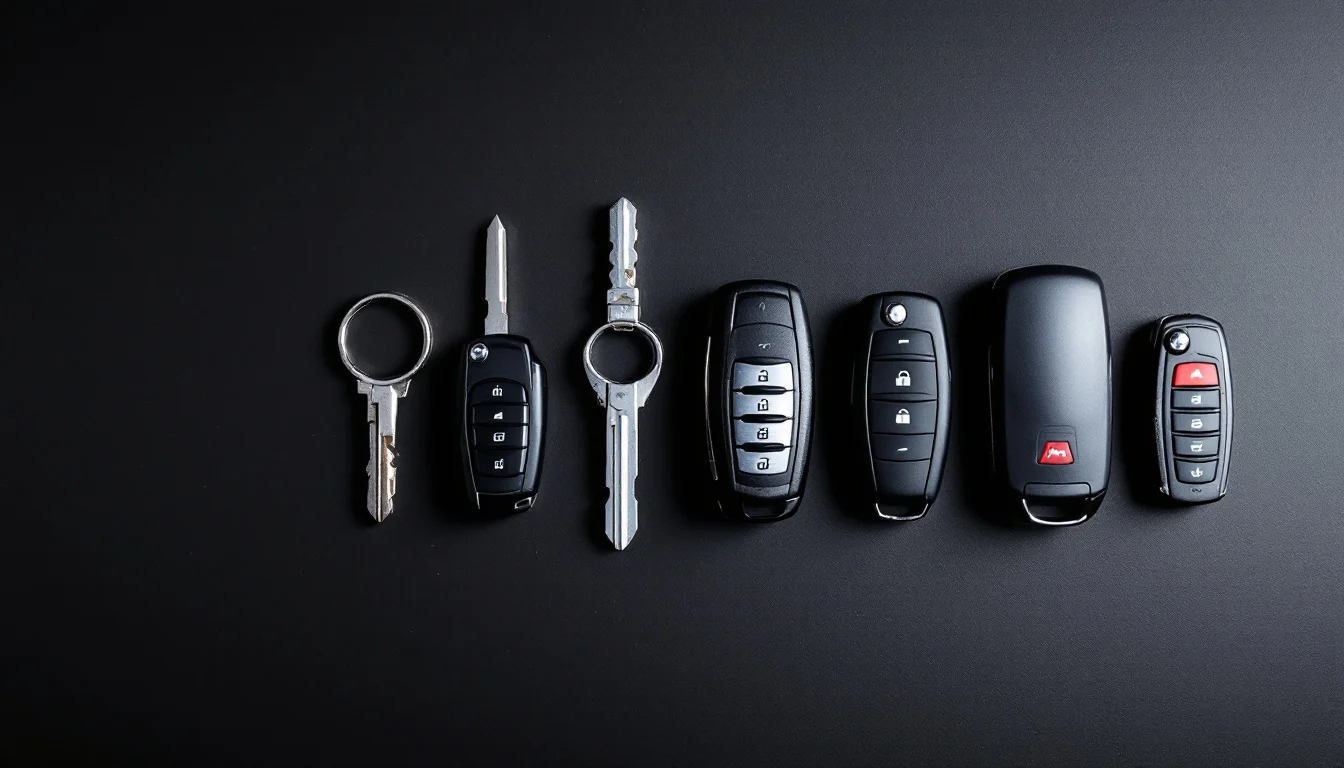
The older Continentals are large sedans from an era when the credential was a cut metal key, with a transponder chip appearing in the key head from the late 1990s onward. These are mechanically straightforward jobs. The main complication is age: worn locks, tired wiring, and columns that have already been apart once. If the key you lost had started sticking before it went missing, budget for the possibility that the lock cylinder is worn too — the failure mode we describe for Lincoln Town Car and LS ignition repair is common across the whole older Lincoln sedan family.
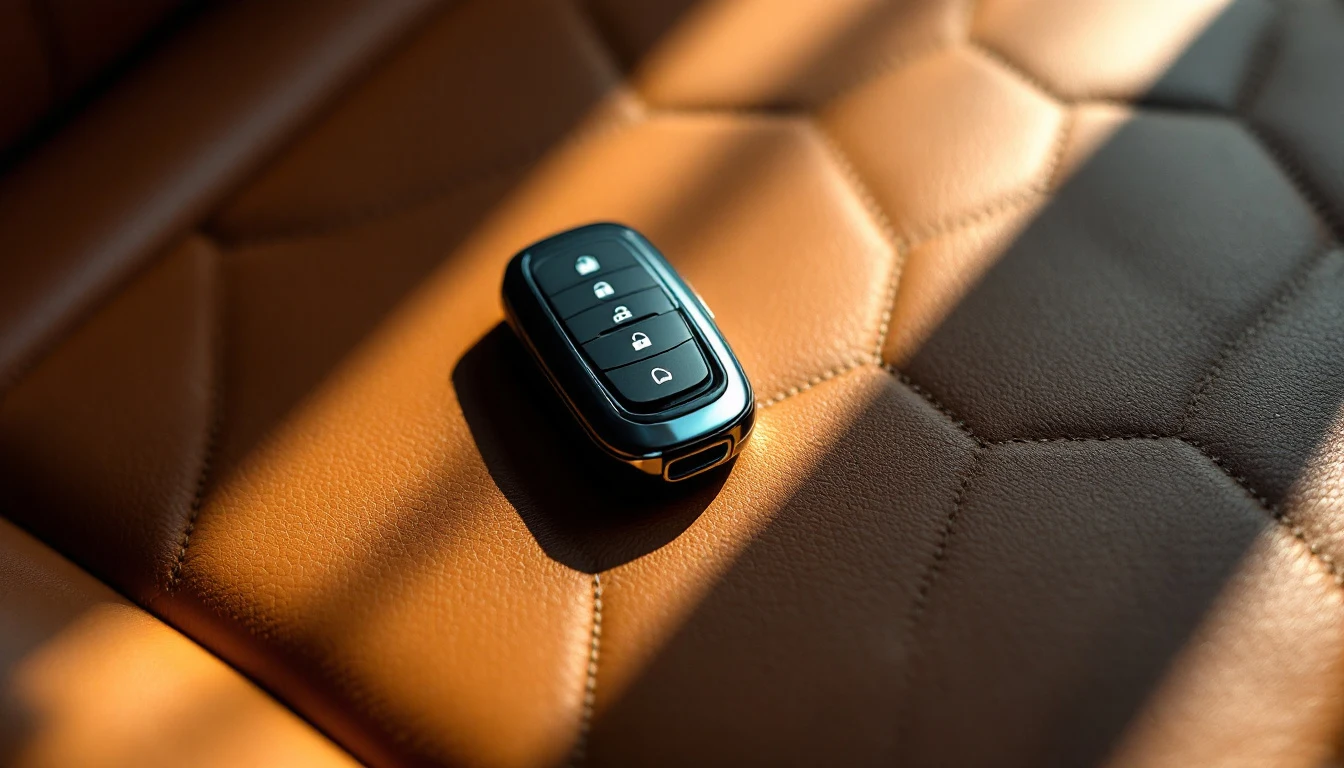
The revived Continental is a modern, heavily networked car with push-button start and a proximity fob. Everything about the job scales up: the hardware costs more, the programming session is longer, and security gating is tighter. These are usually still field-serviceable, but a technician confirms feasibility against the VIN rather than promising it from the model name.
The MKT: the fleet paperwork wrinkle
The MKT is a three-row crossover that found much of its audience in livery and airport-transfer work, and a large share of the ones still moving around Fort Worth have spent their lives on hire. That history creates a specific problem at step one.
If the vehicle is owned by a company rather than by the person standing next to it, the ownership check has to reach the company. In practice that means we need documentation tying the vehicle to the business and evidence that the person authorising the work can do so — a registration in the company name plus identification and some form of authorisation from the business, for example. A driver's word that the boss is fine with it is not something we can act on, and any locksmith who accepts it is one you should not want servicing your fleet.
Book fleet key work in advance where you can. A car stranded at a hotel entrance near Alliance Town Center with a driver on the clock and nobody reachable at the office is the worst possible moment to discover the paperwork is not in order.
The upside for fleets is that spares are cheap insurance. A company running several MKTs should have a second key for each one sitting in a drawer, because the arithmetic is not close.
Cost and timing by model and era
| Model and era | Credential | All-keys-lost range | Typical duration | Notes |
|---|---|---|---|---|
| Older Continental, pre-transponder | Cut metal key, no chip | $200–$350 | Short | Simplest case, lock wear is the usual complication |
| Older Continental with PATS chip | Cut key with transponder | $250–$450 | Short to moderate | Immobilizer step added |
| Revived Continental | Proximity fob, push-button start | $400–$650 | Longer | Security waiting period may apply |
| MKT, earlier build | Cut key or fob depending on trim | $300–$500 | Moderate | Confirm the credential before quoting |
| MKT, later build | Proximity fob | $350–$600 | Longer | Fleet ownership paperwork adds time |
| Any of the above with a damaged ignition | Varies | Key range plus $150–$550 ignition work | Longest | Two jobs, diagnosed together |
These are working Fort Worth ranges and not firm quotes. The exact price is confirmed once a technician has verified ownership and scanned the vehicle, which is the sequence the Federal Trade Commission's auto repair guidance (consumer.ftc.gov) advises consumers to expect from anybody they hire.
The honest boundary
The newest end is confirmed per VIN. The revived Continental sits close enough to modern security architecture that some operations may require dealer-level access. We check before we commit.
A used or donor module will not rescue this. People sometimes ask whether a cheaper path exists through swapping a security-relevant module from another car. It does not, because those modules are deliberately tied to the vehicle they came from and the swap creates a programming problem rather than solving one.
A worn ignition is a separate line item. If the lock is damaged, the key we make will be a good key going into a bad lock. Ignition repair or replacement is its own service at $150 to $550, and we tell you it is needed rather than letting you discover it a month later.
We will not skip the ownership check. Not for urgency, not for a good story, not for a fleet driver in a hurry. Texas locksmiths operate under the DPS Private Security Program (dps.texas.gov), and asking a company about its licensing is a fair question that should get a straight answer.
Frequently Asked Questions
What does all keys lost cost on a Lincoln Continental or MKT?
Generally $250 to $650 depending on whether the car uses a cut transponder key or a modern proximity fob, with older Continentals at the low end and the revived Continental or a later MKT at the high end. A technician confirms the exact price after verifying ownership and scanning the vehicle.
Do I need the car towed to a dealership?
Usually not. This is a mobile service, so a technician comes to the vehicle wherever it sits and performs the key generation and immobilizer programming at the diagnostic port. Certain very recent vehicles can require dealer-level access, and we tell you that before charging for an attempt.
What paperwork do I need for an all-keys-lost job?
Photo identification plus registration, the title, or an insurance card matching the vehicle, with the names lining up. If the vehicle is owned by a company, we need documentation in the company name and evidence that the person authorising the work is entitled to do so.
Will the old keys still work after you make a new one?
On most of these vehicles the previously authorised keys are erased as part of the procedure, so a key lost in a parking lot cannot be used later by whoever finds it. That is normally exactly what an owner wants, and we confirm it with you before performing the step.
How long does the job take?
An older Continental with a cut transponder key is usually a short visit. A modern proximity vehicle takes longer because the programming session is deeper and some platforms enforce a security waiting period that cannot be shortened. Fleet paperwork can add time at the front.
My MKT belongs to a livery company. Can you still make a key?
Yes, provided the ownership documentation reaches the company. That means registration in the business name plus identification and authorisation from someone entitled to approve the work. Arranging it before the vehicle is stranded makes a large difference to how quickly the job moves.
References
- NASTF — National Automotive Service Task Force
- FBI — vehicle crime resources
- NHTSA — National Highway Traffic Safety Administration
- FTC Consumer Advice — auto repair and service
- Texas DPS — Private Security Program
- TxDMV — Texas Department of Motor Vehicles
Standing next to a Continental or an MKT with no key at all? Bring your identification and ownership paperwork together and call Locksmith Fort Worth at (817) 674-3595. A technician comes to the car, verifies, scans, and builds you a working key. Mobile-only, 24/7, across the Fort Worth area.
Written by the technicians at Locksmith Fort Worth, a mobile automotive locksmith service based in 76102 and serving the Fort Worth area 24/7.