Hyundai Santa Fe & Palisade Key Fob Replacement in Fort Worth: Cheapest Fix First (2026)
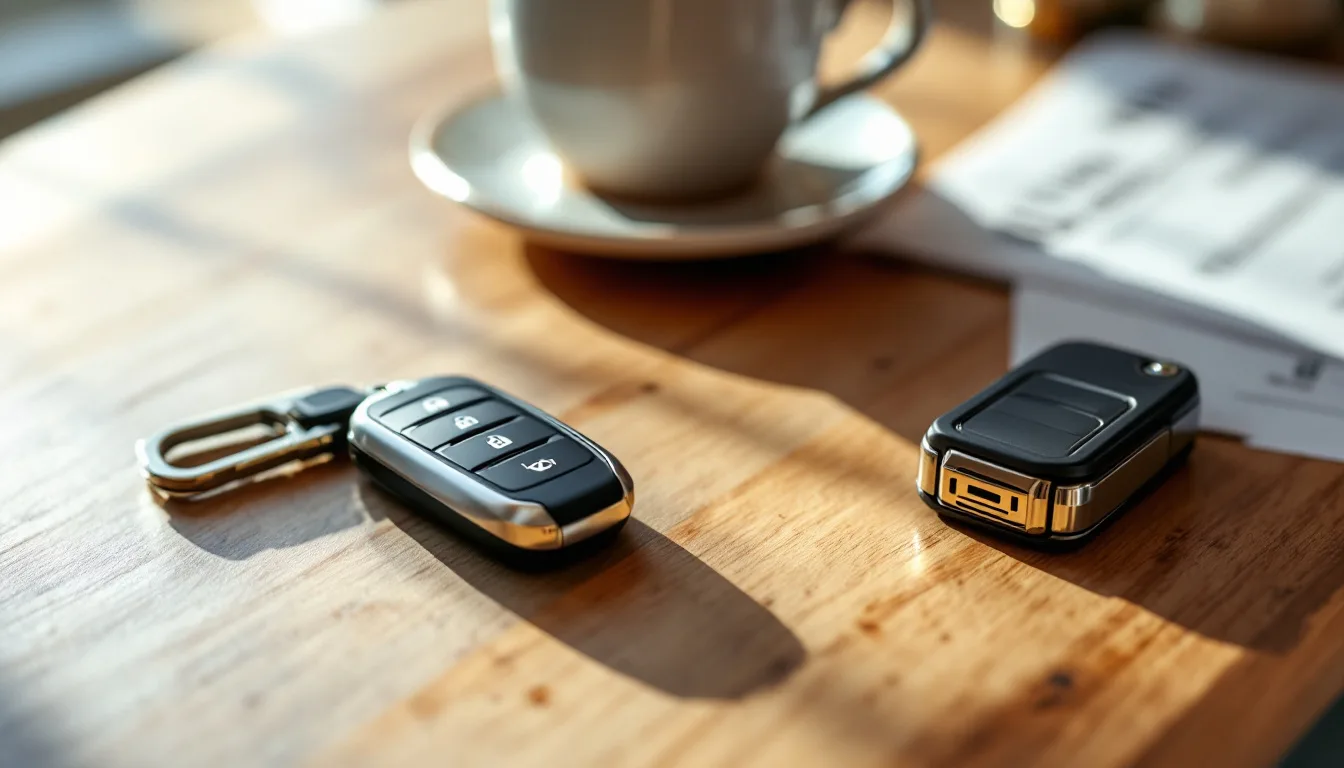
Quick answer: A broken Hyundai Santa Fe or Palisade fob has four possible answers and they are not priced anywhere near each other. A battery is a few dollars and you can do it in your driveway; a shell swap that reuses your working electronics runs $150–$250; a fully replaced and reprogrammed fob runs $300–$550; and all-keys-lost runs $400–$700. Start at the bottom of that ladder, not the top. Call (817) 674-3595 and we will tell you which rung you are actually on.
As of August 2026, the Santa Fe and the Palisade are family vehicles in the most literal sense — three rows, car seats, sports bags, drive-throughs — and family vehicles produce a very particular category of key problem. The fob goes through the wash in a jacket pocket. It gets dropped in a parking lot and run over. A toddler gnaws the corner off it. It falls in a cup of sweet tea in the console. Or it simply stops reaching the car from across the driveway the way it used to.
Almost every owner in that situation assumes the answer is "buy a new fob." Sometimes it is. Often it is not, and the difference between the cheapest correct answer and the most expensive unnecessary one is several hundred dollars. This guide walks the ladder in order.
Rung one: the battery
Start here always, because it is nearly free and it is the single most common cause of a fob that "died."
The symptoms of a weak coin cell are distinctive. The range shrinks first — you used to unlock from the far side of the lot, now you have to be standing at the door. The lock button needs two or three presses. The dash may put up a low key battery message. Push-button start begins failing intermittently while the doors still work, because starting demands a stronger handshake than unlocking does.
The cell is a flat coin-shaped battery available at any pharmacy, grocery store or hardware store for a few dollars. The fob halves separate with a small flat tool or a coin, usually after you slide out the emergency blade — more on that in a moment. Note which side of the old cell faces up before you pull it, do not touch the flat faces any more than you have to, and snap the case back together.
If a fresh battery restores normal range, you are done, and you have saved yourself the rest of this article.
Rung two: the shell or case
This is the rung almost nobody knows exists, and it is the one that saves the most money on a physically destroyed fob.
Inside the plastic is a small circuit board. That board is the part that is paired to your vehicle, and it is remarkably tough. A fob that was stepped on, chewed, cracked at the seam, or has buttons worn through can very often have entirely intact electronics inside a ruined case.
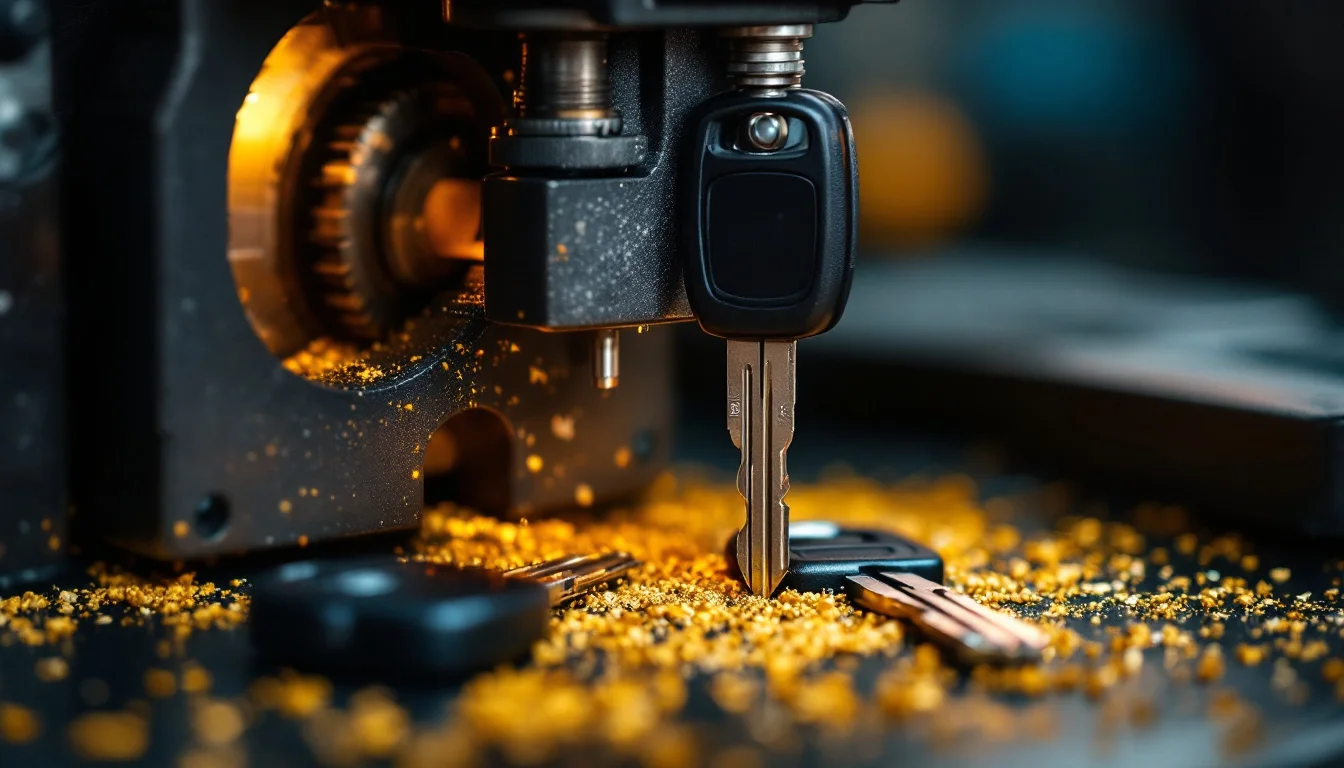
A shell swap moves your existing board and your existing emergency blade into a new housing. Because the board never changes, nothing has to be reprogrammed — the vehicle has no idea anything happened. That is why the price sits well below a replacement fob.
The honest caveats: water intrusion is the one that ends this option, since corrosion on the board is not something a new shell fixes, and salt or sugary liquids are worse than plain water. And a genuinely shattered board is a genuinely shattered board. We can tell within a minute or two of opening it whether you are a shell candidate.
If your fob was soaked, pull the battery immediately and leave the halves open. That single action has rescued more boards than anything else we know of.
Rung three: a replacement fob, programmed
When the board is gone, you need new hardware, and new hardware means programming.
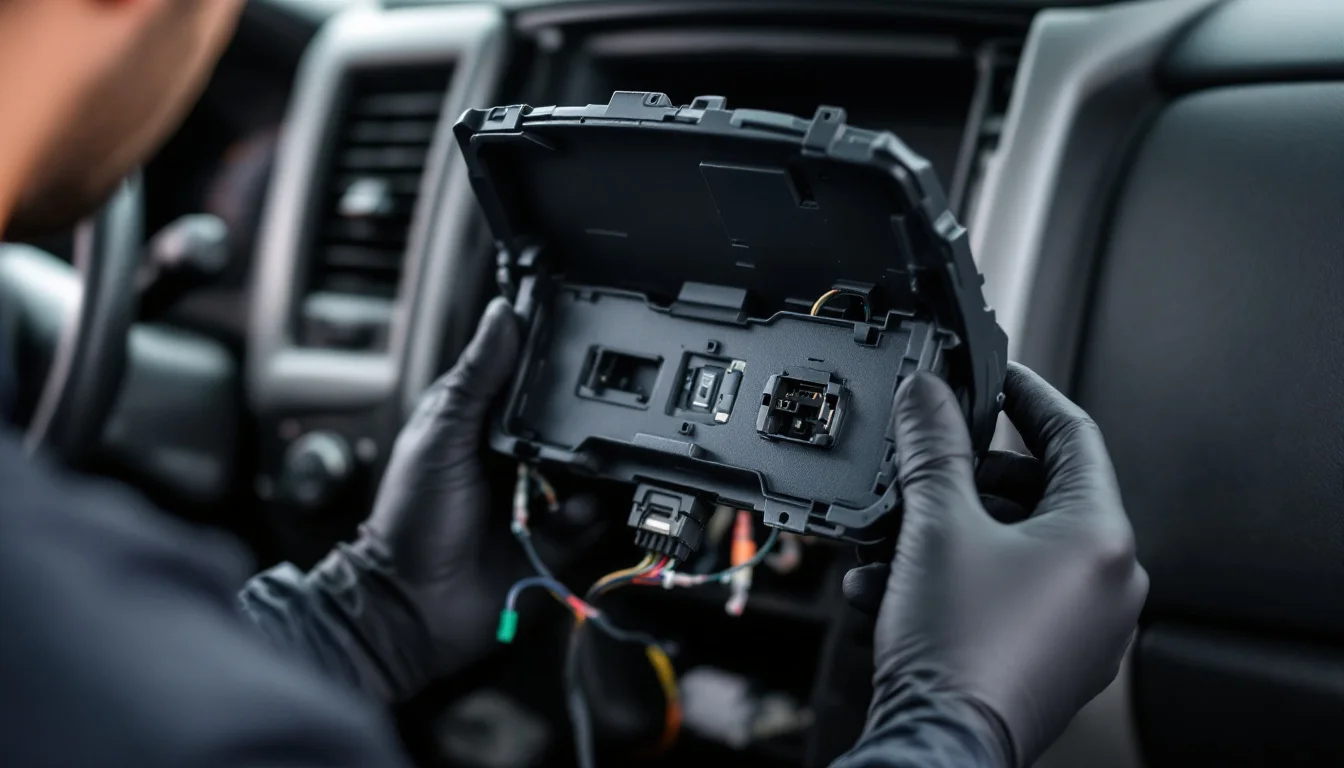
Your Hyundai runs an immobilizer: a security layer that decides whether the credential presented to it is authorized to allow a start. A new fob arrives with no standing in that system. Adding it means writing a new authorized identity into the vehicle through the diagnostic port, which is why the labor is a real line item and not padding. Immobilizers are one of the few anti-theft measures with a documented effect on theft rates, which is exactly why NHTSA (nhtsa.gov) treats anti-theft device performance as something worth measuring — and why the industry deliberately made adding a key a controlled operation rather than an open one.
Two practical notes at this rung. First, buy nothing yourself before you call. Online fob listings are frequently the wrong frequency for the North American market, the wrong internals for your trim, or already assigned to another vehicle and impossible to reassign. Second, if you still have one working fob, say so — it shortens the job and lowers the price, and that advantage disappears the moment the last one is gone.
Rung four: all keys lost
The top rung is the one where nothing works and there is no surviving key to build from.
The vehicle now trusts nothing, so the job starts from identity: we verify that the Santa Fe or Palisade is yours, source correct key hardware against the VIN, cut the emergency blade, and run a procedure that establishes the first authorized credential from scratch. On these Hyundais that is routine work, but it is longer than adding a spare, and on some model years there is a built-in security delay in the vehicle that no tool and no technician can shorten. Anybody who tells you otherwise is selling something.
| Rung | What it is | When it applies | Typical Fort Worth cost |
|---|---|---|---|
| 1. Coin cell battery | Replace the flat battery inside the fob | Range shrinking, low key battery warning, intermittent start | A few dollars, do it yourself |
| 2. Shell or case swap | Move your working board into a new housing | Cracked, chewed, stepped-on or worn-out plastic; board intact | $150–$250 |
| 3. Replacement fob, programmed | New hardware written into the immobilizer | Board dead or water-damaged, and one key still works | $300–$550 |
| 4. All keys lost | First authorized credential built from the VIN | No working key of any kind remains | $400–$700 |
| Ignition-side fault | Not a key problem at all | Fob is fine but the vehicle will not authorize a start | $150–$400 typical after diagnosis |
All figures are ranges, and a technician confirms the exact price for your vehicle after seeing what the car reports.
Two things Palisade and Santa Fe owners often do not know
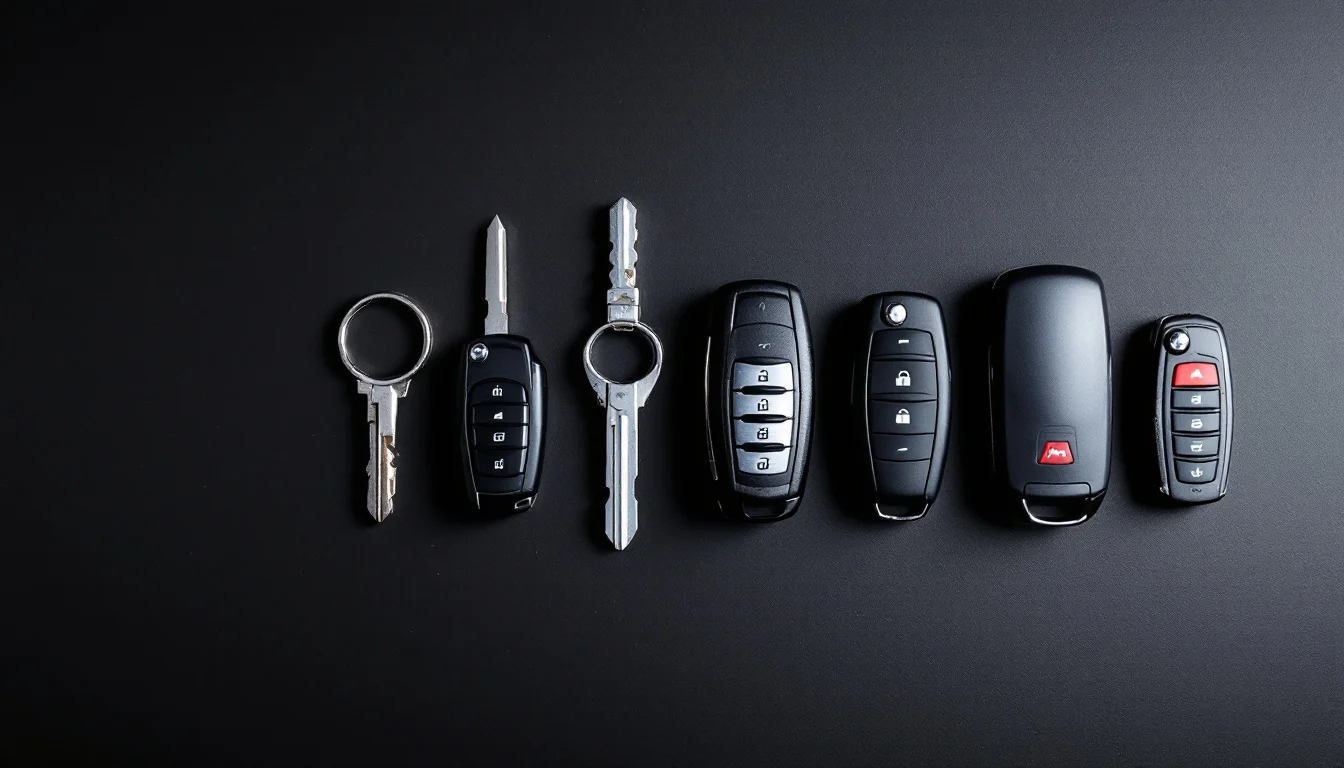
There is a real metal key hidden in your fob. Push-button owners forget this constantly. A small catch on the fob releases a mechanical emergency blade, and there is a corresponding keyhole on the driver's door — sometimes visible, sometimes behind a small removable cap on the handle. If your fob's battery is flat and the doors will not respond, that blade gets you inside without a locksmith and without breaking anything. Practice finding it once, in daylight, before you need it in a dark parking garage.
There is a backup way to start with a dead fob. Hyundai builds in a fallback for exactly the dead-battery scenario: rather than transmitting normally, the fob can be held physically against a specific spot at the start button so the vehicle can read it at very close range. The exact spot and the exact gesture vary by model and year, and your owner's manual states it precisely for your vehicle — look under keyless start or emergency start. We will not invent a procedure here, because a wrong one wastes your time in a bad moment. Read the page, then fold the corner over. It is one of the highest-value two minutes a Palisade owner can spend.
The honest boundary
The newest model years require confirmation. Key programming access has been tightening across the whole industry, Hyundai included. On very recent vehicles a technician confirms feasibility for your exact VIN rather than promising an outcome from a phone description.
Water damage is a coin flip and we will say so. If your fob swam, we will open it and look. Sometimes the board is perfect and a shell swap ends the story. Sometimes there is green corrosion across the contacts and the honest answer is new hardware. You will get the real answer, not the profitable one.
Ownership verification is non-negotiable. Photo identification plus registration, title, or an insurance card matching the vehicle. Texas locksmiths work under the Texas DPS Private Security Program (dps.texas.gov), and legitimate access to vehicle security data runs through the vetting framework maintained by NASTF (nastf.org). Vehicle records themselves sit with the TxDMV (txdmv.gov). Anyone who skips this step for you would skip it for a stranger standing next to your SUV.
Get the price before the work. The FTC's consumer guidance on auto repair (consumer.ftc.gov) says it as well as we can: a firm number before anybody starts, and skepticism toward whoever refuses to give one.
How the visit runs in Fort Worth
We are mobile only, so the SUV never moves. Call (817) 674-3595 and describe what happened to the fob — dropped, soaked, chewed, or just faded — and tell us whether you have a second working key. Those two answers usually place you on the ladder before we leave the shop, which means we arrive carrying the right thing.
Bring your license and an ownership document. If the vehicle is parked at a school pickup line, an office lot, or a driveway out toward the TCU area, that is fine; we come to it. A technician opens the fob first, because the cheap answers get ruled in or out in the first few minutes and there is no reason to sell you rung three before checking rung two.
If you land on a full smart-key replacement, our push-to-start smart key service page explains that lane in more detail. Owners of Hyundai's smaller sedans hit the same ladder in the same order — see our guide to a Hyundai Elantra and Sonata spare key. Kia crossover owners are in nearly identical territory given how much engineering the two brands share, covered in our writeup on Kia push-to-start smart key replacement price. And if you are cross-shopping the same problem on a different family SUV, the Honda CR-V and HR-V key fob guide runs the same logic on Honda hardware.
Frequently Asked Questions
My Palisade fob stopped working. Is it the battery?
Very likely, especially if the range shrank gradually before it quit, if the dash showed a low key battery message, or if starting failed while the door buttons still worked. A coin cell costs a few dollars at any pharmacy and takes a couple of minutes to swap. Try that before spending anything else.
Can a cracked Hyundai fob be repaired instead of replaced?
Often yes. The circuit board inside is the part paired to your vehicle, and it survives most physical damage. Moving that board into a new shell means nothing has to be reprogrammed, which is why a shell swap runs $150 to $250 instead of the price of a new programmed fob. Water damage is the exception.
What does a new Hyundai Santa Fe key fob cost in Fort Worth?
A replacement fob that has to be sourced and programmed runs roughly $300 to $550 with another working key present. If every key is gone, all-keys-lost typically falls between $400 and $700 because the first authorized credential has to be built from the VIN.
How do I get into my Hyundai if the fob is completely dead?
Use the emergency mechanical blade hidden inside the fob. A small catch releases it, and there is a matching keyhole on the driver's door, sometimes behind a removable cap on the handle. That opens the vehicle without any tools and without damage.
Can I still start the vehicle with a dead fob battery?
Hyundai builds in a close-range backup for that situation, where the fob is held against a specific spot at the start button so the vehicle can read it directly. The exact location and gesture vary by model and year, and your owner's manual states it precisely under keyless or emergency start. Check that page before you need it.
Should I buy a fob online and have you program it?
We would rather you did not. Online listings are frequently the wrong frequency, the wrong internals for your trim, or already assigned to another vehicle and unable to be reassigned. If you already bought one, bring it and we will test it, but do not build your plan around it working.
References
- NHTSA — National Highway Traffic Safety Administration
- NASTF — National Automotive Service Task Force
- FTC Consumer Advice — auto repair and service
- ALOA — Associated Locksmiths of America
- Texas DPS — Private Security Program
- TxDMV — Texas Department of Motor Vehicles
Fob soaked, cracked or dead on a Santa Fe or Palisade? Call Locksmith Fort Worth at (817) 674-3595 and we will work the cheap rungs first. Mobile-only, 24/7, anywhere in the Fort Worth area.
Written by the technicians at Locksmith Fort Worth, a mobile automotive locksmith service based in 76102 and serving the Fort Worth area 24/7.