Hyundai Elantra and Sonata Spare Key in Fort Worth — Why the Second Key Is the Cheap One in 2026
Quick answer: A spare key for a Hyundai Elantra or Sonata, made while your current key still works, generally costs $150–$400 depending on whether the car uses a bladed transponder key or a push-button-start smart key. Wait until every key is gone and the same car becomes an all-keys-lost job at $500–$850, plus a longer wait and a car that cannot move. The second key is always the cheap key. Locksmith Fort Worth makes them at your driveway, mobile-only, 24/7 — (817) 674-3595.
As of August 2026, we still take more single-key Hyundais than almost any other make in Fort Worth. Not because Hyundai owners are careless — because Elantras and Sonatas are reliable, they get passed down, they get bought used, and somewhere along the way the second key stopped being included in the deal. The car runs fine for years on one key and nobody thinks about it. Then the key goes into a washing machine, or a jacket pocket at a soccer field, or a storm drain, and a fifteen-minute errand becomes a hundred-dollar-plus difference and a stranded afternoon.
This article is deliberately not an emergency guide. It is the math you should look at before the emergency.
The one-key gamble, stated plainly
Driving on a single key is a bet. The stake is small and invisible — you save the cost of a spare — and the payout, when you lose, is a car that will not move, a service call at whatever hour it happens to be, and a bill several times what the spare would have cost.
What makes the bet worse than it looks is that the two outcomes are not just different in price. They are different in kind:
- With a working key in hand, the technician has a credential the car already trusts. Adding a second one is a short, predictable, daytime-friendly job.
- With no working key, nothing in your possession proves anything to the car. A new credential has to be originated from scratch after ownership verification, and the car sits until it is finished.
There is no version of automotive security where those two cost the same, and there never will be. Immobilizers exist precisely so that a stranger cannot conjure a working key out of nothing — a design the Insurance Institute for Highway Safety (iihs.org) has repeatedly credited with large reductions in vehicle theft. The friction you pay for in an all-keys-lost call is the same friction protecting your Sonata from someone in a parking lot.
Which Hyundai key are you carrying?
Elantras and Sonatas of the last two decades split into two broad camps, and it takes one glance to tell them apart.
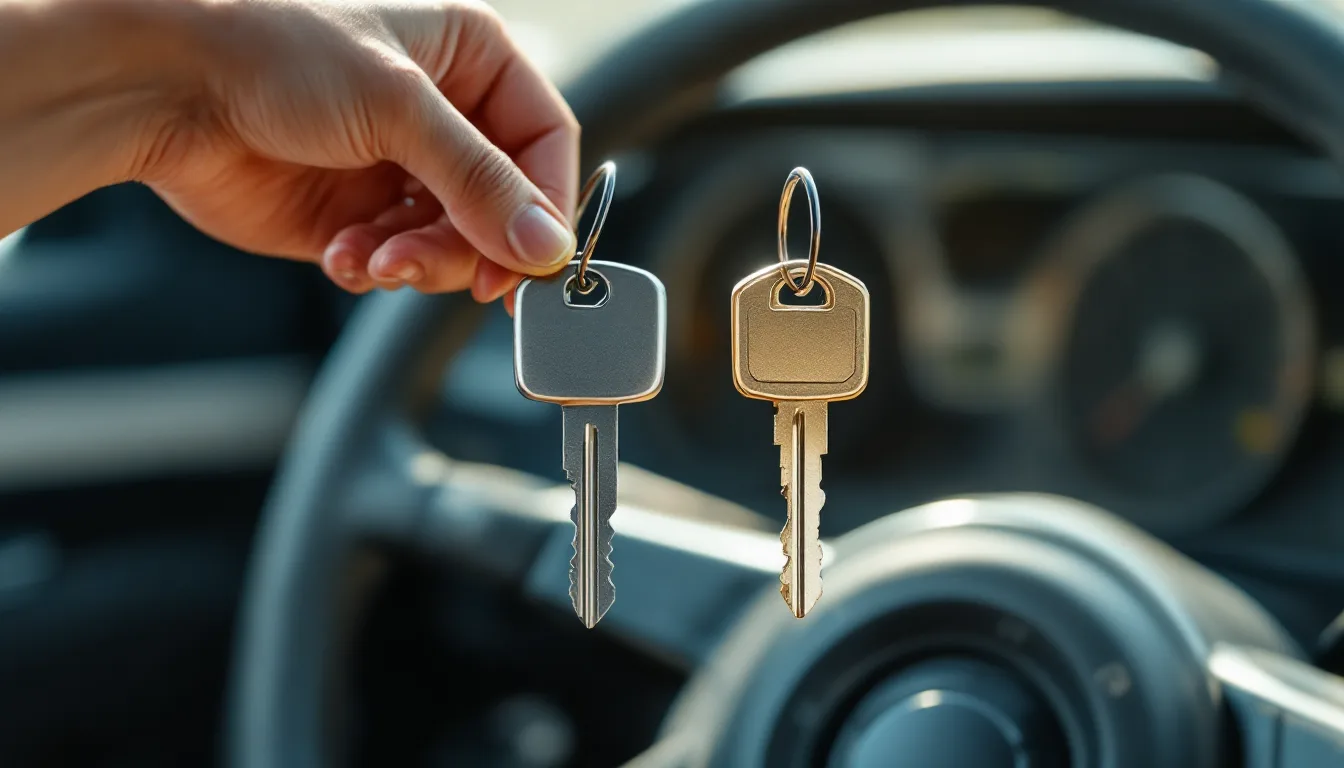
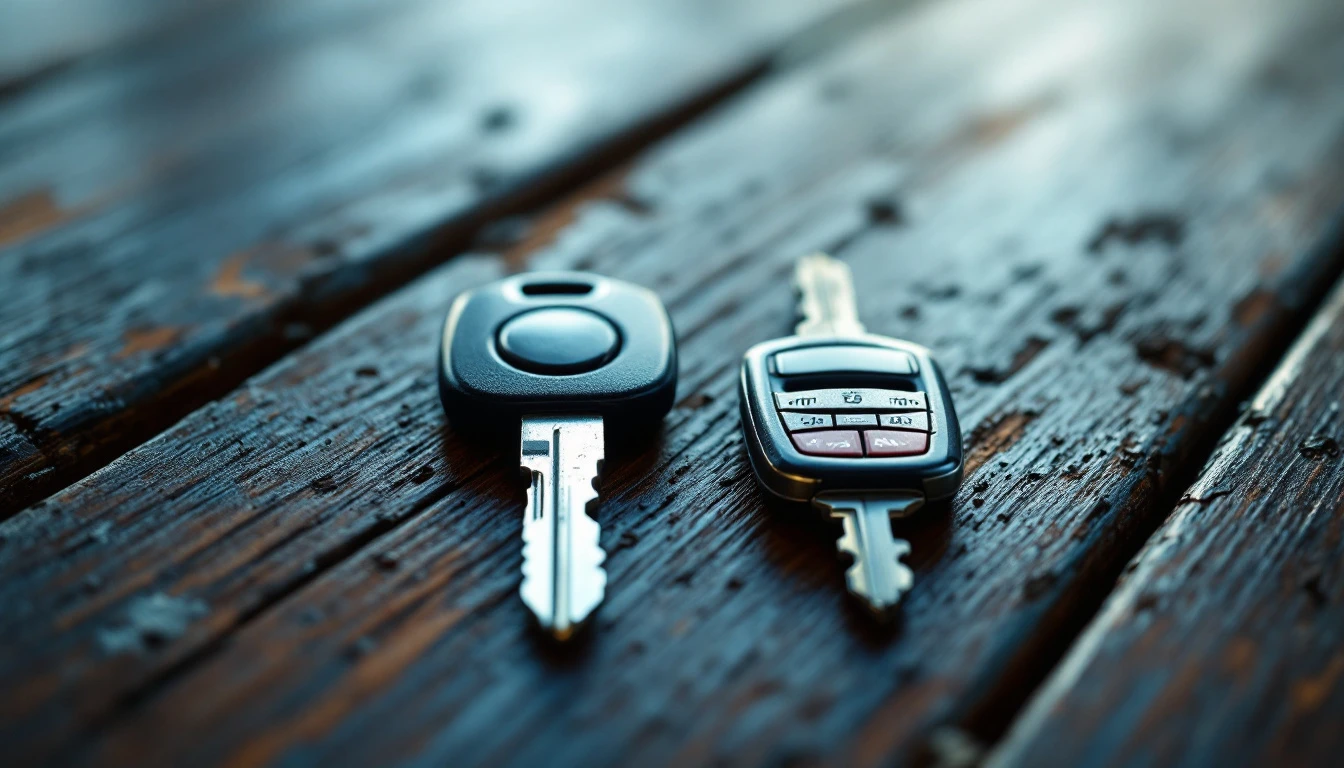
Bladed transponder keys. A cut metal blade with a plastic head, sometimes with lock and unlock buttons built in, sometimes with a separate remote on the same ring. You physically insert it and turn. The chip in the head is what satisfies the immobilizer — a plain hardware-store copy of the blade will open the doors and turn the cylinder, and the car will still refuse to start. Duplicating one of these properly is the least expensive spare available on either model.
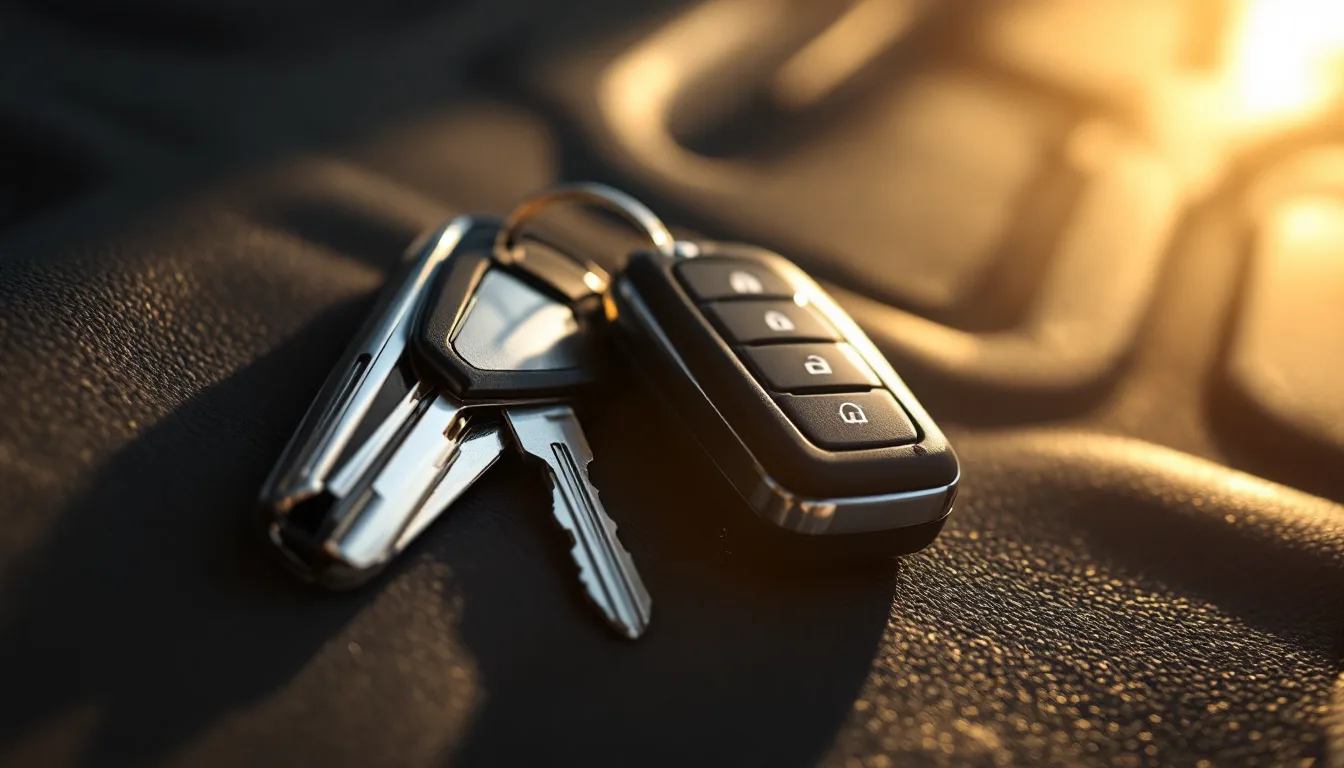
Smart keys with push-button start. A fob with no exposed blade, carrying lock, unlock, trunk, and often remote-start buttons, plus a hidden emergency blade inside the body. The car detects it on approach and authorizes starting when it is in the cabin. This is standard on higher trims across recent Elantra and Sonata generations, and it costs more to duplicate because the fob itself is a more capable security device.
If you are not sure which you have, the dash decides it: a keyhole you twist means bladed, a start button with no keyhole means smart key. Our push-to-start smart key service covers the second group; bladed cars fall under standard car key replacement.
One aside worth knowing on older Elantras and Sonatas: if your existing key has started to feel notchy, sticky, or requires jiggling to turn, get that looked at before the spare is cut. A worn cylinder will chew up a fresh key the same way it chewed the old one. That is ignition work at $150–$550, and the symptoms are the same ones described in our Hyundai Veloster and Accent ignition repair guide.
Spare now versus all keys lost later
| Vehicle and scenario | What the technician does | Time on site | Typical price range |
|---|---|---|---|
| Elantra, bladed transponder — spare made today | Cut a blade from your working key or the lock, enroll the chip | 20–35 minutes | $150–$300 |
| Elantra, bladed transponder — all keys lost later | Verify ownership, originate blade and credential from nothing | 60–90 minutes | $350–$600 |
| Elantra, smart key — spare made today | Supply a correct-spec fob, enroll alongside the working one | 30–50 minutes | $250–$450 |
| Elantra, smart key — all keys lost later | Verify ownership, originate and enroll a credential with none present | 60–120 minutes | $500–$850 |
| Sonata, bladed transponder — spare made today | Cut and enroll a second transponder key | 20–35 minutes | $150–$320 |
| Sonata, smart key — all keys lost later | Full origination after verification, plus emergency access to the cabin | 60–120 minutes | $500–$850 |
Read the table as one comparison, not six numbers. On a bladed Elantra the gap between acting early and acting late is roughly double. On a smart-key Sonata it is closer to triple, and that is before you count the tow you might need, the work you missed, or the fact that all-keys-lost calls tend to happen at inconvenient hours.
What actually happens when we make a spare
A spare-key visit is short, and it is the least dramatic thing we do. The sequence rarely varies.
- Ownership check. Photo ID plus registration, title, or an insurance card showing the VIN. Yes, even for a simple duplicate. Legitimate key work runs on verification, and the framework coordinating manufacturer key data access — the National Automotive Service Task Force's Vehicle Security Professional program (nastf.org) — treats every transaction as auditable for exactly this reason.
- Confirm the car. Year, trim, and the key type actually fitted, because trims vary and a used car may not have what its badge suggests.
- Produce the key. Cut the blade for a bladed car; supply a correct-specification fob for a smart-key car.
- Enroll the new credential so the car accepts it, without disturbing the key you already carry.
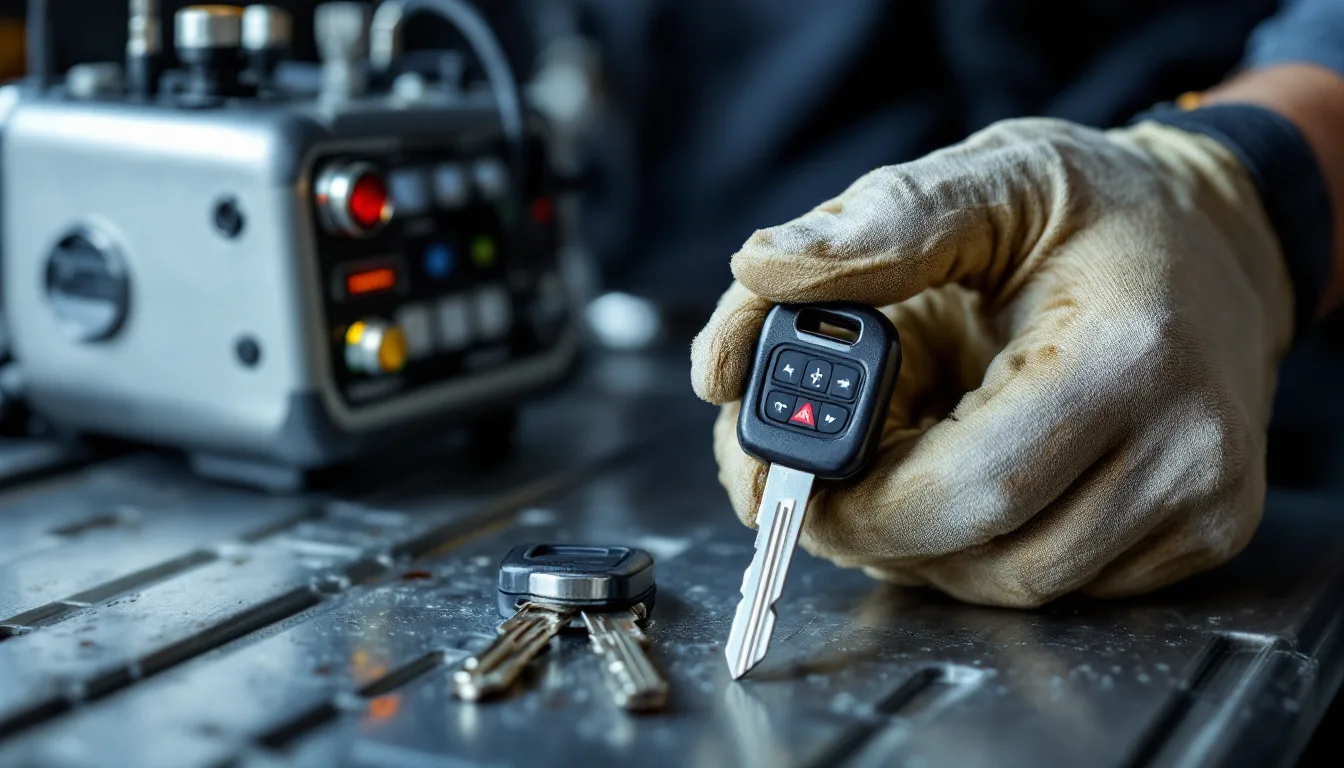
- Test everything — start, restart, lock, unlock, trunk, panic, and remote start if fitted. Then you leave with two keys instead of one.
That is it. No tow, no appointment three days out, no drop-off. We come to you, whether that is an apartment lot near the TCU area or anywhere else across our Fort Worth coverage, and we run 24/7 — though for a spare, honestly, daylight is fine.
Hyundai and Kia are close cousins
If you have owned both, you have probably noticed that key work on a Hyundai and a Kia feels similar. That is not a coincidence — the two brands share a great deal of immobilizer and smart-key architecture, which is why the price patterns track each other closely. If you want a cross-check on what you are being quoted, our breakdown of Kia car key replacement price for push-to-start models sits in almost the same range as the equivalent Hyundai work, and the all-keys-lost side of the family is covered in our Kia Forte and Soul all-keys-lost guide.
The useful implication for an owner: the advice transfers. If your household runs a Sonata and a Sorento, the spare-key argument applies identically to both, and there is no reason to solve it for one car and gamble on the other.
Where to keep the spare so it is actually useful
A spare that lives on the same keyring as the original is not a spare. It is two keys with one point of failure. A few placements that work:
- At home, in a fixed spot — a drawer everyone in the household knows about. Not the car, not the glovebox, not a magnetic box under the bumper where a thief will check first.
- With a second driver in the household, if two people share the car.
- With a trusted family member nearby, if you live alone. This is the version that saves the most trips.
- Not in a bag you carry, because bags get lost as a unit.
It is also worth planning for the scenario rather than just the object. Preparedness guidance from Ready.gov (ready.gov) makes the same point about vehicles that it makes about power and water — the plan has to exist before the disruption. A key in a known drawer is a five-minute inconvenience. No key anywhere is a service call.
And if the worst has already happened and you are reading this from a parking lot with nothing in your pocket, that is what our all-keys-lost service is for. It is more expensive and it takes longer, but it happens at your car, and it happens tonight rather than Thursday.
One thing we will not do
We do not disable, bypass, or delete a Hyundai's immobilizer so the car starts without a valid key. Owners occasionally ask, usually because it sounds like a shortcut. It is not. It voids the vehicle's most effective anti-theft protection, creates insurance and resale problems, and hands a future thief a car that starts for anyone — the FBI's vehicle-theft resources (fbi.gov) are unambiguous about what that means. Proof of ownership is required on every job, without exception.
Texas locksmiths are licensed under the Texas DPS Private Security Program (dps.texas.gov), and the Texas Attorney General's consumer protection office (texasattorneygeneral.gov) publishes sensible guidance on vetting any service provider who comes to your home. Ask us the questions. Locksmith Fort Worth is mobile-only, licensed, and reachable at (817) 674-3595 or contact@locksmithfortworth.net. Book the spare car key while the errand is cheap.
Frequently Asked Questions
How much does a spare key for a Hyundai Elantra cost in Fort Worth?
A bladed transponder spare typically runs $150–$300, and a smart key for a push-button-start Elantra typically runs $250–$450. Both assume you still have one working key. Without a working key the same car becomes an all-keys-lost job in the $500–$850 range.
Is it really cheaper to make a spare before I lose the first key?
Substantially. With a working key present the technician has a credential the car already accepts, so the job is short and predictable. With no key at all, a credential must be originated from nothing after ownership verification, which roughly doubles or triples the cost and takes far longer on site.
Can a hardware store copy my Hyundai key?
A hardware store can copy the metal blade, which will open the doors and turn the ignition cylinder, but the car will not start. Elantras and Sonatas use a transponder credential that must be enrolled electronically in the vehicle. Only a properly equipped automotive locksmith or dealer can complete that step.
Do I need proof of ownership just to make a spare?
Yes. Photo ID plus registration, title, or an insurance card showing the VIN is required for any key work, including simple duplicates. Verification is the standard that keeps key services from becoming theft services, and any locksmith who skips it is a warning sign rather than a bargain.
Does a Hyundai smart key cost the same as a Kia one?
They are close. Hyundai and Kia share a great deal of immobilizer and smart-key architecture, so equivalent push-to-start work on the two brands generally falls in a similar range. Exact cost still depends on the specific model, trim, and whether a working key is present.
How long does it take to make a Hyundai spare key?
A bladed transponder spare is usually 20 to 35 minutes at your vehicle. A smart-key spare is usually 30 to 50 minutes. All-keys-lost recovery on the same cars takes considerably longer, commonly one to two hours, because everything is originated from nothing after verification.