Jeep Wrangler & Gladiator Key Fob Replacement in Fort Worth: Trail Reality and 2026 Costs
Quick answer: Replacing a key fob for a Jeep Wrangler or Gladiator in Fort Worth typically runs $150–$850 in 2026, all-in and done at your location. An older JK-generation fobik sits toward the lower half of that band, a JL or Gladiator proximity fob lands in the upper-middle, and an all-keys-lost job on a newer Jeep reaches the top. Wrangler fobs fail earlier than most because of how these vehicles get used. Call (817) 674-3595 with your year and VIN.
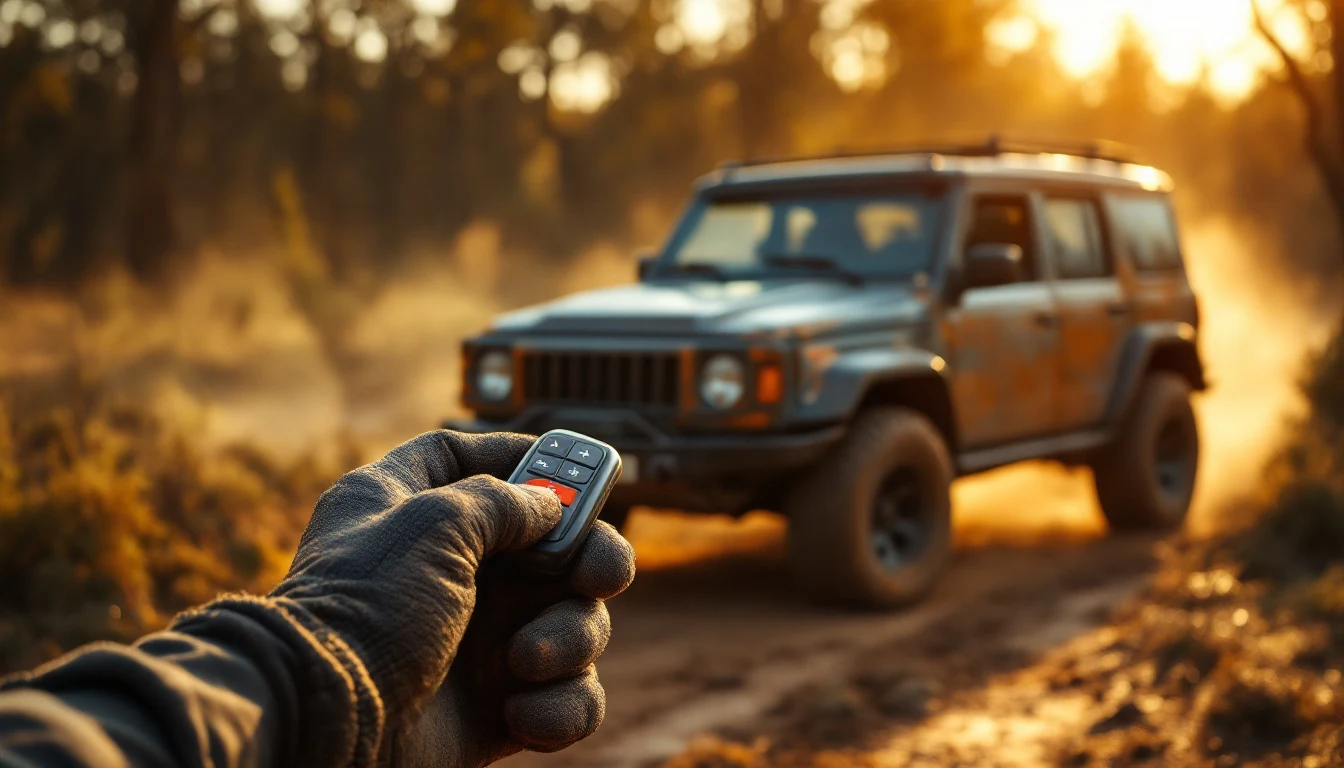
As of July 2026, Jeeps generate a category of key call that almost nothing else does. A Camry fob dies of old age. A Wrangler fob dies of a creek crossing, a pressure washer, a dusty afternoon at a ranch gate, or eight hours of vibration in a center console with a topless cabin and no doors. The vehicle is designed to be exposed, and the key rides along for all of it.
That changes the practical advice. On most vehicles a spare key is prudent financial planning. On a Wrangler or a Gladiator, especially one that actually leaves pavement, a spare is closer to recovery gear — the same category as a tow strap, in the sense that you carry it because the situation where you need it is one where nothing else helps.
Here is what these fobs are, why they fail the way they do, what replacement runs in Fort Worth this year, and what happens when the last one is gone.
Two eras of Jeep key, and which one you have
The Wrangler crossed a real generational line, and it sits right where the key technology changed. The Gladiator, which arrived later, was born on the newer side of that line.
JK-generation fobiks
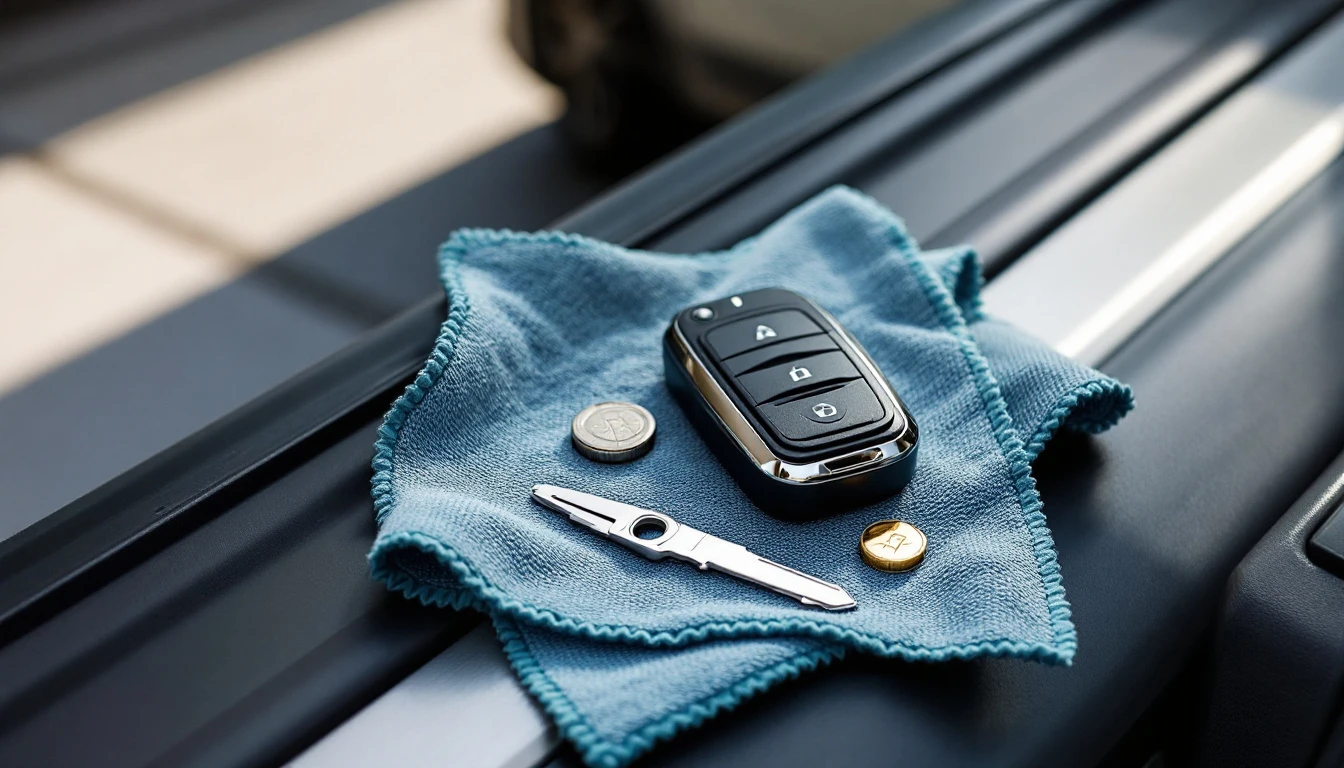
The JK Wrangler, produced across roughly 2007 through 2018 depending on body style and overlap year, generally uses what Chrysler-family owners call a fobik — a chunky one-piece unit combining a small emergency blade, the remote buttons, and the transponder. On the ignition-key versions the whole fobik inserts and turns; on push-button variants it is carried and detected.
Fobiks are the most repairable of the Jeep keys, which is worth knowing before you buy a replacement. A fobik with worn buttons, a cracked case, or a dead battery is frequently salvageable. A fobik that has been swimming is usually not. We wrote about the broader Chrysler-family fobik landscape in enough detail that it applies directly here, and the same troubleshooting order applies to a Wrangler as to a minivan.
JL and Gladiator proximity fobs
The JL Wrangler and the Gladiator use a modern proximity smart fob — no insertion, push-button start, an emergency blade tucked inside the housing for the door, and considerably more electronics inside than the old fobik carried. Those extra electronics are why they cost more to replace and why they are less tolerant of water.
These vehicles also carry the newer Chrysler-family security architecture, which adds an authorized access step to any programming work. That is not an obstacle for a properly credentialed locksmith, but it does change who can do the job — we explain it in owner terms in our article on the Security Gateway on 2018+ Ram, Dodge, Jeep and Chrysler vehicles.
Which one is on your keyring right now
If your fob has a visible metal blade that folds or slides out and your Jeep has a start button, you have a proximity fob. If you insert a rectangular black unit into a slot and twist it, you have a fobik. If you insert a conventional cut metal key with a chipped head, you have an older or base-spec setup and you are on the least expensive end of everything below.
Why Jeep fobs die younger
Four failure modes account for nearly every Wrangler and Gladiator fob call we take, and none of them are manufacturing defects. They are consequences of use.
Water. This is the big one. A fob does not have to be dropped in a creek to be finished. Rain through an open cabin, a hose or pressure washer during a mud cleanup, or a soaked pocket after a day on the water is enough. What kills the fob is usually not the initial soaking but the corrosion afterward — the unit works for a week, then behaves erratically, then quits. If a fob has gotten wet, do not assume it survived because it still works that evening.
Mud and grit. Fine dust and dried mud work into button seams and around the seals. Buttons that need a hard press are the early warning; buttons that need three presses are the late one.
Vibration. Wranglers ride stiffly by design, and off-pavement use multiplies that. Vibration works on solder joints and battery contacts over time. An intermittent fob that works when you hold it a certain way is often a contact problem rather than a dead unit.
Sheer physical exposure. Doorless and topless driving means a fob can leave the vehicle without anyone noticing. Trailhead parking, tailgates, campsites, and boat ramps are where Jeep keys go missing, and those are also the places where "just call a tow truck" is the least practical advice anyone has ever given.
What a Jeep fob costs in Fort Worth (2026)
All prices below are all-in mobile: the fob, the emergency blade cut where applicable, and programming, performed wherever your Jeep is sitting. Year, trim, and whether a working key survives all move the figure.
| Jeep key type | Typical application | Fort Worth price (2026) | On-site time |
|---|---|---|---|
| Chipped blade key, no remote | Base and older configurations | $150–$280 | 30–50 min |
| Fobik, one working key exists | JK-generation Wrangler | $220–$420 | 40–70 min |
| Proximity smart fob, spare added | JL Wrangler, Gladiator | $310–$620 | 45–90 min |
| All keys lost, fobik | JK-generation with nothing working | $330–$690 | 60–120 min |
| All keys lost, proximity | JL Wrangler or Gladiator, no working fob | $420–$850 | 75–150 min |
| Second matched fob, same visit | Any of the above, programmed together | $140–$390 each | Adds 15–35 min |
The pattern in that table is the entire argument of this article. Look at the gap between "spare added" and "all keys lost" on the same vehicle — it is roughly the cost of the spare you did not buy, plus the cost of being stranded. That gap exists on every make; it is just especially punishing on a Jeep because of where Jeeps tend to be when the key disappears.
Jeep's smaller siblings follow the same structure at slightly different price points, which we broke down in our Jeep Compass and Renegade key replacement guide — useful reading if your household has one of each.
The spare-key argument, made specifically for Jeep owners
We make the spare-key case constantly. On a Wrangler it is easier to make, because the scenarios are so concrete.
A spare turns a stranding into an inconvenience. If a second fob is in your pack, in the glovebox of the other vehicle, or with the person you are wheeling with, a lost key is a mildly annoying drive home rather than a recovery operation.
A spare is dramatically cheaper than the alternative. Adding a second fob during a visit where the technician is already set up costs a fraction of what an emergency all-keys-lost call costs later, because setup and travel are shared. That is not a sales pitch; it is just how the labor works.
A spare protects the fob you have. Rotating two fobs halves the button cycles, halves the water exposure, and means the survivor is in good condition when the primary finally gives up.
Store it off the vehicle. A spare in the console of the Jeep it opens has solved nothing. The DHS Ready campaign (ready.gov) makes essentially this point about emergency planning generally: redundancy only counts if the backup is somewhere the failure cannot reach. Our spare car key service exists for exactly this, and we would rather sell you one on a Tuesday afternoon than meet you at a trailhead at midnight.
When the last fob is gone
All-keys-lost is a different job from adding a spare, and it is worth understanding before you are living it.
With no working key, nothing can be duplicated. The technician derives the key code from the VIN through the authorized channels that the National Automotive Service Task Force (nastf.org) administers for exactly this purpose, cuts the emergency blade from that code, and runs a full enrollment session rather than a quick add. On newer Jeeps that session also passes through the vehicle's security gateway, which adds time.
Verification is strict, and it should be. You will need photo ID and proof the Jeep is yours — registration, title, or an insurance card in the matching name. That requirement is the reason a stranger cannot have a key made to your vehicle in a parking lot, and NHTSA's theft-prevention materials (nhtsa.gov) explain the category of theft it prevents. Texas locksmiths are licensed through the DPS Private Security Program (dps.texas.gov); asking about licensing is reasonable and expected.
The full step-by-step of that process lives in our all-keys-lost service and the accompanying VIN-to-new-key walkthrough.
The online-fob trap
We get asked constantly whether buying the fob online and having it programmed is cheaper. Sometimes it is. Frequently it is not, and the failure mode is expensive.
Used proximity fobs are often permanently locked to their original vehicle and cannot be re-enrolled to yours regardless of who tries. Counterfeit automotive electronics are a persistent documented problem across brands. And the financial structure is unforgiving: if the part you supplied does not program, you still owe for the technician's visit, so a "cheap" fob that fails has cost you more than the correct part would have.
This is not a Jeep-specific problem — it is arguably worse on European vehicles, as we described in our Audi key replacement cost guide, where high-security architecture makes customer-supplied parts fail even more often. The general rule holds across every make we service: on anything with a transponder, let the person doing the programming supply the part.
When the fob is not actually the problem
A few Jeep symptoms look like fob failures and are not.
If the Jeep reports that a key is not detected but the fob is known good, suspect battery, antenna, or reception before suspecting the fob itself. If the vehicle cranks strongly and never fires with a security indicator lit, that is the immobilizer declining to authenticate rather than a remote problem. If a known-good fob suddenly stopped working across all functions at once, a module or a connection is a live possibility — and module work is always diagnosed first and quoted after, because the honest answer depends entirely on what the vehicle reports. Our ECU and module programming service covers that lane.
For the newest Wrangler and Gladiator model years and the highest-security trims, the boundary we hold everywhere applies here: capability moves faster than any article, and a technician confirms your exact setup before promising an outcome.
Where we reach you
We are mobile-only, based in 76102, and we run 24/7. Jeep calls come from all over the Fort Worth service area — apartment lots and trailhead parking on the west side, driveways around Camp Bowie, and weekend crowds near West 7th. Because we come to the vehicle, a lost fob does not have to turn into a tow.
Frequently Asked Questions
How much is a Jeep Wrangler key fob in Fort Worth?
In 2026, adding a spare proximity fob for a JL Wrangler or Gladiator generally runs $310 to $620 all-in with programming, while a JK-generation fobik runs $220 to $420. If no working key remains, expect the upper part of the $150 to $850 range depending on which key type your Jeep uses.
Why do Wrangler fobs fail so often?
Exposure. Water intrusion and the corrosion that follows it, mud and grit in the button seams, constant vibration from a stiff off-road-capable chassis, and doorless or topless driving that lets keys leave the vehicle unnoticed. None of that is a defect; it is a consequence of how the vehicle is used.
Can a locksmith make a Jeep fob if I lost every key?
Yes. With photo ID and proof of ownership, a licensed locksmith derives the key code from the VIN, cuts the emergency blade from that code, and runs a full enrollment session at your location. On 2018-and-newer Jeeps this includes an authorized access step, which adds some time but does not prevent the work.
Is my wet fob going to be fine if it still works?
Not necessarily. The damage from water is usually corrosion that develops over days or weeks, so a fob that survived the soaking can start behaving erratically later and then quit. If a fob has been submerged or soaked, treat a replacement or a spare as due rather than optional.
Should I buy a Jeep fob online and just have it programmed?
Usually not. Many used proximity fobs are locked to their original vehicle, counterfeit units frequently fail to program, and if the part you supplied fails you still owe for the service visit. Having the locksmith supply the correct part is generally cheaper once that risk is accounted for.
How long does a Jeep fob job take on-site?
Adding a spare is typically 45 to 90 minutes. An all-keys-lost job on a JL or Gladiator can take up to two and a half hours including ownership verification, VIN-derived cutting, and the full programming session.
Lost the fob at a trailhead, a boat ramp, or a driveway? Call Locksmith Fort Worth at (817) 674-3595 any hour, day or night. We are mobile-only, we come to the Jeep wherever it sits in the Fort Worth area, and we can cut and program a spare while we are already there. Email contact@locksmithfortworth.net for non-urgent work.
Written by the technicians at Locksmith Fort Worth, a mobile automotive locksmith service based in 76102 and serving the Fort Worth area 24/7.